



Clear Glass Venetian Mirror
A clear glass venetian mirror brings unmatched luminosity and intricate artistry to a room, offering both historic charm and reflective depth.
Clear Glass Venetian Mirror
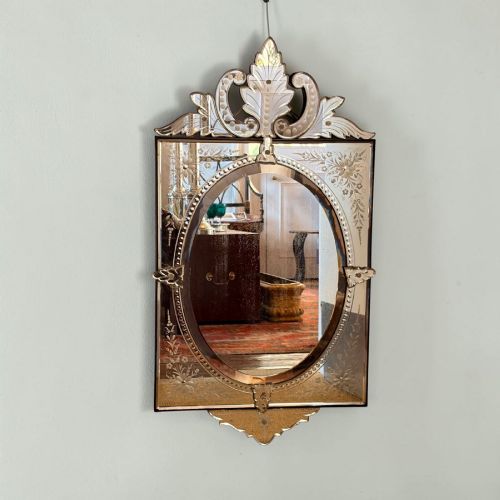
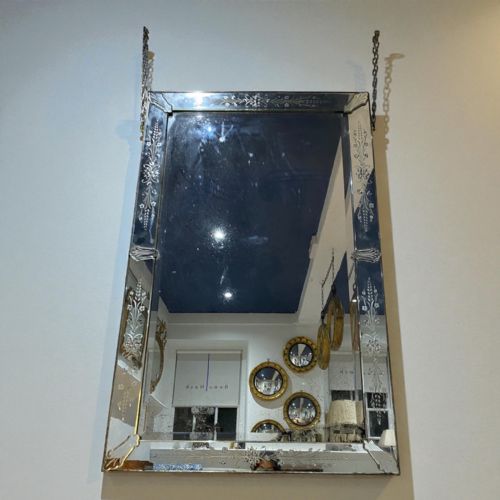
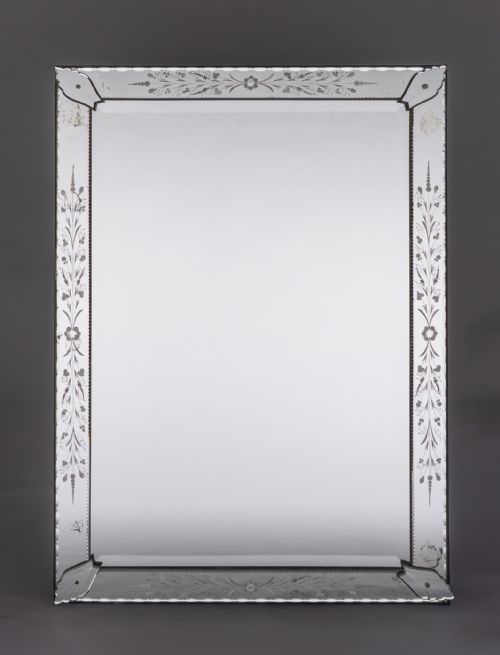
A clear glass venetian mirror combines decorative framing with functional reflection, capturing the essence of traditional Italian craftsmanship. These wall mirrors and decorative trays span periods from the nineteenth century through the 1930s, reflecting diverse historic influences.
The most common examples on this page are wall mirrors and overmantle mirrors originating from Italy. They typically feature distinctive glass elements and cushion shapes that dominate the aesthetic of the period.
How they were made
Makers constructed these pieces using glass, mirrored glass, and silvered glass mounted on wooden or metal structures. Brass elements also appear in supporting frameworks and decorative mounts.
Craftsmen applied bevelled plates and intricate engraving techniques directly to the glass surface. Cushion mirrors utilise shaped panels that require precise joining to create the characteristic dimensional frame.
Clear Glass Venetian Mirror Retail Price Guide 2026
Typical asking prices for clear glass venetian mirror among the pieces listed under this phrase on Sellingantiques today, from the lower quarter to the upper quarter. They describe what is for sale here now, not the wider market.
Some trays double as miniature stages for your perfume bottles.
What varies in quality
The refinement of the engraving and the clarity of the silvered glass plates distinguish finer examples from simpler work. Superior pieces demonstrate crisp, deep cuts in the glass and harmonious proportions across the frame.
The integrity of the underlying wooden or metal support structure and the preservation of original mirror plates dictate the overall calibre of the piece. Subtle variations in the foxing and bevelling reflect the individual hand of the maker.
The Clear Glass Venetian Mirror Glossary
- Overmantle mirror
- A large wall mirror designed specifically to hang above a fireplace mantelpiece. These pieces often feature extended horizontal proportions to suit architectural spaces.
- Cushion mirror
- A mirror style where the frame consists of angled glass panels sloping inward toward the central plate. This construction creates a dimensional, pillow-like profile.
- Foxed
- A term describing the natural ageing process of silvered glass, characterised by small dark spots and patination. This oxidation adds historic character to older plates.
- Bevelled plate
- A glass mirror whose edges are cut and polished at an angle to create a framed border effect. This technique catches and refracts ambient light.
Clear Glass Venetian Mirror: Frequently Asked Questions
How do I hang a heavy venetian mirror safely?
Ensure the wall construction can support the combined weight of the glass and wooden backing frame. Utilise appropriate brackets secured directly into structural studs.
Avoid relying solely on decorative rings attached to the original backing. Professional installation is often advisable for larger pieces.
How should I clean a antique glass mirror?
Use a soft, lint-free cloth dampened slightly with distilled water or a mild glass cleaner. Apply the liquid to the cloth rather than spraying the mirror directly.
Keep moisture away from the edges and the backing to protect the silvered coating from accelerated deterioration. Gentle maintenance preserves the historic surface.
What period do these mirrors typically come from?
The pieces seen here predominantly date from the nineteenth century through the Edwardian era and into the 1930s. Each era brings subtle shifts in framing style and engraving technique.
Nineteenth-century examples often display deeper hand-engraving, while later pieces incorporate streamlined bevels. Dating relies on physical construction and materials rather than exact documentation.
Can these mirrors be used in a bathroom?
High humidity and fluctuating temperatures can damage the backing and accelerate foxing on antique silvered glass. Placing them in drier living areas or hallways is generally safer for preservation.
If placed in a bathroom, ensure adequate ventilation to minimise moisture accumulation behind the plate. Protect the original frame materials from direct water contact.