
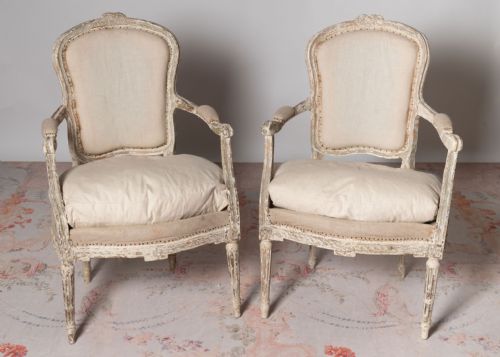


White Upholstered Fauteuil
White upholstered fauteuil armchairs bring classic French seating into modern interiors through carved wood frames and soft fabric.
White Upholstered Fauteuil
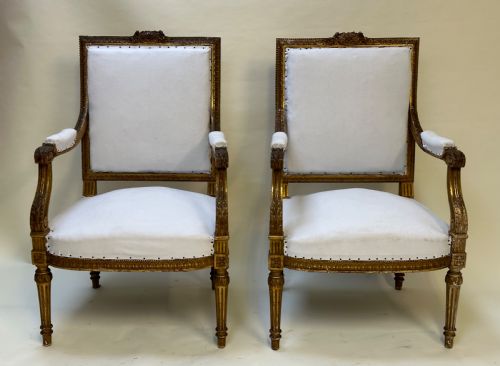
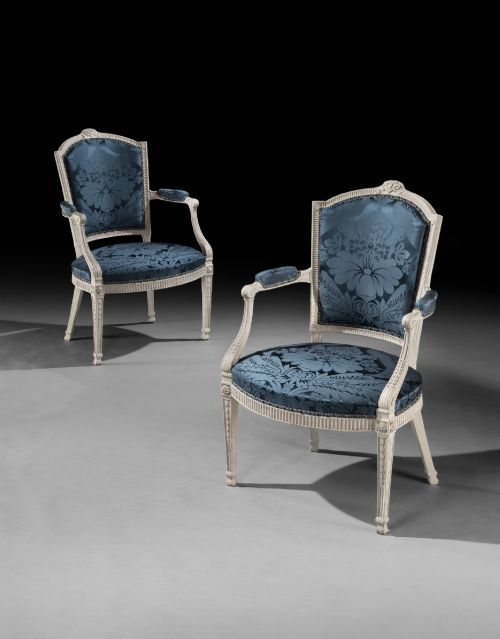
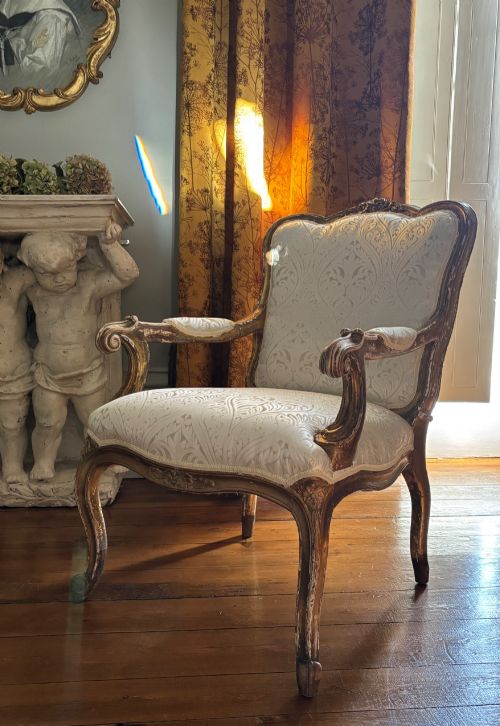
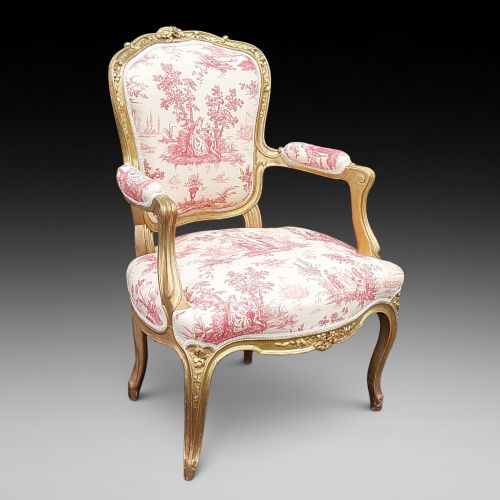
A white upholstered fauteuil search reveals classic open-arm seating spanning the eighteenth century through to the Edwardian era. These pieces draw from French styles including Louis XVI, Louis XV, and Rococo Revival, alongside George III Neoclassical designs.
Buyers will most frequently encounter nineteenth-century painted and giltwood examples alongside pairs from the eighteen-nineties and nineteen-twenties. Walnut and beech frames frequently appear beneath painted or gilded surfaces.
The category encompasses both single armchairs and matched pairs or sets, upholstered in materials like linen, silk damask, and standard damask fabric.
How they were made
Framing relies upon sturdy timbers such as beech and walnut, shaped to form the signature open arms and curved backs of the fauteuil. Woodworkers utilised traditional joinery before finishing surfaces with paint, later paint applications, or giltwood leaf.
Upholstery techniques involve securing textiles like linen and silk damask directly to the padded seats and backs. The marriage of carved wooden frames with textile coverings defines the construction of these chairs across all recorded periods.
Some nineteenth-century makers could not resist giving old chairs a fresh lick of paint to match changing Victorian drawing-room whims.
What varies in quality
The distinction between standard and superior pieces rests upon the crispness of the wood carving and the authenticity of the period surface finish. Original gilding or early painted finishes hold greater distinction than later repaint layers applied during revival periods.
Proportion and structural integrity of the beech or walnut frames dictate the overall calibre of the armchair. Finer examples display balanced proportions and refined detailing inherent to their respective eighteenth or nineteenth-century origins.
Blaise Maucuy
The White Upholstered Fauteuil Glossary
- Giltwood
- Wood that has been coated with gold leaf or thin gold paint. This finish appears frequently on formal revival seating.
- Damask
- A reversible figured fabric woven on a jacquard loom. Silk and standard damask variants provide traditional upholstery for these chairs.
- Rococo Revival
- A nineteenth-century design movement resurrecting the ornate curves of the mid-eighteenth century. Pieces from this era display exuberant carved details.
White Upholstered Fauteuil: Frequently Asked Questions
What is a fauteuil?
A fauteuil is an upholstered armchair with open wooden sides, designed in France during the seventeenth century. The style prioritised comfort while displaying the carved woodwork of the frame.
These chairs served as principal seating in formal rooms and salons. Today, they function as occasional chairs in living spaces and bedrooms.
How do I date a fauteuil?
Dating relies upon examining the timber, the style of the carving, and the construction methods used in the frame. Eighteenth-century pieces display hand-carved details specific to reigns like Louis XVI, whereas later examples show revival characteristics.
Changes in paint layers and upholstery tacks also help determine whether a chair is an eighteenth-century original or a nineteenth-century revival piece.
Are these chairs comfortable?
Fauteuils were designed for relaxed sitting, featuring padded armrests and upholstered backrests. The degree of comfort depends on the internal webbing and padding condition.
Many antique examples retain supportive cushioning suitable for daily use. Others may require professional reupholstery to restore their original comfort level.
How do I style a white fauteuil?
A white upholstered fauteuil complements both traditional and contemporary interiors through its neutral palette and classic silhouette. Pairing a single chair with a modern sofa creates a balanced focal point in a room.
Pairs work effectively placed opposite a fireplace or flanking a console table. The painted or giltwood frames add texture to minimalist or maximalist schemes alike.