

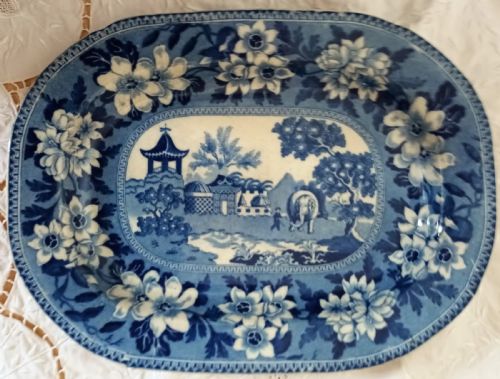
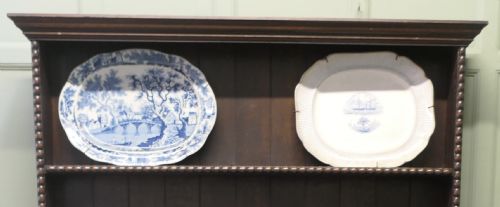
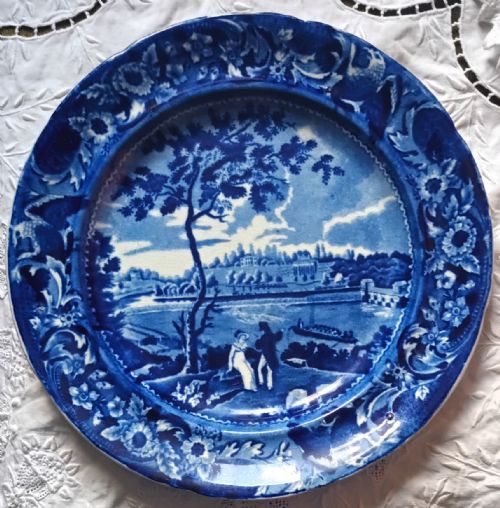


White Transferware Plate
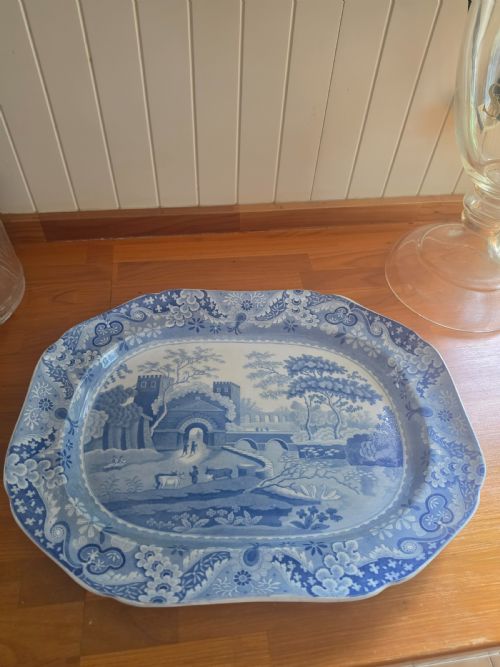
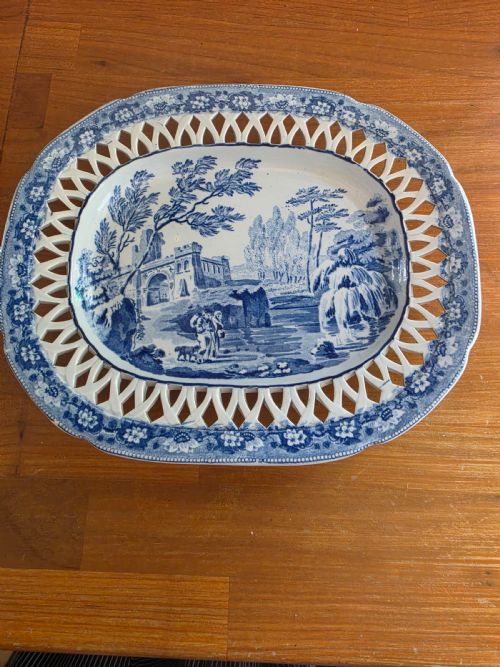
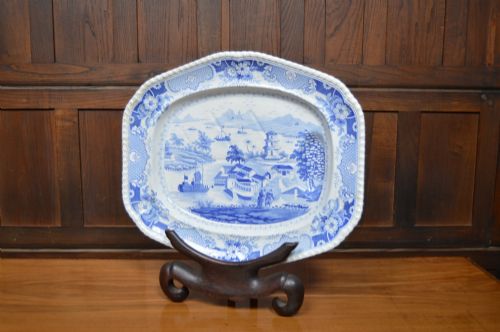
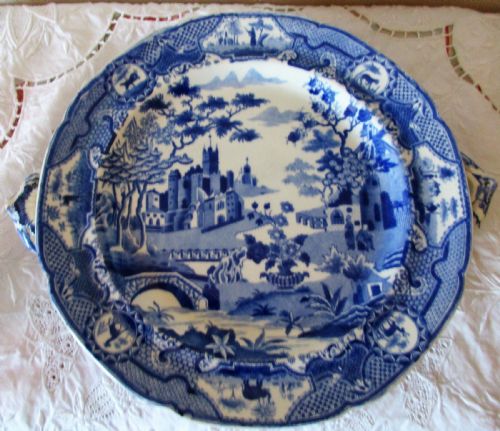
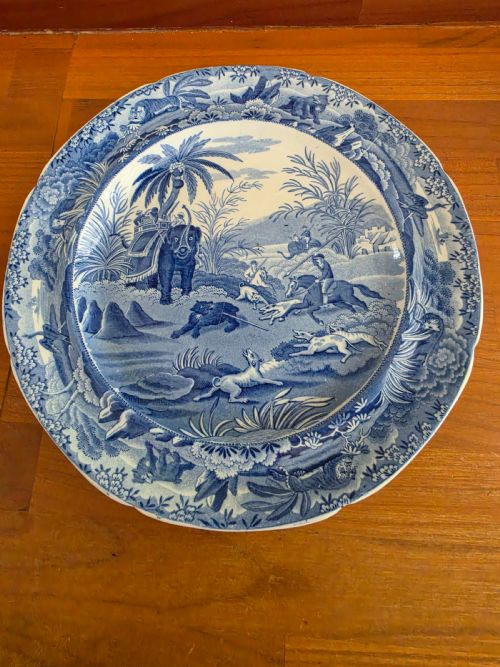
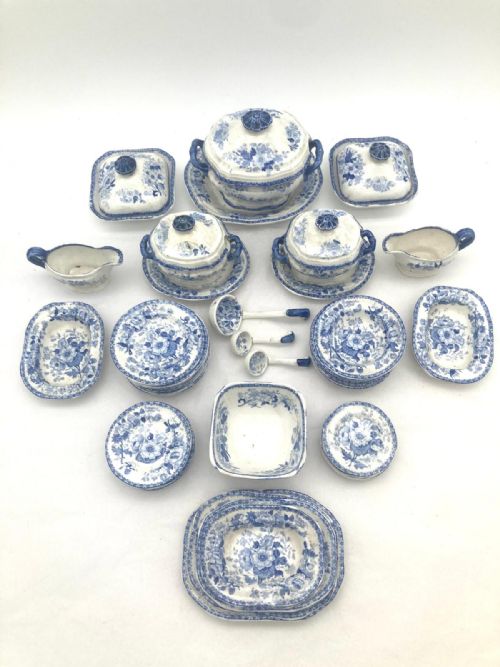
White transferware plate examples display printed pictorial scenes upon earthenware bodies from the nineteenth century.
White Transferware Plate
A white transferware plate is a ceramic vessel decorated through a printed transfer method rather than hand painting. Collectors encounter these items mostly within nineteenth century periods including Georgian, Regency, and Victorian eras.
The objects take forms such as tea plates, meat plates, large chargers, and serving platters. Makers utilise specific patterns ranging from topographical views to Chinoiserie and narrative subjects.
Originating largely from English potteries, these pieces served practical domestic functions at the dining table. Surviving examples demonstrate the shift toward industrial ceramic production during the industrial age.
Production materials and techniques
Potters produced these objects utilising earthenware, pearlware, ironstone, and stoneware bodies covered with a glossy ceramic glaze. The foundational clay received a smooth white or pale surface layer to accept the printed design.
The decoration method involved engraving a copper plate, applying enamel or pigment, and transferring the ink onto tissue paper before pressing it onto the biscuited ceramic. Subsequent firing fixed the printed motif beneath or over the glaze.
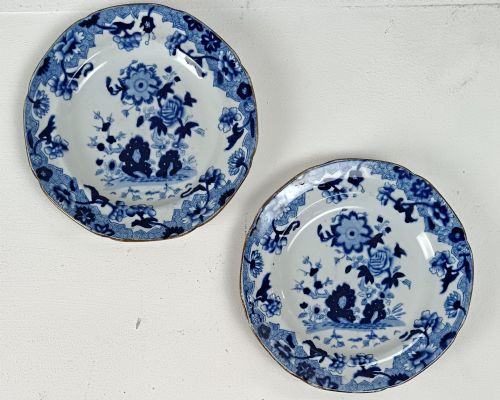
Listings feature earthenware, pearlware, and ironstone bodies decorated with blue transfer prints across the nineteenth century.
Judging the range of quality
Quality differences depend upon the clarity of the transferred print and the precision of the copper engraving. Crisp lines and well-registered details distinguish superior vessels from blurred or smudged prints.
The weight, refinement, and whiteness of the underlying ceramic body also separate standard utility wares from pieces produced by prominent potteries.
Spode·Davenport·John Rogers and Son·Stubbs·Minton·John Ridgway·Caughley·Mason·Copeland and Garrett·Wedgwood·William Adam·Herculaneum
The White Transferware Plate Glossary
- Transferware
- Pottery decorated by transferring a printed design from an engraved copper plate onto the ceramic surface using tissue paper. This technique allowed factories to produce uniform pictorial designs rapidly during the industrial period.
- Pearlware
- A refined earthenware developed in the late eighteenth century featuring a subtle bluish glaze that pooled in recesses to imitate Chinese porcelain. It forms the body of many early nineteenth century items.
- Ironstone
- A heavy, durable type of earthenware patented in the early nineteenth century to resist chipping. It provided a strong surface for large serving platters and heavy use dishes.
- Charger
- A large decorative or serving plate exceeding standard dining dimensions. These pieces often display detailed topographical or narrative transfer prints.
- Chinoiserie
- A European artistic style reflecting Chinese motifs and landscapes. This aesthetic appears frequently on Georgian and Victorian transfer-printed ceramics.
White Transferware Plate: Frequently Asked Questions
What is a white transferware plate?
A white transferware plate is a ceramic dish decorated with a monochrome printed pattern transferred from an engraved metal plate. These items date primarily from the nineteenth century.
Potteries across England produced these vessels in vast quantities using earthenware, pearlware, and ironstone bodies. They feature designs ranging from pastoral scenes to architectural views.
How were these plates used?
Households utilised these plates for daily dining, serving meats, and presenting tea. Larger examples functioned as serving platters or chargers for central table display.
While many served practical domestic purposes, larger decorative pieces also hung on walls or rested on sideboards as ornamental objects.
How do I date a transferware plate?
Dating relies upon examining the ceramic body, the glaze tone, maker marks stamped or printed on the reverse, and the style of the printed border. Early pieces from around 1800 often utilise pearlware bodies with a bluish glaze.
Later Victorian examples tend to feature heavier ironstone bodies and brighter white glazes. Markings can also narrow the production era to specific decades.
Can I use antique plates for dining?
Many collectors prefer to display these plates rather than use them for daily meals to preserve the glaze and transfer print. Gentle hand washing helps protect the antique ceramic surface from modern detergents.
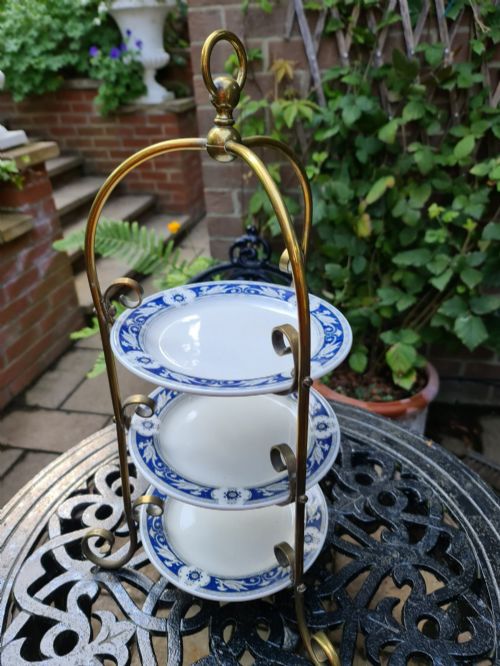
Displaying them on stands or mounting them securely allows you to enjoy the pictorial scenes safely in a home environment.