



White Porcelain Lions
White porcelain lions are modelled ceramic guardian figures bringing centuries of heritage and sculptural presence into a room.
White Porcelain Lions
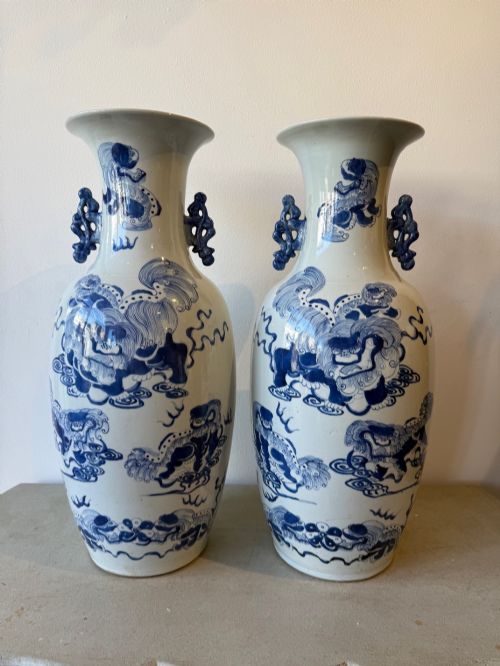
White porcelain lions encompass traditional guardian figures and companion beasts shaped in ceramic across multiple centuries and stylistic traditions. When searching for white porcelain lions, a buyer discovers pieces ranging from early Chinese blanc de chine figures to later Japanese Hirado porcelain guardian lion dogs and European interpretations.
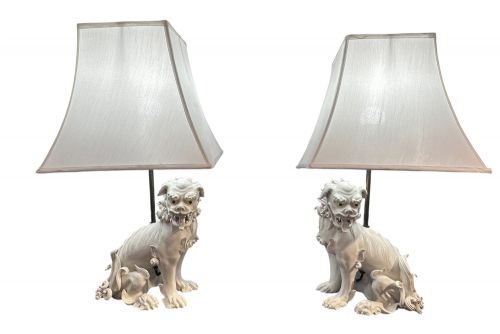
The objects appearing in this category include decorative figurines, temple figures, and lamp conversions derived from these classic forms. These items bridge decorative arts and functional household lighting, reflecting both Eastern export traditions and Western adaptations.
Materials and construction
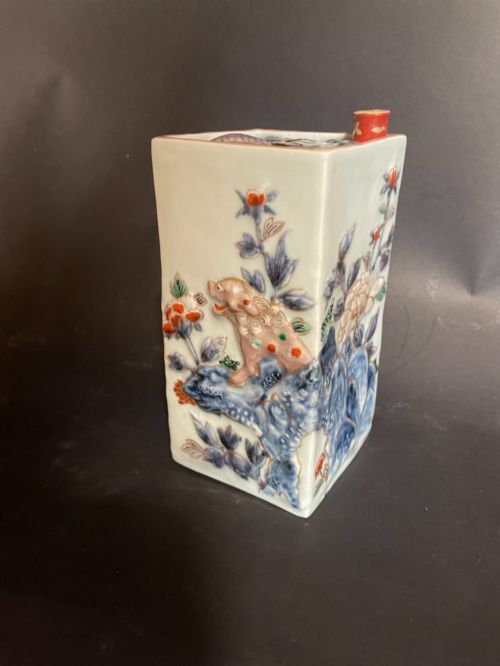
These figures are shaped from fine ceramic materials including porcelain and white blanc de chine clay bodies, often enhanced with enamel, cobalt glaze, or cobalt underglaze painting. Some examples integrate contrasting mounts and fittings in brass and fabric.
Makers shaped the clay by hand or mould before applying fluid glazes that pooled in the recesses of the mane and musculature during firing. The resulting surface varies from crisp, unglazed biscuit porcelain to glossy, translucent finishes.
Guardian lions frequently sport impossibly curly manes and perpetual expressions of fierce astonishment.
Judging quality in ceramic figures
The purity and consistency of the white glaze or the controlled application of underglaze blue and enamel pigments dictate visual depth. Superior examples display a harmonious balance between the sculptural mass of the beast and the subtle translucency of the ceramic body.
The White Porcelain Lions Glossary
- Blanc de Chine
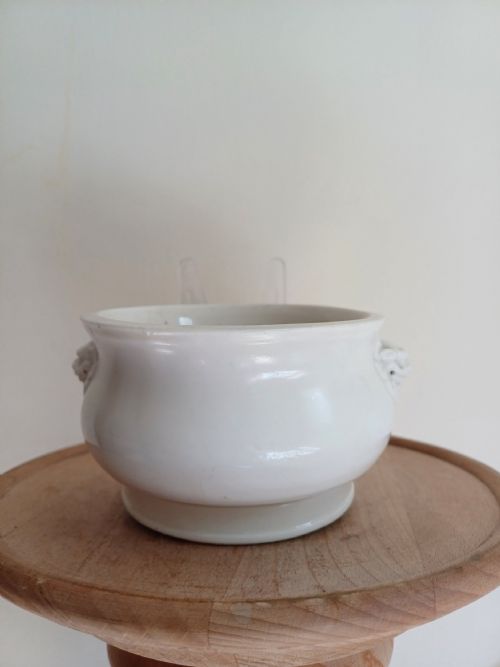
- A pure white Chinese porcelain originating from Dehua, highly prized for its smooth, ivory-toned glaze and sculptural depth.
- Karashishi
- A Japanese term for Chinese guardian lions, often depicted with curling manes and dynamic postures.
- Tokuri
- A traditional Japanese flask or bottle form, frequently associated with early ceramic production.
- Underglaze
- Pigments applied to the raw ceramic body before glazing and firing, protecting the design beneath a glossy glass layer.
- Chinoiserie
- European artistic styles reflecting Chinese motifs and decorative forms, popular across various historical periods.
White Porcelain Lions: Frequently Asked Questions
What are white porcelain lions?
White porcelain lions are sculptural ceramic figures modelled as traditional guardian beasts, sometimes known as foo dogs or shishi. They originate from various Asian and European ceramic traditions, serving as decorative ornaments or protective symbols.
Over the centuries, these figures were adapted into various forms, including lamp bases and mantel ornaments, while retaining their characteristic stance and symbolic presence in interior spaces.
Where were white porcelain lions made?
These figures were produced in diverse ceramic centres, notably in China during the Ming and Qing dynasties, Japan during the Edo and Meiji periods, and later European manufactories.
Each region applied distinct regional clay bodies and glazing techniques, resulting in varied surface textures and stylistic interpretations of the guardian lion motif.
How do I clean white porcelain lions?
Cleaning requires gentle dusting with a soft, dry brush to remove particles from crevices in the mane and surface details. Avoid harsh chemical cleaners that might damage unglazed biscuit porcelain or delicate enamel highlights.
For glazed surfaces, a slightly damp cloth can be used cautiously, followed by thorough drying with a lint-free cloth.
How can I date a porcelain lion?
Dating relies on examining the characteristics of the ceramic body, glaze consistency, base marks, and the specific sculptural style associated with known periods. Early pieces often show distinct potting traits and glaze pooling characteristic of historic kilns.
Comparing the modelling conventions and secondary materials, such as bronze mounts or wiring, helps establish whether a piece belongs to an early period or a later revival.