




White Porcelain Flower Bowl
A white porcelain flower bowl is a decorative vessel for blooms, combining ceramic craft and floral arrangement to elevate a room.
White Porcelain Flower Bowl
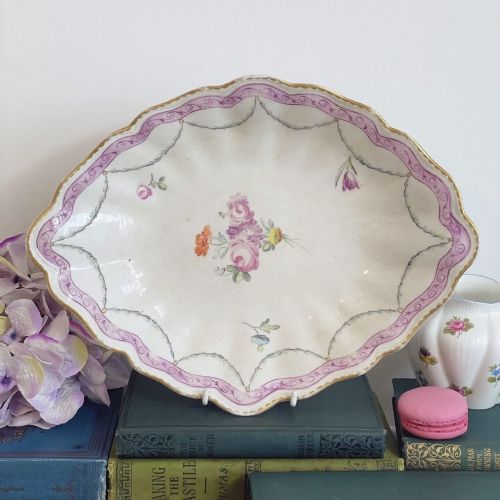
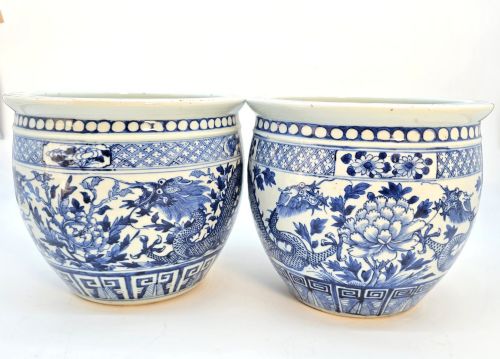
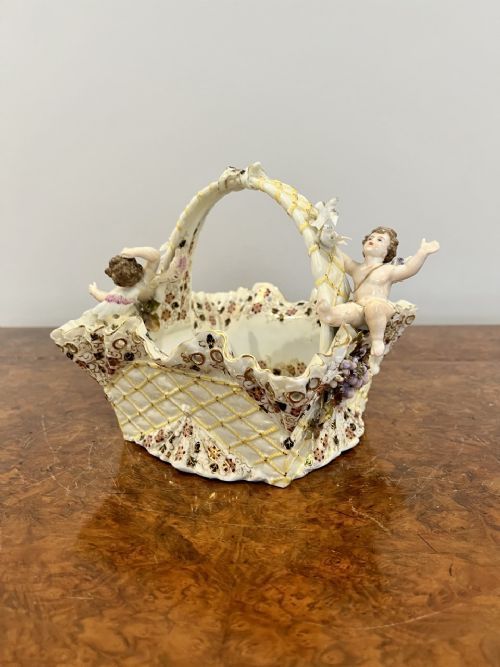
When you search for a white porcelain flower bowl, you encounter a variety of forms designed to hold blooms or grace a table, including jardinieres, baskets, centrepieces, and vases. These pieces span centuries of production, drawing on styles such as Georgian, Victorian, Rococo Revival, and Qing Dynasty aesthetics.
The selections on this page are most frequently represented by Victorian and 18th-century European and Asian traditions. Examples range from Meissen and Rockingham baskets encrusted with flowers to Chinese Export Imari jardinières and Worcester tea bowls.
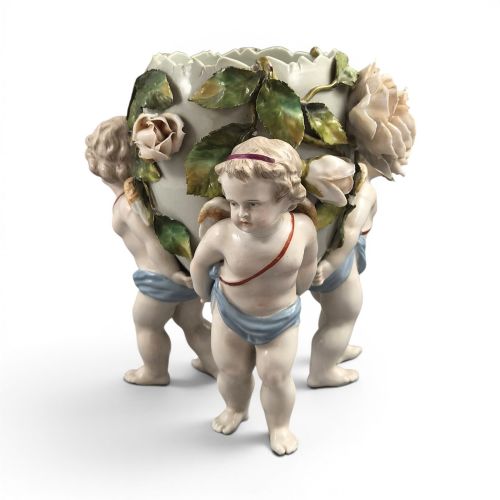
Makers and origins stretch across England, Germany, Japan, and China, reflecting diverse ceramic hubs. A buyer finds everything from modest flower holders to grand musical putti centrepieces.
Materials and construction
The foundational material is hard-paste or standard porcelain, often finished with a clear glaze and enriched with cobalt underglaze, enamel, or gilded elements. Artisans applied handpainted polychrome flowers, landscapes, and birds directly onto the ceramic surface.
Many elaborate forms incorporate applied, three-dimensional porcelain flowers and sculpted figures such as putti or cherubs. Metal mounts, including gilt bronze, occasionally frame or support the ceramic body.
White Porcelain Flower Bowl Retail Price Guide 2026
Typical asking prices for white porcelain flower bowl among the pieces listed under this phrase on Sellingantiques today, from the lower quarter to the upper quarter. They describe what is for sale here now, not the wider market.
Listings feature porcelain, enamel, gold leaf, and cobalt underglaze across periods spanning from 1700 to the early 20th century.
Assessing quality and craftsmanship
Quality rests in the crispness of the porcelain modelling and the finesse of the handpainting. Pieces with finely applied, delicate flowers and detailed brushwork stand apart from simpler iterations.
The sophistication of the glaze work and the precision of the gilding indicate the level of workshop expertise. Well-preserved painted scenes and intact applied details reflect superior original manufacture.
Derby·Meissen·Sitzendorf·Rockingham·Plaue Schierholz·Royal Worcester·Worcester·Samson
The White Porcelain Flower Bowl Glossary
- Jardiniere
- A large ornamental pot or bowl intended for holding plants or flowers. It often sits on a table or directly on the floor.
- Putti
- Depictions of plump, winged infant figures, commonly used as decorative elements in European porcelain sculpture. They frequently appear clambering among applied flowers or playing instruments on centrepieces.
- Imari
- A style of ceramic decoration originating in Japan and widely copied in Europe, typically featuring a palette of cobalt blue, iron red, and gold. It was utilised extensively on export pieces.
- Hard-paste porcelain
- A dense, durable ceramic composition fired at very high temperatures, made from kaolin and petuntse. It forms the robust body of many continental European pieces.
White Porcelain Flower Bowl: Frequently Asked Questions
What is a white porcelain flower bowl used for?
These vessels served primarily to display cut blooms or potted plants within formal interiors and dining spaces. Larger versions functioned as centrepieces for tables or ornamental jardinières for rooms.
They also acted as standalone decorative objects, showcasing intricate ceramic modelling and painted scenes when empty.
How do I identify a Victorian piece?
Victorian examples often display heavy ornamentation, such as applied floral encrustations and Rococo Revival curves. Stylistic markers include romantic landscapes, applied putti, and rich gilding typical of nineteenth-century European factories.
Maker marks and registration numbers, where present, help pinpoint the exact decade of manufacture within the Victorian era.
Are these bowls suitable for actual flowers?
While historically designed to hold blooms or water, antique porcelain requires careful handling. Many collectors prefer to display them dry to preserve fragile applied petals and delicate handpainted surfaces.
If used for water and fresh flowers, one must inspect the vessel for hairline cracks and avoid sudden temperature changes that might stress the historic ceramic.
How do 18th-century bowls differ from later ones?
Eighteenth-century pieces typically exhibit cleaner classical lines or early rococo forms, often featuring handpainted polychrome floral sprays or blue-and-white motifs. The porcelain body and glaze reflect the earlier, developing techniques of European manufactories and Asian export trade.
Later nineteenth-century iterations tend towards greater mass and more exuberant, complex three-dimensional decoration like applied roses and sculptural figures.