






White Porcelain Burner
White porcelain burners gather light and scent, taking forms from cottage pastille burners to Dehua tripods across Georgian, Victorian, and Qing periods.
White Porcelain Burner
A white porcelain burner brings together domestic and ritual vessels designed to diffuse scent or hold fuel, encompassing pastille burners, oil lamps, and censers. When searching for a white porcelain burner, collectors encounter pieces spanning the seventeenth to the twentieth centuries, originating from English factories and Asian kilns alike.
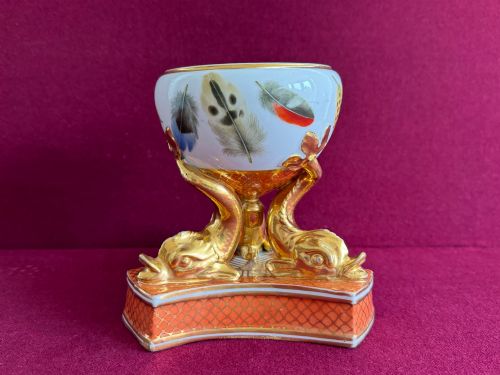
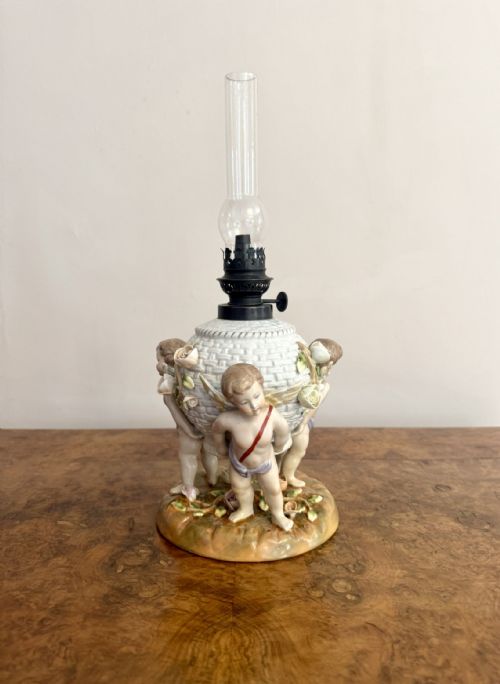
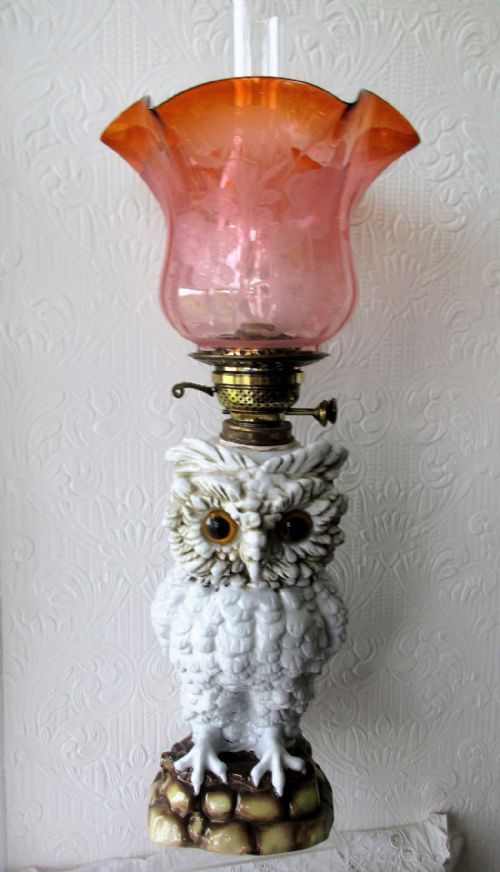
The English examples on this page lean heavily toward Georgian and Regency pastille burners, often modelled as miniature cottages or pommanders by Chamberlain Worcester. Alongside these sit Victorian owl oil lamps and German Sitzendorf lighting pieces, providing domestic utility in white glazed ceramic.
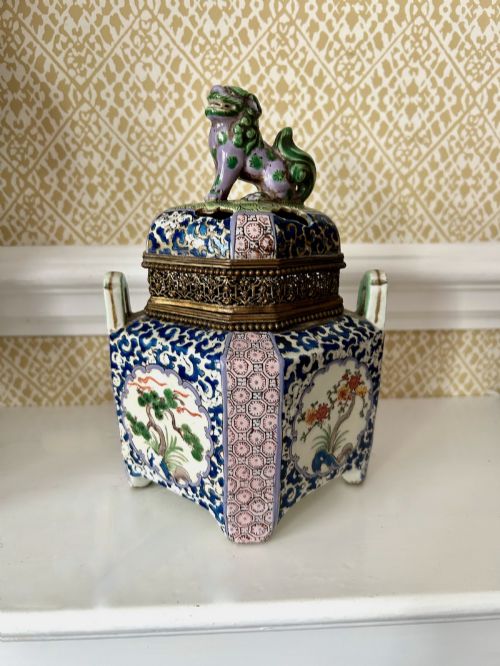
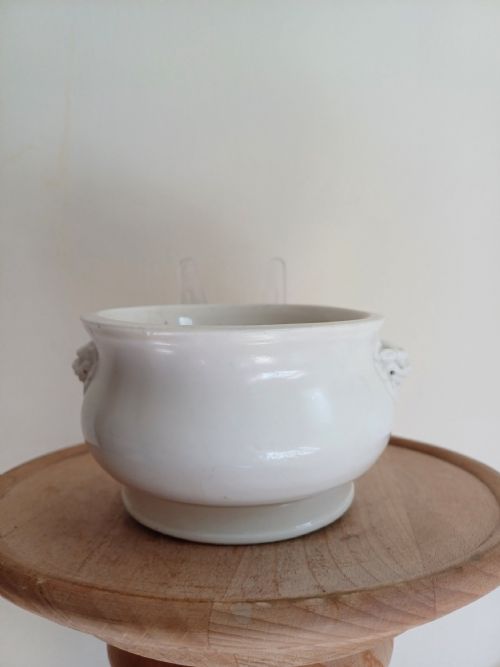
Asian production enters the selection through Chinese Dehua and Japanese Hirado pieces, represented by Blanc de Chine tripod censers and reticulated koros with sculpted dragons. These diverse objects share a pale ceramic body, yet diverge sharply in purpose between European room scenting and Asian ritual incense burning.
Materials and construction
The material foundation rests upon hard-paste and soft-paste ceramic bodies, frequently finished with clear lead or feldspathic glaze to create the characteristic white surface. Dehua kilns achieved a distinct creamy Blanc de Chine effect by firing porcelain with high potassium oxide and low iron content.
Moulding and hand-sculpting combined in the creation of these vessels, visible in the reticulated panels of Japanese Meiji pieces and the architectural details of English cottage pastille burners. Artisans applied cobalt blue glaze accents or gilding to specific elements, highlighting raised relief work on tripod censers and lamp bodies.
White Porcelain Burner Retail Price Guide 2026
Typical asking prices for white porcelain burner among the pieces listed under this phrase on Sellingantiques today, from the lower quarter to the upper quarter. They describe what is for sale here now, not the wider market.
Several Victorian white porcelain owls stand ready to illuminate the room through oil lamp burners.
Assessing quality and execution
The application of glaze and any secondary decoration dictates visual success, where an even, unblemished white surface allows the contours of the form to register clearly. Early Chinese censers and Chamberlain Worcester pastille burners achieve distinction through balanced proportions and purposeful weight in the hand.
Chamberlain Worcester·Sitzendorf
The White Porcelain Burner Glossary
- Blanc de Chine
- A French term for white Chinese porcelain made at Dehua, prized for its creamy ivory glaze and smooth vitrified body. It frequently appears on seventeenth and eighteenth-century tripod censers.
- Pastille burner
- A small domestic vessel designed to slowly vaporise scented paste or pastilles, releasing fragrance into a room. Georgian English examples often take whimsical architectural forms like thatched cottages.
- Koro
- A Japanese incense burner, typically featuring a fitted cover and supported on legs. These vessels often showcase intricate reticulated work and sculptural animal motifs from the Meiji period.
- Tripod censer
- A bowl or vessel raised on three feet, utilised for burning incense in ritual or scholarly contexts. Qing dynasty examples in white porcelain frequently draw inspiration from ancient bronze shapes.
- Pommander
- A container holding aromatic substances to freshen the air or mask unpleasant odours. Eighteen-century ceramic versions employ pierced lids to let scent disperse gradually.
White Porcelain Burner: Frequently Asked Questions
What is a white porcelain burner used for?
These vessels served various functions, from diffusing fragrant pastilles in Georgian sitting rooms to burning incense during Asian rituals. Others, like the oil lamps, provided interior illumination through a wick fed by oil.
Over time, many of these objects transitioned from active utility items to decorative cabinet pieces, prized for their sculptural qualities and historic manufacture.
How do I distinguish English pastille burners from Asian censers?
English pieces from this category generally date to the Georgian and Regency eras, frequently taking domestic or whimsical shapes like cottages and animals. They reflect European interior tastes of the early nineteenth century.
Asian pieces, by contrast, typically follow traditional ritual vessel forms such as tripod censers or handled koros. Their aesthetic relies on subtle glaze tones and modelled motifs like dragons or bamboo rather than painted architectural details.
What period do most white porcelain burners come from?
The listings span several centuries, starting from seventeenth-century Chinese kilns through to the Georgian, Victorian, and Meiji periods. Each era brought distinct manufacturing techniques and stylistic priorities to the white ceramic medium.
Early pieces often display the warm ivory tones of Dehua porcelain, while later nineteenth-century examples include European oil lamps and intricate Japanese reticulated work.