

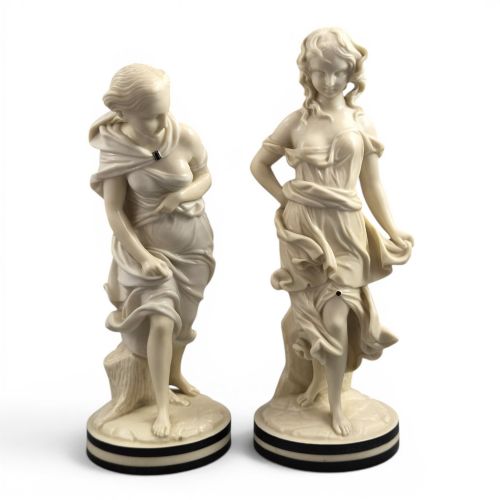


White Parian Statue
White parian statue examples capture the refined realism of the Victorian era through unglazed porcelain modelled after classic marble.
White Parian Statue
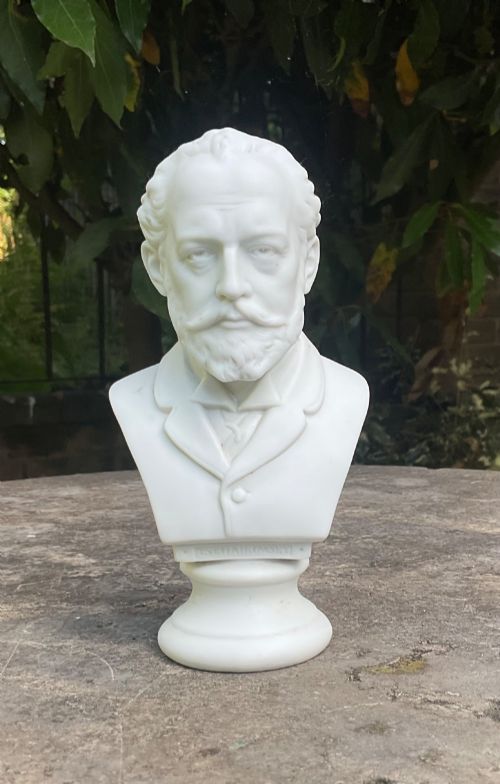
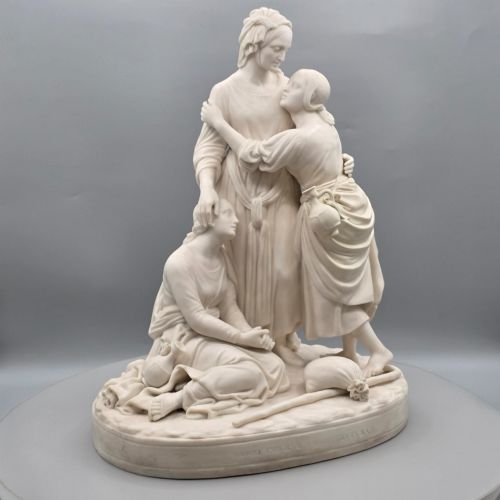
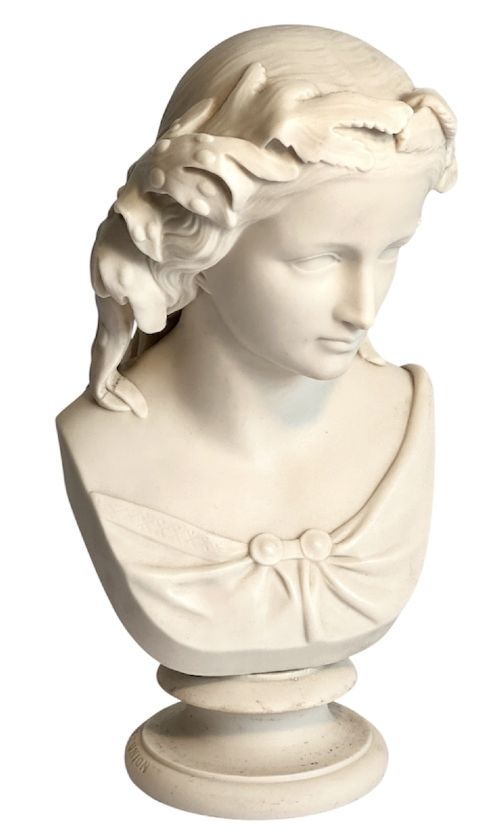
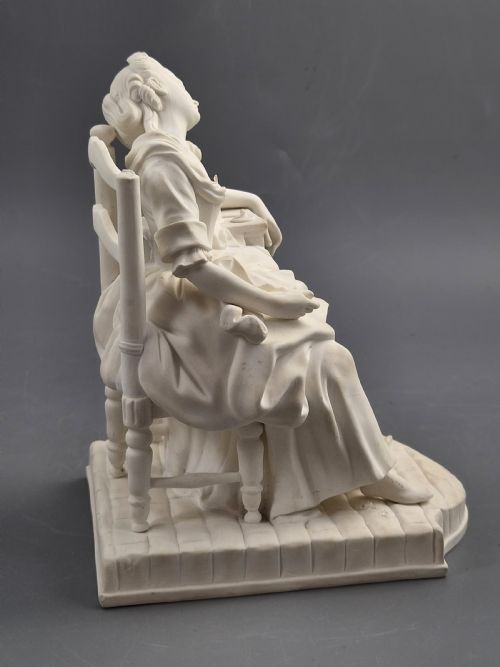
A white parian statue represents the sculptural ambitions of nineteenth-century ceramic art, taking the form of classical figures, literary heroines, historical busts, and animal studies. These pieces translate marble prototypes into a matt ceramic medium designed to mimic carved stone for domestic display.
The objects seen here span the Victorian period, originating from English factories and continental makers working in neoclassical and Victorian styles. Common formats include single statuettes, figural groups, portrait busts, and pairs depicting allegorical or sentimental subjects.
Buyers encounter everything from large-scale studies after renowned sculptors to modest decorative figures of women, children, and animals. The material gives these nineteenth-century works a distinct uniform pallor that sets them apart from glossy glazed porcelain.
Materials and manufacture
Makers create these pieces using parian porcelain, also known as biscuit or bisque porcelain, which is fired without a glaze to produce a textured, stone-like surface. This ceramic body contains a high proportion of feldspar that vitrifies during firing, giving the finished sculpture its characteristic density and creamy matte finish.
Production relies on detailed slip casting in multiple moulds to capture the fine drapery, facial expressions, and ornamentation associated with neoclassical and Victorian design. Skilled modellers then retouch the raw pieces by hand before firing to ensure crisp lines on hair, clothing, and accessory details.
Even hunting dogs and resting soldiers found themselves immortalised in matte white porcelain during the Victorian craze for stone-effect figures.
Evaluating quality and execution
The ambition of the composition dictates the standing of the piece, distinguishing standard decorative ornaments from large-scale sculptural studies after known artists. Superior works demonstrate careful finishing that conceals mould seams and preserves the tactile quality of carved marble.
Sèvres·Minton·Copeland·Royal Worcester
The White Parian Statue Glossary
- Parian ware
- A type of fine unglazed porcelain developed in the nineteenth century to imitate white marble. It is named after Parian marble from the Greek island of Paros.
- Bisque porcelain
- Unglazed ceramic fired once to create a porous, matte surface suitable for detailed sculptural work. It is often used interchangeably with biscuit porcelain in nineteenth-century descriptions.
- Neoclassical
- A style inspired by the art and architecture of classical antiquity, emphasising restraint, classical drapery, and heroic or mythological subjects. It heavily influenced Victorian sculpture.
- Statuary figure
- A three-dimensional sculptural representation of a human or animal subject produced in ceramic materials. These pieces range from small tabletop ornaments to large cabinet works.
White Parian Statue: Frequently Asked Questions
How do you clean a white parian statue?
Because the surface is unglazed and slightly porous, cleaning requires gentle methods using a soft dry brush or a slightly damp cloth without harsh detergents.
Soaking or using abrasive cleaners can damage the matte texture and trap dirt within the fine pores of the ceramic body.
When were these statues made?
The examples on this page date primarily from the nineteenth century, spanning the Victorian era from the eighteen-forties through to nineteen hundred.
This period marked the height of parian porcelain production in European factories responding to a widespread demand for classical sculpture in domestic interiors.
Are these pieces copies of larger sculptures?
Many nineteenth-century parian figures and busts were smaller reductions of famous marble sculptures by contemporary or classical artists, made accessible for home collectors.
Manufacturers often credited the original sculptor or source in the title or impressed marks on the base of the piece.