


White Metal Bed Frame
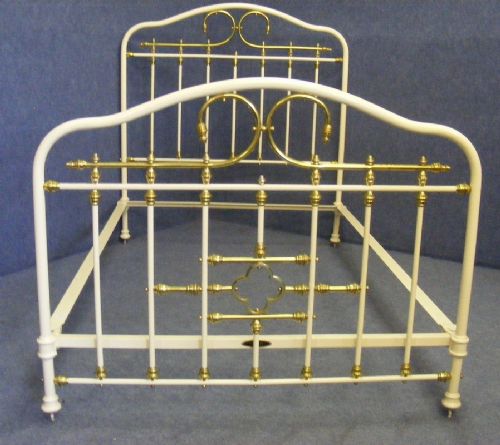
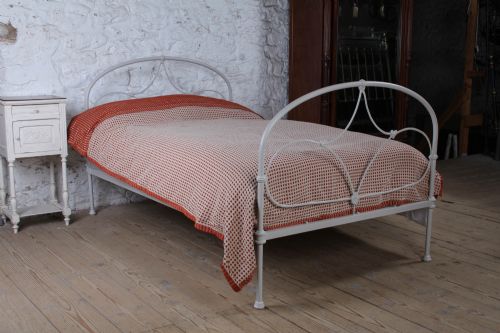
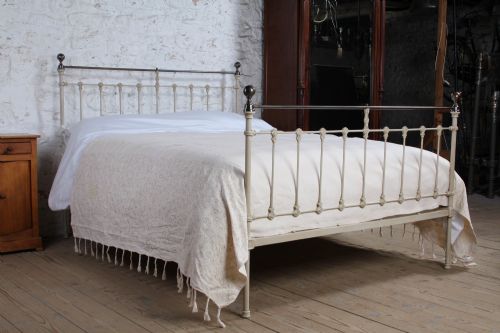
A white metal bed frame offers sturdy construction and period character, bringing traditional metalwork and classic Victorian design directly into the bedroom.
White Metal Bed Frame
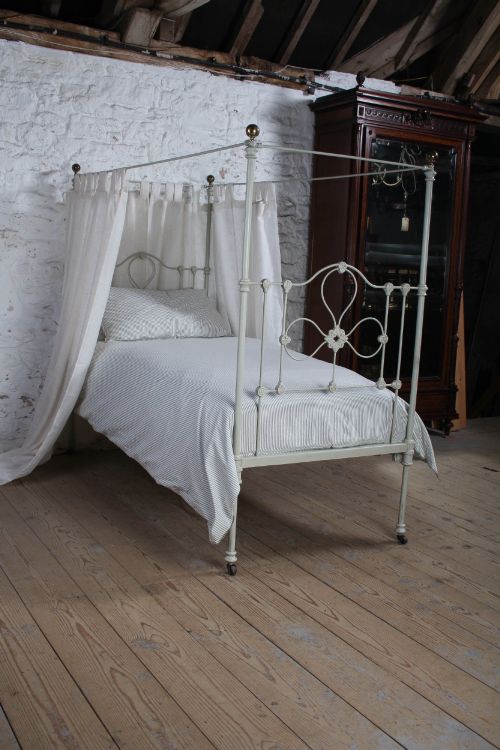
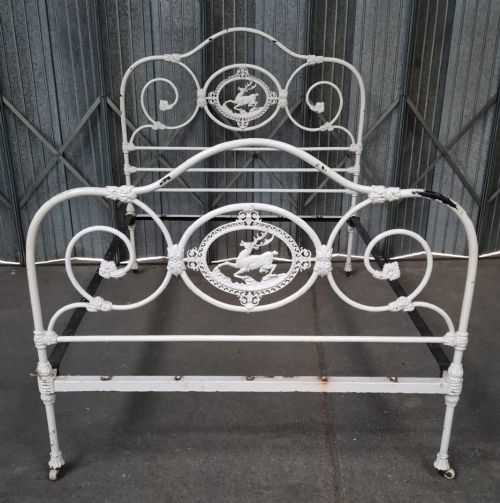
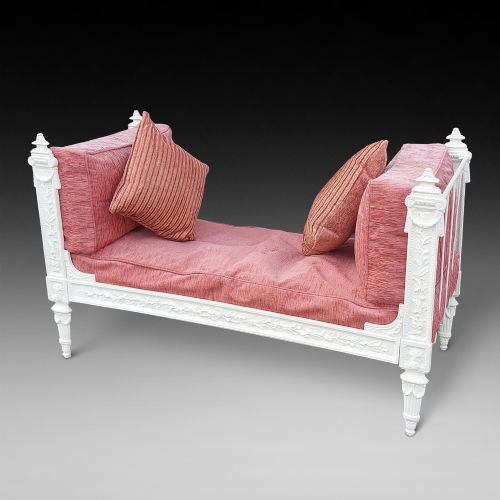
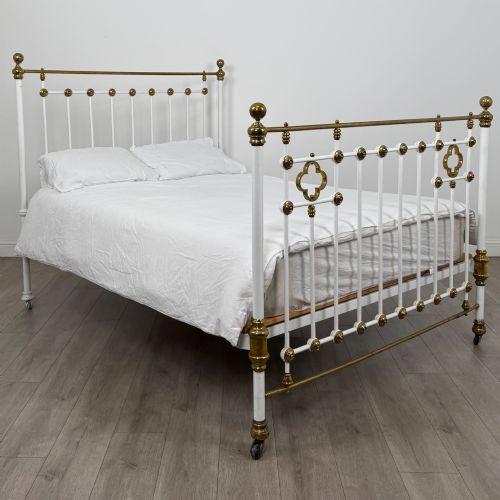
A white metal bed frame is a practical and decorative piece of bedroom furniture, typically combining structural iron with polished brass or painted finishes. When searching for a white metal bed frame, buyers encounter various historical configurations spanning the Victorian era, including single beds, double sizes, king size proportions, and daybeds.
The examples available range from compact single versions and child's cots to grand super king sizes and half tester frames. Many items originate from the nineteenth century, encompassing specific periods such as 1850, 1870, 1880, 1890, and 1900.
Design styles vary across these pieces, featuring standard Victorian forms alongside French Country, Celtic Revival, and Rustic European influences. Certain listings include pairs of single beds designed to join together or unique no-end configurations.
Materials and Construction
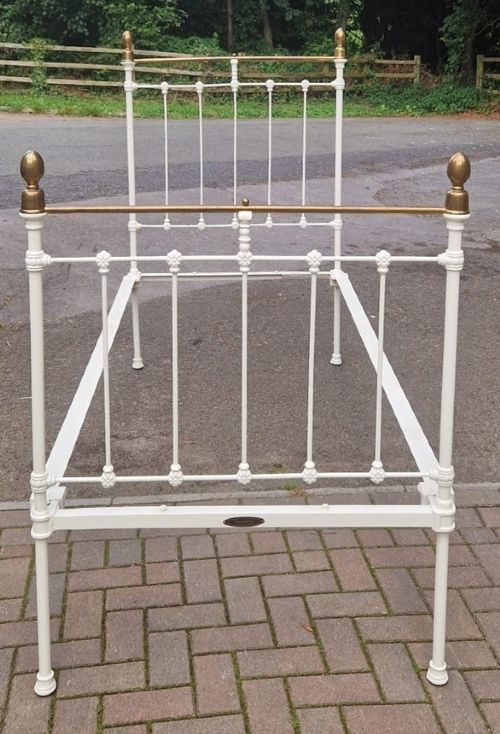
These bed frames rely primarily on cast iron, wrought iron, and forged iron for their robust load-bearing structures. Makers integrated brass components, such as top rails and knobs, to create a contrasting decorative accent against the dark or painted ironwork.
Surface finishes typically involve applied paint or ivory coatings over the base metal to achieve the characteristic white or light appearance. Traditional joining methods and heavy-duty metal casting ensure the structural longevity of these antique bed frames.
The current selection spans multiple decades of the nineteenth century, featuring materials such as cast iron, forged iron, and polished brass.
Assessing Quality and Craftsmanship
Quality in these bed frames resides in the crispness of the iron castings and the substantial weight of the materials used. Superior examples display refined decorative brass detailing, well-proportioned framing, and original painted or patinated surfaces that reflect nineteenth-century workmanship.
The integrity of the structural joints and the precision of the assembly mechanisms determine how well a historical frame adapts to modern use. Pieces featuring distinctive stylistic elements, such as half testers or specialised Celtic and French regional designs, generally demonstrate greater design ambition.
The White Metal Bed Frame Glossary
- Bedstead
- A framework of a bed upon which the mattress is supported. This term is frequently used interchangeably with bed frame in nineteenth-century listings.
- Cast iron
- Iron that has been poured into a mould in a molten state to create rigid structural and decorative components. It provides the heavy base for many Victorian frames.
- Wrought iron
- Iron that is beaten or forged into shape by hand, offering high tensile strength and flexibility. It appears alongside cast elements in traditional bed construction.
- Half tester
- A bed with a partial canopy projecting from the headboard over the upper portion of the mattress. This style creates a pronounced focal point in larger bedrooms.
- Daybed
- A piece of furniture serving as both a sofa and a bed, often utilised in sitting rooms or studies. Victorian examples typically feature raised ends for reclining.
White Metal Bed Frame: Frequently Asked Questions
How do I choose the right size?
Consider the available floor space and mattress requirements in your room. Listings range from single and small double formats up to king size and super king proportions.
Note that historical dimensions can occasionally differ from modern standard mattress sizes. Checking the specific width and length measurements provided in each listing ensures a proper fit.
Can these beds hold modern mattresses?
Most antique metal frames accommodate standard modern mattresses with appropriate support slats or bases. Many pieces offer robust iron construction capable of supporting contemporary weight distributions.
It is advisable to check the internal dimensions and depth of the frame before purchasing a mattress. Some configurations, such as no-end beds, provide more flexibility for mattress length.
How do I assemble an antique bed?
Victorian metal beds typically utilise tapered slot-in side rails that lock into the headboard and footboard posts without complex fixings. This wedge-and-socket design allows the frame to be dismantled easily for transport and reassembled on site.
Ensure the frame is squared correctly during assembly to maintain structural stability. Using a rubber mallet gently can help seat traditional iron joints securely into their housings.
How do I date these iron beds?
Dating relies on stylistic indicators, construction techniques, and period markers noted in the description. Victorian pieces often feature registration marks, specific brass mount styles, or characteristic casting patterns associated with the nineteenth century.
Comparing the decorative motifs, such as Celtic Revival elements or specific ironwork profiles, helps narrow down the production era. Most surviving examples date from between the mid-nineteenth century and 1900.