

White Marble Topped Table
A white marble topped table brings a cool, enduring stone surface to a room, spanning grand console designs and sturdy bistro pieces.
White Marble Topped Table
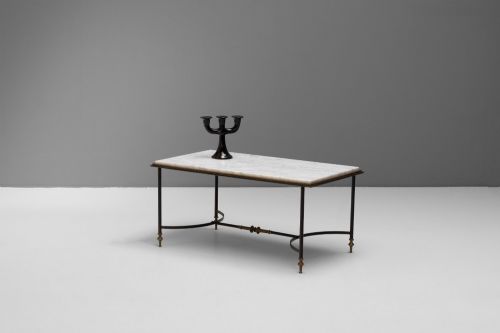
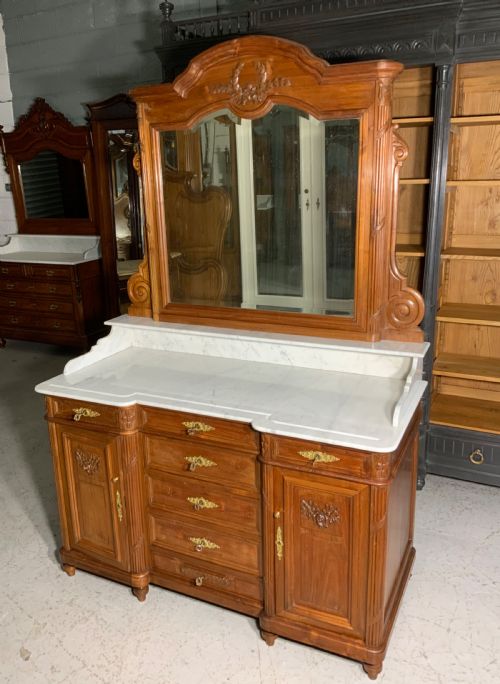
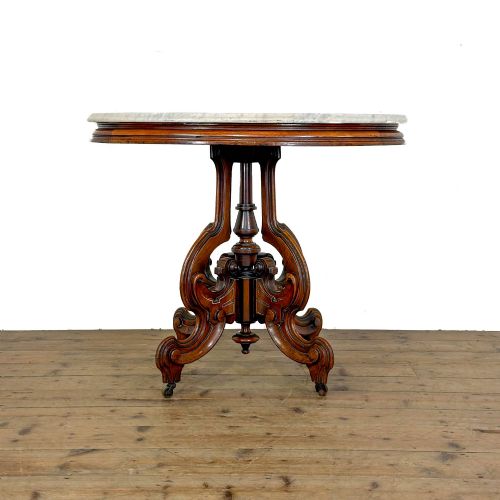
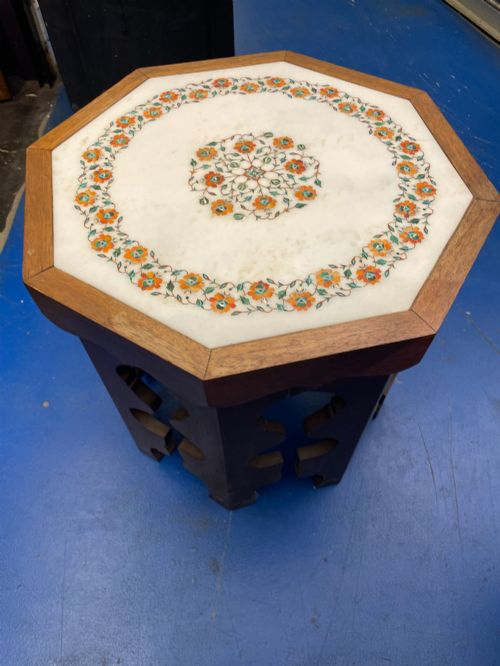
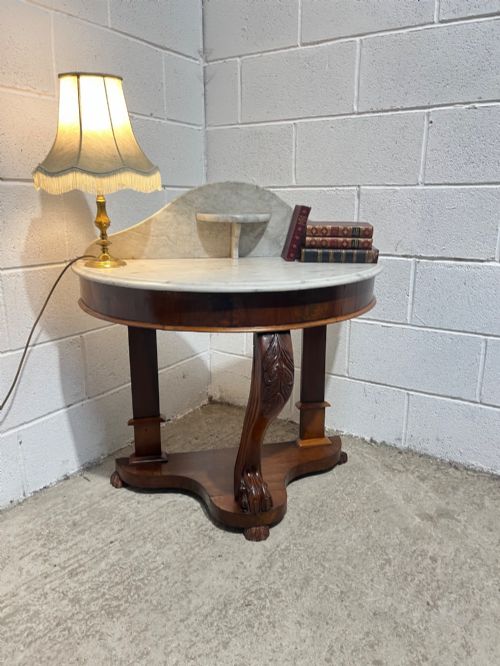
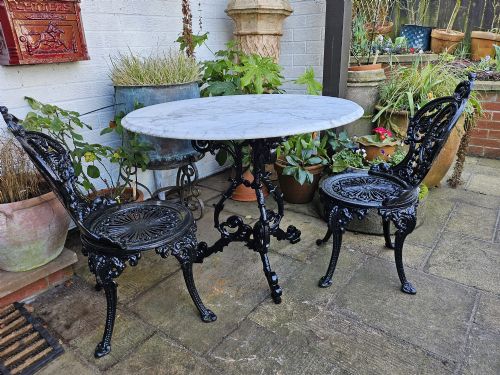
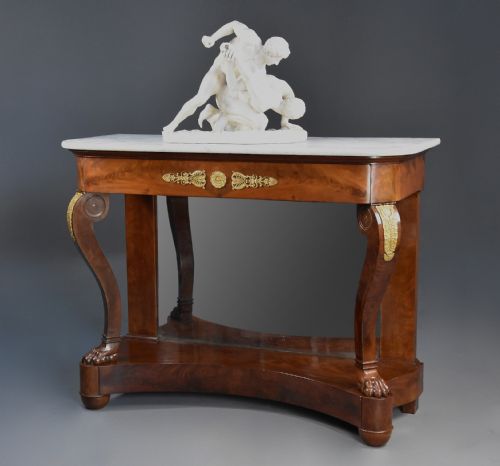
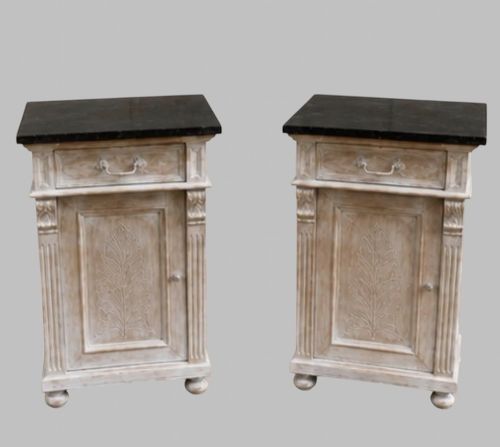
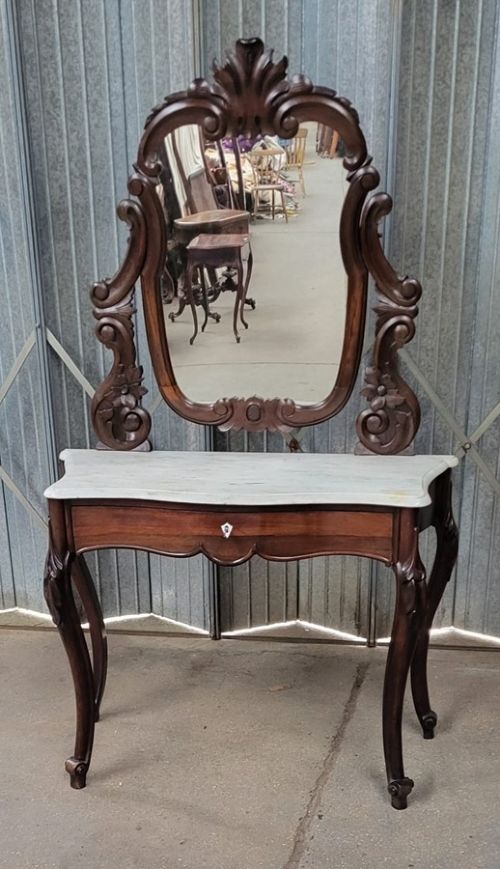
A white marble topped table serves multiple domestic functions across periods ranging from the eighteenth century to the early twentieth century. Buyers seeking a white marble topped table encounter console tables, side tables, bedside cabinets, bistro pieces, and washstands designed for diverse interior settings.
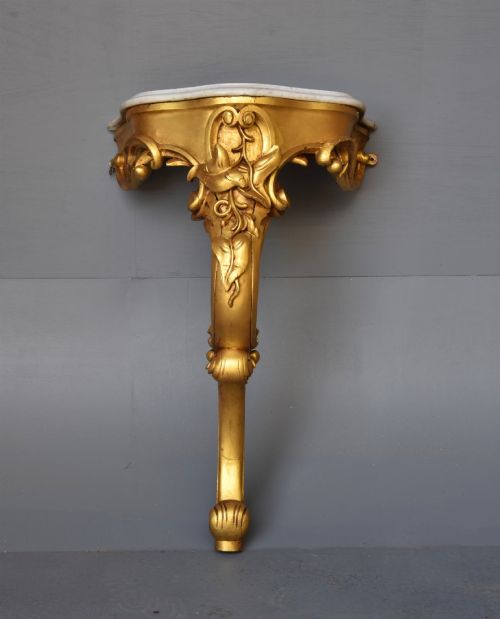
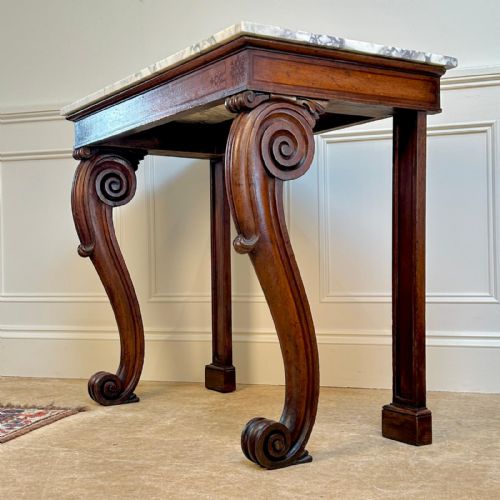
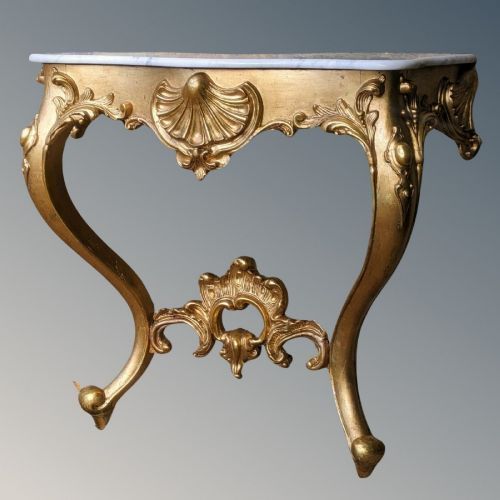
The selection includes substantial Victorian mahogany and giltwood consoles alongside lighter French cafe tables and garden pieces cast in iron. Origins span English workshops, French provincial sources, and Italian makers, offering varied architectural silhouettes from baroque curves to clean neoclassical lines.
Most examples date from the nineteenth century, reflecting a period when stone tops provided durable, heat-resistant surfaces for washing stands, food preparation, and formal display. These objects combine stone slabs with wooden bases in mahogany, oak, walnut, and painted pine, or support them on metal frames.
Materials and construction methods
Makers paired heavy white marble slabs with structural frames of mahogany, walnut, oak, and pine, often enhancing the timber with gesso, gilding, or painted finishes. Metal elements appear in cast iron for garden and cafe tables, alongside ormolu mounts on finer console tables.
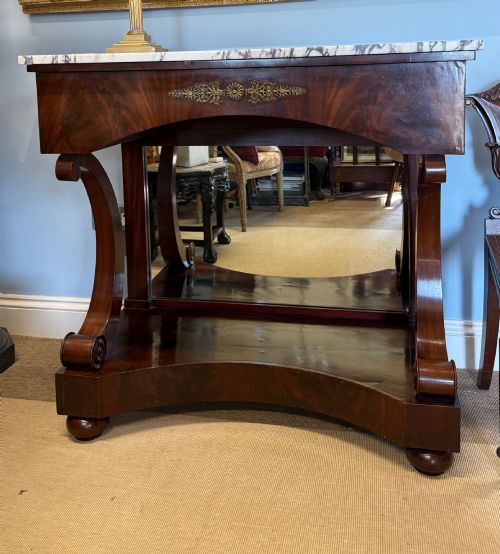
Cabinetmakers secured the heavy stone tops to wooden bases using traditional joinery, sometimes incorporating mirror backs, lower shelves, or drawers fitted with brass hardware. Stone edges were shaped with simple bevels or elaborate moulding depending on the formality of the furniture form.
Materials paired with the stone include cast iron, giltwood, mahogany, and painted pine across multiple centuries.
Distinctions in craftsmanship and materials
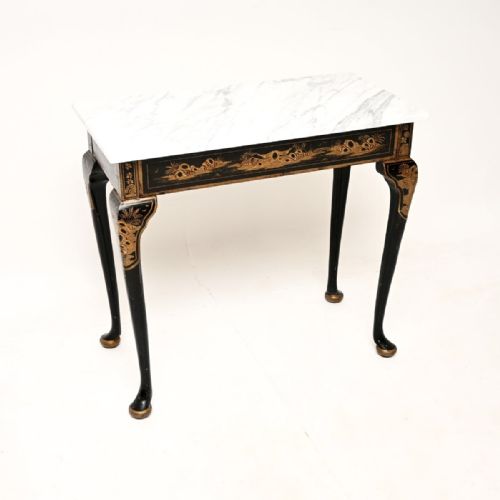
Quality rests in the harmony between the stone top and the supporting frame, where dense, finely figured marble meets precise timber joinery or crisp metal casting. Finer examples display hand-carved giltwood, ormolu mounts, or intricate lacquered chinoiserie rather than plain painted surfaces.
The integrity of the marble itself, the depth of the wood grain, and the preservation of original surface finishes separate standard utility pieces from exceptional salon and console tables produced during the Victorian and Regency periods.
Maples
The White Marble Topped Table Glossary
- Console table
- A table designed to stand against a wall, frequently secured to it with brackets or resting on front legs. These tables often feature elaborate carved frames and marble surfaces suitable for grand reception rooms.
- Gueridon
- A small round table on a single central pillar or tripod base, originating in France. They frequently incorporate marble tops and serve as lamp or display tables.
- Washstand
- A piece of furniture built to hold a basin and jug for personal washing, commonly fitted with a marble top to resist water damage. Victorian examples often include tiled splashbacks.
- Ormolu
- Gilded bronze mounts applied to furniture for decoration, seen on finer neoclassical and Louis XVI style console tables. The technique involves applying a gold amalgam to bronze.
White Marble Topped Table: Frequently Asked Questions
How do I clean a white marble topped table?
Use a soft cloth dampened with warm water and a mild, pH-neutral soap to wipe the surface gently. Avoid acidic cleaners, vinegar, or citrus substances that etch or dull the stone polish.
Dry the marble thoroughly with a clean towel to prevent water spots. Routine wiping preserves the smooth finish without harming the historic material.
Were these tables used outdoors?
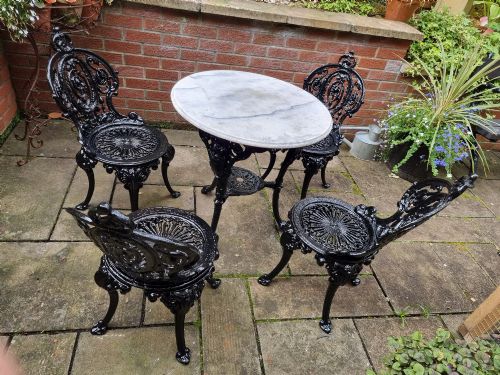
Certain variations featuring cast iron frames and robust stone slabs were designed for garden or cafe terrace use. Iron and stone withstand exposure better than polished indoor cabinet timbers.
Indoor console and bedside versions utilise delicate mahogany, giltwood, or painted finishes requiring protection from moisture and direct weather exposure.
Can I place hot items on the marble?
While stone resists heat better than wood, extreme temperature shifts can still thermal shock or crack vulnerable marble slabs. Using mats or coasters protects both the polish and the historic integrity of the stone.
Certain antique marbles have older repairs or internal fissures that make them sensitive to thermal stress.