


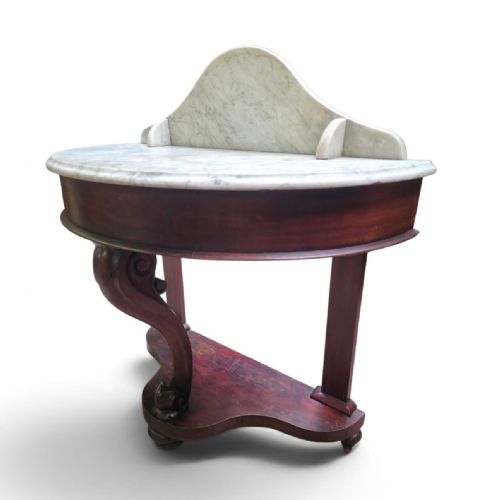
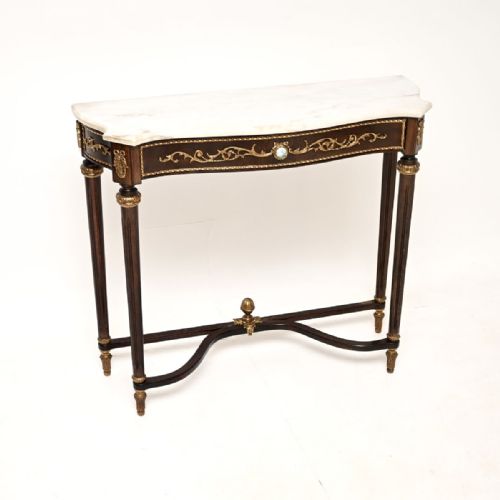
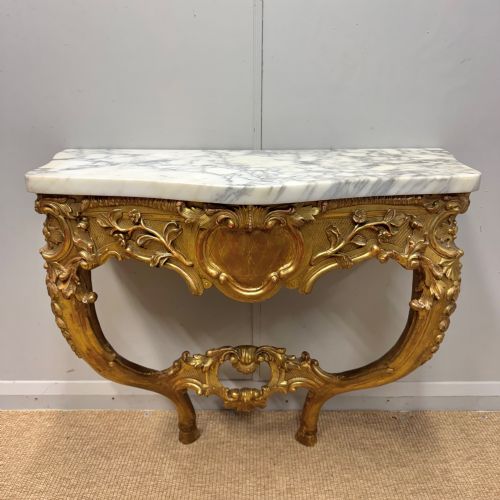
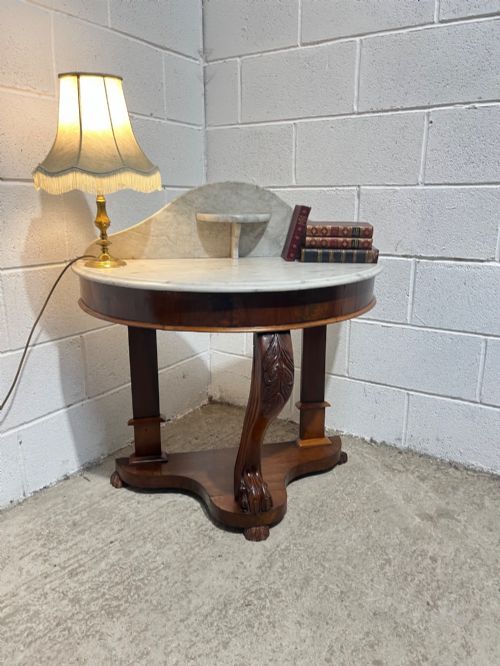
White Marble Console Table
A white marble console table brings a crisp, cool surface and substantial weight to an interior, drawing the eye with classic stone and timber.
White Marble Console Table
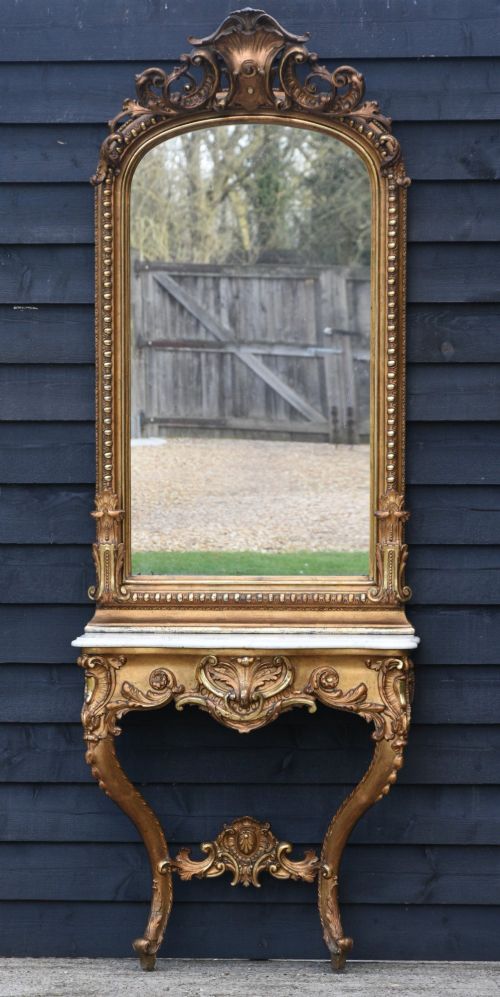
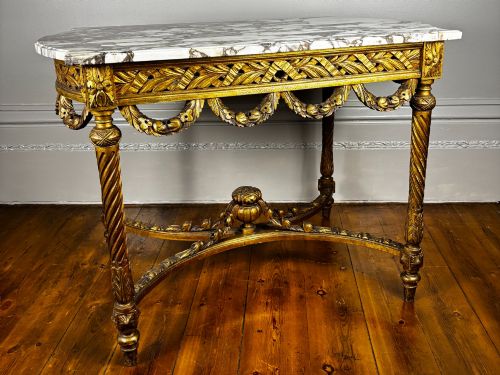
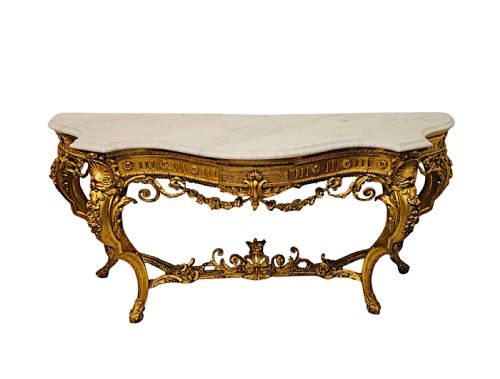
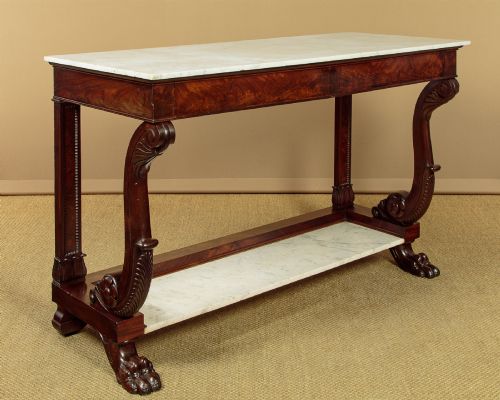
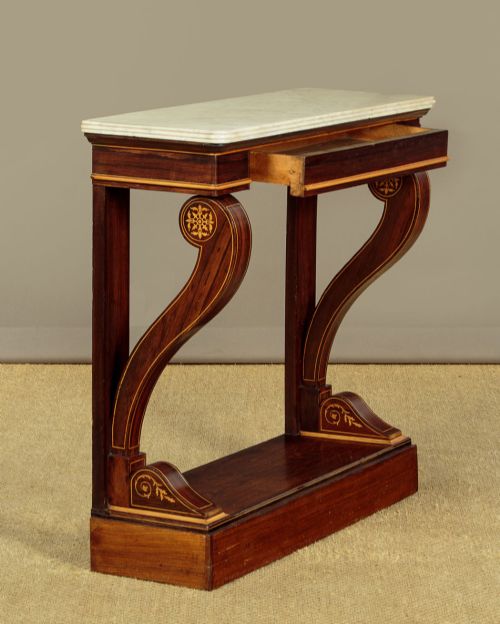
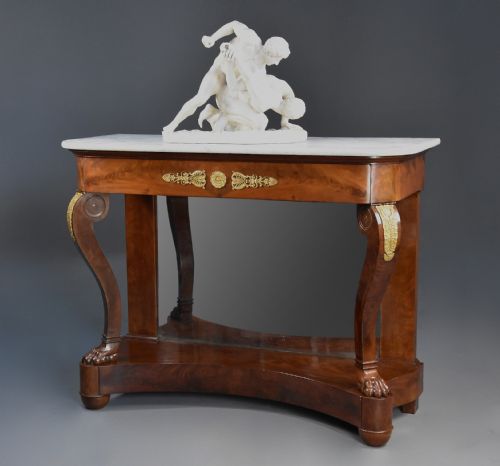
When hunting for a white marble console table, you are looking at substantial wall-against furniture pieces that bridge the gap between utility and display. The selection spans the eighteenth, nineteenth, and early twentieth centuries, drawing heavily on French, Victorian, and Regency design idioms.
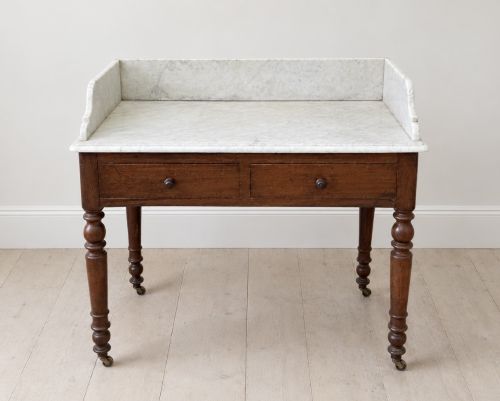
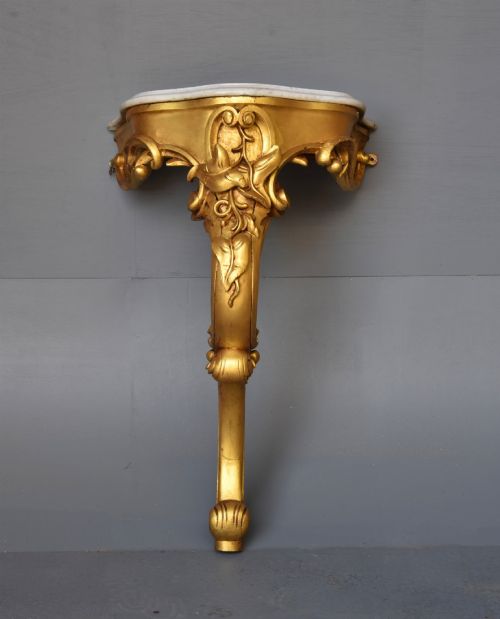
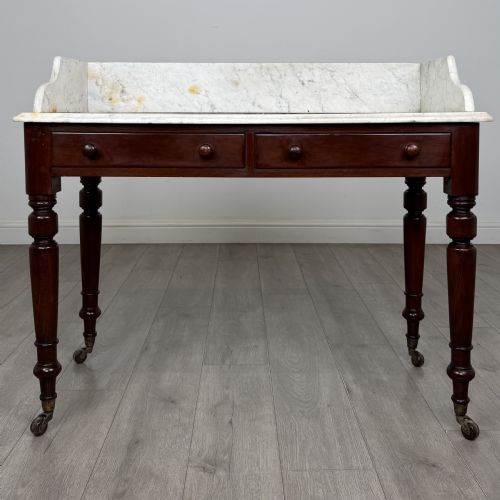
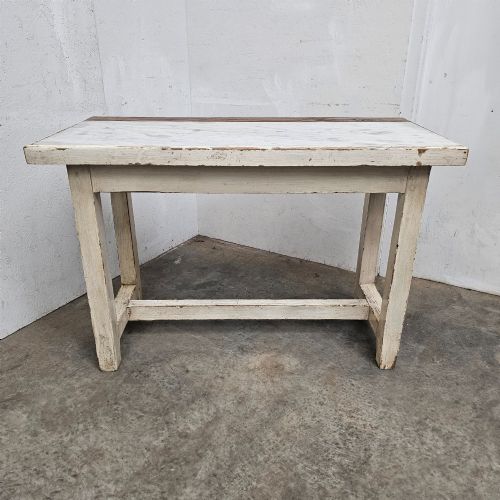
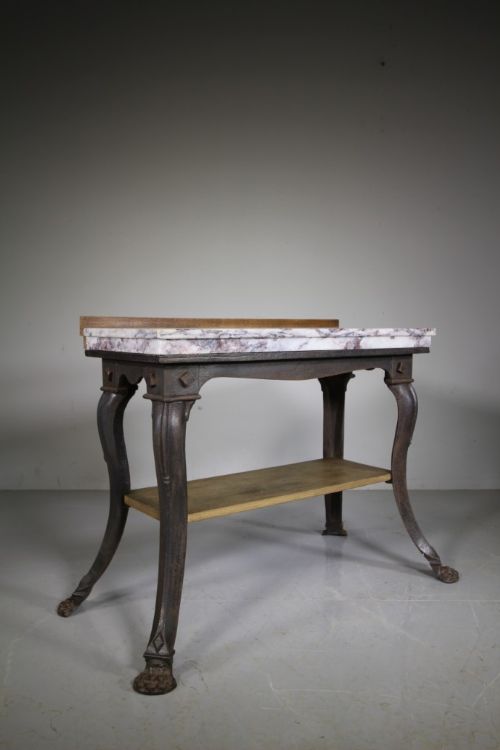
You will frequently encounter formats ranging from carved giltwood and mahogany frameworks to painted pine and cast iron garden supports. Alongside dedicated console tables, the inventory incorporates side tables, washstands, and prep tables that share the characteristic stone surface.
Origins stretch across English, French, Italian, and Swedish workshops, displaying diverse regional tastes from restrained classical lines to ornate rococo curves. The unifying element across these diverse forms remains the heavy stone slab inset or laid directly onto the wooden or metal base.
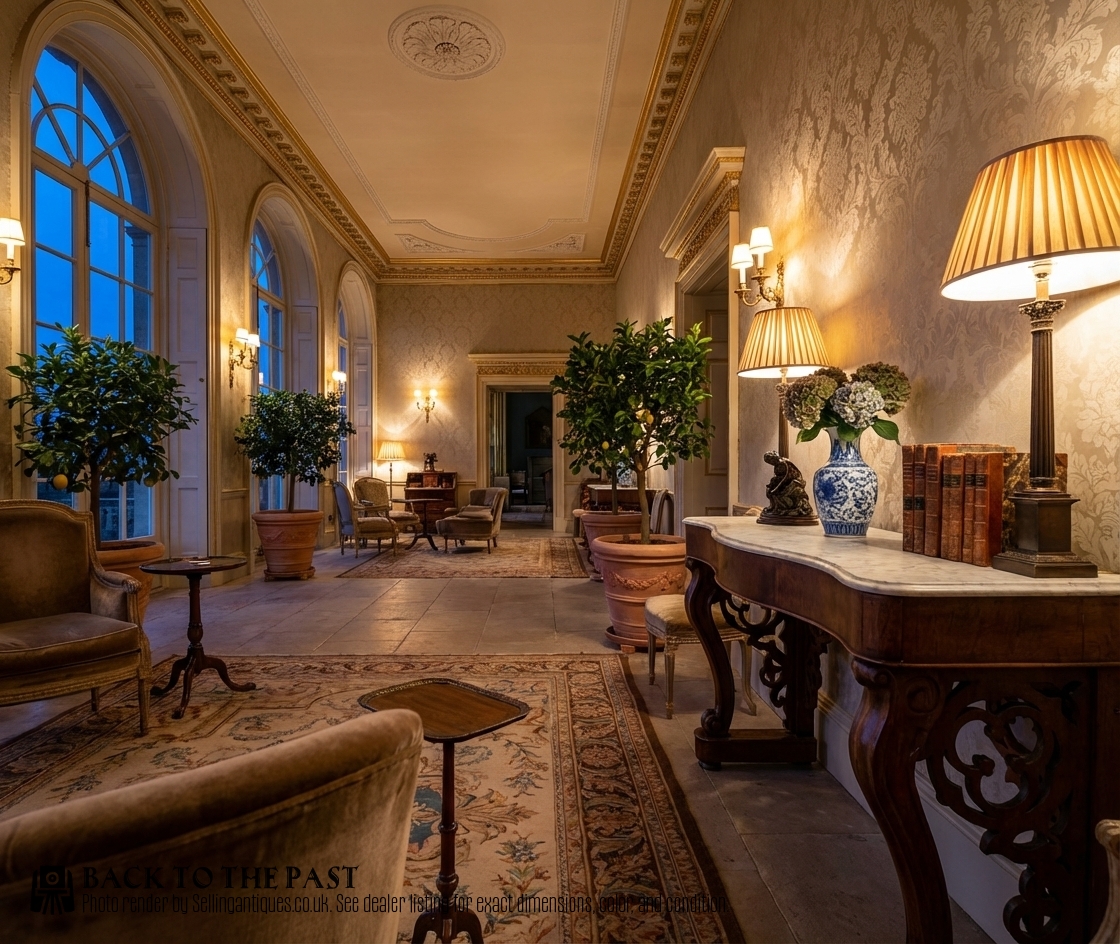
Materials and construction methods
Construction relies upon combining dense natural stone with structural timbers or metals, utilising materials like mahogany, oak, walnut, giltwood, cast iron, and brass. The marble tops vary from Carrara and statuary white to simple local varieties, resting on hand-carved, turned, or cast frames.
Joinery techniques reflect the period of origin, employing traditional cabinetmaking methods alongside cast metal framing for heavier outdoor or utilitarian prep tables. Gilded pieces utilise gesso and gold leaf over carved wood, while painted examples display layered historical pigments.
White Marble Console Table Retail Price Guide 2026
Typical asking prices for white marble console table among the pieces listed under this phrase on Sellingantiques today, from the lower quarter to the upper quarter. They describe what is for sale here now, not the wider market.
Listings feature eighteenth and nineteenth-century pieces spanning French, English, Italian, and Swedish origins, incorporating cast iron, mahogany, and giltwood.
Judging quality and execution
The distinction between tiers rests upon the depth of hand-carving in the wooden or gilt frames and the thickness and figure of the marble slab. Superior examples display crisp architectural mouldings, intricate gesso work, or finely chased ormolu mounts rather than plain, machine-cut elements.
Structural integrity and originality of the components dictate overall standing, rewarding pieces that retain their primary stone top and original surface finish. Heavier timbers and substantial cast iron frames signal robust construction designed to support the immense weight of the stone.
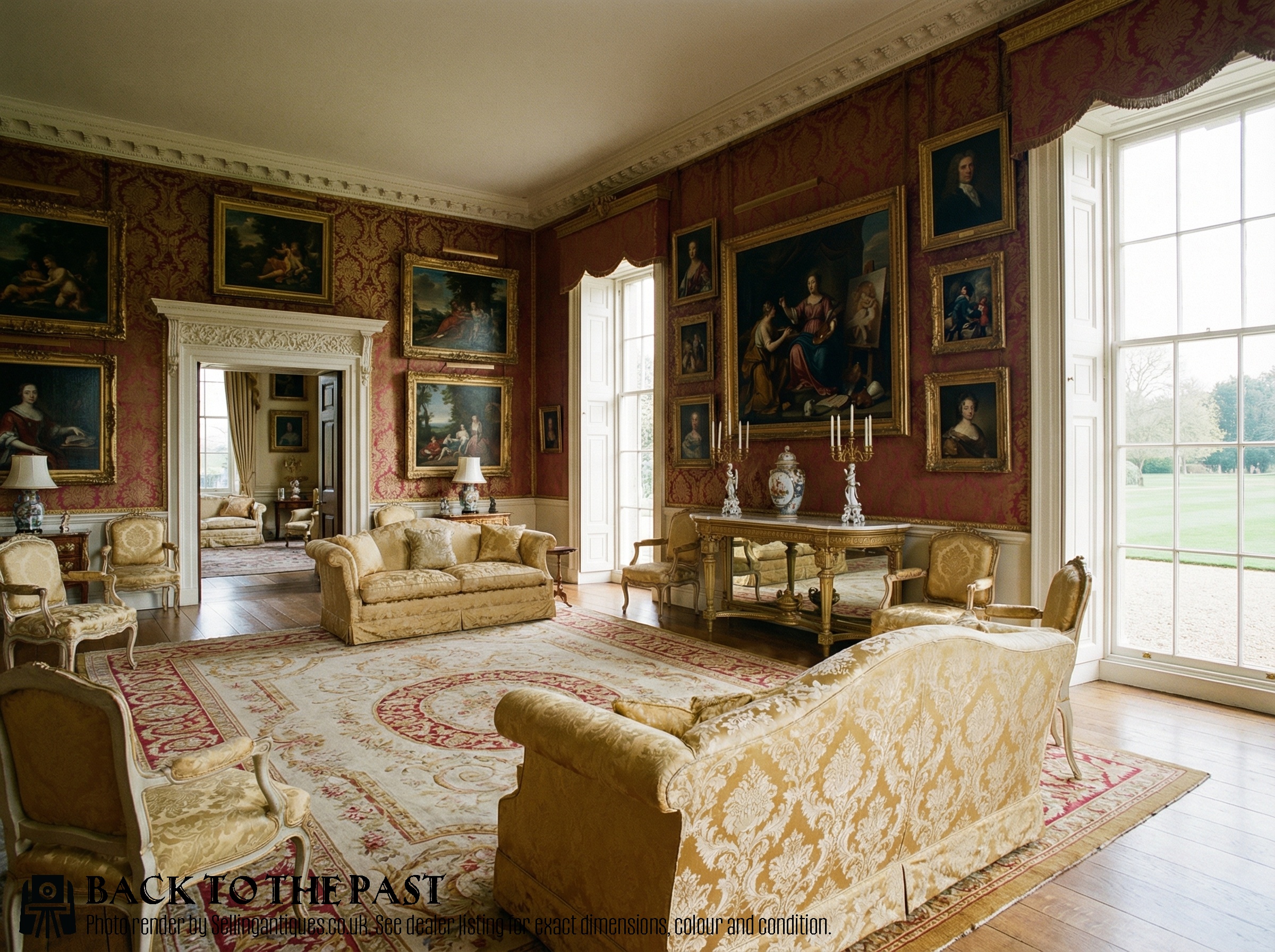
Maples
The White Marble Console Table Glossary
- Console table
- A table designed to stand against a wall, traditionally secured with brackets or resting on front legs. These items often feature decorative front profiles intended for formal reception rooms.
- Giltwood
- Timber that has been coated with a thin layer of gold leaf or powder over a prepared gesso ground. This technique creates a bright, reflective surface popular in classical and revival interiors.
- Carrara marble
- A type of white or blue-grey marble from the city of Carrara in Italy. It is prized for its fine, dense grain and subtle grey veining.
- Washstand
- A piece of furniture designed to hold a basin and jug, frequently adapted with a marble top to resist water damage. They share similar proportions to narrow console tables.
- Ormolu
- Gilded bronze ornamentation applied to the mounts and feet of high-status furniture. The process involves coating metal in a mercury and gold amalgam before heating.
White Marble Console Table: Frequently Asked Questions
Where should I place a console table?
These tables find a natural home in entrance halls, living rooms, or dining spaces where a narrow footprint is required. Their flat stone surfaces provide an ideal stage for lamps, mirrors, and decorative objects without blocking circulation.
Because many were originally designed to stand against walls, pairing them with a matching mirror creates a balanced focal point in a room.
How do I clean marble tops?
Daily maintenance requires only a soft cloth dampened with warm water and mild, pH-neutral soap. Avoid acidic cleaners, vinegar, or harsh abrasives, as these will etch and dull the polished stone surface over time.
Promptly wiping away spills of wine, lemon juice, or coffee prevents staining on porous white marble surfaces.
Are these tables heavy?
The inclusion of a thick natural stone slab makes these pieces considerably heavier than standard wooden tables. Two people are typically required to lift and manoeuvre them safely during placement.
Some taller or narrower examples benefit from being secured to the wall for added stability, reflecting their original architectural design.
How can I date my table?
Dating relies on examining the timber species, joinery methods, and stylistic cues such as carved rococo motifs or classical geometric lines. Secondary woods and tool marks visible on the underside often reveal the manufacturing era.
Comparing the edge profile of the marble and the wear patterns on the frame helps confirm whether the top and base are original to one another.