


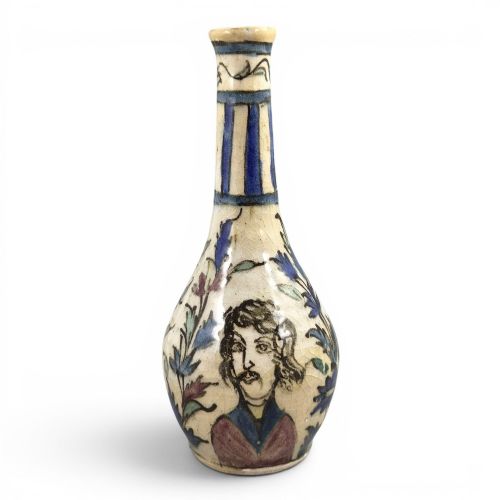


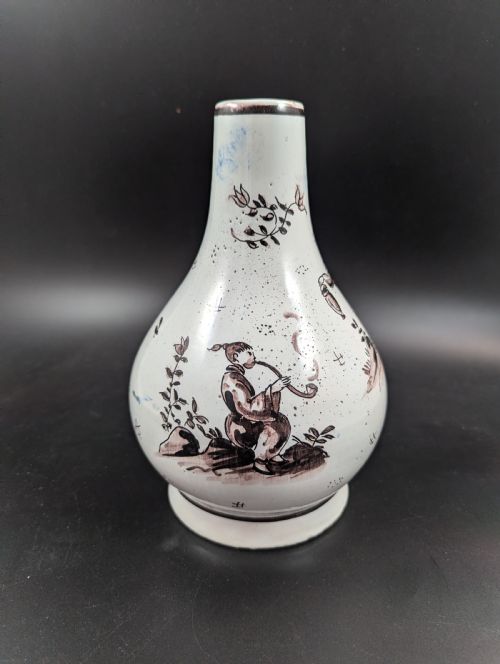


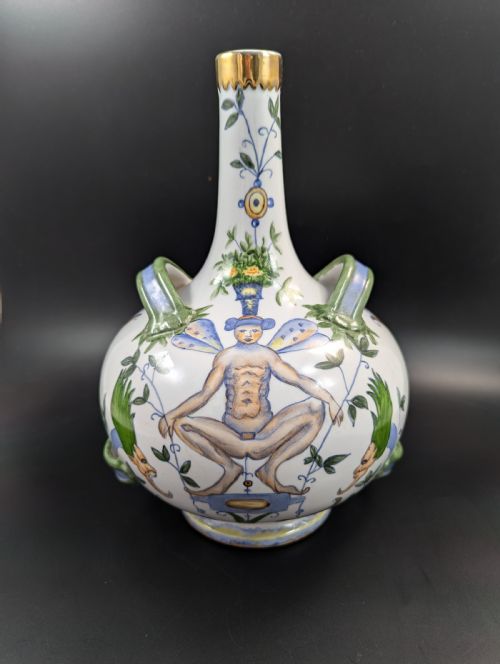

White Glazed Bottle
These white glazed bottle examples span centuries of ceramic tradition, offering both decorative presence and historical utility for your collection.
White Glazed Bottle
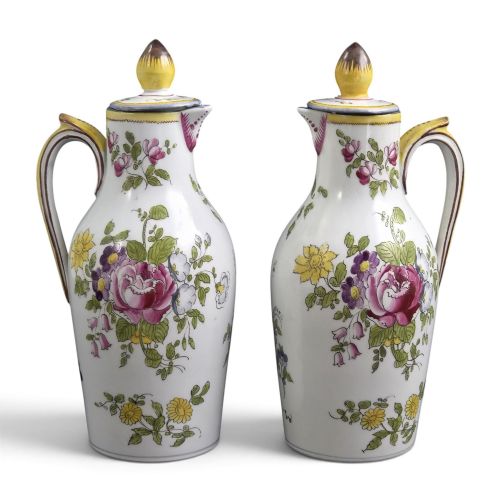
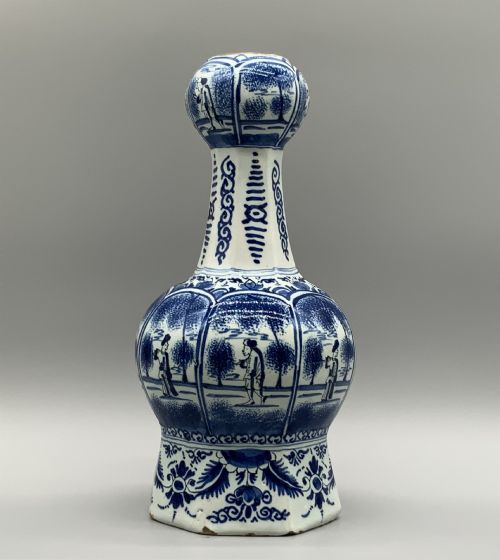
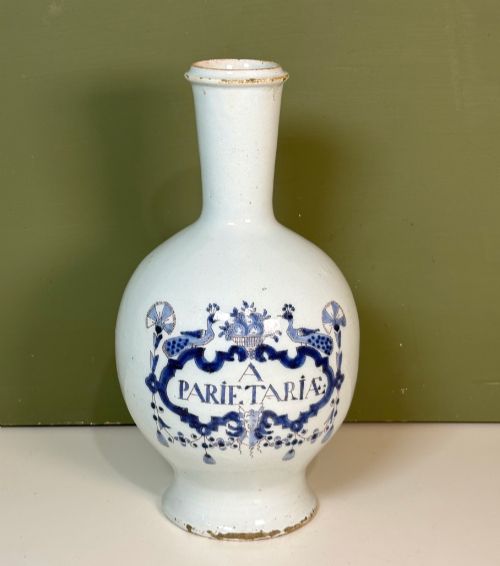
A white glazed bottle encompasses a diverse array of historical vessels, ranging from medicinal containers to ornamental vases spanning the seventeenth to the twentieth centuries. When exploring this selection, buyers frequently encounter tin-glazed earthenware and porcelain pieces originating from English, Dutch, Italian, French, and Chinese kilns. Common forms include apothecary jars, drug bottles, cruet sets, and decorative vases shaped by distinct regional styles like Dutch Delftware and Italian Baroque.
The objects serve multiple historical functions, functioning as utilitarian pharmacy storage vessels, fine dining accessories, and purely decorative display items. The predominant varieties include seventeenth and eighteenth-century Delftware bottles alongside Chinese porcelain and Persian pottery examples.
Each specimen reflects the aesthetic preferences and manufacturing techniques of its specific period, uniting utilitarian origins with enduring visual appeal.
How they were made
Potters shaped these vessels using traditional ceramic techniques, employing earthenware, tin-glazed earthenware, faience, and porcelain. The application of tin glaze or white enamel provided a smooth, opaque white surface suitable for subsequent hand-painted decoration or clean monochrome presentation.
Kiln firing methods varied according to the medium, with porcelain requiring higher temperatures than earthenware or tin-glazed bodies. Artisans frequently added cobalt blue pigment or polychrome enamels over or beneath the glaze before final firing.
White Glazed Bottle Retail Price Guide 2026
Typical asking prices for white glazed bottle among the pieces listed under this phrase on Sellingantiques today, from the lower quarter to the upper quarter. They describe what is for sale here now, not the wider market.
Listings span four centuries, featuring tin-glazed earthenware, porcelain, and faience from European and Asian traditions.
What varies in quality
Quality rests in the finesse of the potting, the uniformity and brilliance of the white glaze, and the precision of any hand-painted ornamentation. Superior pieces demonstrate crisp moulding, stable glazes with minimal bubbling, and refined execution of form.
The historical significance of the kiln, the clarity of regional style characteristics, and the overall preservation of the ceramic body distinguish standard utilitarian vessels from exceptional collector examples.
Veuve Perrin Marseille·Lambeth Pottery
The White Glazed Bottle Glossary
- Tin-Glazed Earthenware
- Pottery covered with a ceramic glaze containing tin oxide that turns white and opaque upon firing. This technique provides an ideal white background for painted decoration.
- Delftware
- Tin-glazed earthenware made in the Netherlands and England, famously replicating Chinese porcelain aesthetics alongside local European designs. It forms a core component of early ceramic history.
- Albarello
- A type of majolica drug jar used in pharmacies for storing ointments and dry drugs. Its characteristic waist allows pharmacists to grip the jar easily.
- Faience
- Tin-glazed earthenware produced in France, Italy, and other parts of Europe. The term denotes European glazed pottery related in technique to Dutch Delftware.
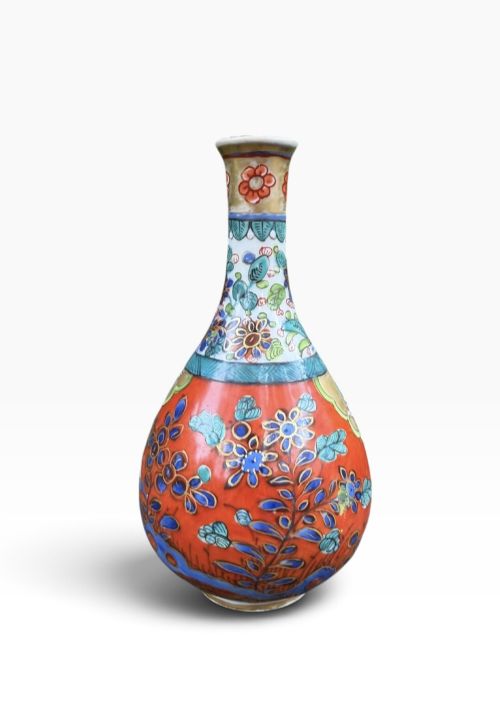
- Clobbered
- Porcelain or pottery that has been decorated overseas, often in England or Europe, by adding secondary overglaze colours and gold to older blue and white wares.
White Glazed Bottle: Frequently Asked Questions
What is a white glazed bottle used for?
Historically, these vessels served practical roles as apothecary bottles, pharmacy jars, oil and vinegar jugs, and table containers. Many held medicinal substances, liquids, or dry goods before transitioning into decorative display objects.
Today, collectors appreciate them for their historical utility and visual charm, placing them on shelves or tables as standalone decorative accents.
How do I distinguish 17th century from 19th century bottles?
Seventeenth-century pieces often display heavier tin-glazed earthenware bodies with distinct tin glazes and early European or Chinese transitional motifs. Nineteenth-century items frequently show shifts towards refined porcelain or different regional factory standards.
Examining the glaze composition, potting weight, and painted details helps establish the chronological bracket of each individual ceramic item.
Are these bottles made of porcelain or earthenware?
The selection includes both porcelain and various forms of earthenware, notably tin-glazed earthenware and faience. Chinese examples typically utilise porcelain, while European counterparts frequently employ tin-glazed clay bodies.
Each material dictates the weight, opacity, and surface texture of the white glaze applied by the potter.
How should I display my bottle at home?
Display these bottles away from direct sunlight and fluctuating moisture levels to protect their historic glazes and any painted decoration. Placing them on stable shelving or mantelpieces allows natural light to highlight the glaze finish.
Ensure they rest securely on flat surfaces, as historical ceramic bodies can be vulnerable to impacts.