

White Glass Shade
A white glass shade brings a clean, diffused light to a room, fitting oil lamps, pendants and desk lamps from the Victorian era onward.
White Glass Shade
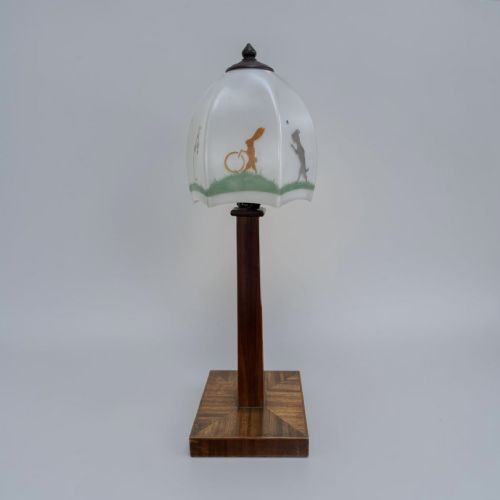
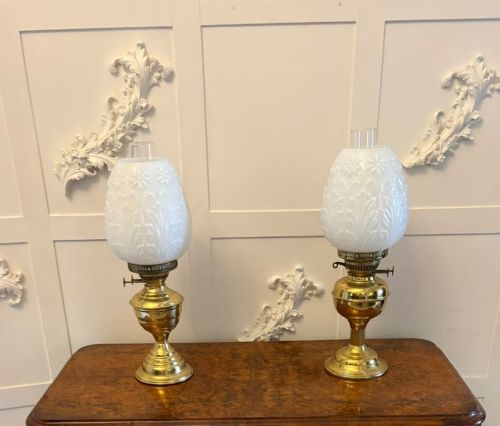
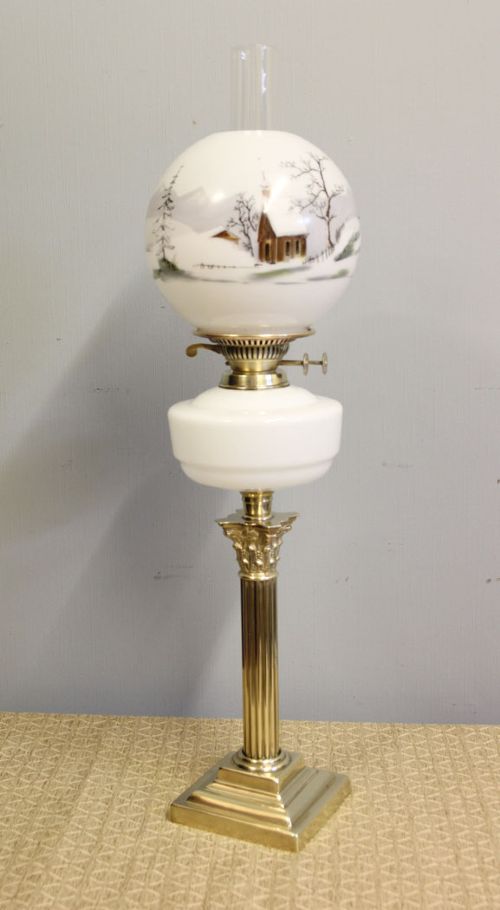
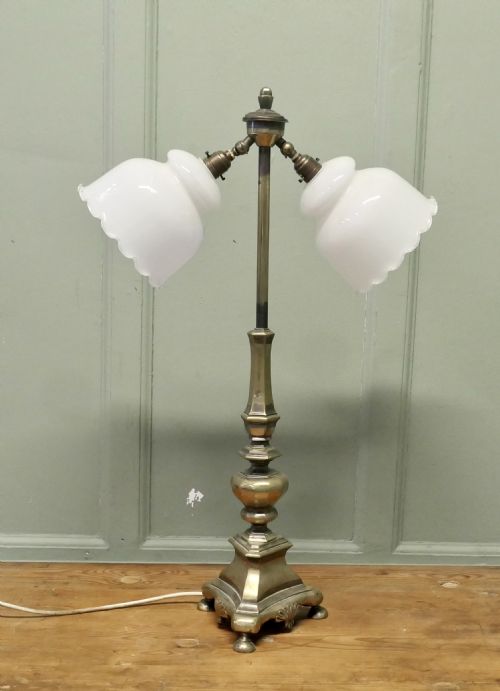
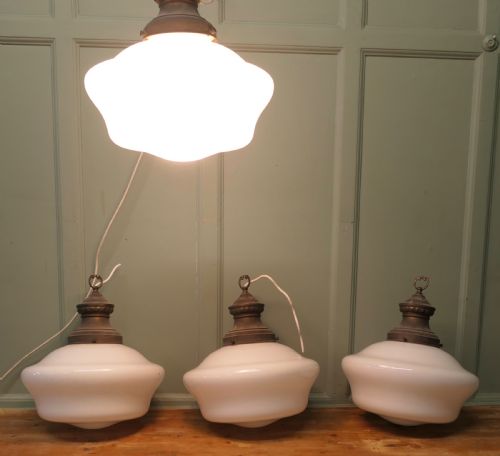
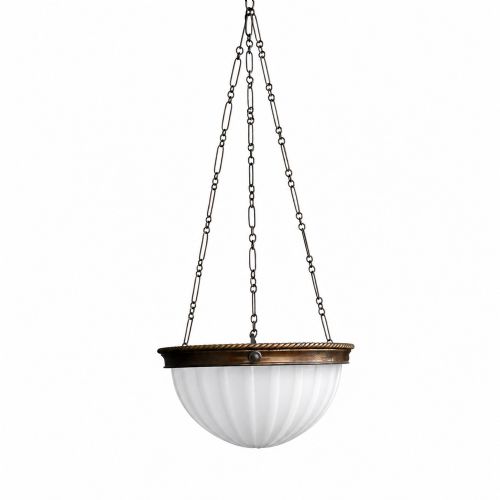
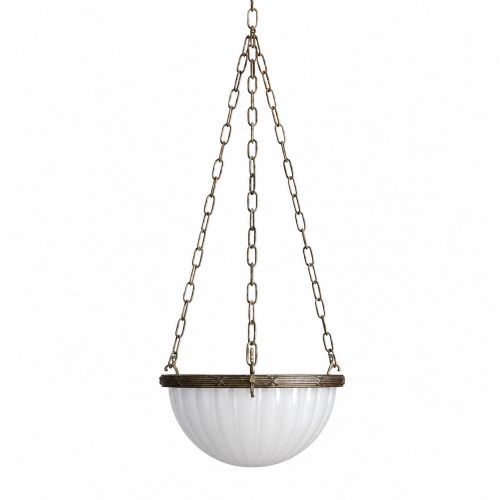
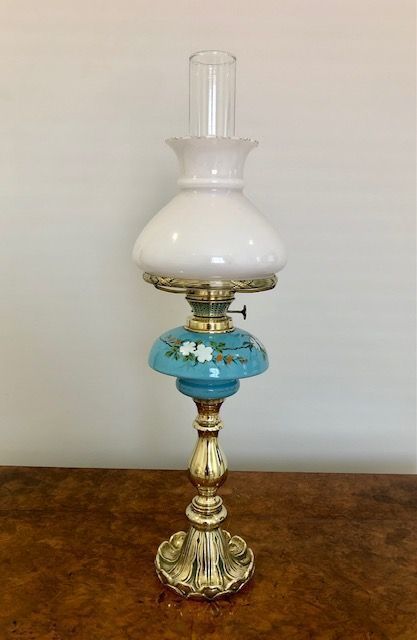
A white glass shade is typically encountered as part of an oil lamp, pendant light or wall fixture from periods spanning the late nineteenth century into the mid-twentieth century. The selection includes Victorian and Edwardian brass oil lamps, Art Deco pendants and industrial ceiling fixtures.
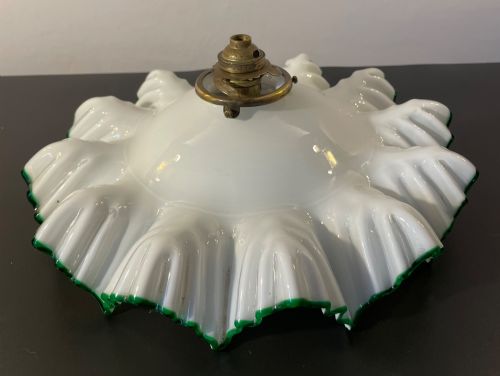
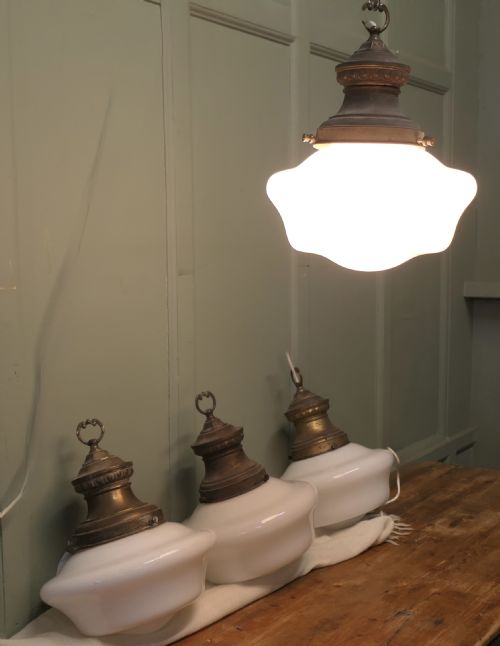
Most examples originate from English, French or German makers, appearing in forms such as opaline globes, frilled lampshades and conical hanging pendants. These pieces bridge functional domestic lighting and decorative interior accessories.
Materials and construction methods
The primary material is glass, often seen as opaline glass, moonstone glass or opaque white glass, which softens and scatters the light source evenly. Many shades are paired with metal components in brass, ormolu, silver plate or iron.
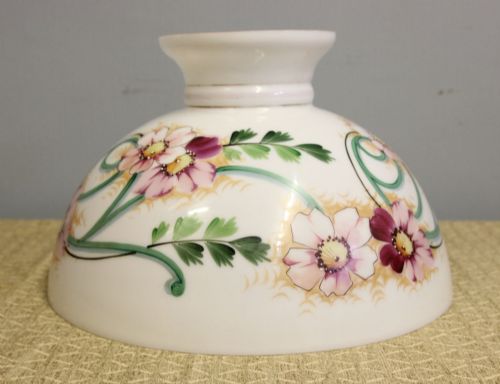
Techniques range from mould-blown glass bodies to hand-finished frilled edges and painted surface details. Shade fittings frequently incorporate brass rings, galleries and collars designed to secure the glass to oil burners or electric pendant fixtures.
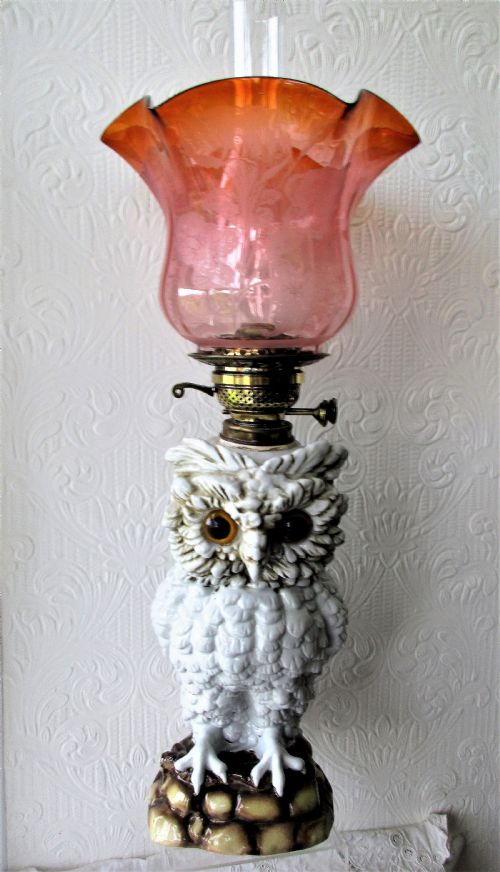
Some Victorian oil lamps paired stark white glass shades with porcelain owls, proving that domestic fowl once oversaw the evening reading.
Factors of distinction
Quality rests in the weight, colour consistency and tactile depth of the glass, alongside the crispness of any applied hand-painting or moulded relief work. Superior opaline and moonstone glass exhibits a subtle translucency rather than a flat, opaque white finish.
The integrity of associated metalwork, such as solid brass collars or finely chased mounts, elevates an object. Original matching pairs and complete assemblies with their period burners or fixtures command greater interest than mismatched components.
Sitzendorf·Thwaites of London·Wild and Wessel·Jefferson
The White Glass Shade Glossary
- Opaline glass
- A type of semi-opaque white glass that transmits a soft, milky glow when illuminated from within. It gained widespread popularity during the Victorian and Edwardian periods for decorative lighting.
- Moonstone glass
- A translucent white glass featuring a cloudy texture that resembles the gemstone. It is frequently found on early twentieth-century pendants and pharmacy lights.
- Plafonnier
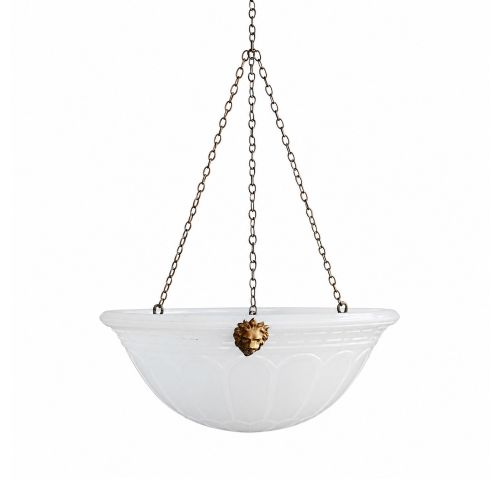
- A ceiling-mounted light fixture featuring a bowl-shaped glass shade held close to the ceiling. These often showcase Neo-Classical or Art Deco motifs.
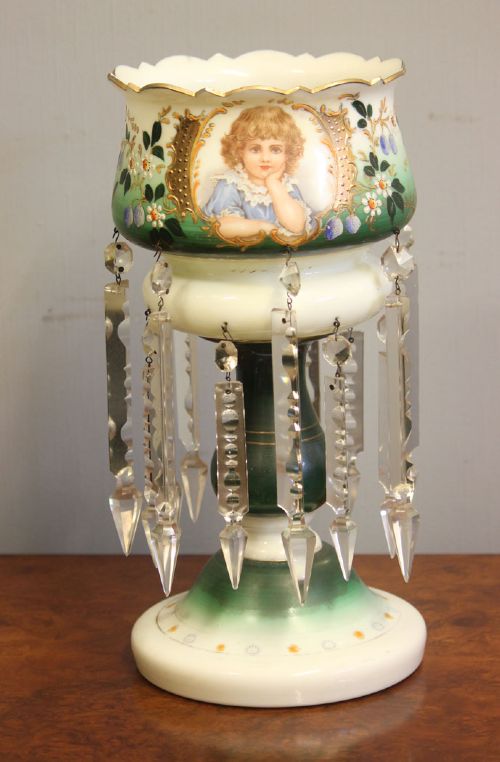
- Mantel lustre
- A decorative ornamental glass vase hung with crystal prisms, placed on a fireplace mantel. They share period aesthetics and glass-making techniques with contemporary lighting.
- Wild and Wesser
- A notable German manufacturing firm known for producing specialised mechanical oil lamp burners and related metalwork during the nineteenth century.
White Glass Shade: Frequently Asked Questions
How do I clean a vintage white glass shade?
Wash the glass gently in warm, soapy water using a soft cloth to remove dust and residue. Avoid harsh abrasives that might scratch the surface or damage hand-painted details.
Dry the shade thoroughly before reattaching it to any metal fitting or lamp base.
Are these shades suitable for modern electric bulbs?
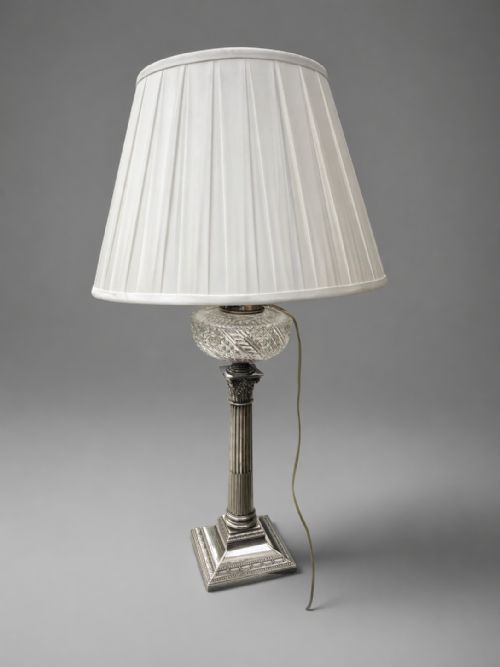
Many of these shades can be adapted for modern electrical pendants or table lamps using standard fitter galleries. Ensure the bulb wattage matches the thermal limits of historical glass.
Consult a qualified electrician to check that older brass or metal fittings meet current safety standards before use.
How can I tell Victorian shades from later pieces?
Victorian examples often feature heavier brass oil lamp collars, hand-crimped frills or delicate painted floral motifs. They typically accompany brass or ceramic lamp bases from the late nineteenth century.
Twentieth-century pieces tend toward smoother geometric forms, such as Art Deco cones or industrial moonstone pendants.
What is the difference between opaline and milk glass?
Opaline glass is a refined, semi-translucent material that diffuses light with a characteristic fire or depth. It was widely utilised in nineteenth and early twentieth-century decorative lighting.
Milk glass is generally denser and fully opaque, appearing in a broader range of utilitarian kitchenware and later decorative items.