


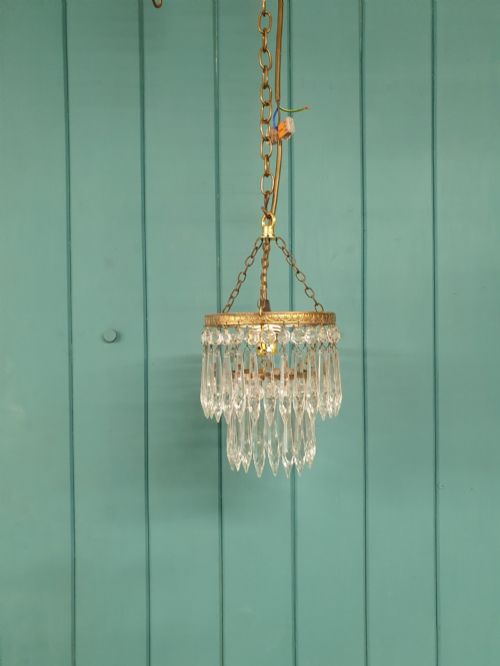
Brass Ceiling Lamp
A brass ceiling lamp brings a warm, metallic glow overhead, offering both focused illumination and period character for any room.
Brass Ceiling Lamp
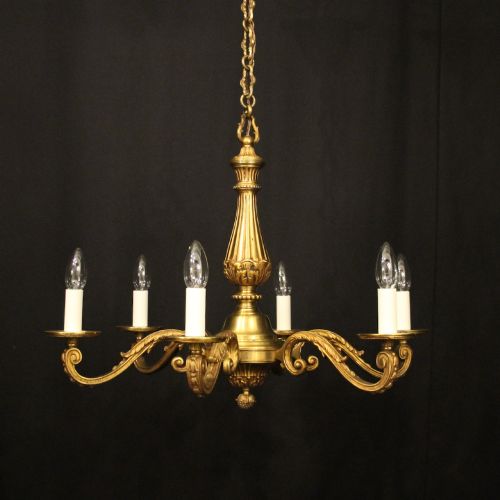
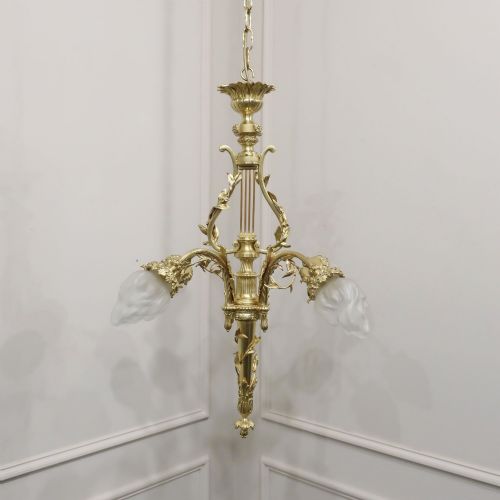
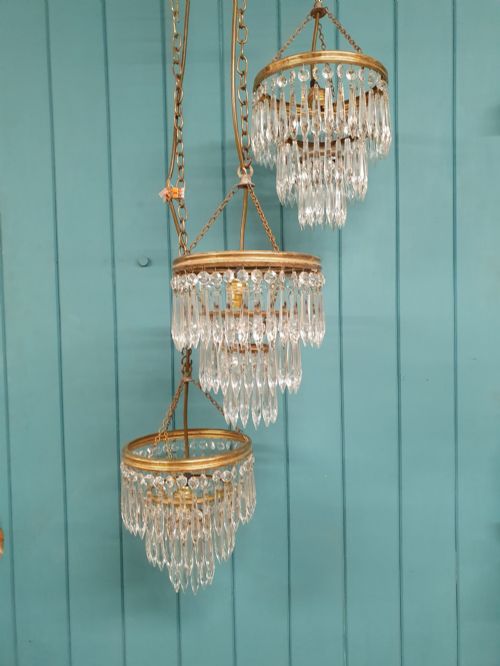
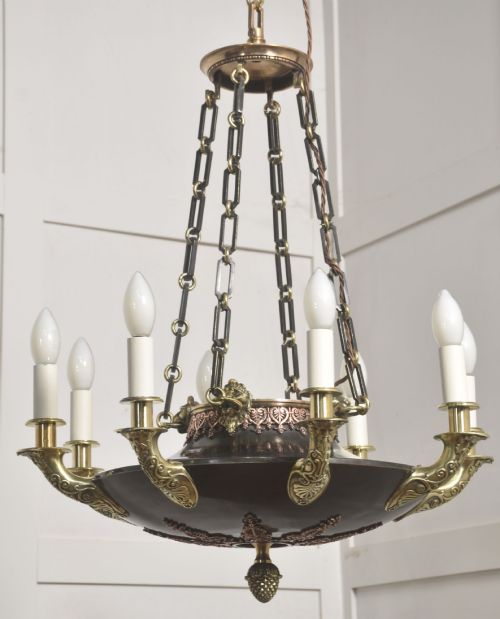
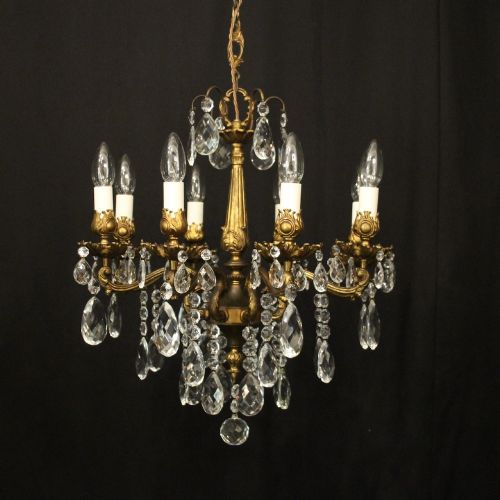
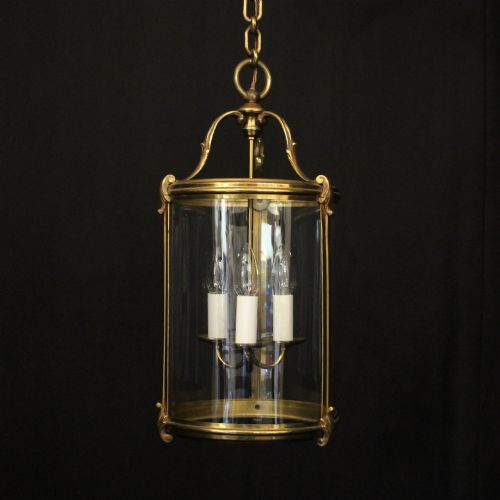
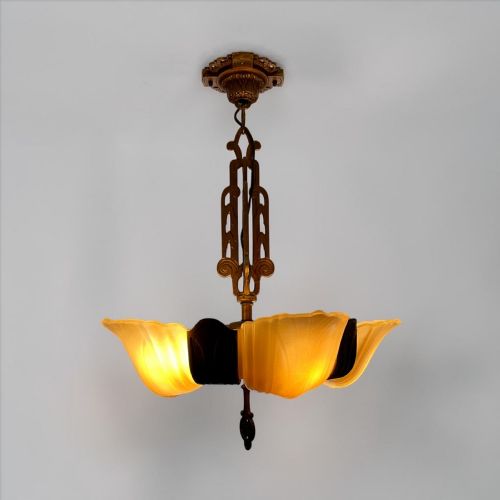
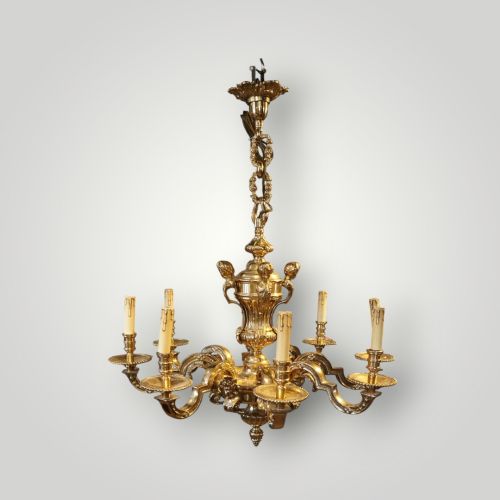
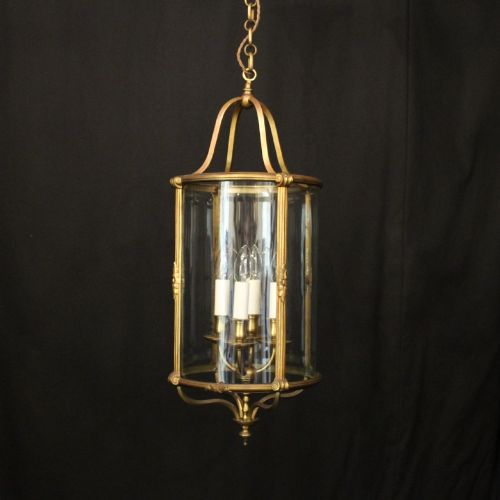
When you search for a brass ceiling lamp, you encounter a wide array of overhead fixtures spanning from the nineteenth century through the art deco era. These fittings include multi-arm chandeliers, hanging hall lanterns, drop pendants, and specialised task lights designed to suspend from the ceiling.
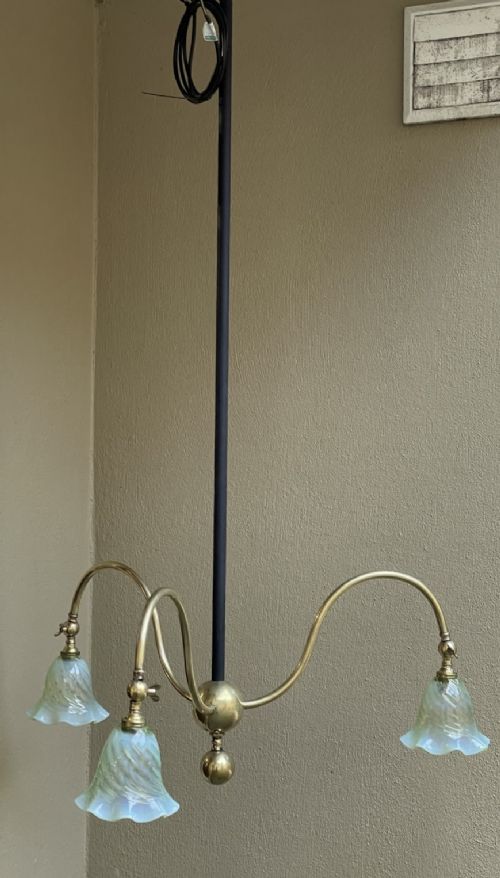
The selections on this page draw heavily from French chateau, empire, and industrial styles alongside British Edwardian and Victorian domestic designs. You are most likely to meet cast brass frames paired with cut glass, crystal drops, or opaline shades dating from the early twentieth century.
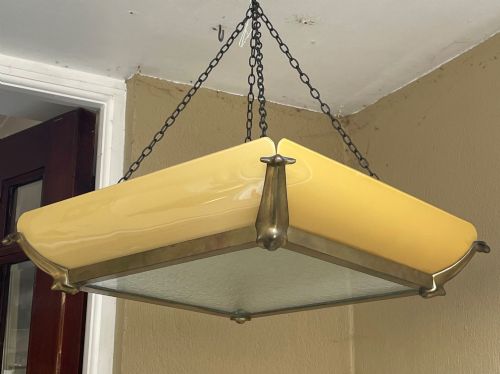
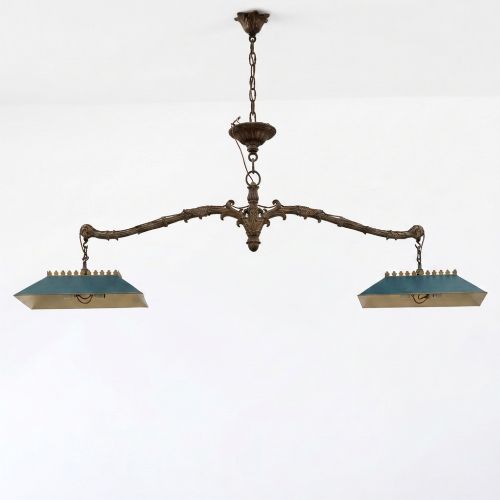
Form follows function across these examples, ranging from grand multi-light reception room fixtures down to utilitarian copper and brass railway lanterns and billiard lights. Each object reflects the interior lighting requirements of its specific period, utilising metal frames to support glass components securely.
How they were made
Makers constructed these fixtures using cast, stamped, or spun brass combined with structural bronze and copper elements. Metal frameworks support heavy glass components such as cut crystal drops, moulded slip shades, and leaded panels.
Casting methods produced intricate frames in French rococo and neoclassical styles, while industrial pieces utilised heavier stamped brass and copper components. Glass elements were either mouth-blown, hand-cut, or press-moulded to achieve specific optical and decorative qualities.
What varies in quality
The standard of a brass ceiling lamp rests in the crispness of its metal casting and the depth of hand-finishing on the brass or gilt bronze. Finer examples display sharp relief work on the frame and secure, well-fitted mounts for their glass shades and crystal drops.
Glass quality also dictates the tier of the piece, distinguishing standard pressed bowls from hand-cut crystal prisms or specialised prismatic glass panels. Original components, matched crystals, and intact period shades elevate the integrity of the fixture significantly.
F & C Osler
The Brass Ceiling Lamp Glossary
- Plafonnier
- A ceiling-mounted light fixture designed to sit flush or very close to the ceiling surface. These often feature a glass bowl held by a brass frame.
- Holophane
- A brand of scientific prismatic glass designed to direct and diffuse light efficiently. These ribbed glass shades appear frequently in industrial and commercial contexts.
- Gilt Bronze
- Bronze metal treated with a gold wash or mercury gilding technique to impart a rich golden surface. This material appears commonly on French chandeliers.
- Slip Shade
- A type of moulded art deco glass shade that slips directly into a metal frame or basket. They are characteristic of nineteen-thirties lighting design.
- Waterfall Chandelier
- A lighting form featuring cascading strings of small crystal beads arranged in a tent and waterfall configuration. These disperse light across multiple tiers.
Brass Ceiling Lamp: Frequently Asked Questions
How do I clean an antique brass ceiling lamp?
Dust the metal and glass components gently with a soft, dry cloth to prevent the accumulation of grime. Avoid harsh chemical polishes that can strip original patination from the brass.
For glass drops and crystals, a mild solution of warm water and gentle soap works best. Remove the crystals if necessary, wash them individually, and dry them completely before rehanging.
How do I determine the period of a brass light?
Examine the construction methods, screw types, and stylistic motifs to date the fixture accurately. Victorian and Edwardian pieces often feature heavier cast brass and hand-blown opaline or cut glass.
Nineteen-thirties examples typically display streamlined art deco geometries, slip shades, or industrial prismatic glass. Comparing the design characteristics with documented historical styles clarifies the era.
Can I hang a heavy chandelier from standard drywall?
Large multi-light brass and crystal chandeliers require substantial overhead support due to their significant weight. They must be anchored directly into ceiling joists or structural nogging using appropriate fixings.
Hang heavy fixtures with a dedicated steel ceiling hook and bracket system rather than a standard electrical box. Professional installation guarantees safety and stability.