




White Gilded Wall Mirror
A white gilded wall mirror brings light and classical proportion to a room, combining painted surfaces with bright metallic highlights.
White Gilded Wall Mirror
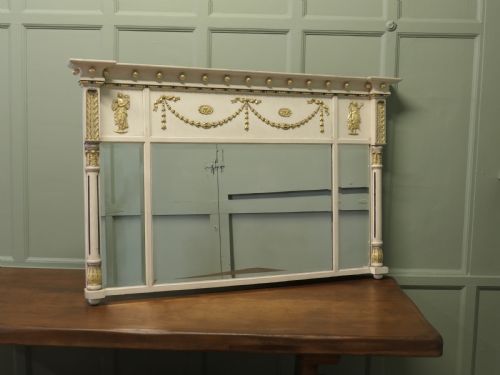
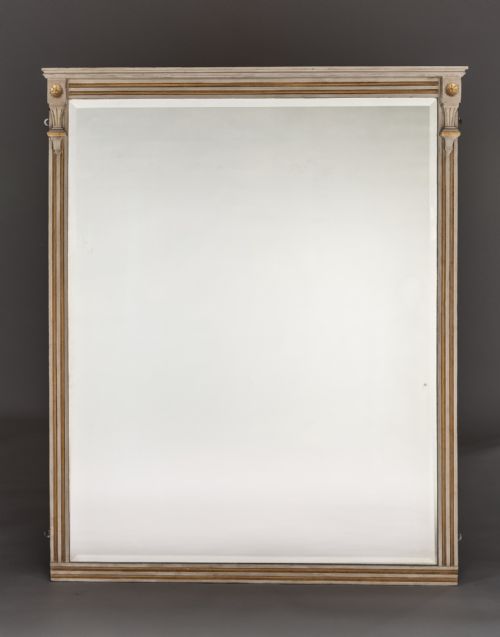
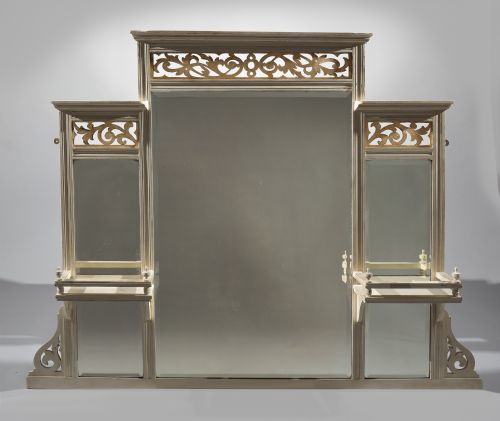
A white gilded wall mirror serves as a focal point in traditional interiors, frequently taking the form of a large overmantel mirror designed to sit above a fireplace. These pieces range from grand Victorian statements to refined Regency designs, spanning the nineteenth and early twentieth centuries.
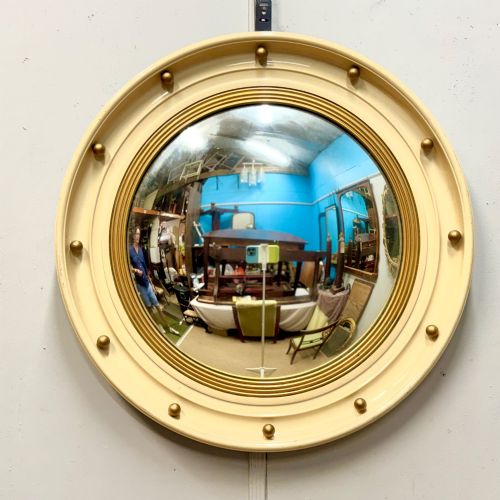
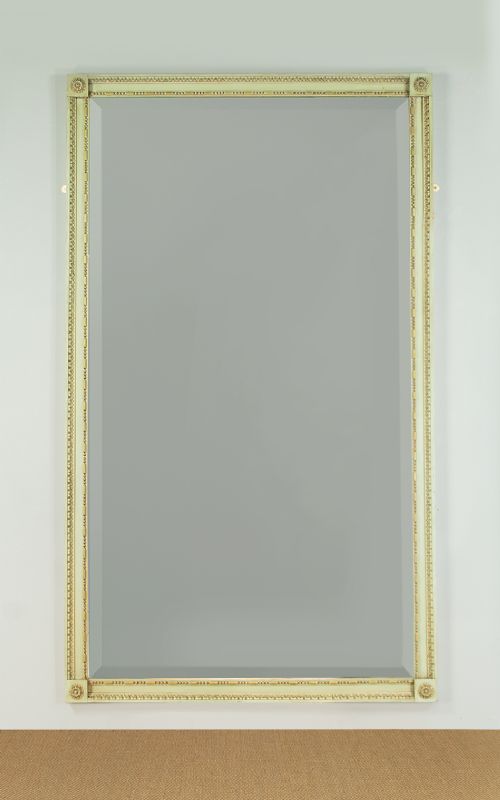
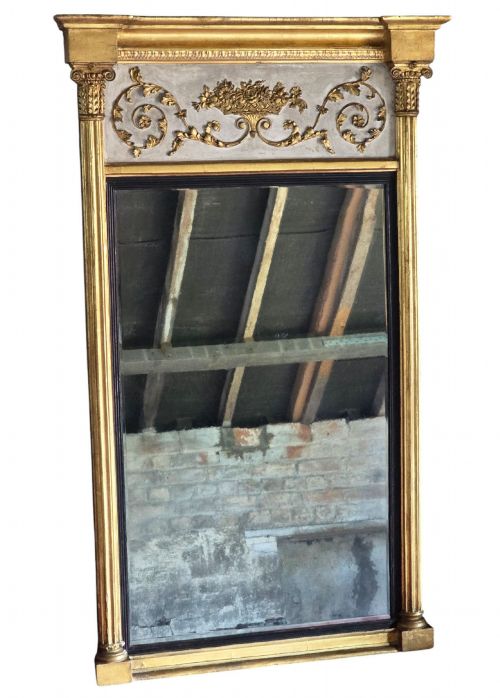
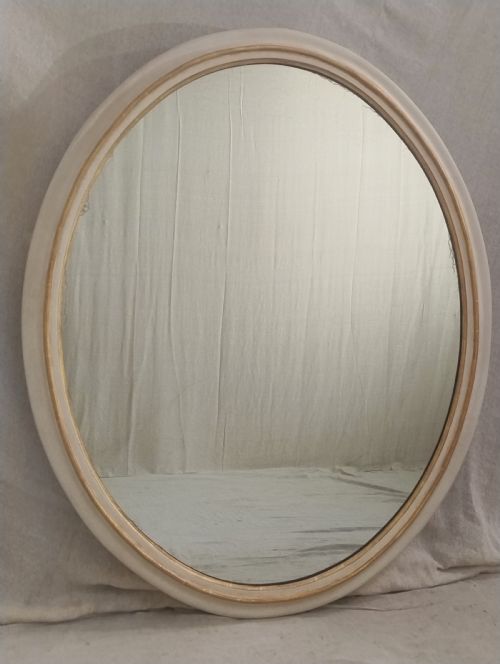
Buyers encountering this search will find substantial architectural frames, round convex butler mirrors, and tall pier mirrors. Many combine a pale painted ground with parcel-gilt detailing, highlighting carved mouldings and classical motifs.
Origins vary across English and continental workshops, incorporating French and Italianate influences alongside domestic Victorian craftsmanship. The enduring appeal lies in the contrast between crisp white painted woodwork and warm metallic leaf.
Materials and construction
Traditional frames rely on a foundation of carved wood and gesso, a plaster-like mixture applied to build up intricate relief ornaments such as scrolls, beads, and floral garlands. Artisans then applied gold leaf to specific raised areas, creating the parcel-gilt effect against the painted white background.
Mirror plates in these period pieces often feature bevelled edges or convex curves, housed securely within heavy timber structures. The combination of durable gesso work and hand-applied paint gives each frame its distinct tactile character and depth.
Listings feature periods from the nineteenth century through the Edwardian era, incorporating Victorian, Regency, and Rococo Revival styles.
Judging quality and craftsmanship
Quality in a white gilded wall mirror rests upon the crispness of the gesso mouldings and the depth of the original hand-carved details beneath the paint. Superior examples display sharply defined ornament rather than soft, mass-produced plaster casts.
The integration of the painted finish with the gilt highlights dictates the visual balance of the piece. Finer mirrors show honest patination where the white paint and gold leaf have aged naturally together over the centuries.
The White Gilded Wall Mirror Glossary
- Overmantel mirror
- A large horizontal mirror specifically proportioned to hang above a fireplace mantelpiece. These pieces often feature architectural framing to anchor the hearth area.
- Parcel-gilt
- A decorative treatment where only specific portions of an object are gilded with gold leaf, leaving the remaining surface painted or in natural wood.
- Gesso
- A traditional mixture of binder and chalk used to create a smooth surface for gilding or to mould low-relief ornamentation onto wooden frames.
- Convex glass
- A curved mirror plate that bulges outward, providing a wide-angled panoramic reflection of the room.
- Triptych
- A mirror plate divided vertically into three distinct sections, common in Regency and Victorian overmantel designs.
White Gilded Wall Mirror: Frequently Asked Questions
Where should I hang a white gilded wall mirror?
These mirrors traditionally anchor a living room above a fireplace mantel, where their generous proportions reflect light across the space. They also work effectively in hallways or dining rooms to create an illusion of depth.
Ensure the wall structure can support the substantial weight of these timber and gesso frames, mounting them securely into wall studs or using appropriate heavy-duty fixings.
How do I clean a period mirror frame?
Dust the carved gesso and gilded surfaces gently with a soft, dry brush to prevent accumulation in the intricate recesses. Avoid using chemical sprays, water, or abrasive cloths on the painted and gilt areas.
Clean the glass plate separately using a mild glass cleaner applied to a cloth rather than directly onto the mirror, protecting the surrounding antique frame from moisture.
Are these mirrors genuinely old?
The selection includes authentic nineteenth-century and early twentieth-century pieces featuring traditional construction methods like hand-carved wood, applied gesso, and original mirror glass. Stylistic cues such as Rococo Revival curves or Regency neoclassical symmetry help confirm the era.
Examining the backboards, fixings, and the natural ageing of the paint and gold leaf provides further confirmation of period manufacture.
What is the difference between an overmantel and a wall mirror?
An overmantel mirror is specifically designed in a wide format to sit horizontally above a fireplace, often matching the width of the mantel shelf below. Standard wall mirrors can be hung in various vertical or horizontal orientations in any room.
Both types utilise similar white painted and gilded framing techniques but serve different architectural functions within a historic interior.