



White Floral Ceramic Pitcher
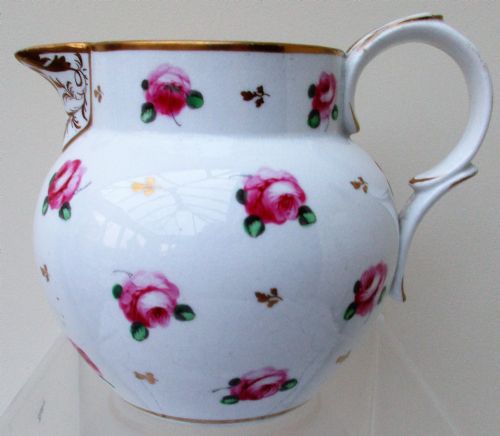
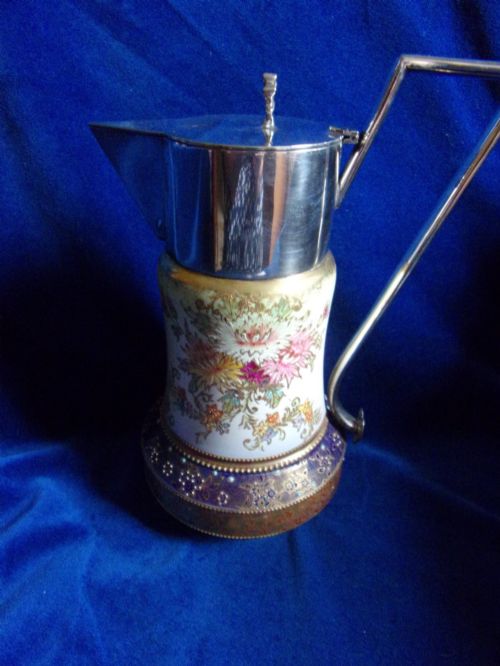
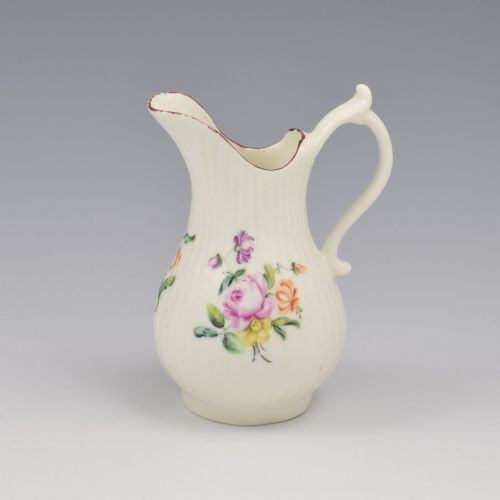
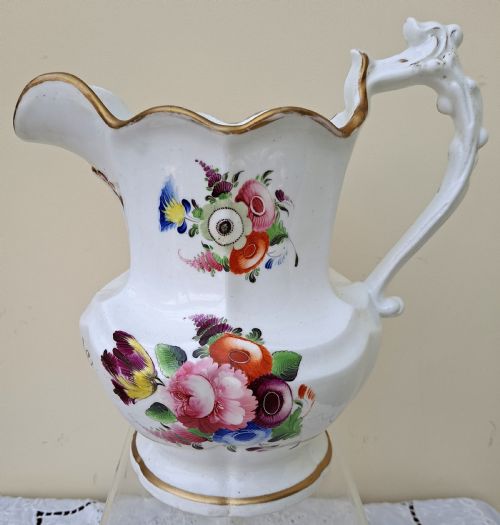
These white floral ceramic pitcher pieces combine practical pouring vessels with delicate botanical decoration spanning centuries of British and European pottery.
White Floral Ceramic Pitcher
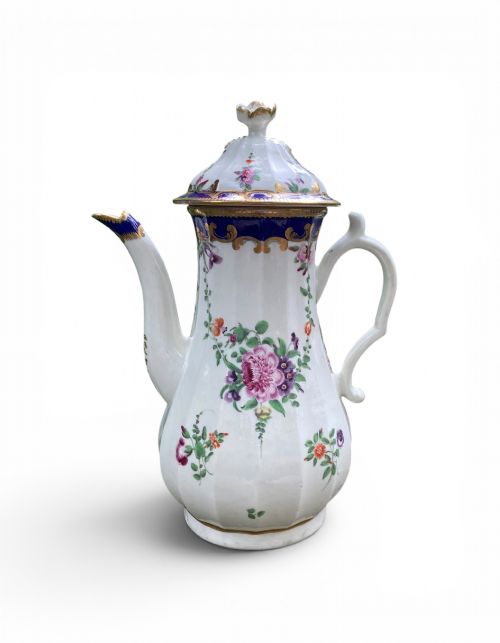
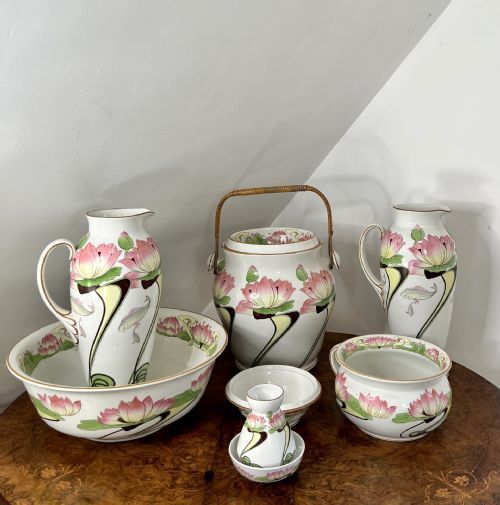
A white floral ceramic pitcher serves as a functional vessel for liquids or forms part of larger bathroom and wash sets. When you search for this phrase, you encounter forms ranging from small cream jugs to large one-gallon pottery examples and complete toilet sets.
The selections span diverse eras including the eighteenth century, Georgian period, Victorian era, and Edwardian period. Porcelain, earthenware, and tin-glazed delftware represent the primary ceramic bodies found across these listings.
How they were made
Potters shaped these vessels using earthenware and porcelain bodies, frequently applying tin glazes or traditional white grounds before hand-painting botanical motifs. Artisans enhanced select pieces with gilding, copper lustre, or gold leaf highlights.
Moulding and throwing techniques produced varied forms, from fluted baluster profiles to mask spout designs. Kiln firing fixed the polychrome and blue and white floral decorations beneath protective surface glazes.
White Floral Ceramic Pitcher Retail Price Guide 2026
Typical asking prices for white floral ceramic pitcher among the pieces listed under this phrase on Sellingantiques today, from the lower quarter to the upper quarter. They describe what is for sale here now, not the wider market.
Some nineteenth-century makers immortalised local weddings and historical coronations on oversized pottery jugs, ensuring floral displays outlasted the champagne.
What varies in quality
Quality rests in the crispness of the hand-painted floral execution and the sophistication of the ceramic body. Early porcelain and tin-glazed examples display finer potting and more intricate brushwork than utilitarian domestic earthenware.
The survival of delicate details like gilding, mask spouts, and matching wash basins elevates certain pieces above standard production. Maker attribution and well-preserved glaze surfaces also distinguish superior examples.
Derby Porcelain·Worcester porcelain·Caughley Coalport·Rockingham Porcelain·Doulton Burslem
The White Floral Ceramic Pitcher Glossary
- Tin glaze
- An opaque white glaze containing tin oxide that provides a smooth background for painted decoration. This technique defines traditional delftware and faience production.
- Baluster
- A bottle-like architectural form with a rounded lower body tapering toward the top. Many eighteenth-century cream jugs utilise this graceful silhouette.
- Polychrome
- Decoration employing multiple distinct colours painted onto the ceramic surface. These pigments often feature fresh floral hues applied beneath or over the glaze.
- Gilding
- The application of gold leaf or gold paint to highlight rims, handles, and panel borders. This decorative finish signals a more ambitious workshop output.
White Floral Ceramic Pitcher: Frequently Asked Questions
How were these pitchers originally used?
These vessels served various domestic functions, from pouring cream at the table to holding water within larger bedroom wash sets. Larger gallon-sized examples accommodated general household liquid storage.
Commemorative and marriage jugs functioned primarily as celebratory display pieces marking specific historical events or personal milestones.
How do I care for antique ceramic pitchers?
Wash these pieces gently by hand using mild soap and warm water, avoiding abrasive sponges that might harm historic glazes and gilding. Keep them away from sudden temperature shifts to protect the underlying ceramic body.
Display them on stable surfaces out of direct, prolonged sunlight to preserve the vibrancy of hand-painted floral pigments.
How can I tell eighteenth-century pieces apart?
Examine the weight, translucency, and glaze characteristics of the ceramic body to distinguish early porcelain from later earthenwares. Eighteenth-century examples often exhibit softer paste compositions and hand-mixed pigments unique to specific regional factories.
Hand-painted botanical motifs from this era typically show individual brushwork variations rather than the uniform transfer-printed patterns common in later periods.
What defines Gaudy Welsh pottery?
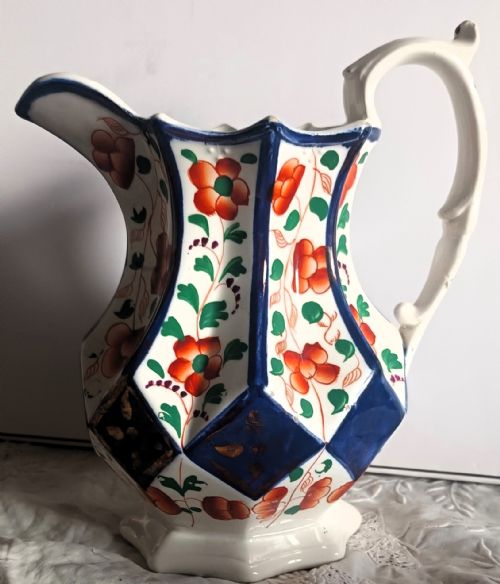
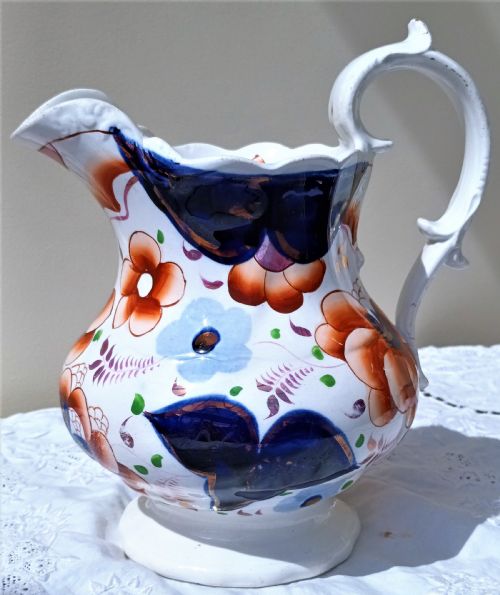
Gaudy Welsh pieces feature bold, accessible earthenware bodies decorated with vibrant cobalt blue, copper lustre, and iron red floral patterns. These domestic wares gained popularity during the nineteenth century for their cheerful, resilient appearance.
Named patterns like Drape and Harlech help collectors identify specific decorative families within this distinct Staffordshire and Welsh tradition.