



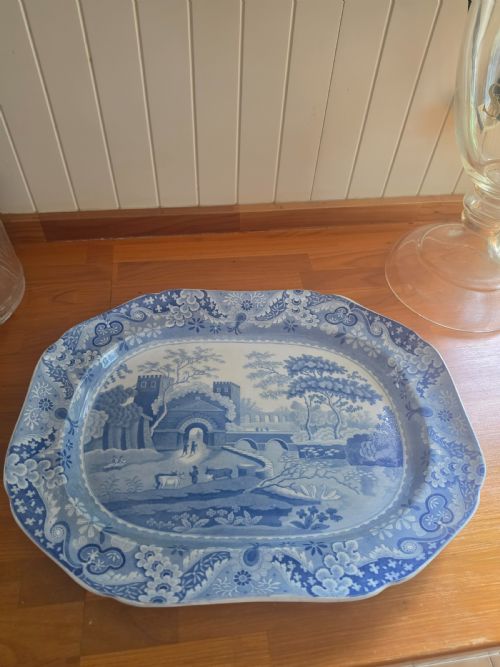
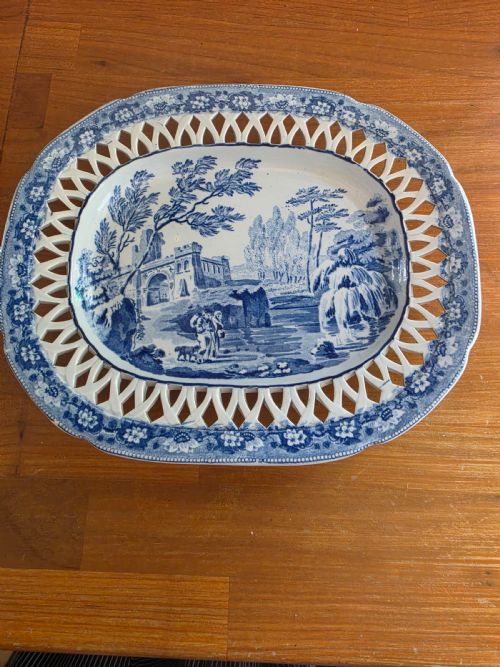
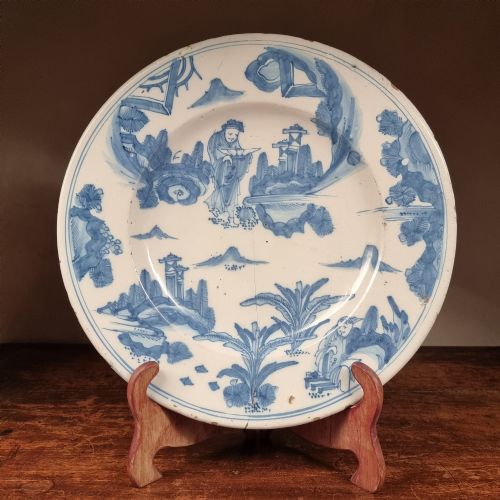
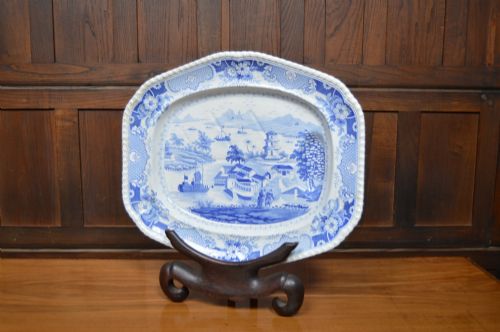
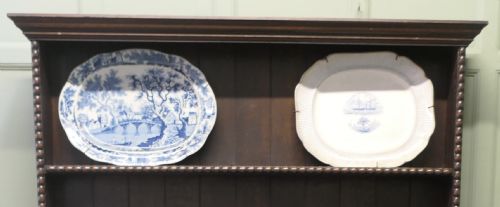
White Earthenware Platter
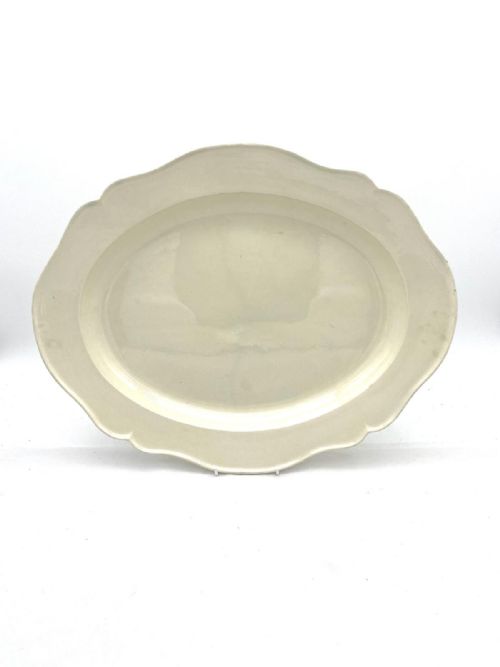
A white earthenware platter offers a generous surface for serving or display, combining utilitarian strength with the subtle crackle of age.
White Earthenware Platter
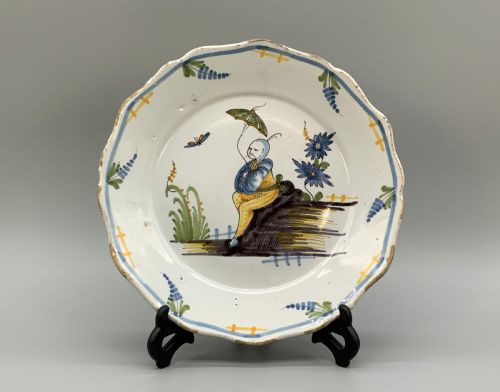
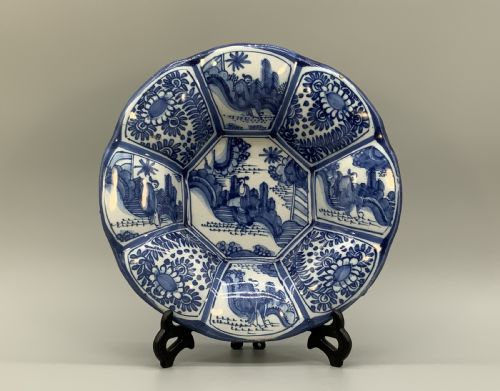
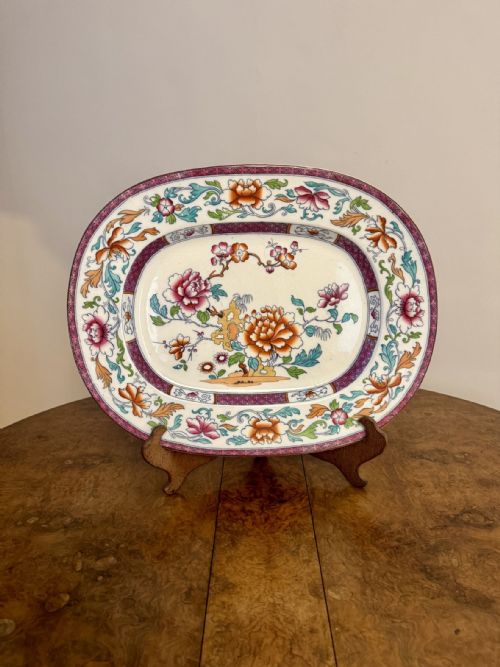
A white earthenware platter is a substantial ceramic dish designed for serving meat or presenting decorative chargers, frequently found in Georgian and Victorian forms.
The white earthenware platter encompasses tin-glazed earthenware, creamware, pearlware, and transferware pieces spanning from the 17th century through the Victorian era.
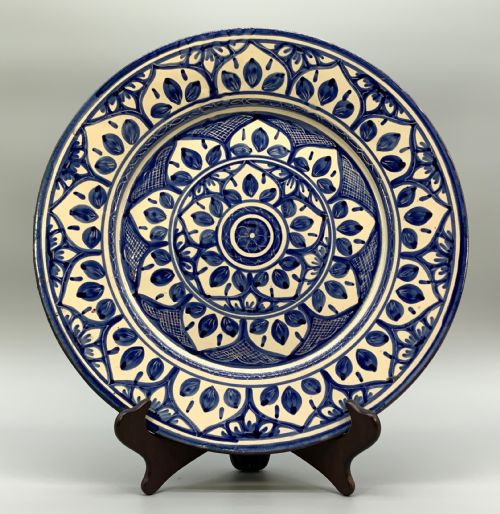
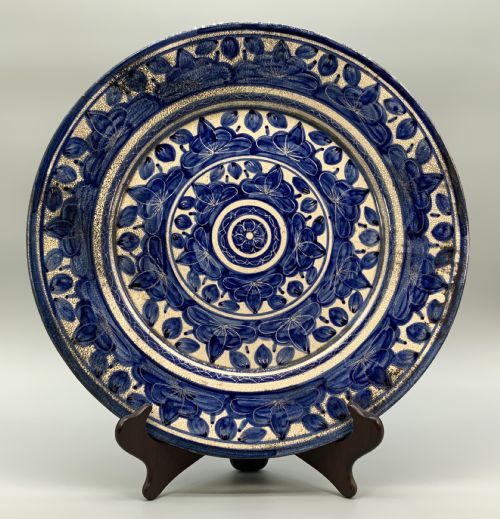
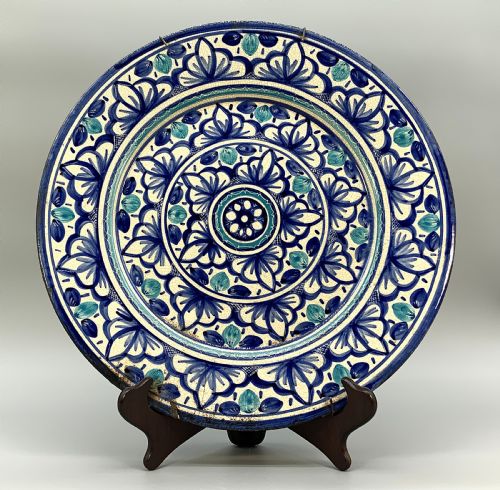
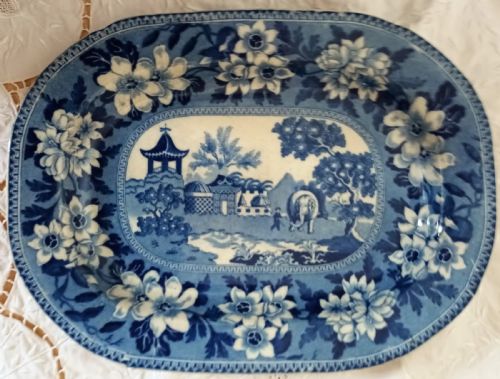
Buyers seeking a white earthenware platter will encounter serving dishes decorated with cobalt pigment in patterns such as Willow, Chinoiserie, and scenic views.
Materials and Method
Potters shaped absorbent earthenware bodies before coating them in tin glaze or transparent lead glaze to create a smooth surface for painting or transfer printing.
Makers applied cobalt pigment by hand or used transfer-printing techniques to transfer detailed engraved designs onto the ceramic body before firing.
Listings for white earthenware platters span the 17th, 18th, and 19th centuries, incorporating materials like pearlware, tin glaze, and ceramic.
Judging Quality
The refinement of the ceramic body and the crispness of the transfer-printed or hand-painted cobalt pigment distinguish finer examples from standard utilitarian wares.
Design complexity, such as pierced rims, lobed edges, or silver shapes, indicates higher ambition from the pottery.
Van Genden·Spode·Davenport·John Rogers And Son·Booths
The White Earthenware Platter Glossary
- Earthenware
- Porous pottery fired at lower temperatures than stoneware or porcelain. It requires a glaze to become impermeable to liquids.
- Pearlware
- An refined earthenware developed in the late 18th century featuring a bluish glaze that pooled in recesses to mimic Chinese porcelain.
- Transferware
- A ceramic decoration technique where a paper impression from a copperplate engraving is transferred onto the unfired or biscuit surface.
- Charger
- A large decorative plate or platter intended for display on a wall or sideboard rather than daily dining use.
- Tin-Glazed Earthenware
- Pottery coated with an opaque white glaze containing tin oxide, providing a smooth canvas for painted pigments.
White Earthenware Platter: Frequently Asked Questions
What is a white earthenware platter used for?
These large ceramic vessels served joints of meat at grand tables or functioned as decorative chargers displayed on walls and sideboards.
Today, they are collected for their historical transfer-printed scenes and used as striking centrepieces in traditional interiors.
How do I date a white earthenware platter?
Dating relies on examining the ceramic body type, such as distinguishing early creamware from later Victorian ironstone, alongside the style of the cobalt transfer print.
Backstamps, where present, and potting characteristics like footrim formation also offer clues to the period of manufacture.
Are these platters safe for modern food use?
Many antique platters exhibit age-related crazing in the glaze, which can absorb liquids and harbour bacteria over time.
Collectors generally prefer to use them for dry display or gentle service rather than everyday dining.
What is the difference between pearlware and creamware?
Creamware possesses a warm, buttery yellow tint in the glaze, developed by Josiah Wedgwood to rival porcelain.
Pearlware incorporates a small amount of cobalt in the clear glaze to produce a whiter appearance that resembles Chinese export porcelain.