
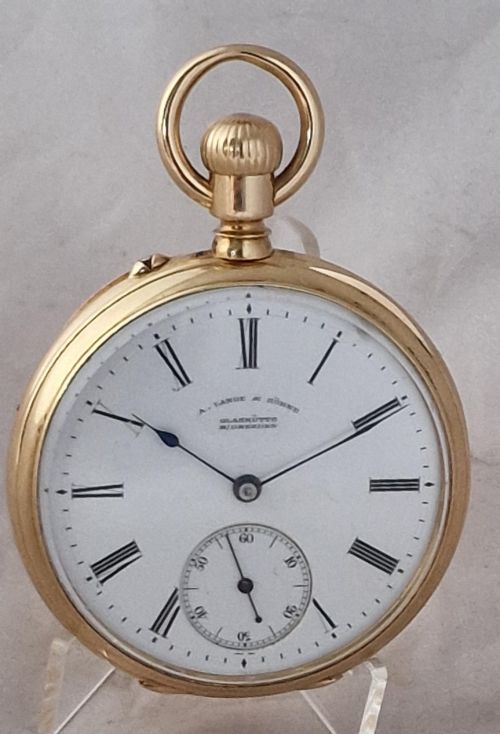
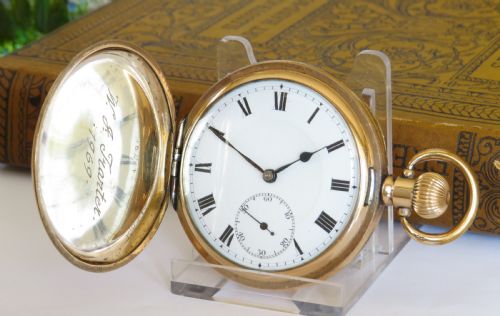
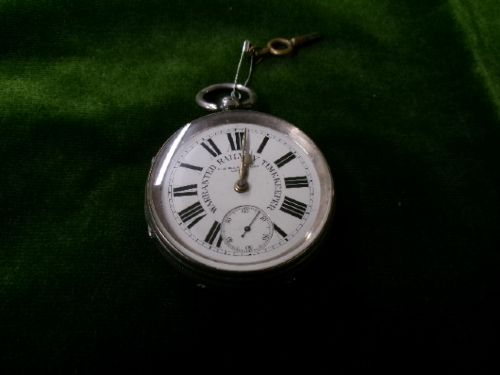
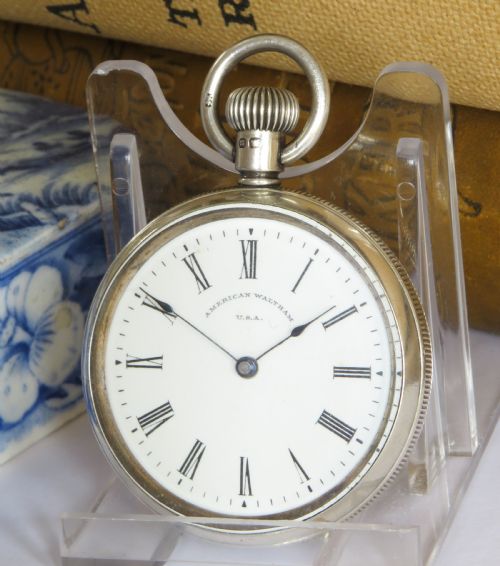


White Dial Pocketwatch
A white dial pocketwatch offers a crisp, legible face that suits daily wear or collection, spanning Victorian, Edwardian, and mid-century eras.
White Dial Pocketwatch
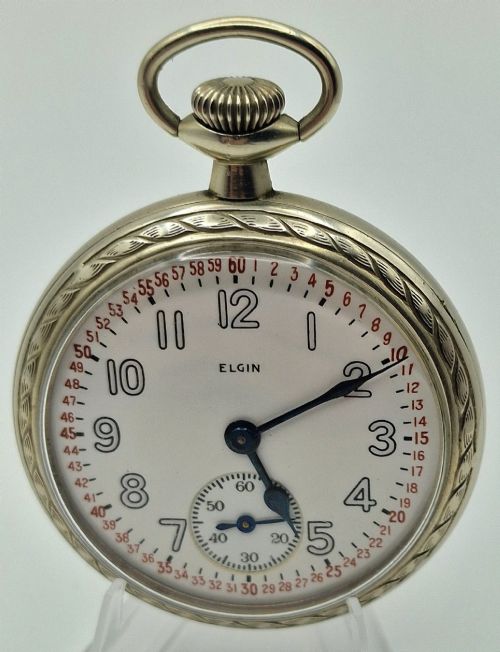
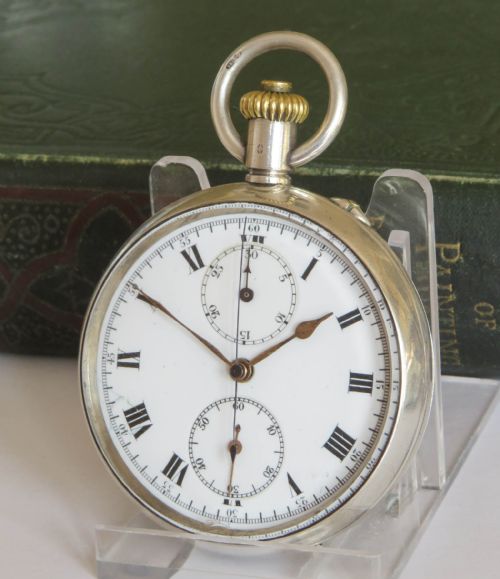
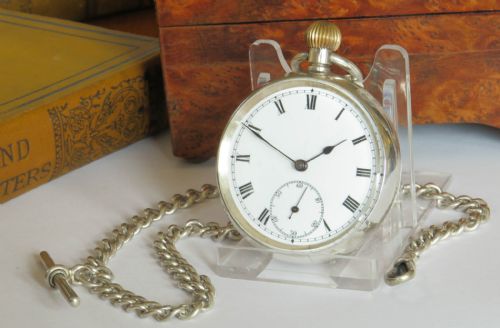
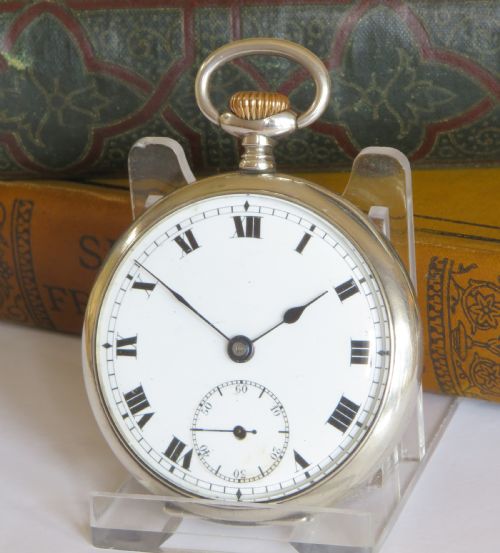
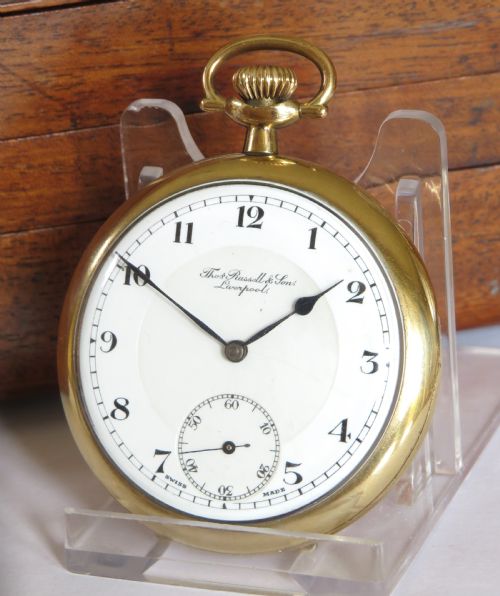
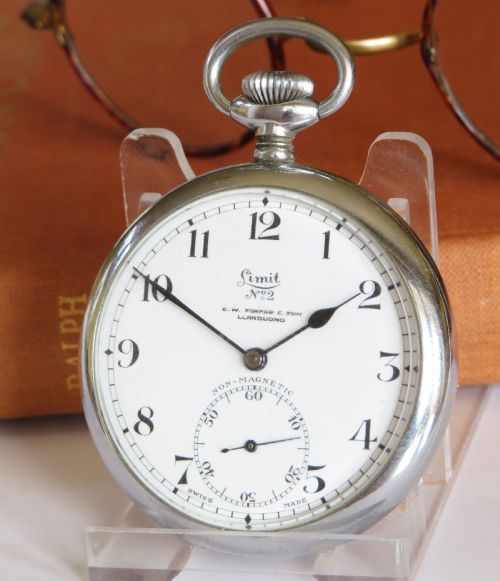
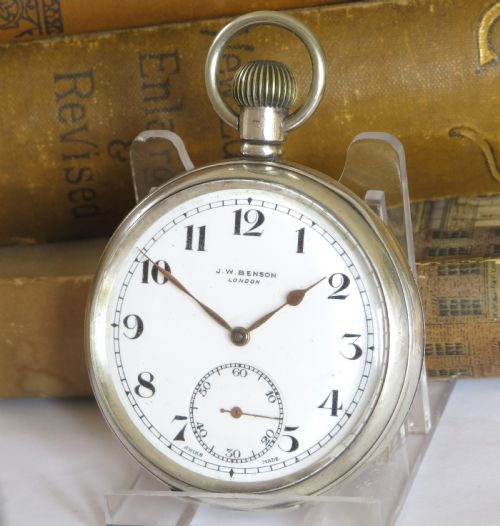
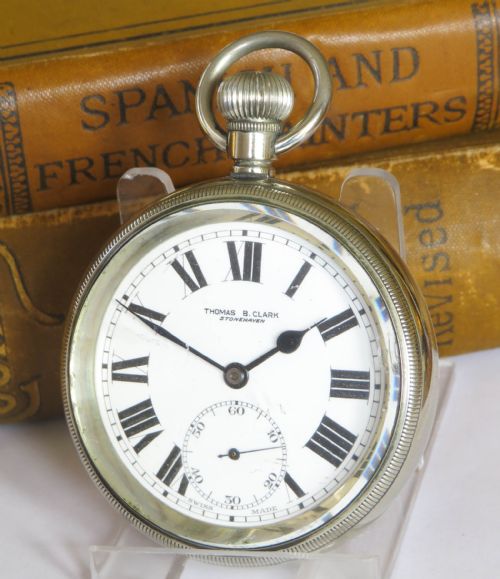
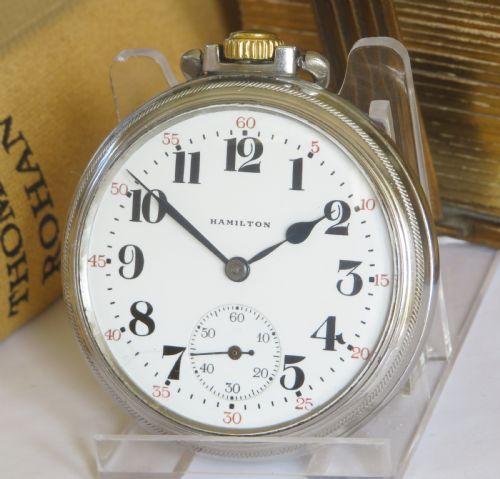
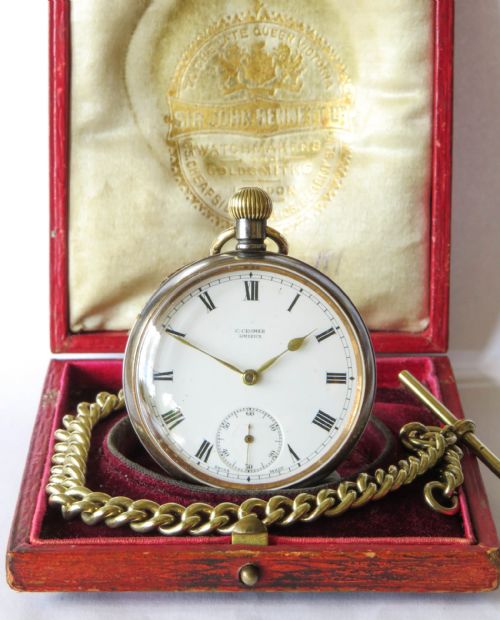
A white dial pocketwatch brings together portable timekeeping from the late Victorian period through to the 1950s. You will encounter silver cases alongside gold plate, steel, gun metal, and brass examples across these listings.
The selection ranges from railway timekeepers to full hunter designs and open-faced models. Pieces span Victorian, Edwardian, Art Deco, and mid-century styles, showing how pocket watches evolved over decades.
Most items you meet here date from the late nineteenth century up to the middle of the twentieth century. These watches reflect standard forms used for everyday navigation and work by past generations.
How they were made
Enamel serves as the primary material for the classic white dials seen across these pieces. Glass covers and protects the face, fitted into cases fashioned from silver, gold plate, steel, chrome, gun metal, or brass.
Makers utilised durable metals for the outer housing to withstand regular carrying in pockets or waistcoats. Skilled finishing of the enamel dials ensured clear legibility for the user over years of service.
Listings feature pocket watches from the Victorian period through the 1950s, utilising silver, gold plate, steel, and enamel.
What varies in quality
Case materials and metalwork distinguish the various grades of pocket watch found in this selection. Precious metals like silver and gold plate sit alongside sturdier utilitarian metals such as steel and gun metal.
The refinement of the movement and the clarity of the enamel dial mark the difference between standard production pieces and finer timekeepers. Details in the casing and the precision of the finishing dictate the standing of each watch.
Record·Thomas Russell & Son·Limit·Cyma·J W Benson·Revue·Lange & Sohne·Urania·Waltham·Hamilton·Omega·Consul·Alliance
The White Dial Pocketwatch Glossary
- Full hunter
- A pocket watch featuring a metal cover that springs open to protect the glass and dial. This style kept the face safe from scratches during heavy daily use.
- Open-faced
- A pocket watch design without a protective metal front cover, leaving the glass and dial exposed for immediate reading. This layout is common on railway and standard timekeepers.
- Enamel
- A glassy substance fused to a metal base under high heat to create a smooth, durable, and bright white watch face. It resists fading and maintains its clear appearance over decades.
- Gun metal
- An alloy of copper, tin, and zinc treated to produce a dark, corrosion-resistant finish. It was frequently used for watch cases in the late nineteenth and early twentieth centuries.
- Lever
- An escapement mechanism that delivers impulses to the balance wheel and regulates the release of power in mechanical watches. It improved accuracy in portable timepieces.
White Dial Pocketwatch: Frequently Asked Questions
How do I wind a pocket watch?
Mechanical pocket watches are wound by turning the crown at the top of the case until you feel gentle resistance. Care should be taken not to overwind the mainspring.
Depending on the specific movement, the watch will then run for a set number of hours before needing another wind.
What is a railway timekeeper?
A railway timekeeper is a pocket watch built to meet strict accuracy and legibility standards required by rail networks. They typically feature clear white dials with bold numerals.
These watches ensured guards and drivers kept precise time across the rail system.
How are different periods identified?
Periods are identified through a combination of case styles, dial typography, and hallmarks stamped into the metal. Victorian and Edwardian pieces often carry specific assay office marks and date letters.
Later pieces from the Art Deco and mid-century eras display distinct geometric numerals and streamlined casing shapes.
Can I carry a pocket watch daily?
Many of these pieces were designed for everyday carriage in pockets or secured with chains to waistcoats. Using a proper pocket watch chain helps prevent accidental drops.
Regular handling requires a gentle touch to preserve the vintage metalwork and delicate glass covers.