




White Ceramic Planter
A white ceramic planter brings scale and structure to a room, holding greenery within earthenware and porcelain vessels from the eighteenth century to the Edwardian period.
White Ceramic Planter
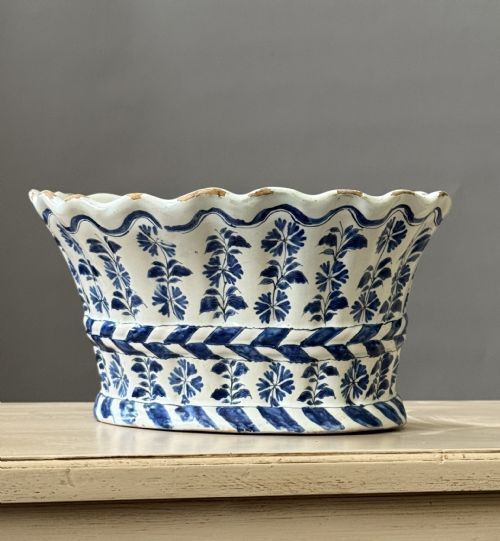
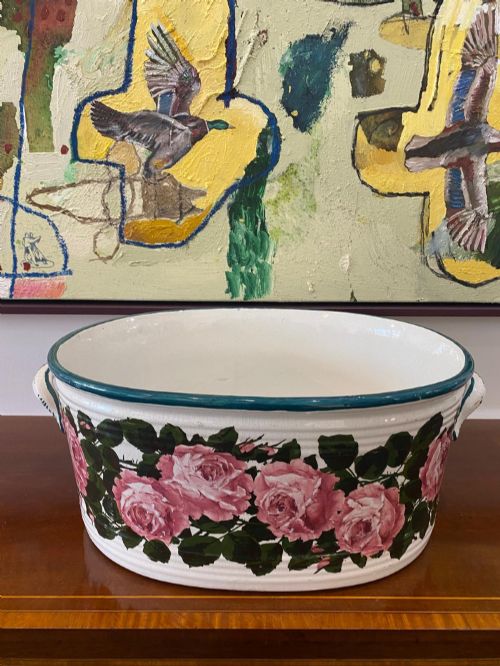
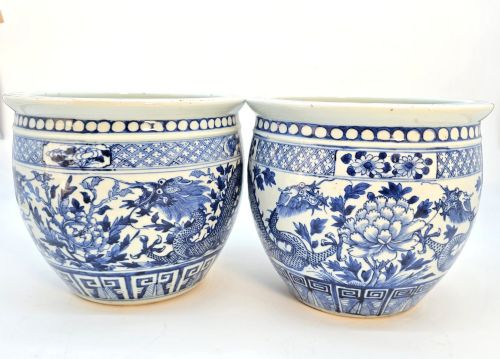
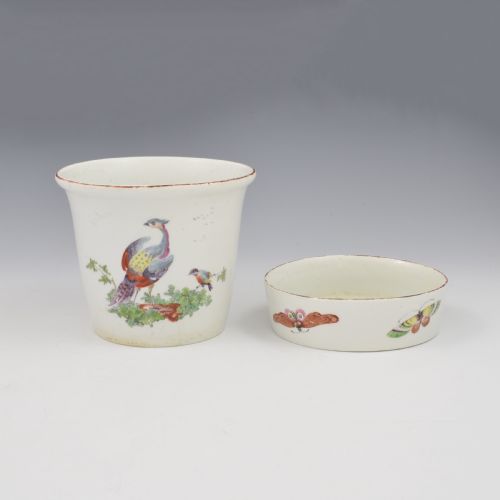
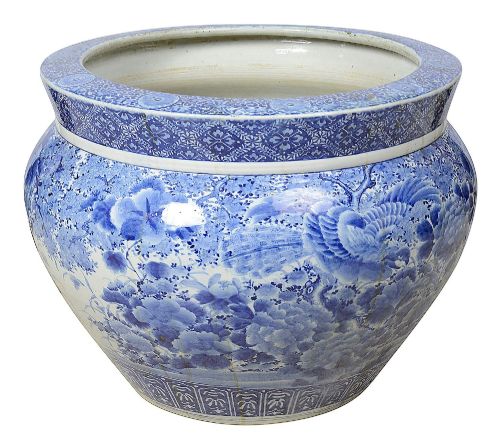
A white ceramic planter encompasses large jardinieres, footbaths, bough pots, and cachepots designed to house growing plants or cut flowers. Buyers searching for a white ceramic planter will find pieces spanning from eighteenth-century Delftware and Chinese export porcelain to nineteenth-century Victorian earthenware.
Earlier examples include tin-glazed earthenware and creamware from the seventeen-hundreds, alongside nineteenth-century Jasperware and Staffordshire pieces. Each form serves to elevate interior planting through traditional ceramic techniques.
Materials and production
Potters shaped these vessels using porcelain, earthenware, stoneware, and terracotta, applying glazes to seal the porous bodies. Many pieces utilise tin glaze or blue and white pigments painted directly onto the clay before firing.
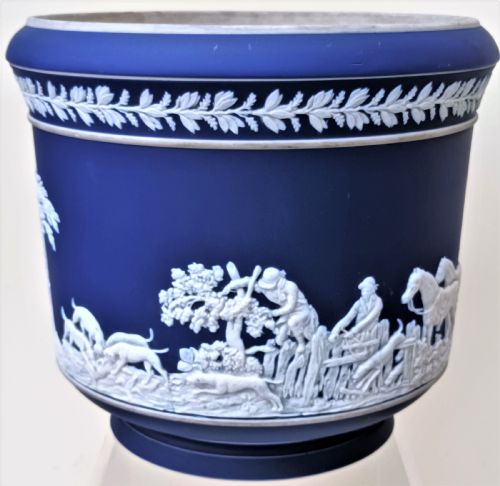
Moulding and hand-throwing formed the base structures, while later nineteenth-century pieces incorporated transfer printing for intricate geometric and floral motifs. Specialised bodies such as Jasperware allowed potters to apply contrasting moulded reliefs onto matte ceramic surfaces.
White Ceramic Planter Retail Price Guide 2026
Typical asking prices for white ceramic planter among the pieces listed under this phrase on Sellingantiques today, from the lower quarter to the upper quarter. They describe what is for sale here now, not the wider market.
Listings feature eighteenth-century Delftware, nineteenth-century Victorian Jasperware, and twentieth-century porcelain across multiple forms.
Evaluating the pieces
Quality rests in the crispness of the modelled detail and the depth of the glaze, particularly on painted porcelain and moulded Jasperware reliefs. Finer examples display precise control during high-temperature firing, resulting in unblemished surfaces and stable, well-balanced forms.
The pedigree of the pottery influences standing, with established manufactories and documented hand-painted decoration achieving greater definition. Consistency in the glaze application and the preservation of original stands or drip trays distinguish the finest specimens.
William Adams & Sons·Krister KPM Waldenburg·Wedgwood
The White Ceramic Planter Glossary
- Jardiniere
- A large ornamental pot or stand designed to hold a plant or flower arrangement indoors. These vessels often sit on the floor or a dedicated table.
- Cachepot
- An ornamental flowerpot cover intended to conceal a plain inner pot without a drainage hole in the base. The term translates from French as hiding pot.
- Jasperware
- A type of vitreous stoneware developed by Josiah Wedgwood featuring a matte surface in pastel shades applied with contrasting white reliefs. It remains distinct for its cameo-like appearance.
- Tin-glazed earthenware
- Pottery covered with a ceramic glaze containing tin oxide, which turns opaque white in the kiln and provides a smooth ground for painted decoration. Examples include Delftware and faience.
- Bough pot
- A specialised vessel created to hold blossoming tree branches or cut flowers for interior decoration during the eighteenth century. They frequently feature perforated lids to keep stems upright.
White Ceramic Planter: Frequently Asked Questions
What is a jardiniere used for?
A jardiniere acts as a large decorative container for growing plants or floral displays. In past interiors, these vessels sat directly on floors or furniture to bring greenery inside.
Today, they function similarly as statement planters for substantial house plants or decorative cachepots.
How do I care for antique ceramic planters?
Antique ceramic and earthenware vessels require gentle cleaning with a soft cloth and mild water if necessary. Avoid harsh chemical cleaners that might damage historical glazes or porous bodies.
Because many older pots lack modern drainage holes, place a waterproof liner inside to protect the historic ceramic from moisture damage.
How can I tell eighteenth-century pottery apart?
Eighteenth-century pieces often show hand-thrown irregularities, tin glazes, or early transfer printing techniques specific to their manufactory origin. Examining the base and the composition of the clay body helps identify the period.
Stylistic influences such as Chinoiserie or early blue and white painting also guide dating when compared against documented factory marks.
Can I use these planters outdoors?
Most antique ceramic and earthenware planters were designed for indoor domestic use and lack frost resistance. Freezing temperatures can cause historic porous bodies and glazes to crack.
Terracotta urns and specific stoneware pieces handle sheltered outdoor settings better, but delicate porcelain and tin-glazed items belong indoors.