


White Ceramic Cream Pitcher
A white ceramic cream pitcher brings tactile warmth to the table, and these period examples range from simple earthenware to fine porcelain.
White Ceramic Cream Pitcher
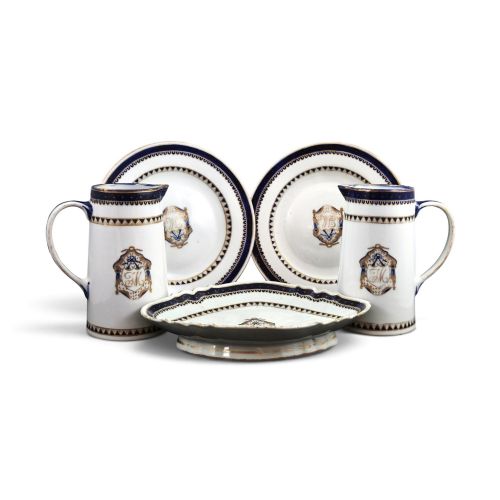
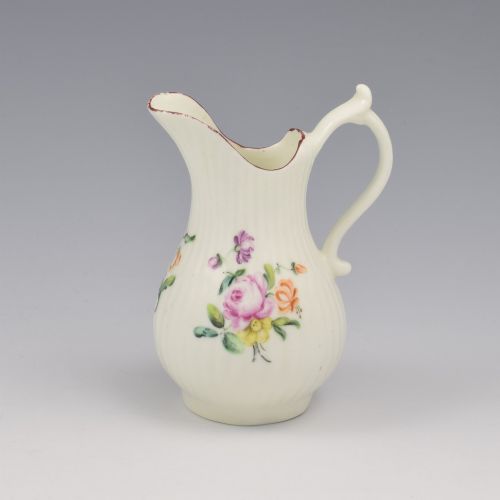
A white ceramic cream pitcher serves table cream and milk, appearing in varied forms from utilitarian earthenware to delicate porcelain table services. When you search for this phrase, you encounter objects spanning the eighteenth century through the Victorian era.
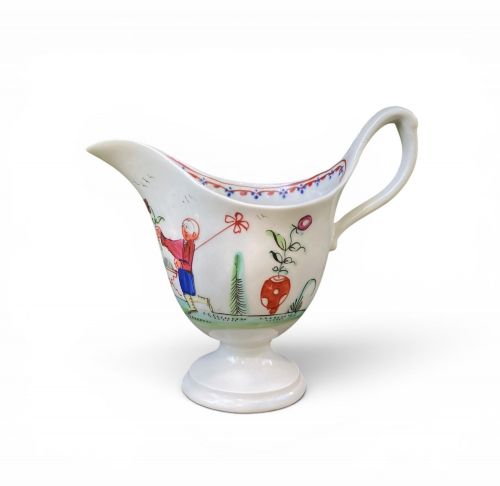
The selection includes specialised vessels like cow creamers, small jugs with clip handles, and baluster forms. Makers from Derby, New Hall, and Staffordshire feature prominently among these utilitarian and decorative tablewares.
How they were made
Potters shaped these vessels using earthenware, pearlware, and soft-paste porcelain, often applying cabbage leaf moulding or ribbing to the clay body. Glaze sealed the porous material, providing a smooth surface for handpainted motifs or transfer decoration.
Makers utilised gold leaf accents and polychrome enamels to embellish specific services. Firing techniques in early factories determined the clarity of the white ground and the durability of the glaze.
Cows pressed into service as cream jugs require pouring tea with one hand while holding a bovine tail with the other.
What varies in quality
The refinement of the ceramic body and the crispness of moulded details distinguish finer vessels from standard commercial wares. Early porcelain and pearlware exhibit delicate translucency and precise handpainted or transfer-printed decoration.
Artisanal execution in the painting of birds, insects, or landscapes elevates certain jugs above plain utilitarian examples. The survival of original gilding and the absence of heavy firing flaws determine the desirability of these pieces.
Derby Porcelain·New Hall·H & R Daniel·Leeds Pottery·John Rose Coalport·Jones & Walley·Meissen·Crown Derby
The White Ceramic Cream Pitcher Glossary
- Pearlware
- A refined earthenware developed in the late eighteenth century, featuring a subtle bluish tint in the glaze that pooled in recesses. It provided a paler ground than earlier creamware, mimicking the appearance of Chinese porcelain.
- Soft-paste porcelain
- An artificial ceramic composition fired at lower temperatures than hard-paste porcelain, common in eighteenth-century English factories. It yields a warm, creamy texture beneath the glaze.
- Baluster
- A cylindrical architectural form that swells towards the base, frequently utilised for jugs and pitchers of the eighteenth century. This profile offers both stability on the table and a comfortable grip.
- Cabbage leaf moulding
- A naturalistic relief decoration mimicking overlapping leaves, popular on earthenware and porcelain jugs of the Georgian period. It added texture to an otherwise plain white surface.
White Ceramic Cream Pitcher: Frequently Asked Questions
How do I date an antique cream jug?
Dating relies upon material composition, such as distinguishing pearlware from soft-paste porcelain, alongside stylistic indicators like moulding and handle shape. Factory marks, where present, help narrow the period of manufacture.
Examining the glaze and wear patterns underneath also guides the assessment of age.
Were cow creamers used daily?
Cow creamers served as both whimsical novelties and functional cream containers on Georgian and Victorian tea tables. Their unusual form made them conversation pieces during formal gatherings.
Fillers poured the cream through an opening on the cow's back while holding the tail as a handle.
What is the difference between earthenware and porcelain?
Earthenware is an opaque, porous ceramic fired at lower temperatures, requiring a glaze to hold liquids. Porcelain is denser, vitreous, and often translucent, created from finer white clays.
Porcelain commanded higher values and suited wealthier households.
Can I use these pitchers for serving today?
Many antique jugs remain structurally sound for serving cream or milk at the table. Hand washing is essential to preserve fragile glazes, handpainted enamels, and delicate gold leaf.
Sudden temperature changes should be avoided to protect the aged ceramic body.