





West Persian Tribal Weave
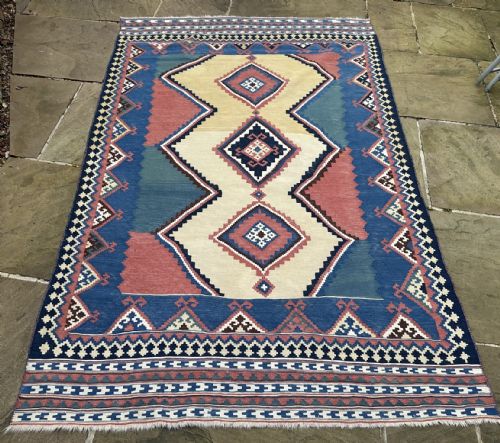
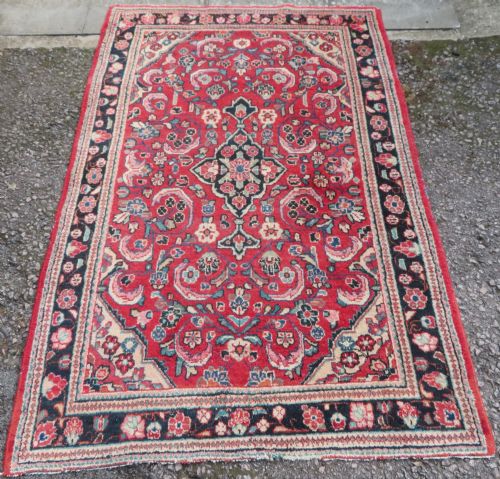
West persian tribal weave describes hand-knotted rugs, saddle-bags, and flat-weaves made by nomadic and village confederacies across western Persia during the nineteenth and early twentieth centuries.
West Persian Tribal Weave
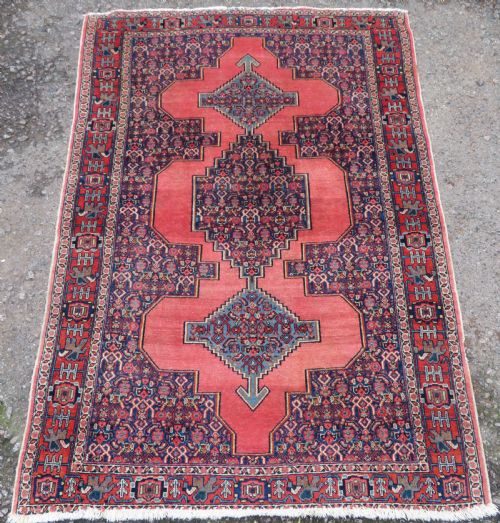
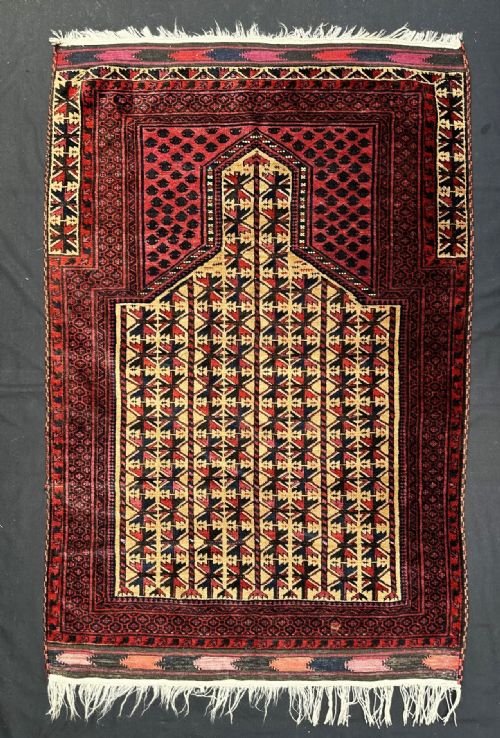
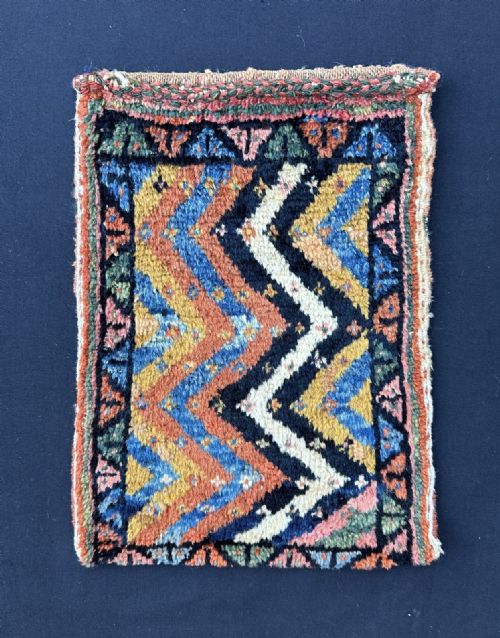
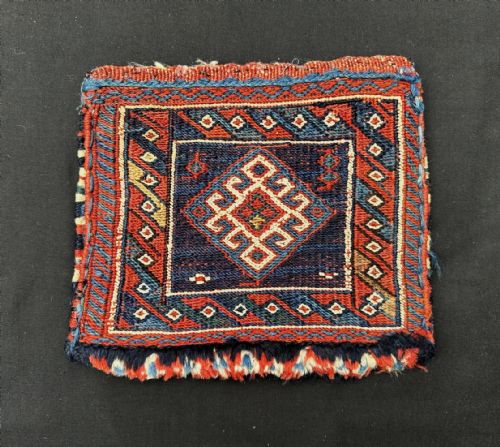
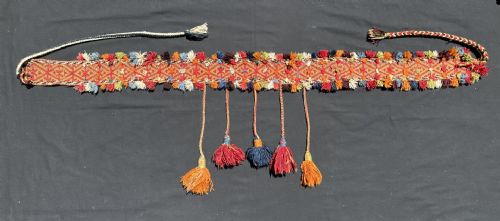
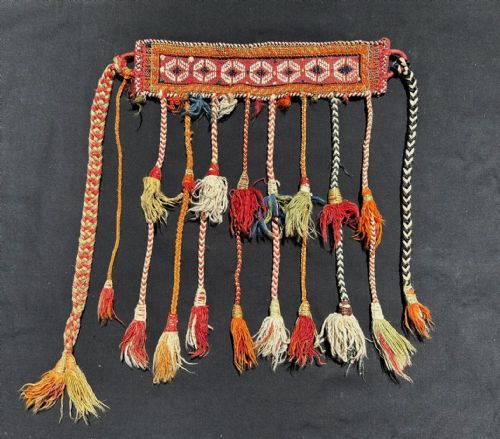
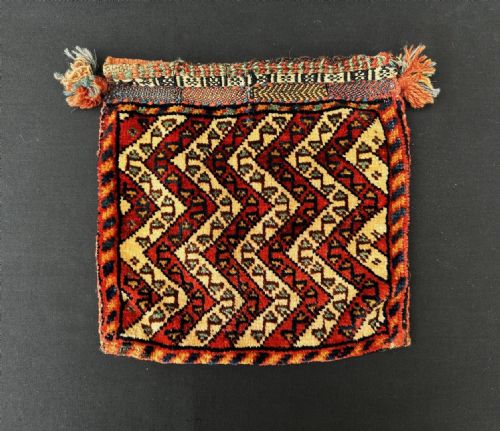
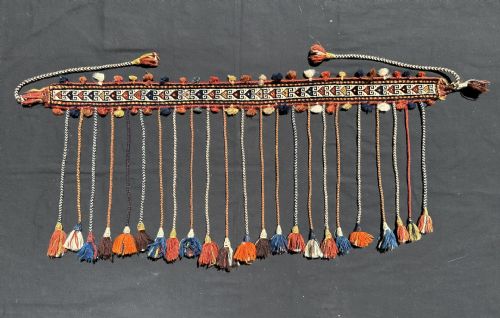
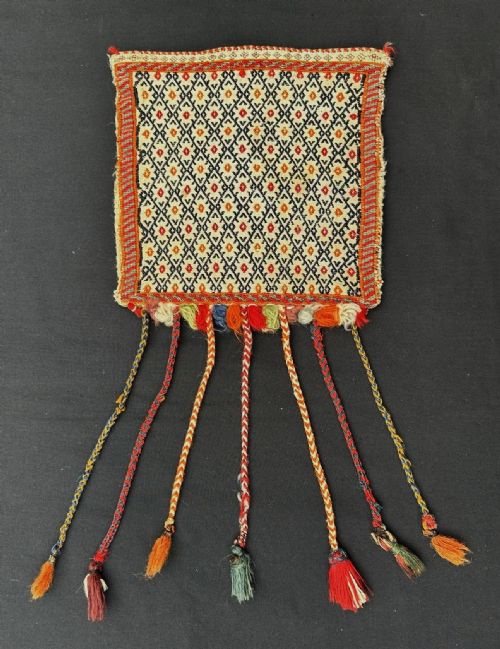
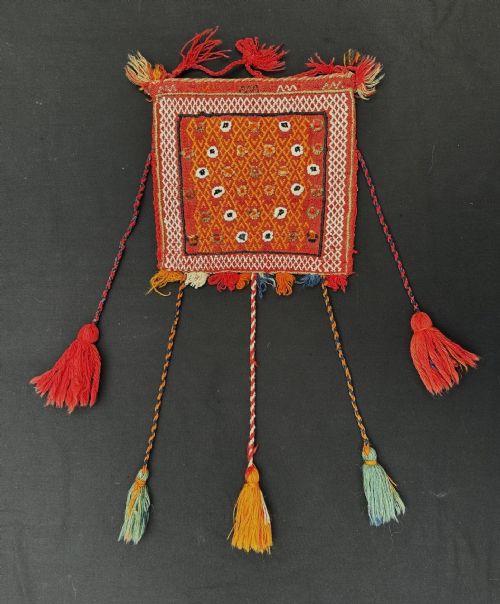
A west persian tribal weave encompasses practical utilitarian items produced by pastoral groups such as the Qashqa'i, Khamseh, Luri, Bakhtiari, and Kurdish tribes. These objects range from large floor carpets and runners to smaller personal items including vanity-bags, salt-bags, animal trappings, and dining sofreh.
Nomadic weavers created these textiles for daily domestic use within their camps and settlements rather than for export. Consequently, survival rates depend on the utility of the specific form, with bags and trappings frequently surviving alongside room-sized village rugs from origins like Mahal, Malayer, and Hamadan.
How they were made
Makers utilised hand-spun wool for the pile and structure, often combining cotton foundations in village rugs with goat hair and wool in nomadic bags for added durability. Natural dyes provided the palette, derived from local plants and minerals that aged to deep patinas across the nineteenth century.
Weavers employed vertical or horizontal floor looms depending on their migratory habits, executing knotting and flat-weaving techniques passed down through generations. Leather and metal details occasionally reinforced structural stress points on utilitarian storage bags and horse decorations.
West Persian Tribal Weave Retail Price Guide 2026
Typical asking prices for west persian tribal weave among the pieces listed under this phrase on Sellingantiques today, from the lower quarter to the upper quarter. They describe what is for sale here now, not the wider market.
Listings feature structural materials including wool, cotton, goat hair, and leather across nineteenth and early twentieth-century periods.
What varies in quality
The density and crispness of the knotting largely determine structural standard, separating tightly packed nomadic bag faces from looser utility weaves. Finer wool selection yields a softer handle and clearer articulation of geometric and animal motifs.
The saturation and complexity of the natural dye palette drive aesthetic distinction, where varied abrash and deep indigo or madder tones elevate a textile. Complete sets of paired saddle-bags and intact utilitarian fastenings also command greater scholarly and collector interest.
The West Persian Tribal Weave Glossary
- Sofreh
- A flat-woven or pile-woven cloth used primarily for kneading bread, dining, or wrapping flour. These textiles often feature bold geometric field arrangements specific to the nomadic group that made them.
- Khorjin
- A pair of saddle-bags linked by a central web, designed for transport across pack animals. Surviving examples frequently appear separated into individual half-bags due to utilitarian wear.
- Abrash
- A natural variation in wool colour caused by differences in dye batches or hand-spun yarn lots. This tonal gradation creates subtle horizontal shading across the field of the textile.
- Boteh
- A stylised almond or paisley motif representing a floral spray or cypress tree. It appears frequently across village rugs and runner fields in various geometric transformations.
- Jajim
- A heavy flat-weave textile constructed in narrow strips stitched together, utilised for bedding, coverings, or wall hangings. They typically display bold striped or banded geometric patterns.
West Persian Tribal Weave: Frequently Asked Questions
What is a tribal bag face?
A tribal bag face represents the decorative front panel of a utilitarian storage sack, which weavers ornamented with intricate symbolism while the back remained plain.
These panels survived when the rest of the bag wore out because owners cut away the sturdy backing fabric, preserving the detailed knotting for display or trade.
How do I care for antique wool rugs?
Antique wool rugs require gentle vacuuming without rotating beater bars and professional hand-washing when soiled. Natural dyes and hand-spun wool tolerate light foot traffic well but degrade under prolonged direct sunlight and excessive moisture.
Placing a breathable underlay beneath floor rugs prevents slipping and reduces friction between the weave and hard flooring surfaces.
How can I tell nomadic rugs from village pieces?
Nomadic pieces typically display asymmetrical structures, smaller formats suited for transport, and whimsical animal or tribal motifs woven from memory. Village pieces often utilise cotton foundations, rigid geometric layouts, and standard room dimensions intended for permanent settlement homes.
Regional attribution relies on specific wool characteristics, palette combinations, and edge-finishing techniques associated with particular tribal confederacies.
Were these textiles used outdoors?
Nomadic weavers created these functional items for life during seasonal migrations, exposing them to daily camp use, pack animals, and weather. Saddle-bags, animal trappings, and horse blankets endured rugged field conditions while serving functional transport roles.
Over decades of domestic survival, these working objects transitioned from utilitarian nomadic camp gear into protected interior textiles.