




West Persian Tribal Rug
A west persian tribal rug brings centuries of nomadic storytelling and geometric design straight to your floor.
West Persian Tribal Rug
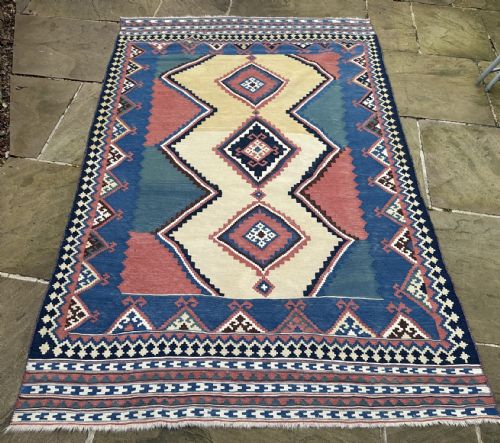
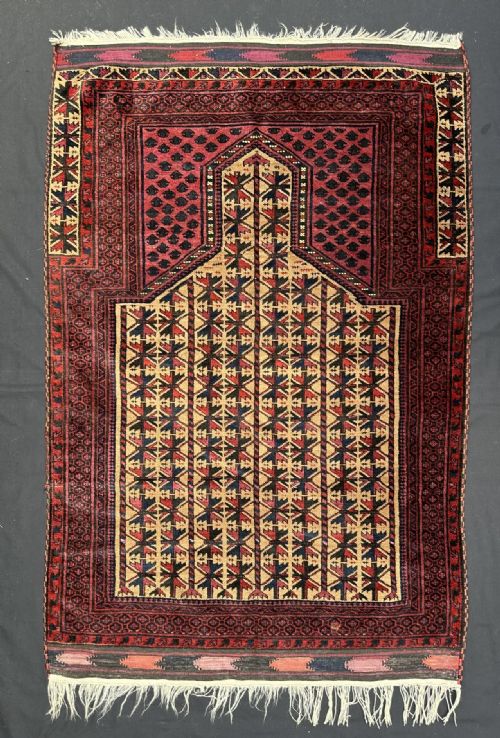
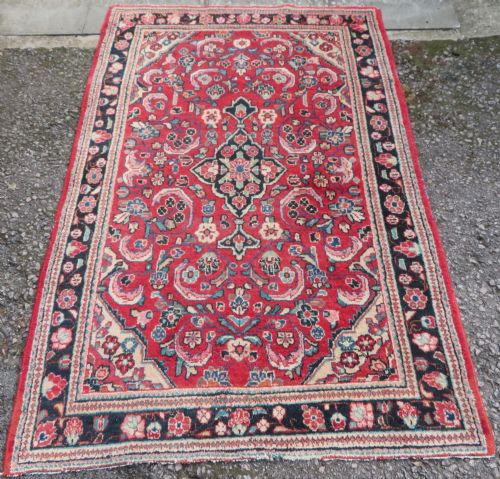
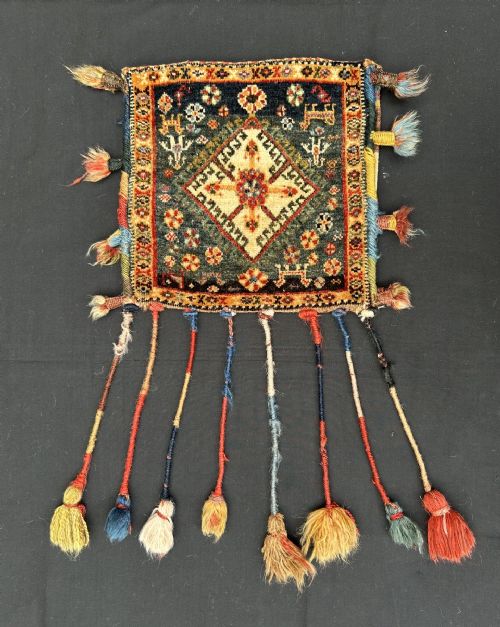
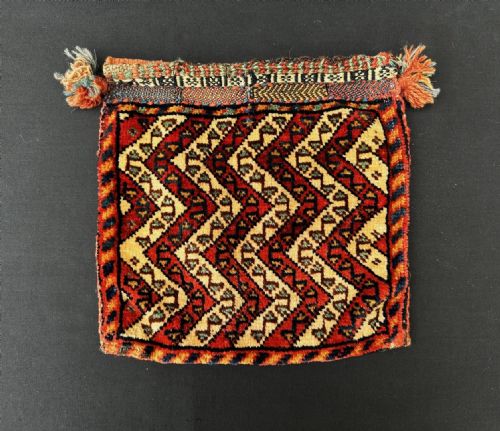
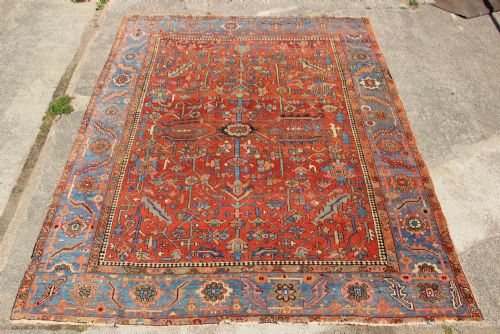
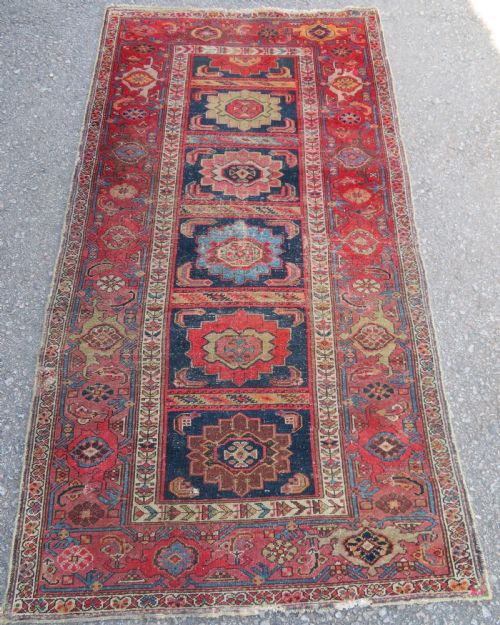
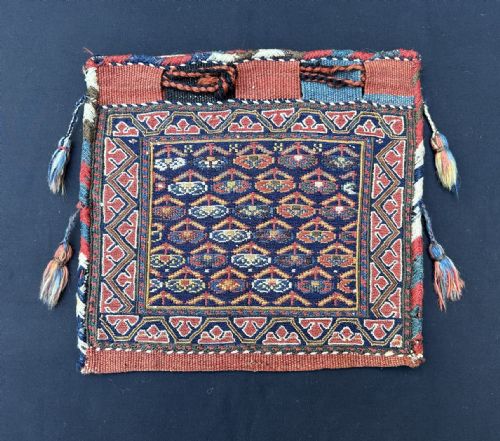
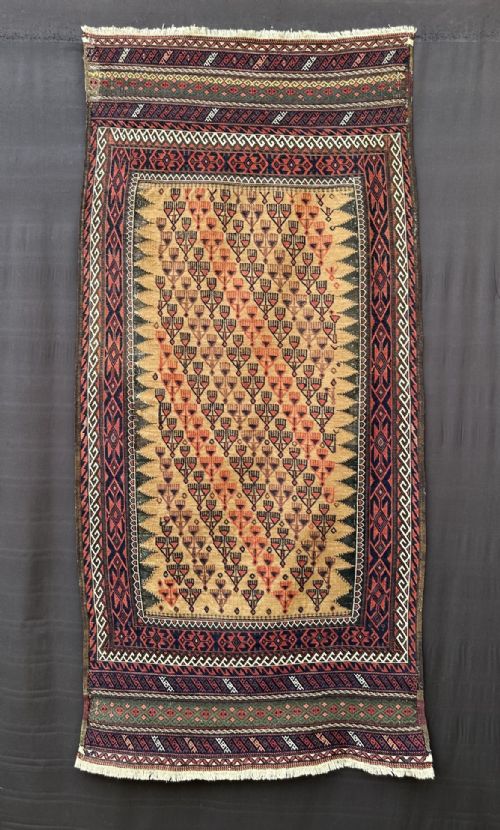
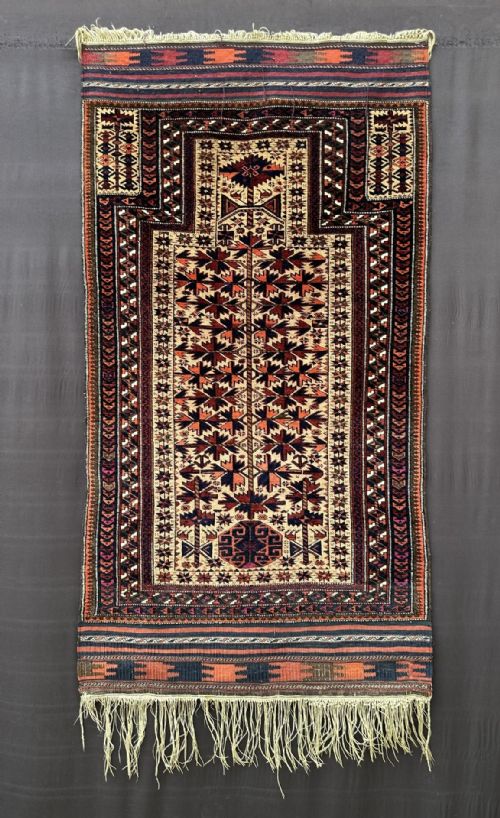
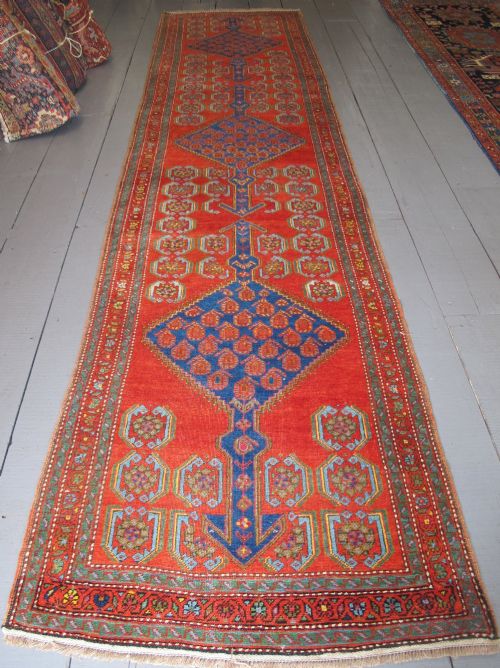
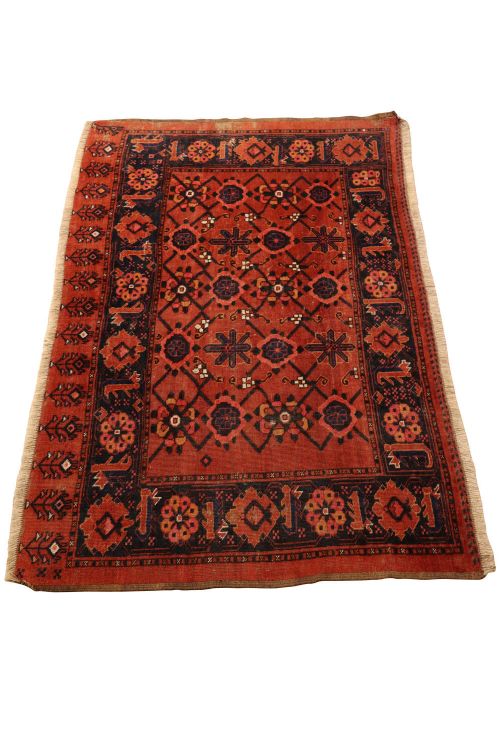
A west persian tribal rug encompasses hand-knotted carpets, runners, kilims, and utilitarian bags created by nomadic and village weavers across western regions. The selection on this page ranges from room-sized carpets down to small bag faces and cradles, representing diverse groups such as the Qashqai confederacy, Kurdish tribes, and Bakhtiari nomads.
Makers utilised traditional formats suited to nomadic life, including long runners, prayer formats, and specialised containers for salt, bread, and vanity items. These textiles bridge domestic utility and expressive tribal artistry, often bearing the distinct geometric and medallion motifs of their specific producing region.
Materials and Construction
Weavers constructed these pieces primarily using hand-spun wool for the pile, combined with cotton or wool foundations for structural stability. Natural dyes provided the palette, producing rich tones that ground the geometric and medallion designs across the surface.
Nomadic workshops and tent weavers integrated auxiliary materials like goat hair, leather, and wood into utilitarian items such as bags and cradles. Hand-knotting and flatweaving techniques ensured the durability required for daily nomadic existence.
Evaluating Quality and Execution
Quality in these textiles rests upon the fineness of the knotting, the handling of natural dyes, and the clarity of the underlying geometric composition. Tightly packed foundations and balanced proportions separate exemplary tribal weaving from standard utilitarian output.
The sophistication of the tribal motifs and the integrity of the wool directly influence the visual impact of the piece. Superior examples display harmonious dye saturation and precise execution of traditional tribal symbols.
The West Persian Tribal Rug Glossary
- Kilim
- A flatwoven textile produced without a pile, often utilised for floor coverings or storage hangings. These pieces rely on slit-weave techniques to create sharp geometric patterns.
- Sofreh
- A type of spread or cloth used during dining or bread-making rituals among nomadic groups. They frequently feature minimalist fields surrounded by bold tribal borders.
- Khorjin
- A paired saddle-bag designed for transport on animal back during migration. Surviving examples often display the face panel separated from the back.
- Tayefeh
- A sub-tribe or clan within a larger nomadic confederacy such as the Qashqai. Identifying the specific tayefeh helps pinpoint the geographic origin of a weaving.
- Medallion
- A central ornamental motif dominating the field of a rug or bag face. In tribal pieces, these are typically rendered in geometric or stylized floral forms.
West Persian Tribal Rug: Frequently Asked Questions
What is a tribal rug?
A tribal rug is a hand-knotted or flatwoven textile made by nomadic or village weavers rather than urban workshops. These pieces utilise traditional motifs passed down through generations.
They reflect the daily lives, environments, and cultural identities of the groups who made them, using materials sourced directly from their flocks.
How do I care for an antique rug?
Antique rugs require gentle maintenance, primarily consisting of regular light vacuuming without a beater bar. Professional cleaning should be undertaken periodically by specialists familiar with natural dyes and wool.
Keeping the textile out of direct, prolonged sunlight preserves the natural dyes. Using an appropriate underlay prevents slipping and reduces fibre wear.
Where were these rugs made?
These textiles originate from western regions of Persia, encompassing nomadic territories in Fars province and the broader Zagros mountain ranges. Different confederacies and tribes worked within distinct regional pockets.
Borderlands shared with neighbouring regions also produced distinct crossover styles influenced by multiple nomadic traditions.