






West Persian Kilim
These west persian kilim pieces are flatwoven tribal textiles that bring bold geometry and rich natural colour into modern spaces.
West Persian Kilim
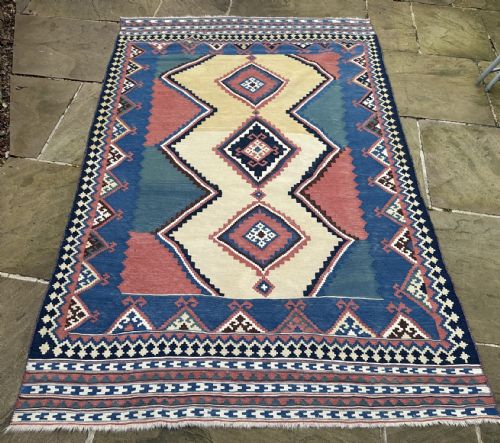
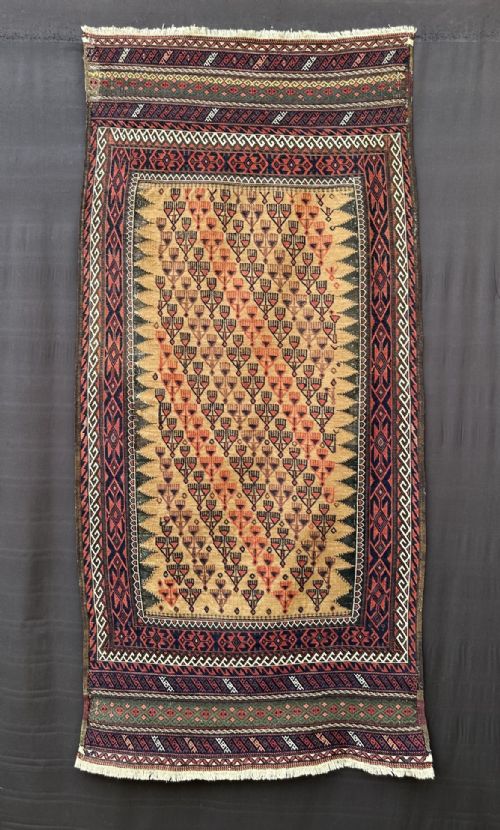
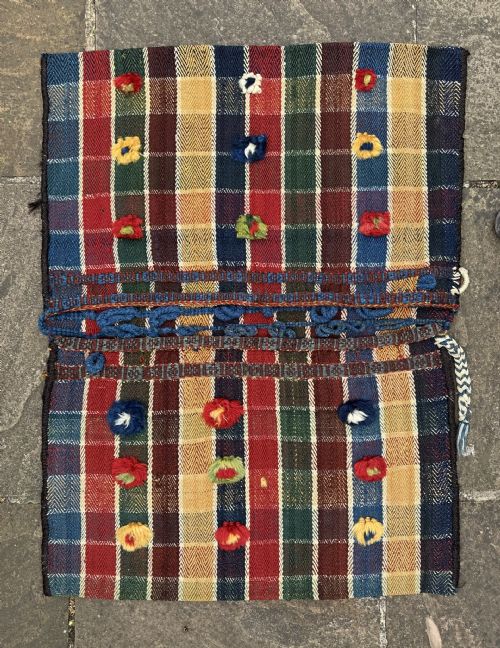
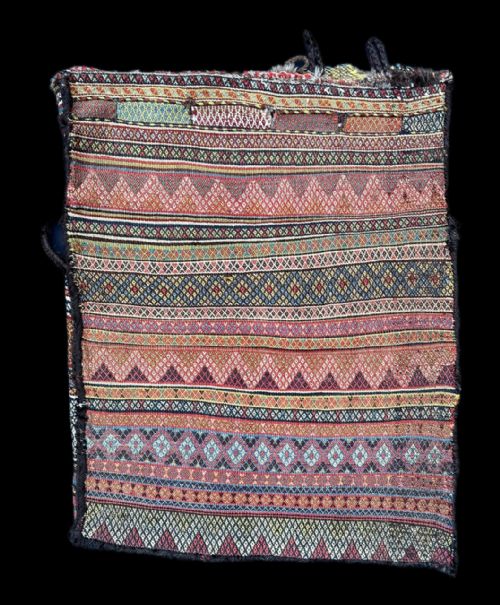
When someone searches for a west persian kilim, they encounter flatwoven tribal textiles created by nomadic and village groups across the region. These items include flatweave rugs, grain sacks, bread sofreh, and saddle bags produced from the late nineteenth century into the early twentieth century. The Qashqai tribes of Fars Province and Kurdish groups of West Persia appear most frequently among these listings.
Nomadic weavers utilised these portable flatweaves for daily domestic functions rather than static floor display. Dining sofreh served for communal meals, whilst salt bags and storage bags held provisions within tents. The absence of a pile structure made these textiles light to transport during seasonal migrations.
Materials and construction
Weavers constructed these pieces primarily from wool, hand-spun wool, and cotton foundations, often incorporating goat hair, camel hair, and leather for added structural resilience. Natural dyes provided the colour palette, yielding deep tones across geometric fields. Metal elements occasionally appeared on utilitarian items like storage bags.
The slit-tapestry technique formed the core of the flatweave construction, where weft threads returned at the boundary of each colour block. This method created distinct vertical splits or small interlocking joins between colour changes. The resulting fabric possessed no pile, offering a durable and reversible surface.
Materials across these listings include hand-spun wool, natural dyes, goat hair, camel hair, leather, and metal.
Assessing quality in flatweaves
Quality rests upon the fineness of the weave and the precision of the geometric layout. Tightly packed wefts create a stable, resilient textile that withstands physical use. The complexity of the tribal motifs and the saturation of the natural dyes distinguish superior examples from standard utility pieces.
The handling of wool also dictates the overall standard of the object. Hand-spun wool retains natural lanolin, which gives the textile a supple handle and a soft lustre. Consistency in spinning and dyeing across the entire surface marks the work of accomplished weavers.
The West Persian Kilim Glossary
- Kilim
- A flatwoven textile produced without a pile through interlocking weft techniques. These pieces function as rugs, covers, or utilitarian storage containers.
- Sofreh
- A flatwoven cloth used specifically for laying out meals or preparing bread dough. They often display striking minimalist geometry.
- Soumak
- A brocade-like flatweaving technique where supplementary weft threads wrap around the warp threads. This method creates a textured, ribbed surface on the face of the textile.
- Tayefeh
- A subtribe or clan within a larger tribal confederacy such as the Qashqai. Specific tayefeh groups maintained distinct design repertoires.
- Warp
- The stationary vertical threads stretched onto the loom before weaving begins. In these textiles, cotton or wool forms this foundational grid.
West Persian Kilim: Frequently Asked Questions
What is a west persian kilim?
A west persian kilim is a flatwoven textile made by nomadic and village tribes in western regions of Persia. These items include rugs, sofreh cloths, and storage bags created during the nineteenth and early twentieth centuries.
Weavers used wool and natural dyes to produce durable, portable textiles for everyday nomadic life. Each piece reflects the specific tribal heritage and traditions of makers such as the Qashqai or Kurdish groups.
How were these bags used?
Nomadic communities utilised saddle bags, salt bags, and storage bags for transporting and housing personal possessions during seasonal migrations. These containers held provisions, grain, and domestic goods inside tents.
Sturdy materials like goat hair and leather reinforced high-stress areas such as hanging loops and bases. Their flatwoven structure ensured the bags remained lightweight yet robust enough for constant travel.
How do I care for a flatweave?
Protect your flatweave by using a quality underlay to prevent sliding and reduce friction against hard floors. Regular gentle vacuuming without a rotating brush roll keeps dust from settling into the weave.
Keep the textile out of direct, harsh sunlight to preserve the integrity of the natural dyes. Professional cleaning by a specialist in antique oriental textiles is recommended when deep maintenance is required.
How can I tell tribes apart?
Tribal attribution relies on specific design motifs, colour combinations, and structural characteristics unique to each weaving group. Qashqai pieces often feature complex geometric medallions, whilst Kurdish or Afshar works display distinct border arrangements and palette choices.
Regional materials also offer clues, such as the specific quality of hand-spun wool or the choice of foundation fibres. Comparing structural details helps narrow down the probable origin within West Persia.