





West African Art
West african art encompasses traditional objects from across the region, offering collectors remarkable ceremonial sculptures, masks, and metalwork shaped by distinct cultural traditions.
West African Art
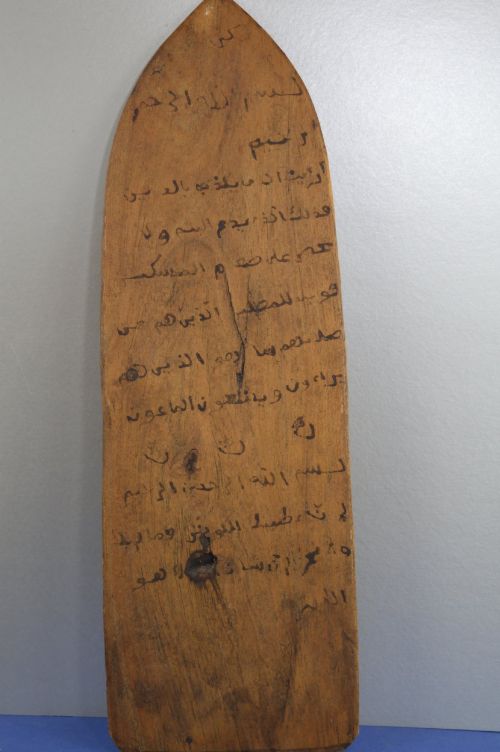
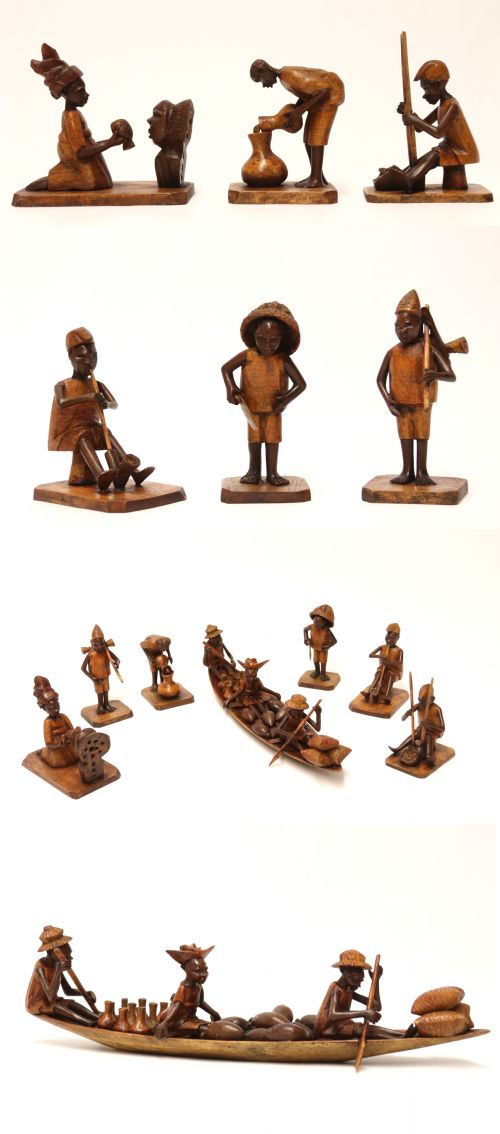
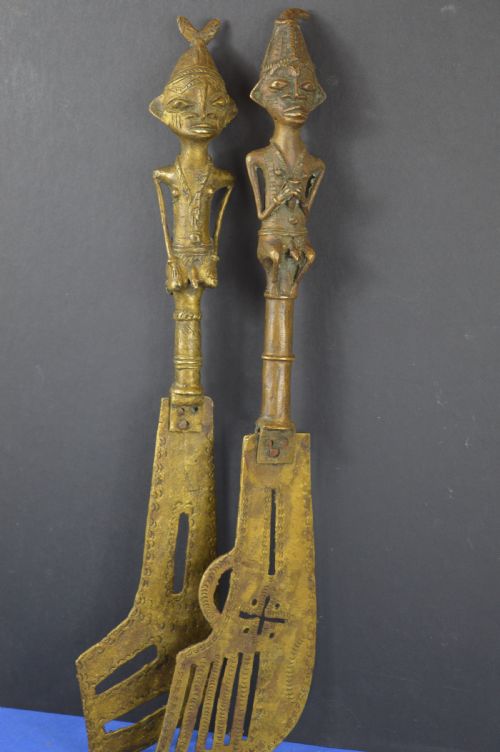
West african art spans a diverse array of ritual artefacts, utilitarian objects, and prestige pieces originating from distinct communities and regions. These include figural sculptures, ceremonial axes, and functional items like stools, chairs, and pipes.
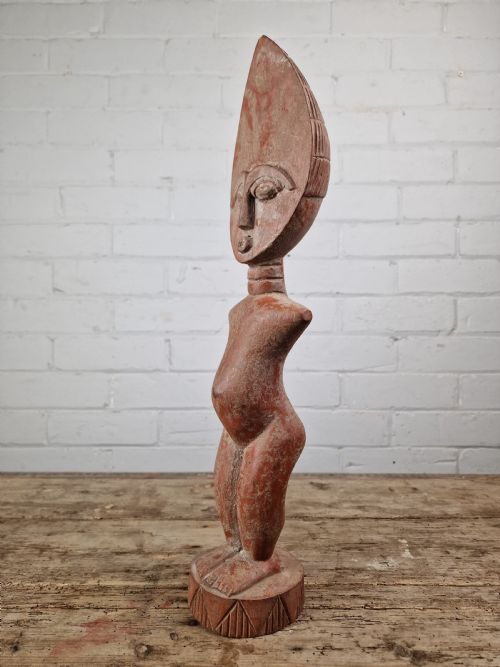
The objects frequently reflect specific cultural groups, such as the Yoruba, Ashanti, Benin, Dogon, and Baule peoples. Works range from wooden fertility figures and carved masks to cast bronze busts, statues, and vessels.
Dating ranges from the nineteenth century through the Edwardian period and into the mid-twentieth century. Buyers encounter both utilitarian domestic items and significant ceremonial objects created for specific societal roles.
Determinants of quality
Quality rests heavily on the sculptural depth, precision of carving, and overall proportion of the form. Works displaying confident handling of anatomical or stylistic details by skilled makers stand apart from simpler execution.
Surface condition, including the depth of natural patina acquired through handling and use, significantly influences character. The presence of original pigments or well-preserved surface treatments adds depth to the material history of an object.
The selection includes functional objects such as chairs, stools, pipes, slingshots, and combs alongside figural sculptures.
Abegunde of Ede
The West African Art Glossary
- Patina
- The surface sheen and coloration developed through age, handling, and use. A good patina indicates genuine period handling.
- Lost-wax casting
- A metal casting method where a molten metal is poured into a mould created by melting away a wax model. This technique produces detailed bronze and brass sculptures.
- Ibeji
- A wooden twin figure carved by the Yoruba people to honour a deceased twin. These figures often feature detailed carving and traditional adornment.
- Récade
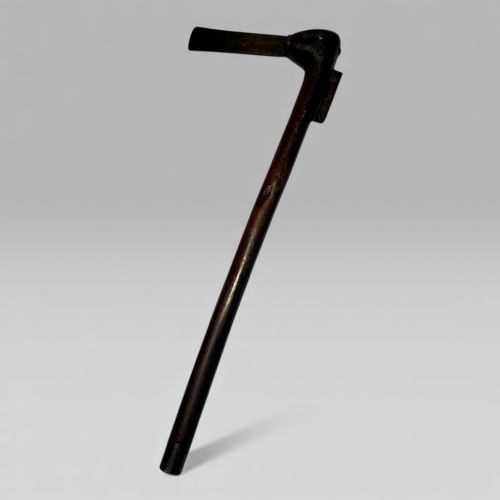
- A ceremonial axe or staff associated with West African royalty, particularly from Dahomey. They served as symbols of authority and messengers of the king.
- Tribal mask
- A carved wooden or mixed-media face covering worn during ceremonies and rituals. These masks embody spiritual forces and cultural narratives.
West African Art: Frequently Asked Questions
What are tribal masks used for?
Tribal masks were created for use in traditional ceremonies, dances, and rituals specific to various West African peoples. They often embodied spiritual entities or ancestors during communal gatherings and rites of passage.
Over time, many of these masks transitioned from active ceremonial use into cultural artefacts appreciated for their sculptural form and expressive carving techniques.
How do I identify a bronze statue's period?
Identifying the period of a bronze piece involves examining the casting quality, the style of the ornamentation, and the characteristics of the metal surface. Stylistic conventions often point to specific workshops or regional traditions associated with nineteenth and twentieth-century production.
Patina and wear patterns also help establish age, distinguishing older cast pieces from later works. Comparing proportions and iconography with documented examples provides further context.
How should I display wooden sculptures?
Wooden sculptures and masks benefit from stable indoor environments away from direct sunlight and dramatic humidity fluctuations. Placing them on secure mounts or flat surfaces ensures they remain balanced without requiring intrusive fixings.
Allowing sufficient space around each piece highlights the carving details and grain of the hardwood. Regular, gentle dusting with a soft brush preserves the surface pigments and natural patina.
What distinguishes Yoruba figures from other regions?
Yoruba figures often feature distinctive facial expressions, elaborate hairstyles, and traditional body adornment reflecting specific cultural roles. Master carvers utilised dense hardwoods to create detailed statues, twin figures, and staffs with balanced proportions.
These pieces frequently display a deep understanding of human form combined with symbolic iconography unique to Yoruba spiritual and social structures.