




Welsh Vernacular Seating
Welsh vernacular seating brings together robust local chairs, settles and benches built from native woods for everyday domestic life.
Welsh Vernacular Seating
Welsh vernacular seating encompasses utilitarian forms created for country interiors, spanning centuries of regional domestic life. Buyers encountering these pieces will find armchairs, settles and stools shaped by local necessity and available timber.
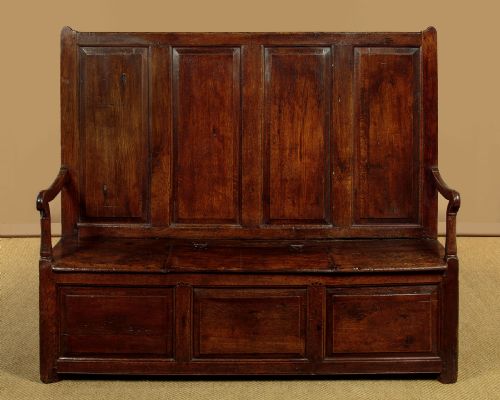
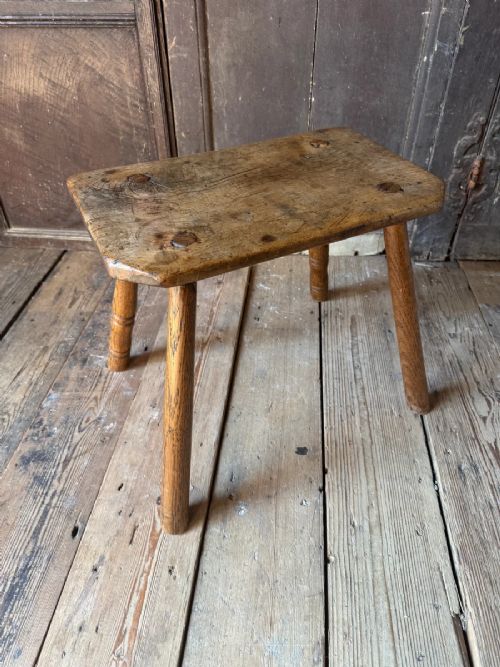
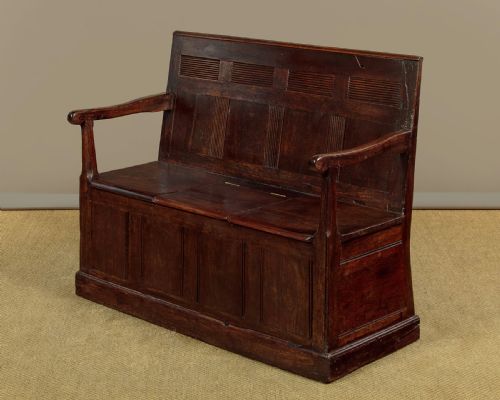
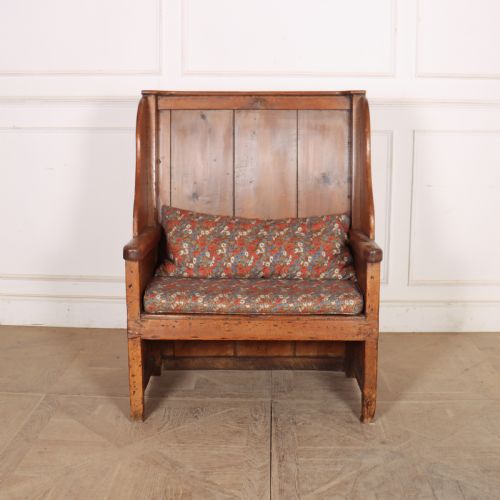
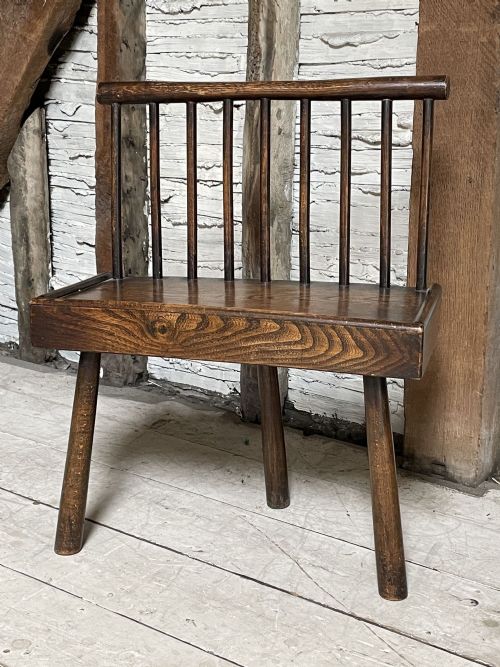
The objects on this page range from small children's chairs to large oak box settles and tavern benches. These diverse forms reflect the practical seating arrangements of rural households across different periods.
Examples date from the seventeenth century through to the early twentieth century, showing sustained regional traditions in British country furniture. The construction leans heavily on local timbers and straightforward carpentry.
Materials and construction
Makers utilised native hardwoods such as oak, ash, elm, sycamore and pine, often combining multiple timbers within a single piece. Planks, turned spindles and solid seats form the core structural elements of these chairs and settles.
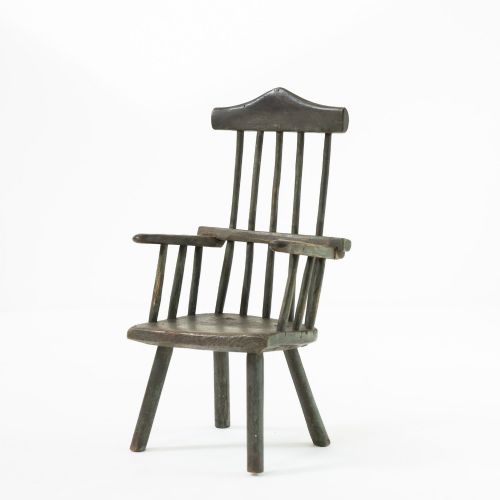
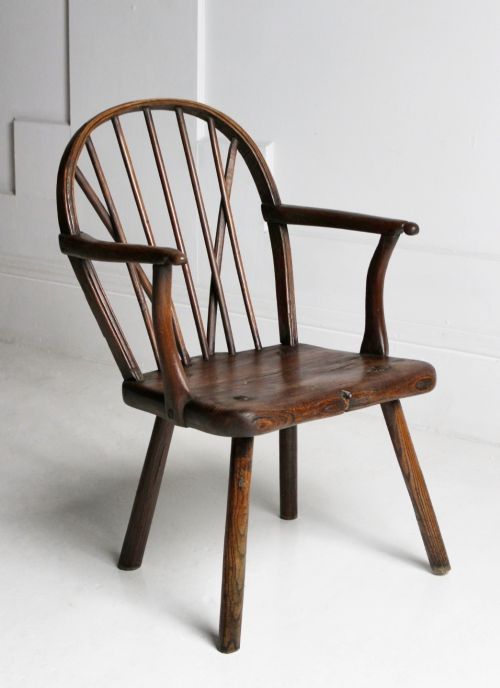
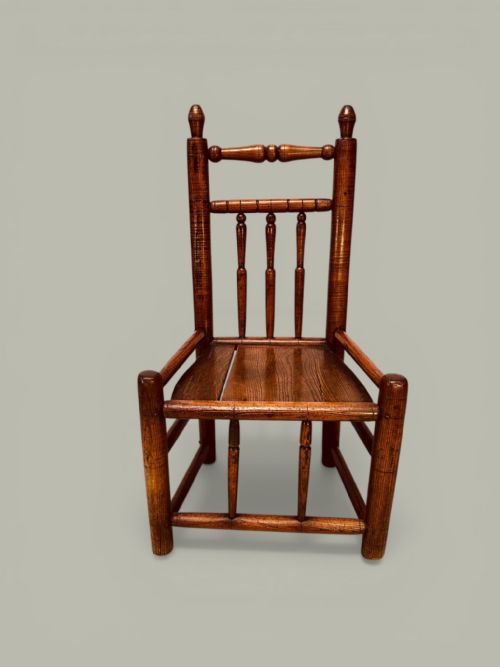
Stick back, comb back and hoop-back designs utilise shaped wooden rods wedged into solid seats using traditional boring and wedging techniques. Paint finishes and iron fixings appear alongside exposed timber joints.
Small children needed sturdy seating too, resulting in miniature stick backs and tiny rocking chairs built to adult standards.
Assessing quality and character
The distinction between pieces rests on the harmony of proportions, the integrity of the timber and the handling of regional joinery. Robust construction and honest signs of use distinguish well-balanced country pieces.
Surface patination, original paint layers and the preservation of early stick backs or panels alter the visual weight and historical character of each chair or bench.
The Welsh Vernacular Seating Glossary
- Box settle
- A high-backed wooden bench featuring a solid enclosed storage compartment beneath the seat. This form provided draught protection in large rural rooms.
- Stick back
- A chair construction where turned or shaped wooden spindles are tenoned directly into a solid wooden seat. It represents a primary method in country chair-making.
- Comb back
- A Windsor-style chair variation where the top rail resembles the teeth of a comb, often featuring extended spindles. This design offers added upper back support.
- Vernacular
- Architecture and furniture built by local craftsmen using traditional methods and regional materials without academic design influence. It prioritises function over high-style fashion.
- Harlequin set
- A group of chairs that match in general style and period but vary in minor details and exact dimensions. Such sets were assembled from individual country pieces.
Welsh Vernacular Seating: Frequently Asked Questions
What is a box settle?
A box settle is a high-backed wooden bench with an enclosed storage box beneath the seat. It kept sitting occupants away from cold draughts in old farmhouses.
These pieces served as combined seating and storage for household textiles or equipment. Their solid panels block cold air effectively.
How do I identify stick back chairs?
Stick back chairs feature slender wooden spindles fitted directly into a thick wooden seat slab. They rely on simple bodging and carpentry traditions.
Makers used local woods like ash and elm for these stems. The design distributes weight simply across the wooden base.
Where were these pieces made?
These pieces originate from rural workshops across Wales, utilising local timber supplies. Carpenters and turners built them for everyday domestic use.
Town and country makers adapted styles to suit regional farming and tavern requirements. Local materials dictated the final appearance.
How do I care for antique country furniture?
Keep wooden furniture away from direct heat sources and sudden temperature fluctuations. Stable indoor conditions protect dry timbers and historic finishes.
Apply traditional wax sparingly to nourish exposed oak, pine and elm surfaces. Gentle dusting preserves the natural patination.