




Welsh Vernacular Cupboard
A welsh vernacular cupboard brings honest country craftsmanship and robust local timber directly into a room.
Welsh Vernacular Cupboard
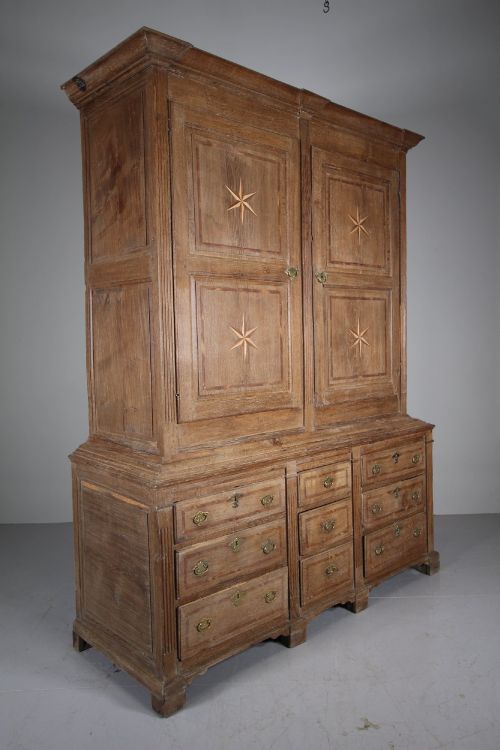
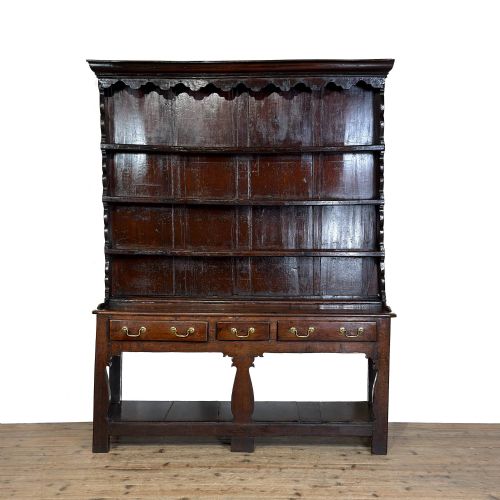
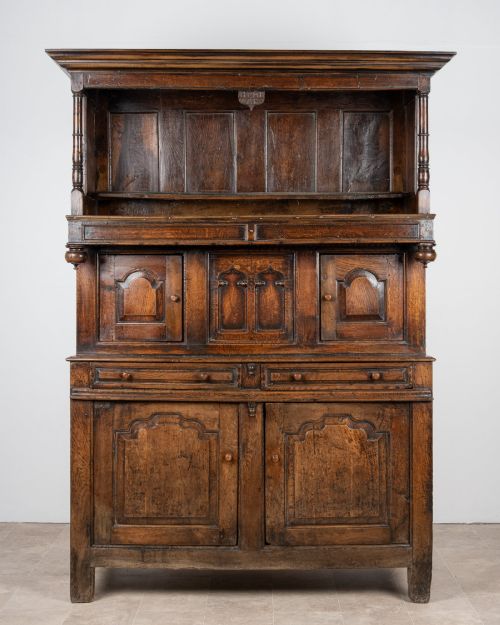
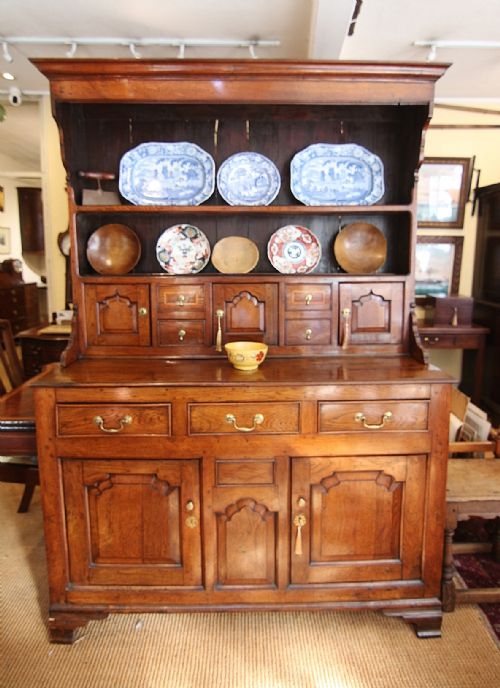
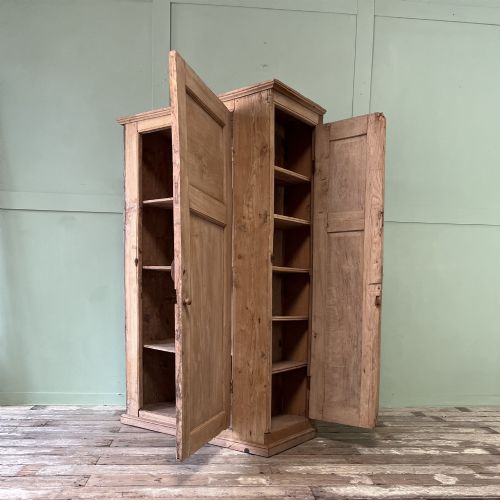
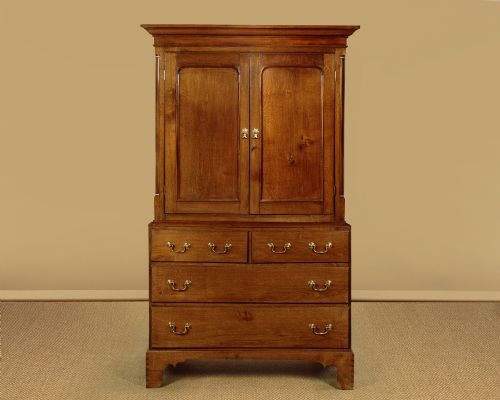
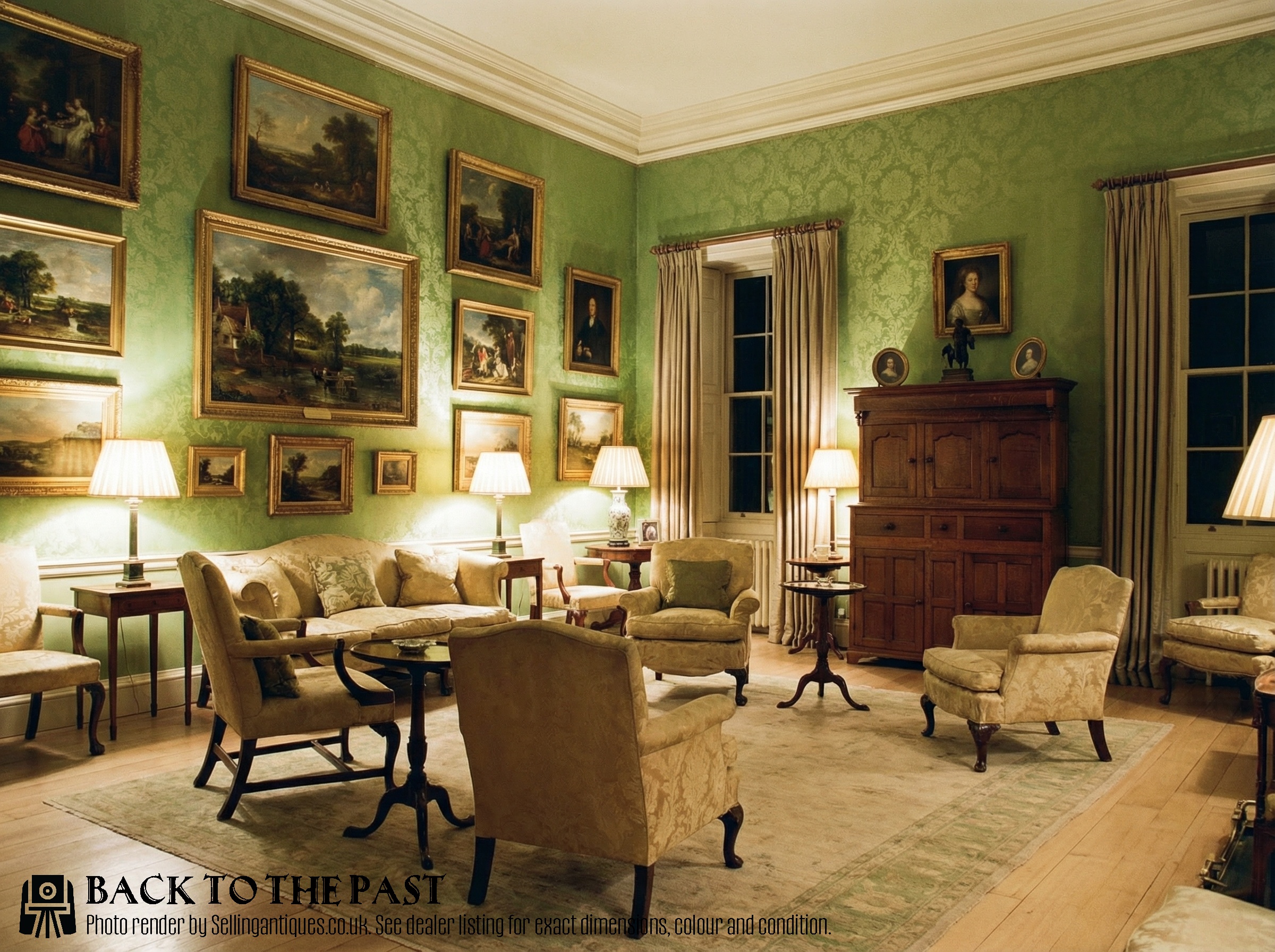
When searching for a welsh vernacular cupboard, buyers encounter practical domestic storage pieces spanning the seventeenth, eighteenth, and nineteenth centuries. These items range from traditional two-stage press cupboards and cwpwrdd deuddarn designs to food cupboards, dressers, and wall-hanging spice cabinets.
The pieces appearing here predominantly reflect Georgian and earlier country aesthetics originating in Wales, alongside related examples from English and Irish traditions. Oak remains the central material, frequently paired with elm and pine for internal or secondary structures.
How they were made
Local cabinet makers built these storage pieces using solid oak, elm, and pine, working by hand with regional timber supplies. Structural assembly often relied on traditional joinery techniques, supported by functional hardware such as brass handles and wrought iron hinges.
Surface finishes vary from raw or waxed timber to historic layers of paint. Occasional decorative touches include bone inlay and carved detailing, particularly on seventeenth-century court cupboards and regional press pieces.
Welsh Vernacular Cupboard Retail Price Guide 2026
Typical asking prices for welsh vernacular cupboard among the pieces listed under this phrase on Sellingantiques today, from the lower quarter to the upper quarter. They describe what is for sale here now, not the wider market.
Early food cupboards incorporated pierced splats or turned spindles to let cheese and butter breathe away from hungry mice.
What varies in quality
Quality in these regional storage pieces rests on the integrity of the timber selection and the retention of original structural elements. Examples retaining their early brass hardware, untouched painted surfaces, or distinct regional forms such as the talwrn dresser hold greater historical interest.
The sophistication of the hand-carved details and the balance of proportions between upper and lower stages distinguish exceptional examples from standard utilitarian cupboards. Alterations to feet, cornices, or interior shelving naturally influence the character of each individual survival.
The Welsh Vernacular Cupboard Glossary
- Cwpwrdd deuddarn
- A traditional Welsh two-stage press cupboard featuring enclosed upper and lower storage sections. This form typically dates from the seventeenth and eighteenth centuries.
- Tridarn
- A larger three-tiered Welsh cupboard designed with an open central display stage situated between upper and lower cupboards. These tall storage pieces showcase significant regional joinery.
- Press cupboard
- A heavy timber storage unit divided horizontally into two sections, historically utilised for linen and household provisions. Lower sections frequently incorporate banks of drawers or doors.
- Vernacular
- Architecture and furniture produced by local artisans using regional materials for everyday domestic use, unconstrained by metropolitan academic styles. These pieces prioritise practical function over courtly ornamentation.
Welsh Vernacular Cupboard: Frequently Asked Questions
What is a deuddarn?
A deuddarn is a traditional two-part Welsh cupboard constructed with distinct upper and lower enclosed compartments. These pieces formed the storage heart of country houses.
Cabinet makers built them primarily in solid oak during the seventeenth and eighteenth centuries. They provided essential storage for household goods and linen.
How do I date an old cupboard?
Dating relies on examining the construction methods, timber species, and regional stylistic markers. Early pieces often feature hand-carved panels and wrought iron hardware.
Later nineteenth-century examples display simpler panel arrangements and softer secondary timbers like pine. Tool marks and fastener types offer further clues to the period.
Were these cupboards always painted?
Many country pieces started with bare timber surfaces that acquired deep patinas through centuries of waxing and daily use. However, historic painted finishes also occur.
Surviving early paint layers add significant character and historical value to pieces like food cupboards and dressers. Original pigment should be preserved whenever possible.
Where were these cupboards made?
Makers constructed these items in rural workshops across Wales, as well as neighbouring English and Irish regions. Local joiners adapted forms to suit domestic needs.
Distinctive regional traits emerged in Snowdonia and other Welsh counties, creating recognizable local variations in proportion and carved decoration.