


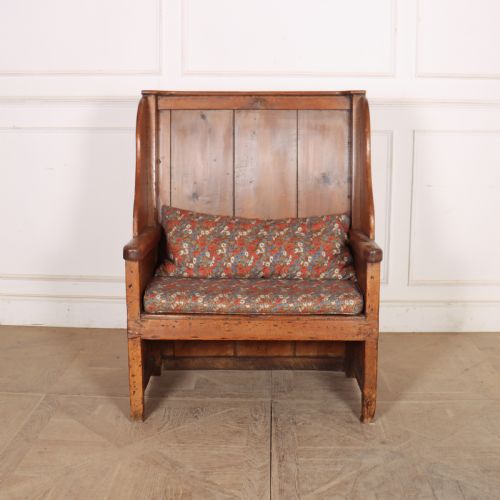


Welsh Pine Furniture
Welsh pine furniture brings honest country utility into a modern room, offering sturdy dressers, tables and settles shaped by generations of rural use.
Welsh Pine Furniture
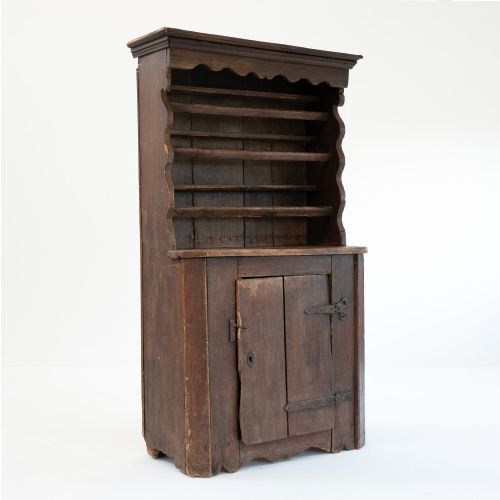
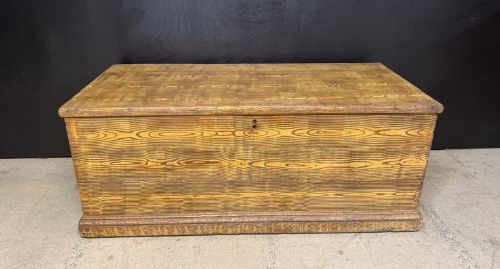
When you search for welsh pine furniture, you find pieces built for practical everyday life in farmhouses, cottages and taverns across the Welsh countryside. The selection centres on robust kitchen dressers, settles, cricket tables and chests dating from the eighteenth century through to the Victorian era.
You are most likely to meet utilitarian forms that prioritised function over ornament, constructed from locally available softwood and finished with simple paint or bare scrubbed surfaces. These items carry the marks of rural workshops where vernacular traditions dictated every line and joint.
The material vernacular reflects a distinct regional identity, diverging from the grand mahogany of urban parlours to embrace honest grain, peg joinery and enduring domestic utility. Every bench, dresser and cupboard tells a story of rural craftsmanship tailored to the demands of domestic and agricultural life.
Materials and construction
Makers relied on pine as the primary softwood, supplemented occasionally by oak for structural framing or harder wear surfaces, and assembled pieces using traditional pegged mortise and tenon joints. Iron and brass fittings such as hinges, latches and drawer pulls secured doors and lids on cupboards, chests and settles.
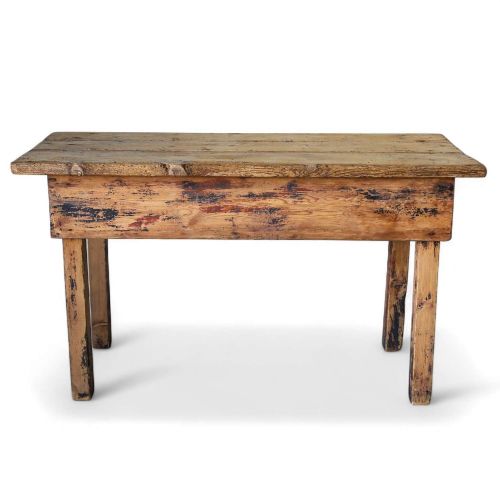
Surfaces frequently received layers of paint, with original red, blue or dark finishes surviving on many pieces alongside scrubbed bare wood resulting from decades of daily cleaning. Wrought iron hardware and glass panels appear where specific utility demanded, grounding each item in practical rural craftsmanship.
A Victorian bench carries a painted mark for the chapel at Llanfair, recording its past life on hard wooden pews.
Evaluating quality and character
Quality in these vernacular pieces rests upon the integrity of the proportions, the retention of original surface paint and the honesty of the construction. Pieces that retain their early boarded backs, original hardware and untouched painted finishes command greater appreciation from collectors.
The balance between rustic utility and refined vernacular design marks the distinction between standard workshop output and exceptional regional examples. Unaltered surfaces and authentic wear from centuries of use separate genuine domestic survivals from later alterations.
The Welsh Pine Furniture Glossary
- Cricket table
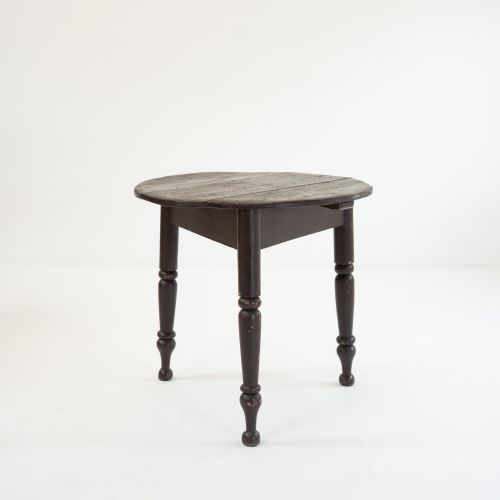
- A small round or occasional table supported by three splayed legs designed to stand steady on uneven flagstone floors. This form was widely used in kitchens and taverns.
- Settle
- A high-backed wooden bench with solid sides and a box seat intended to keep draughts away from the sitter. They formed the centrepiece of the farmhouse hearth.
- Dresser
- A large kitchen storage unit featuring open plate racks above a base of drawers and cupboards. They served for both storing and displaying household earthenware.
- Talwrn dresser
- A specific regional form of Welsh dresser known for distinct architectural lines and local proportions. These pieces represent advanced vernacular cabinet making.
- Vernacular
- Architecture and furniture built by local craftsmen using traditional regional methods and local materials. This style prioritises practical utility over academic design trends.
Welsh Pine Furniture: Frequently Asked Questions
How do I date an old pine piece?
Dating relies upon examining construction methods, tool marks, timber selection and hardware such as hinges or nails. Early pieces often feature hand-cut joinery, pegged framing and forged iron fittings that reveal their period of origin.
Changes in style, proportions and the presence of original paint layers help narrow down the decade of manufacture. Comparing regional traits against documented examples provides further confirmation of age.
How should I care for painted pine?
Painted surfaces require gentle cleaning with a soft, dry cloth and protection from direct sunlight and excessive humidity. Avoid harsh modern solvents that can strip away historic paint layers and patination.
Maintaining a stable indoor climate prevents the softwood from drying out, shrinking or cracking over time.
Are these pieces made entirely of pine?
While pine forms the primary carcass and panels, makers frequently incorporated oak for structural frames, stretchers or drawer linings where extra strength was needed. Secondary woods such as deal or local fruitwoods also appear in internal components.
This mixed construction reflects the practical resourcefulness of rural workshops using whatever suitable timber was close to hand.
What defines Welsh country furniture style?
Welsh country style is defined by sturdy proportions, utilitarian forms and a distinct lack of superfluous decoration. The makers focused entirely on practical function within rural homes, farms and chapels.
Local traditions and regional building habits produced distinctive variations in dressers, settles and tables that differ significantly from English urban cabinet work.