



Welsh Oak Occasional Table
These pieces of welsh oak occasional table are sturdy domestic items built for utility, prized for their honest timber and regional vernacular character.
Welsh Oak Occasional Table
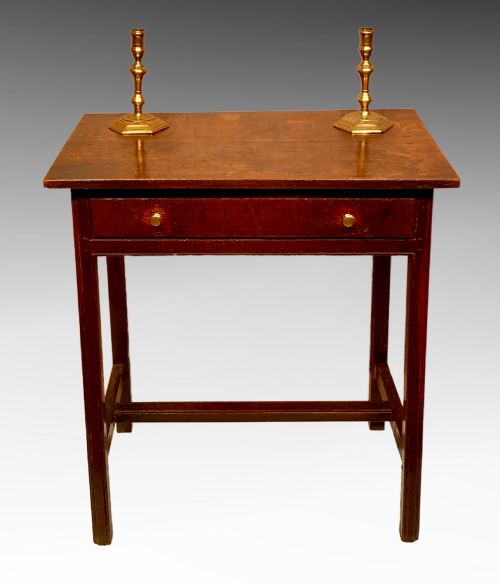
When you search for a welsh oak occasional table, you encounter robust domestic furnishings shaped by regional traditions. The selection spans the seventeenth, eighteenth, and nineteenth centuries, taking the form of side tables, lowboys, and tripod cricket tables. Most examples reflect a rustic country or vernacular aesthetic rooted in areas such as Monmouthshire and Snowdonia.
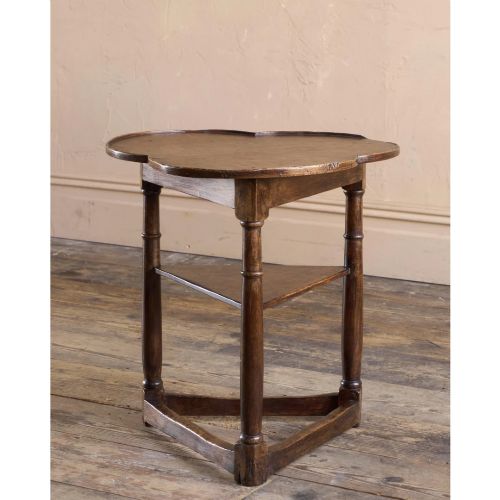
Cricket tables with trefoil tops and tripod bases appear frequently alongside low side tables and rectangular two-tier forms. These items served practical purposes in welsh homes, functioning as utility surfaces for daily tasks. Their forms remain unpretentious, relying on simple construction rather than elaborate ornamentation.
How they were made
Makers utilised solid oak for the primary framework, often combining it with secondary woods like pine for internal elements. Surfaces sometimes received a coat of paint, preserving the timber beneath while adding colour. Brass details occasionally appear on hardware, though construction relies predominantly on traditional joinery.
Some regional pieces incorporate marble inserts or display primitive tool marks left by local carpenters. Construction methods focus on stability and strength, suiting the demanding environments of welsh farmhouses and taverns.
Welsh Oak Occasional Table Retail Price Guide 2026
Typical asking prices for welsh oak occasional table among the pieces listed under this phrase on Sellingantiques today, from the lower quarter to the upper quarter. They describe what is for sale here now, not the wider market.
Listings feature pieces spanning the 17th, 18th, and 19th centuries, utilising oak, pine, brass, paint, and marble.
What varies in quality
Quality in a welsh oak occasional table rests on the integrity of the timber and the honesty of the construction. Superior examples retain their original surfaces and patination, showing genuine age through well-worn textures rather than artificial distress. Proportion and balance also separate standard utility items from more considered regional works.
The sophistication of the turning on legs and the tightness of the joints indicate the skill of the maker. Tables that retain regional idiosyncrasies, such as unusual trefoil tops or specific local framing techniques, hold greater interest for collectors of vernacular furniture.
The Welsh Oak Occasional Table Glossary
- Cricket table
- A small round table typically supported by three splayed legs. This design provided stability on uneven stone floors found in historic cottages.
- Lowboy
- A small table with drawers, often used as a dressing or side table. These pieces combine surface utility with compact storage.
- Vernacular furniture
- Items made by local craftsmen using regional materials and traditional methods rather than following metropolitan fashion. Such pieces reflect the specific domestic needs of their geographic origin.
- Trefoil top
- A tabletop shape resembling a clover leaf with three lobes. This distinctive geometric form appears frequently on early tripod tables.
Welsh Oak Occasional Table: Frequently Asked Questions
What is a cricket table?
A cricket table is a small round occasional table supported by three legs. The tripod design prevents rocking on uneven floors.
These pieces were common in domestic interiors for holding small items or serving meals beside the hearth.
How old are these tables?
The pieces span from the seventeenth century through to the nineteenth century. Many date from the georgian period around seventeen sixty.
Earlier examples display more primitive construction methods and simpler turned components.
Where were they made?
These tables originated in rural wales, often associated with specific areas like monmouthshire or snowdonia. Local joiners built them for everyday farmhouse use.
Regional characteristics distinguish them from standard english vernacular furniture of the same eras.
How do I care for oak?
Keep oak furniture away from direct heat sources and drastic humidity changes to prevent timber movement. Regular dusting with a dry cloth maintains the surface finish.
Avoid modern silicone polishes that build up and attract dust over time.