




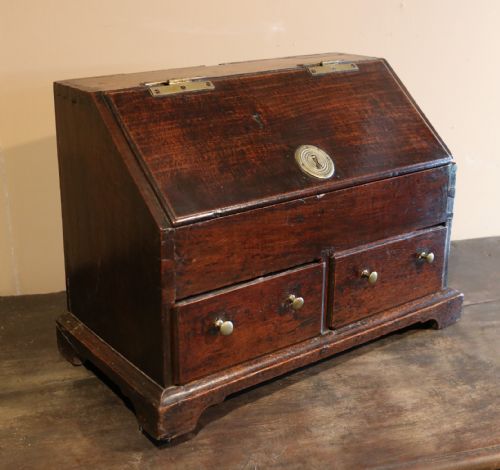


Welsh Miniature Furniture
Welsh miniature furniture represents charming domestic cabinet-making scaled down for apprentice work or keepsakes, offering tangible history in a small footprint.
Welsh Miniature Furniture
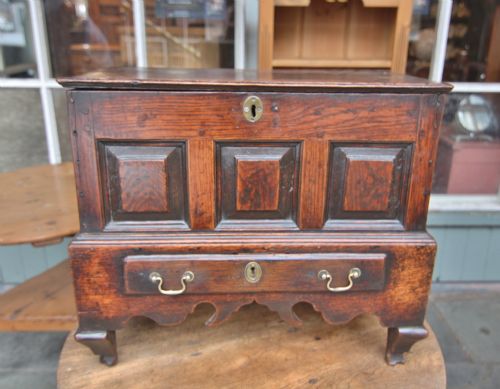
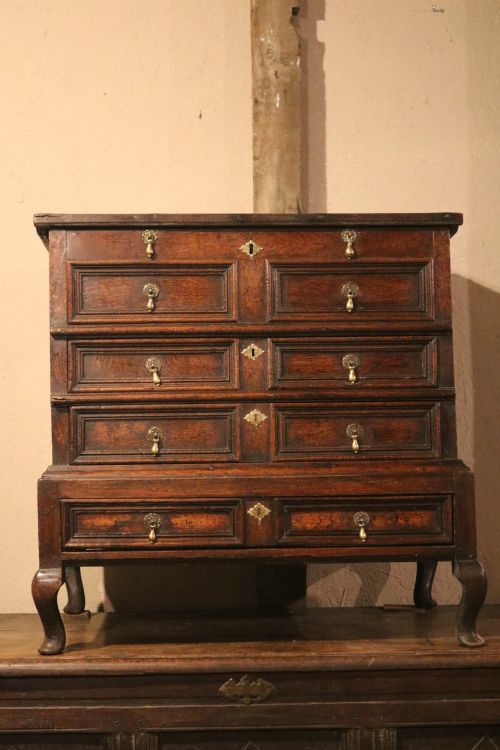
The coffer bach, meaning little coffer, dominates the available forms alongside miniature chests of drawers and tallboys. These domestic objects originate mainly from Georgian and Victorian periods, reflecting rural craftsmanship across Welsh counties.
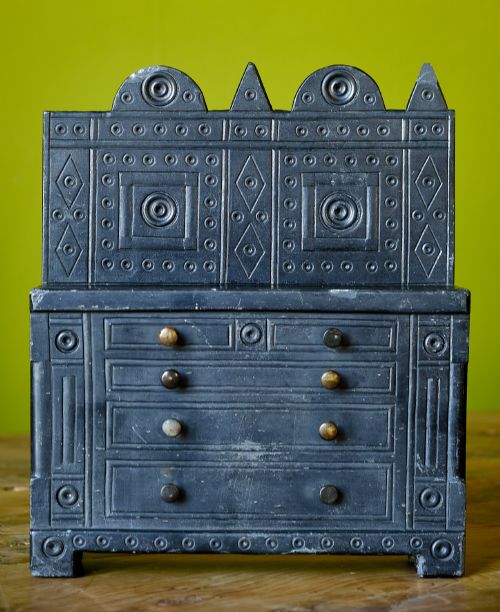
Examples range from early eighteenth-century oak coffers on turned feet to later pine chests of drawers and carved slate models. Surviving pieces demonstrate the practical utility and decorative ambition of local cabinet-makers working on a small scale.
Assessing quality and proportion
Quality rests upon the fidelity of architectural proportion and the restraint of regional carving. Superior examples maintain the structural logic of their full-sized counterparts without appearing clumsy or over-ornate.
The handling of secondary timbers and the integrity of the original feet or bases distinguish finer pieces. Untouched surfaces with honest wear and original patination command greater appreciation than heavily restored equivalents.
Some nineteenth-century artisans carved entire miniature fire surrounds and chests entirely out of Welsh slate, creating surprisingly heavy keepsakes.
The Welsh Miniature Furniture Glossary
- Coffer bach
- A small Welsh blanket chest or coffer, typically fitted with a drawer beneath the main compartment. These were traditionally given as wedding gifts or tokens of affection.
- Vernacular
- Architecture or furniture built by local craftsmen using traditional regional methods and materials, rather than following formal academic architectural styles.
- Tallboy
- A tall chest of drawers consisting of one chest stacked upon another, miniature versions replicating this imposing form in reduced dimensions.
- Stickback
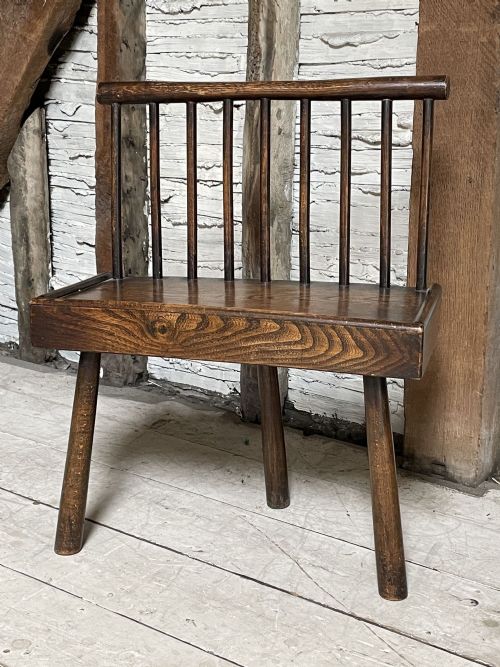
- A chair construction method where turned spindles are inserted directly into a solid wooden seat, common in country furniture.
- Folk art
- Utilitarian objects or models created by self-taught makers, often featuring idiosyncratic decorative details and regional materials like carved slate.
Welsh Miniature Furniture: Frequently Asked Questions
Were these pieces made for children?
Most welsh miniature furniture was not intended as children's toys, despite their small scale. They served as apprentice pieces to demonstrate skill, salesmen's samples, or personal commissions for households with limited space.
Their robust construction in solid oak and pine indicates they were built to last as functional miniature furniture.
How do I date an oak coffer bach?
Dating relies on observing construction techniques such as hand-cut dovetails, pegged joints, and the style of the feet. Early eighteenth-century examples often feature turned feet and pegged frame-and-panel construction.
Later Victorian pieces introduce machine-sawn elements, alternative woods like pine, and simpler drawer construction.
How should I care for antique miniature oak?
Keep wooden pieces away from direct heat sources and dramatic humidity fluctuations to prevent timber splitting. Feed the surface occasionally with traditional wax to maintain the historic patina.
Avoid modern liquid polishes that can penetrate open-grain woods and dull the surface over time.