





Welsh Folk Art
Welsh folk art items are domestic and maritime pieces shaped by local hands from slate, wood, and brass, offering honest utility and personal narrative.
Welsh Folk Art
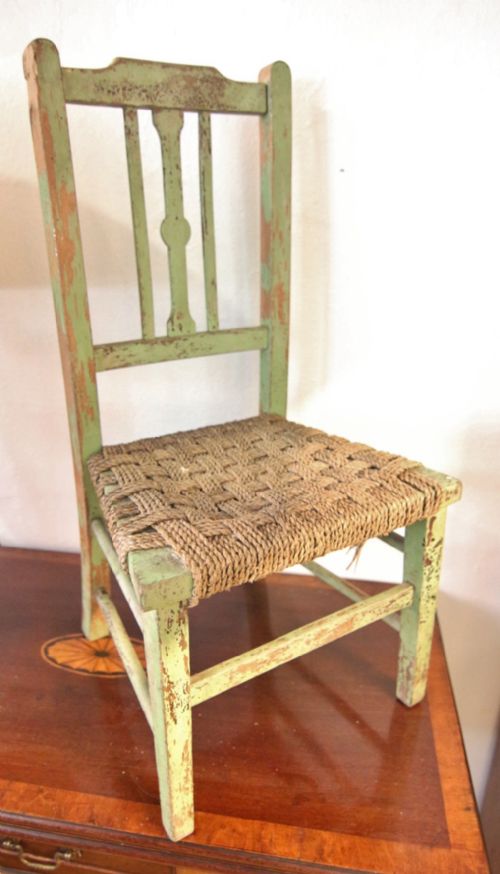
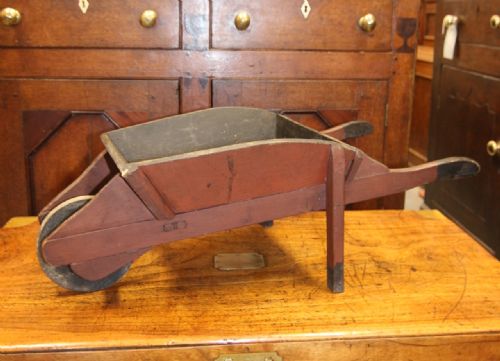
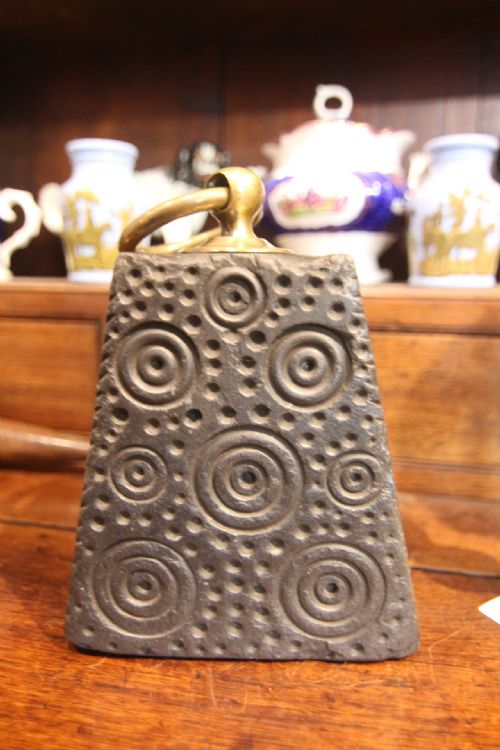
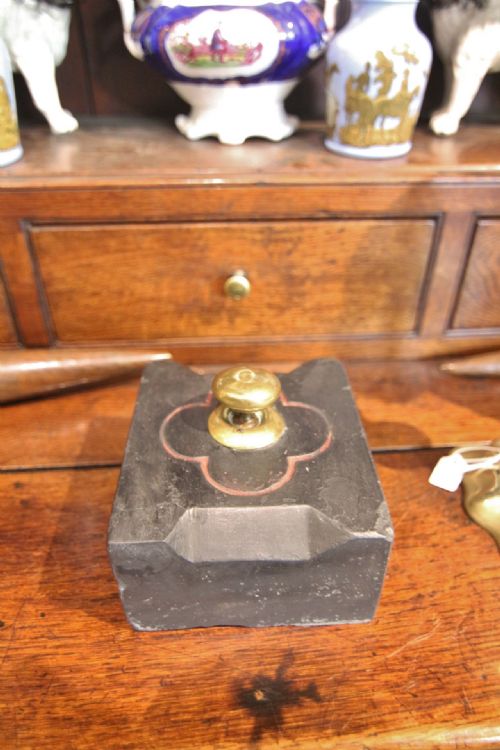
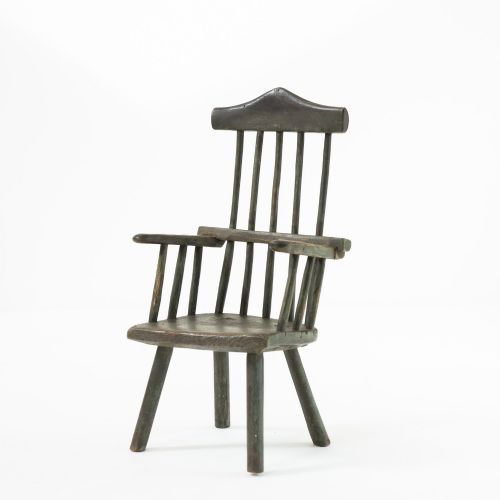
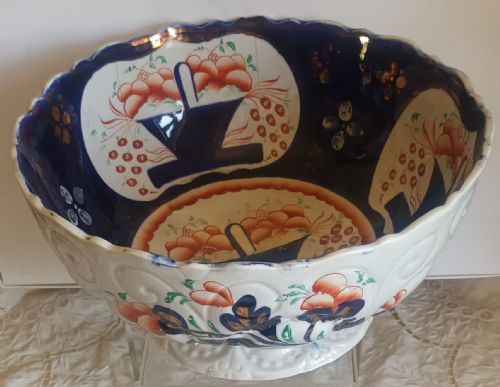
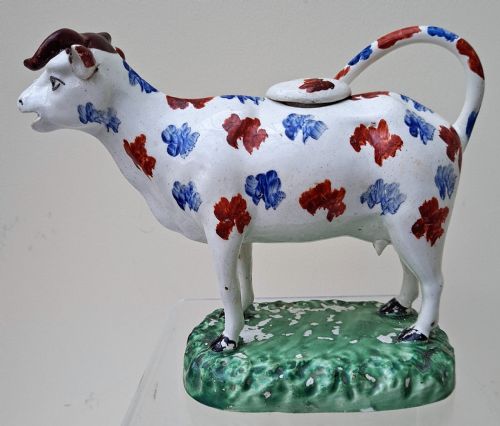
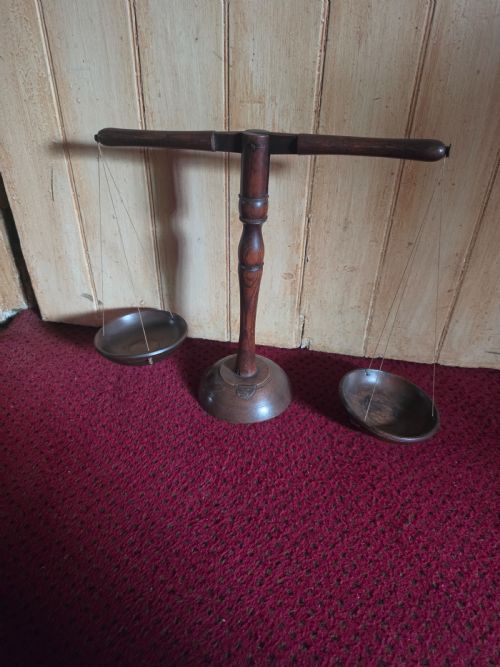
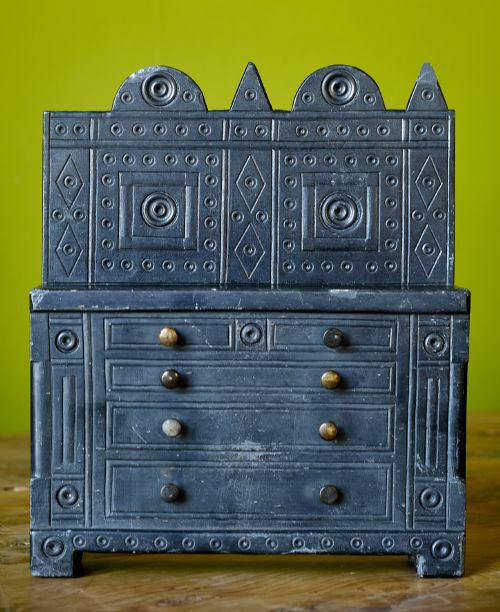
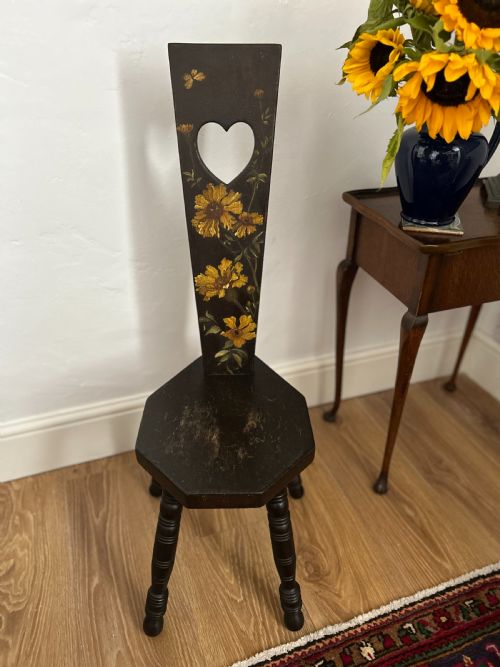
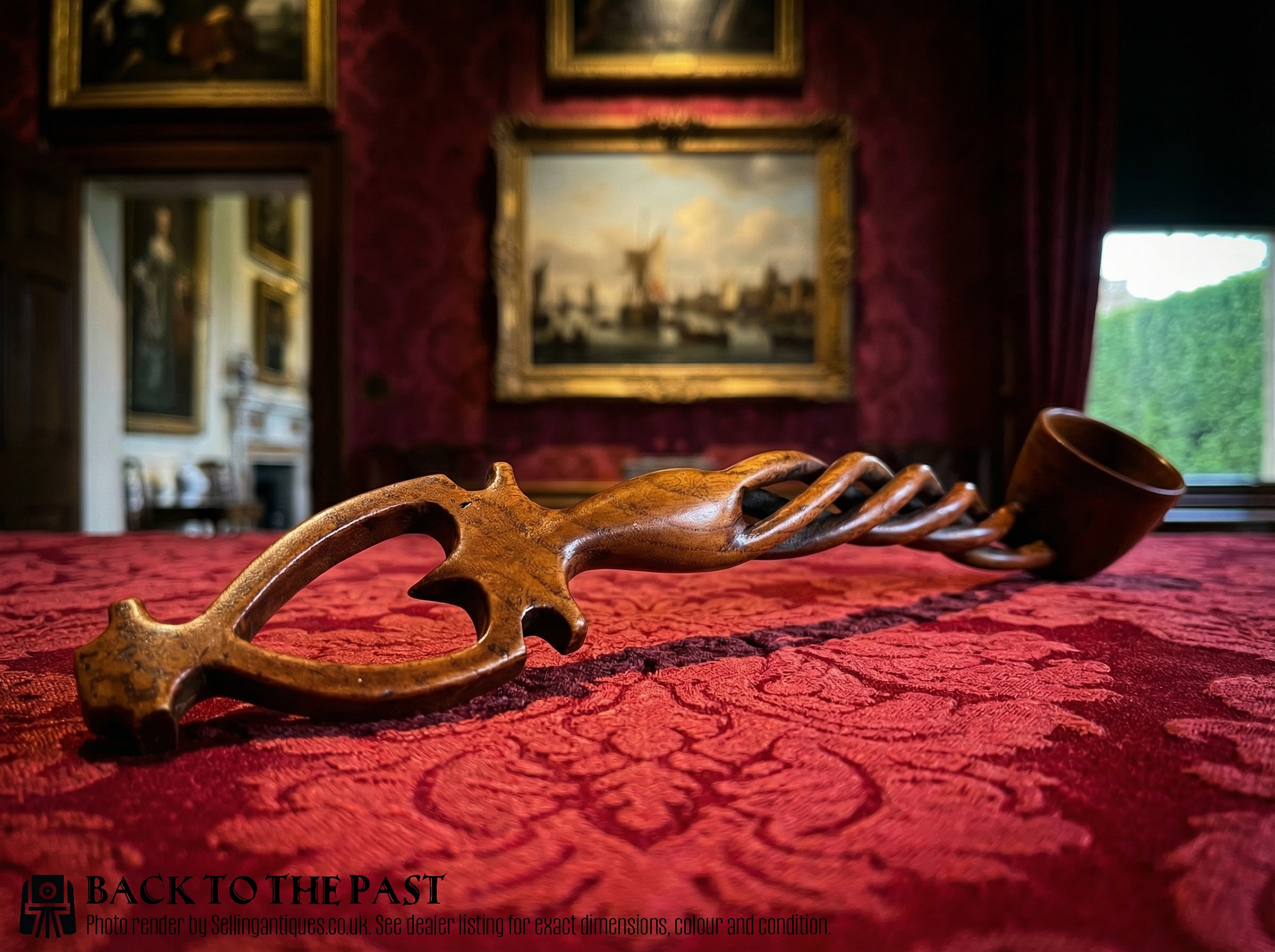
Welsh folk art encompasses a varied group of domestic objects, maritime models, and decorative pieces rooted in nineteenth century vernacular traditions. When you search for Welsh folk art, you encounter hand-carved lovespoons in fruitwood or sycamore, intricately carved slate models of castles and miniature furniture, and painted wooden panels.
The objects frequently reflect domestic affections and industrial or maritime working lives across Wales. They range from small tokens such as corset busks and sugar tongs to larger dioramas, wall pockets, and ship models.
Maritime influences appear strongly through ships in bottles, ship's wheels, and woolwork, reflecting coastal heritage. Meanwhile, carved slate pieces demonstrate how local quarrymen utilised readily available materials for decorative household objects.
What varies in quality
Quality in these pieces rests upon the ambition of the carving and the crispness of the detail retained in stubborn materials like slate and dense fruitwood. A superior lovespoon demonstrates confident piercing, balanced proportions, and inventive geometric or symbolic motifs.
The character of the surface patination dictates visual appeal, as honest wear and untouched mellowed finishes elevate a piece. Naive charm remains central, but the most successful examples combine expressive proportion with assured command over the chosen medium.
Welsh Folk Art Retail Price Guide 2026
Typical asking prices for welsh folk art among the pieces listed under this phrase on Sellingantiques today, from the lower quarter to the upper quarter. They describe what is for sale here now, not the wider market.
Materials across these listings include fruitwood, slate, brass, glass, and oil paint, spanning the nineteenth century and the Victorian period.
The Welsh Folk Art Glossary
- Treen
- Small handmade wooden items for domestic use. These objects display the grain and tool marks of everyday utility.
- Lovespoon
- A carved wooden token traditionally presented as a symbol of affection or engagement. They often feature intricate cut-out patterns, chains, and linked symbols.
- Busk
- A stiffening strip inserted into the front of a corset. In folk art contexts, these were frequently carved from wood as courtship gifts.
- Diorama
- A three-dimensional scene depicting a narrative or landscape. Maritime examples in this tradition show ships or industrial works within enclosed settings.
- Vernacular
- Architecture and objects built or made by local craftsmen using traditional methods and local materials. This approach prioritises utility and regional character over formal academic styles.
Welsh Folk Art: Frequently Asked Questions
Why are so many folk art items made of slate?
Slate was abundantly available in Wales, particularly around the northern quarries, providing an accessible medium for local artisans. Quarrymen and itinerant carvers utilised offcuts to practise their skills on miniature furniture and plaques.
These slate items range from miniature chests of drawers to architectural models of castles. The stone allowed for sharp incised detailing that has survived in crisp condition.
How do I care for nineteenth century treen?
Nineteenth century treen requires stable environmental conditions away from direct sunlight and strong heat sources. Excessive dryness can cause old fruitwood and sycamore to split or warp.
Clean surfaces gently with a dry or barely damp cloth without applying modern polishes. Preserving the historic patination ensures the natural warmth of the wood remains intact.
What defines maritime folk art from Wales?
Welsh maritime folk art includes items tied to coastal communities, such as ships in bottles, woolwork pictures, and small ship's wheels. These pieces capture the deep connection between Welsh ports and the sea.
Makers used whatever materials came to hand, combining carved wood, painted backdrops, and textiles. They offer a direct window into nineteenth century seafaring life and local craftsmanship.