


Welsh Country Antiques
Welsh country antiques are domestic furnishings of oak, pine, and elm shaped by local rural traditions.
Welsh Country Antiques
Welsh country antiques comprise utilitarian domestic furnishings made from regional timbers for farmhouses and cottages. Dressers, food cupboards, settles, and cricket tables form the core of this vernacular tradition.
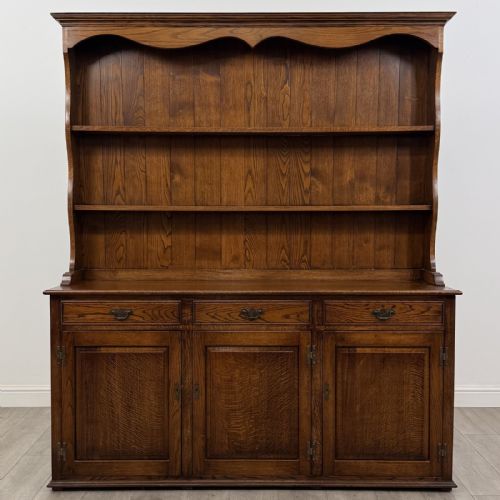
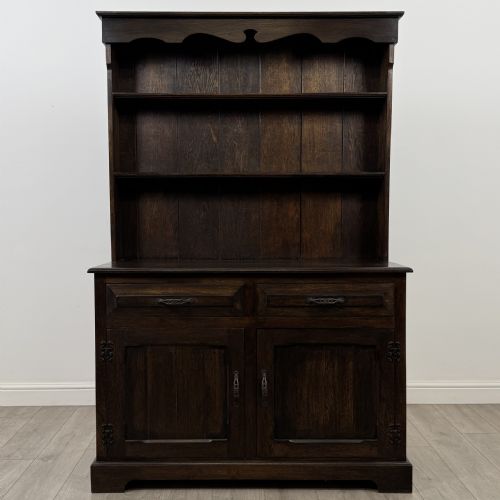
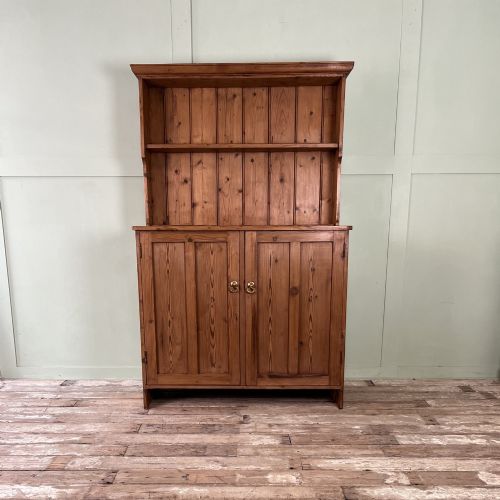
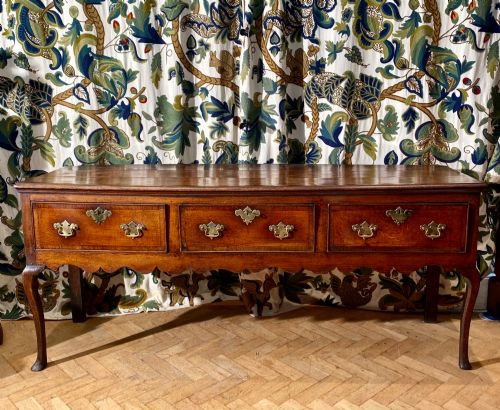
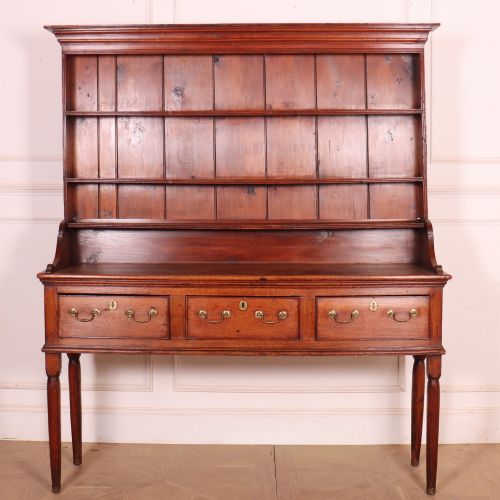
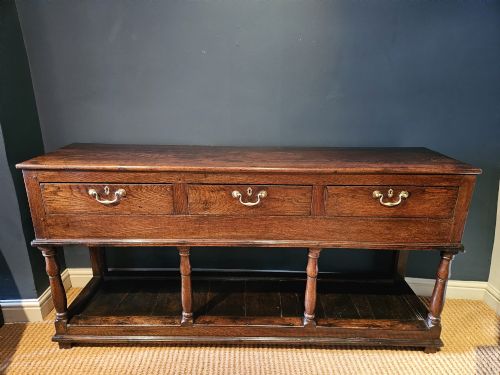
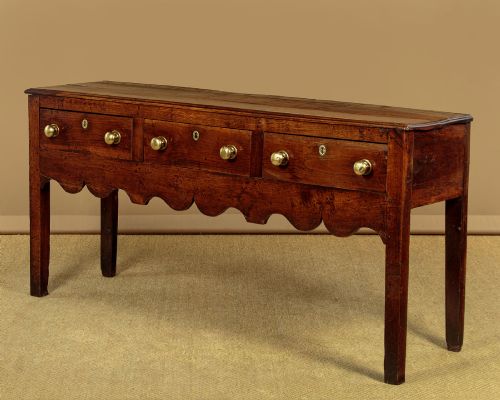
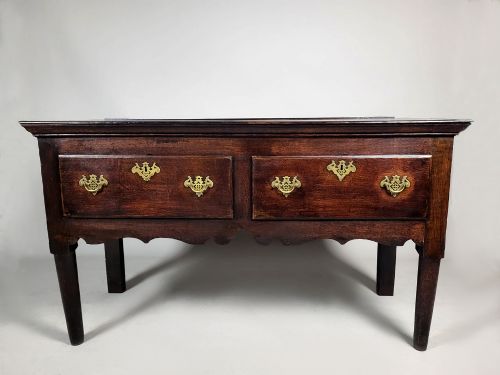
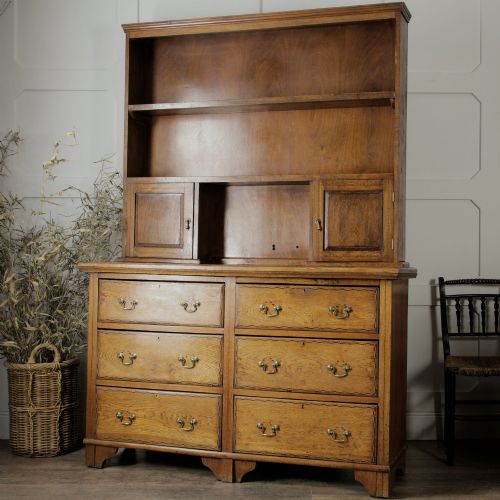
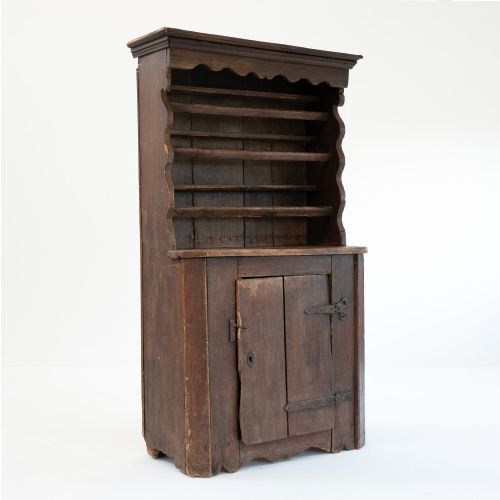
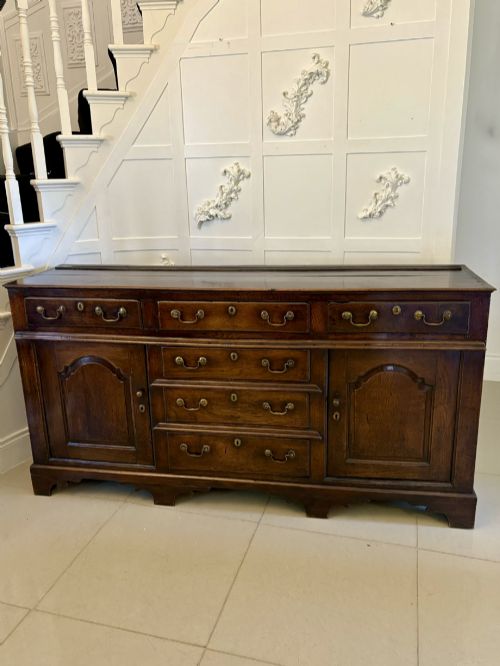
Dressers dominate the selection, appearing with open plate racks, potboard bases, or enclosed cupboards. These pieces reflect the daily domestic storage needs of rural households across the eighteenth and nineteenth centuries.
Makers utilised native woods readily to hand, resulting in robust forms with straightforward construction. Pieces span the Georgian, Victorian, and Edwardian periods, maintaining a practical character throughout.
Materials and construction
Oak serves as the primary structural timber, complemented by pine, elm, ash, and sycamore for secondary parts and specific regional forms. Craftsmen joined panels with pegs and built frames to withstand heavy daily use.
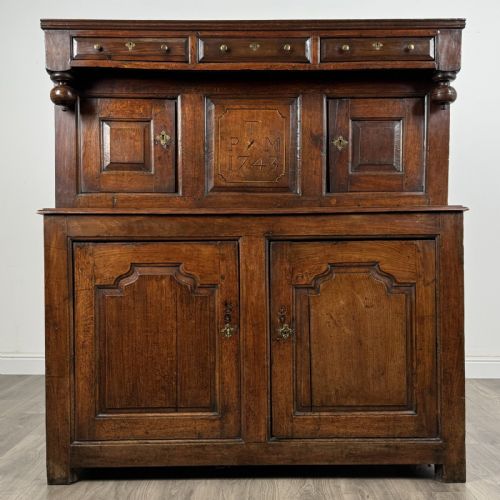
Surfaces display patination developed through decades of domestic use and waxing rather than heavy factory finishing. Iron and brass hardware appear on cupboards and drawers, alongside occasional inlaid details.
The listings feature seventeenth, eighteenth, nineteenth, and twentieth-century items, constructed from oak, pine, elm, ash, sycamore, and iron.
Assessment of quality
Quality rests on the integrity of the timber, the balance of proportions, and the survival of original surface finishes. Pieces retaining untouched patination and regional design traits command greater attention from collectors.
Construction details such as dovetailed drawer linings, thick planked tops, and well-fitted plate racks distinguish superior cabinet work. Altered surfaces or replaced hardware shift a piece away from its original vernacular state.
The Welsh Country Antiques Glossary
- Potboard
- An open lower shelf on a dresser base designed for storing pots and pans. This feature defines many traditional oak dressers.
- Cwpwrdd Tridarn
- A three-tier Welsh cupboard incorporating an enclosed upper section, an open middle stage, and cupboards below. These grand pieces represent high status in rural Welsh joinery.
- Coffer Bach
- A small vernacular chest or box featuring a hinged lid, often produced in Welsh households. These miniature chests served for holding valuables or documents.
- Cricket table
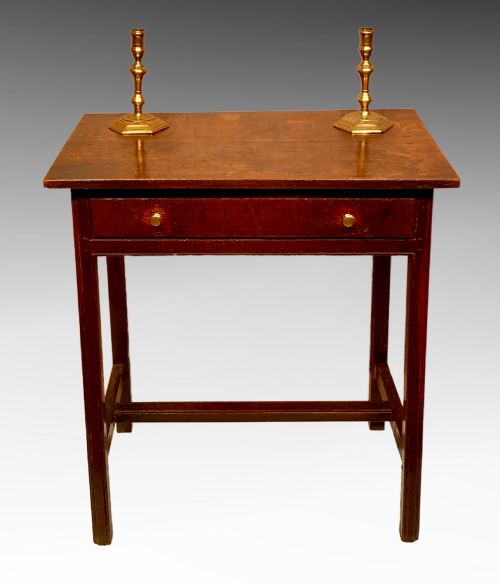
- A small, three-legged occasional table with a round top, built for stability on uneven farmhouse floors. The splayed legs distribute weight evenly.
- Settle
- A high-backed wooden bench with solid arms and a storage box beneath the seat. It provided shelter from draughts near the hearth.
Welsh Country Antiques: Frequently Asked Questions
What is a Welsh dresser?
A Welsh dresser is a large kitchen storage unit combining base cupboards or drawers with an upper plate rack. These pieces served to store and display domestic tableware.
They evolved from simple potboard bases into the multi-tiered display dressers found in rural homes throughout the eighteenth and nineteenth centuries.
How do I identify oak furniture?
Oak furniture displays prominent growth rings and medullary ray flecks across the timber surface. The wood is dense, heavy, and typically deepens in tone with age.
Vernacular pieces utilise solid oak boards rather than veneers, showing tool marks and pegged joints from hand construction.
What woods were used?
Craftsmen relied on native timbers including oak, pine, elm, ash, and sycamore. Oak and pine predominated for large case pieces.
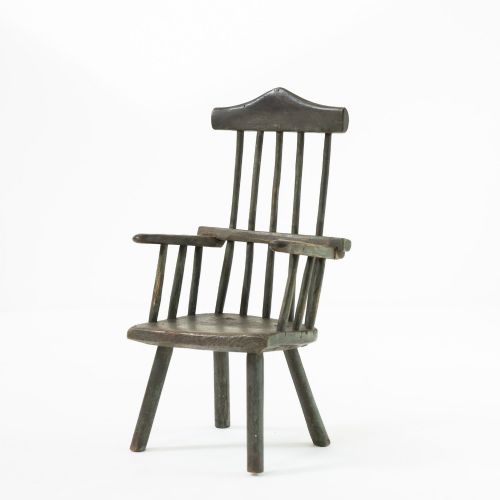
Elm and ash frequently appeared in seating due to their strength and flexibility when bent for chair spindles.
How should I care for waxed pine?
Waxed pine requires gentle cleaning with a soft cloth and periodic application of traditional beeswax to nourish the wood. Avoid placing these pieces near direct heat sources.
Maintaining a stable room humidity prevents the timber from splitting or warping over time.