



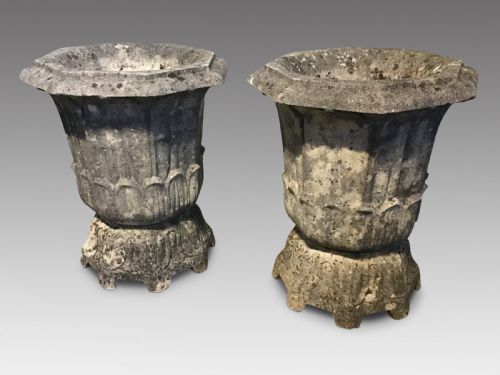


Weathered Stone Urn Pair
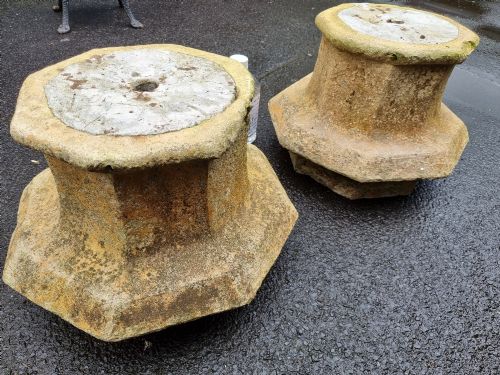
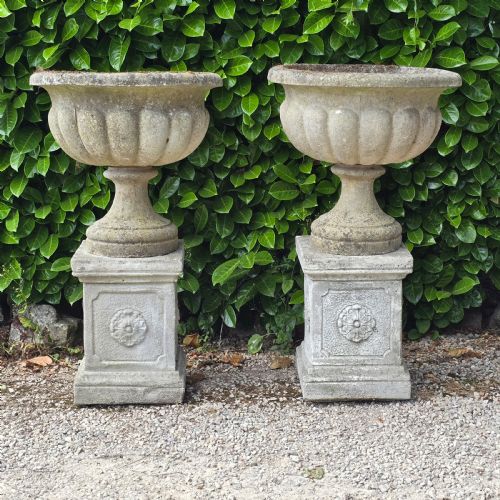
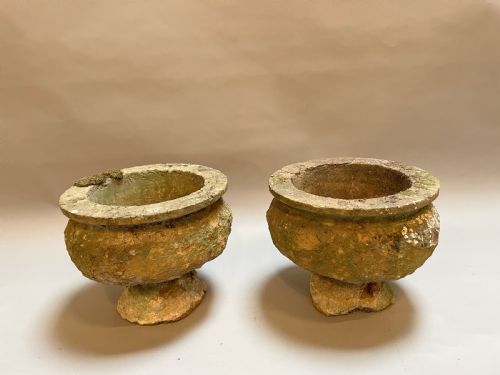
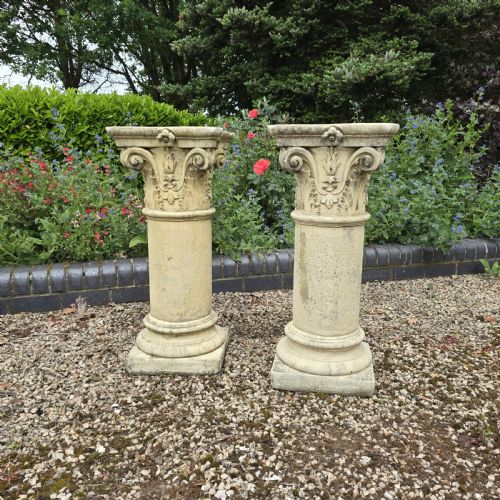
These weathered stone urn pair examples bring classical symmetry and genuine garden patina to terraces, constructed from durable cast, carved, and reconstituted stone.
Weathered Stone Urn Pair
A weathered stone urn pair consists of matching garden vessels designed to anchor formal layouts, pathways, or architectural terraces. When you search for a weathered stone urn pair, you are looking at dual landscape ornaments that exhibit the softening effects of age and exposure on mineral materials.
The most common versions met on this page span the 19th century and early decades of the 20th century, drawing upon classical revival, neoclassical, and Gothic design vocabulary. These pieces frequently appear paired with matching garden plinths or pedestals to elevate their presence.
Material origins across the listings include reconstituted stone, cast stone, limestone, soft stone, carved stone, and composite stone, alongside traditional terracotta. Forms range from campana silhouettes to decorative garden baskets and finials.
Materials and methods of construction
The manufacture of these garden ornaments relies on both direct carving and casting techniques applied to robust geological mediums. Carved stone and marble pieces demonstrate the direct removal of material by hand, leaving tool marks and sculptural depth across the vessel body.
Cast stone, reconstituted stone, and composite stone items utilise moulds filled with aggregate mixtures and binders to replicate classical forms with consistent proportions. Terracotta examples employ fired clay methods, yielding lighter vessels suited to specific garden settings.
Several stone baskets feature handles carved to look like woven twigs, proving that even heavy garden furniture enjoys a spot of weekend picnic styling.
Distinguishing quality in garden ornaments
Quality in these garden pieces rests on the crispness of the original modelling and the depth of the carving or casting. Finer examples display well-defined leaf motifs, fluting, and handles that retain their architectural integrity despite surface ageing.
The degree and character of weathering significantly influence visual success, distinguishing organic biological patina from structural degradation. Superior pieces exhibit harmonious lichen growth and mellowed surfaces that integrate the ornament into its landscape setting.
The Weathered Stone Urn Pair Glossary
- Campana urn
- A bell-shaped garden vessel with an everted rim and a tapering body, often mounted on a pedestal base. This classic silhouette originates from ancient metal and stone prototypes.
- Reconstituted stone
- A manufactured material composed of crushed stone aggregate mixed with a binder to replicate natural rock. It allows for the detailed reproduction of classical ornament.
- Plinth
- A heavy rectangular or square base supporting an urn, column, or statuary. Plinths elevate garden ornaments to improve sightlines within a landscape design.
- Neoclassical
- A style drawing inspiration from the classical art and architecture of ancient Greece and Rome. It emphasises symmetry, proportion, and restrained decorative motifs.
Weathered Stone Urn Pair: Frequently Asked Questions
How do I choose the right size?
Consider the scale of your garden pathway, terrace, or lawn in relation to the height of the urn and its plinth. Larger spaces require substantial campana vessels or carved marble pieces to anchor the view effectively.
Ensure that the base footprint matches the weight distribution of the piece, particularly when pairing heavy stone urns with decorative pedestals for outdoor display.
Can these urns stay outside all winter?
Most stone, cast stone, and composite stone garden ornaments tolerate outdoor exposure throughout the winter months due to their durable material composition. Soft stone and terracotta items require closer attention to prevent frost damage during severe freezing weather.
Elevating the vessels slightly off the ground on feet or plinths prevents moisture retention at the base, protecting the material through seasonal changes.
How do I clean weathered stone?
Gentle brushing with water and a soft-bristled tool removes loose debris while preserving the accumulated biological patina that defines the character of weathered garden ornaments. Avoid harsh chemical cleaners or pressure washers, which strip away the aged surface texture.
Allowing natural weathering to continue enhances the integration of the stone into the surrounding garden environment over time.
What is the difference between cast and carved stone?
Carved stone involves hand-chiseling blocks of natural material such as marble, limestone, or soft stone, resulting in unique tool marks and sculptural depth. This method represents direct artisan labour on raw geological matter.
Cast stone and reconstituted stone are produced by pouring aggregate mixtures into moulds, allowing for consistent replication of complex classical details across matching pairs.