




Traditional Stone Garden Planters
Traditional stone garden planters bring gravitas and planting structure to outdoor spaces, built from durable materials to weather gracefully over decades.
Traditional Stone Garden Planters
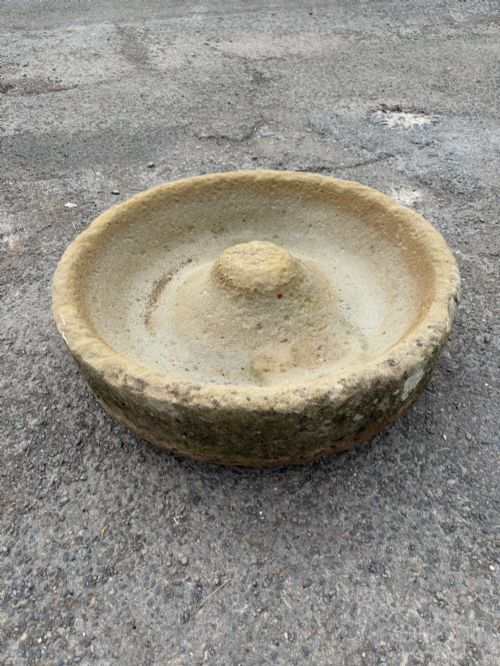
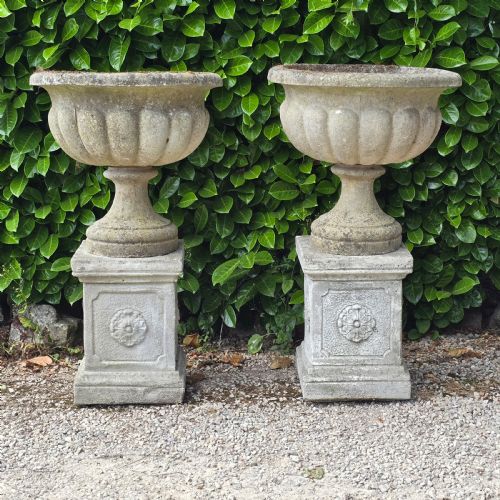
Traditional stone garden planters encompass robust vessels and troughs designed for exterior greenery, drawing on forms from the nineteenth century up through the nineteen-fifties. These objects range from classical campana shapes to simple utilitarian troughs carved from natural materials.
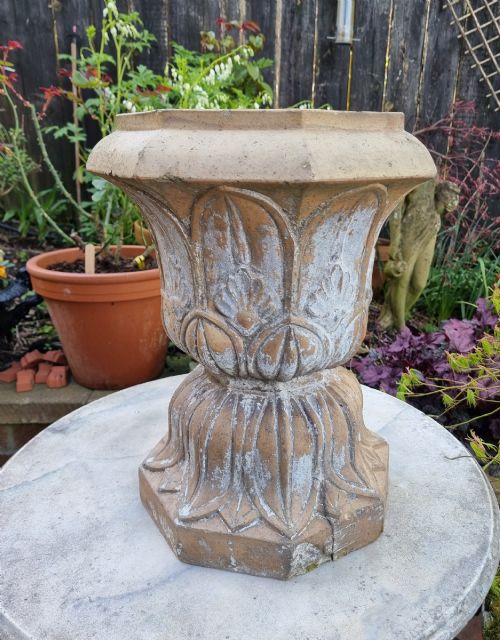
Buyers encountering this selection will frequently find utilitarian stone troughs and weathered terracotta urns alongside grander pieces from the Victorian and early twentieth-century periods. These vessels anchor garden layouts, offering permanent structural planting points on terraces and lawns.
How they were made
Makers shaped these pieces from natural rocks such as Purbeck stone, granite, limestone, and sandstone, often utilising heavy manual labour to carve utilitarian troughs and mill stone bases. Terracotta and cast iron also appear, providing different textural qualities for garden settings.
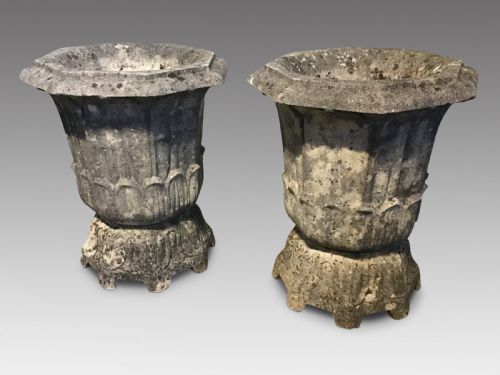
Later twentieth-century examples incorporate reconstituted, cast, and composite stone moulded into classical revival and neoclassical forms. These varied casting methods allowed workshops to replicate intricate decorative details consistently across pairs of urns and planters.
Listings feature natural stone, terracotta, and cast stone across periods ranging from the nineteenth century to the mid-twentieth century.
What varies in quality
Quality rests in the integrity of the material and the crispness of the original form, separating mass-produced recent items from hand-carved nineteenth-century work. Natural stone pieces display distinct geological markings and purposeful tool marks that reveal the hand of the mason.
The degree of natural weathering heavily influences visual appeal, with centuries of exposure creating harmonious patination across surfaces. Uniformity in cast pieces depends entirely on the precision of the initial mould and the quality of the aggregate used.
Andrew Handyside
The Traditional Stone Garden Planters Glossary
- Campana urn
- A bell-shaped garden vessel with a flared rim, frequently mounted on a pedestal base. This classical silhouette originates from antiquity and remained popular throughout the Victorian period.
- Reconstituted stone
- A manufactured material created by blending crushed natural stone with a binder such as cement, then poured into moulds. It offers the appearance of quarried stone at a more accessible scale.
- Terracotta
- A porous, unglazed baked earthenware fired from clay, exhibiting warm reddish-brown tones. This material develops a distinctive green moss patination when exposed to damp outdoor conditions.
- Pancheon
- A large, shallow earthenware or terracotta vessel traditionally used in dairies for settling milk, now repurposed as a wide garden planter. These items provide generous planting volume with low profiles.
Traditional Stone Garden Planters: Frequently Asked Questions
How do I choose the right size planter?
Consider the scale of your garden and the mature size of the intended plants. Large urns on plinths require substantial open space to avoid overpowering smaller courtyard settings.
Matching the volume of the vessel to the root system ensures healthy plant growth over many seasons. Pair arrangements work well flanking doorways or defining the termination of a pathway.
Are these planters frost resistant?
Natural stone, granite, and properly cast reconstituted stone handle freezing temperatures reliably due to their dense composition. Porous terracotta and older composite materials require monitoring during severe winter frosts.
Raising vessels slightly off the ground on pot feet prevents water from freezing at the base and cracking the material. Good drainage is essential for both plant health and vessel preservation.
How do I clean a weathered stone planter?
Gentle brushing with water removes loose debris while preserving the accumulated patination and moss that collectors value. Avoid harsh chemical cleaners or pressure washers which strip the aged surface texture.
Allowing natural weathering to continue enhances the character of nineteenth-century limestone and sandstone pieces over time. Minimal intervention keeps the historical surface intact.
How do I identify a nineteenth-century piece?
Examine the material for tool marks, hand-carved edges, and the specific geological composition typical of historic quarries. Nineteenth-century examples often display deep, organic weathering patterns accumulated through decades outdoors.
Stylistic cues such as neoclassical proportions and heavy Victorian casting methods also help date the object. Comparing the form against documented period designs confirms its origins.