
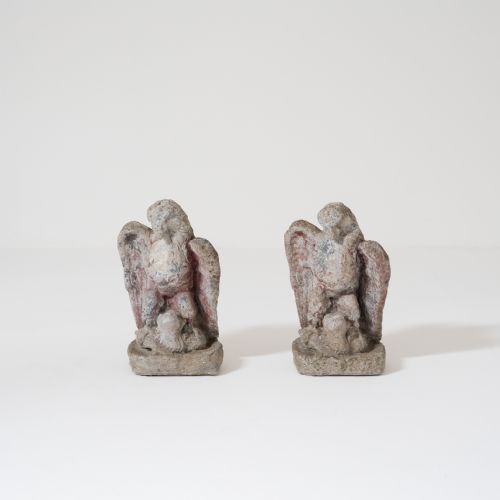


Weathered Grey Garden Sculpture
Weathered grey garden sculpture brings classical form and age into the open air, shaping borders and terraces with quiet substance.
Weathered Grey Garden Sculpture
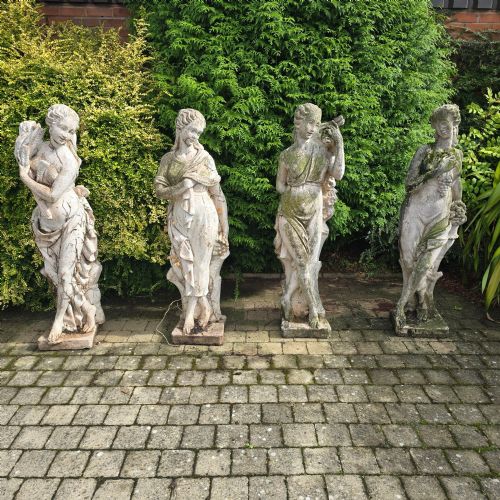
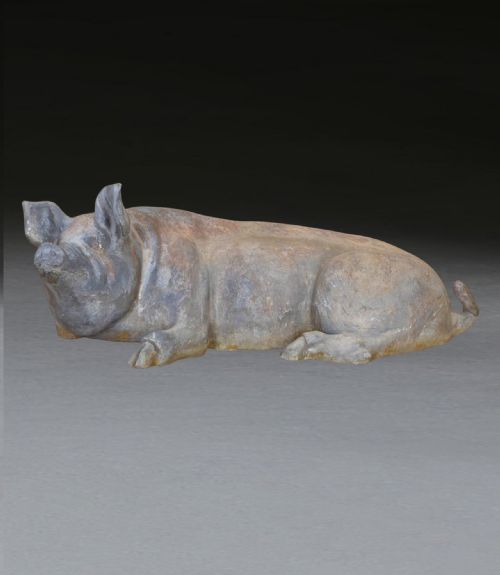
Weathered grey garden sculpture encompasses figures, animals, architectural ornaments, and staddle stones shaped from stone and metal. These pieces sit within the traditions of Classical Revival, Neoclassical, and Rustic Vernacular styles, drawing on centuries of design for lawns and courtyards.
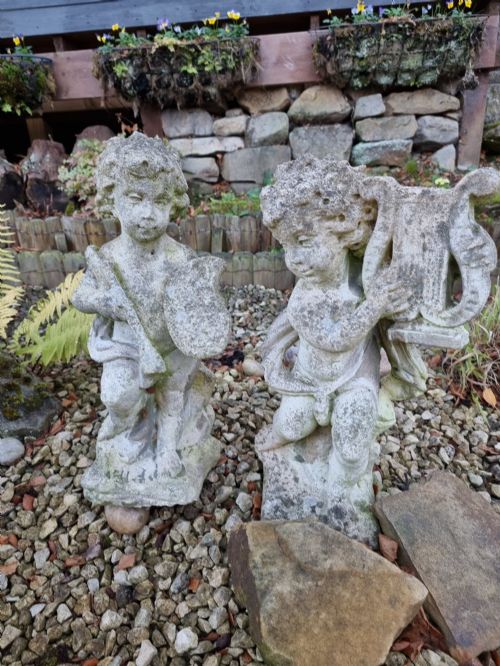
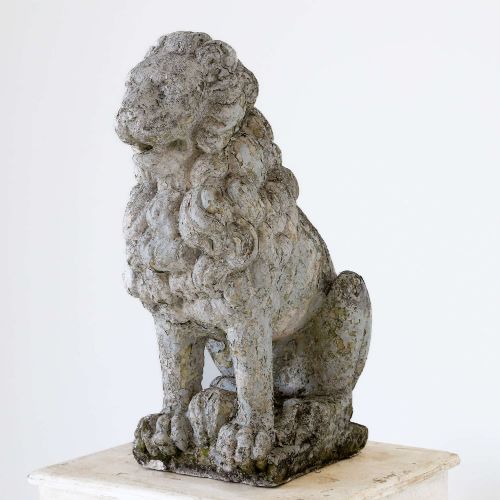
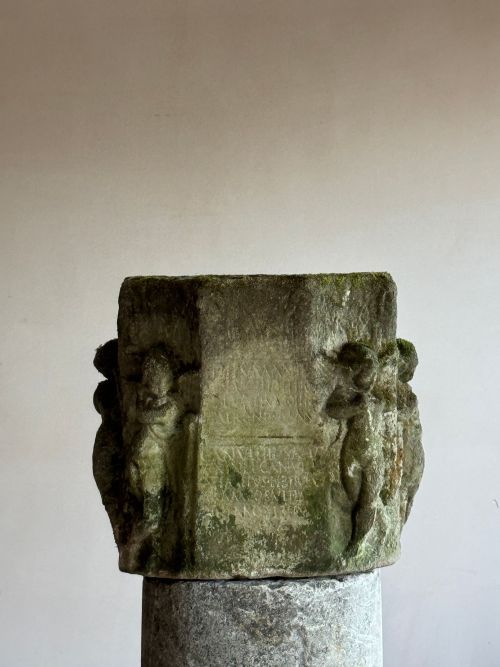
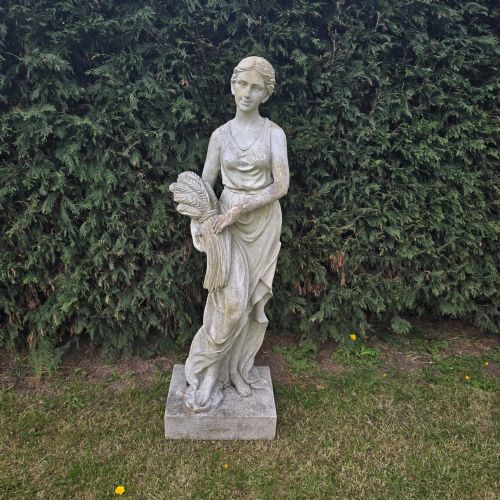
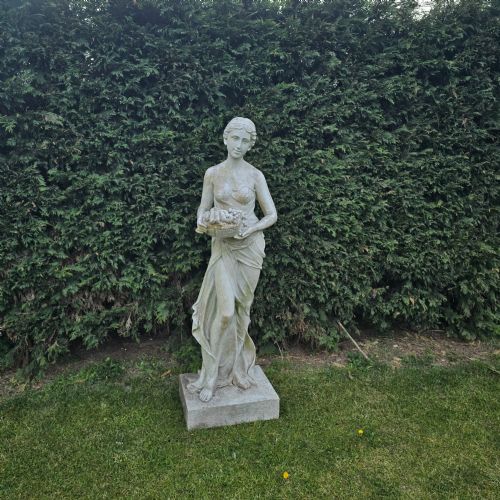
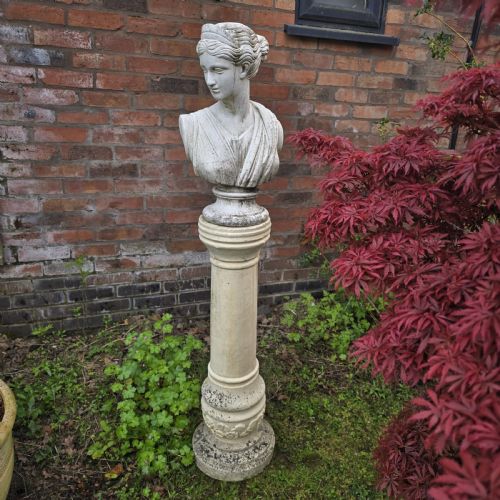
The versions most commonly met here date from the eighteenth century through the mid-twentieth century, including Edwardian and Victorian examples. Figures of lions, cherubs, seasons, and classical busts dominate the selection, often mounted on stone plinths.
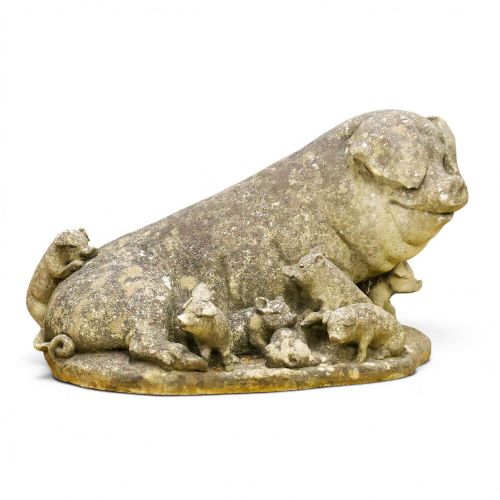
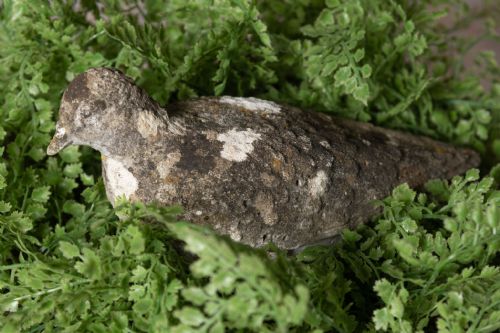
Makers and workshops produced these works in both cast compositions and carved sandstone or reconstituted stone. Their current grey patination comes from decades of exposure to weather, moss, and outdoor elements.
Materials and methods
Masonry and sculptural forms rely on cast stone, reconstituted stone, and concrete poured into moulds to capture sharp detail. Carved sandstone and composition stone also feature among the heavier structural pieces.
Metal figures utilise lead, shaped through casting and hand-finishing to create durable ornaments. Original old paint surfaces sometimes survive beneath decades of exterior weathering.
Materials recorded across the selection include lead, sandstone, reconstituted stone, and moss-covered composition stone.
Variations in quality
The character of the weathering contributes significantly to the visual weight of each piece. Even patination, integrated moss growth, and a stable mineral surface reflect genuine age and proper exposure rather than artificial ageing.
The Weathered Grey Garden Sculpture Glossary
- Reconstituted stone
- Aggregate stone mixed with a binder and moulded into architectural or sculptural shapes. It provides a durable alternative to quarried stone while retaining a natural texture.
- Staddle stone
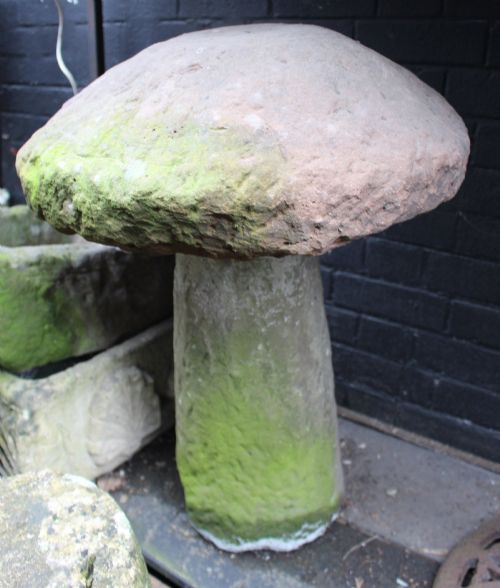
- A mushroom-shaped stone support formerly used to elevate granaries and barns clear of damp ground and vermin. They now serve widely as garden ornaments and gate finials.
- Putto
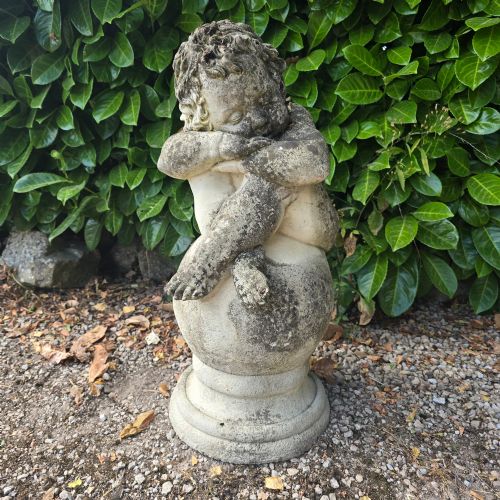
- A plump, often winged male child figure common in classical and Renaissance art. Garden sculptors rendered these figures in lead and stone.
- Plinth
- A heavy stone or masonry base supporting a bust, urn, or statue. They elevate garden sculpture to improve sightlines within planting schemes.
- Finial
- An ornamental architectural detail marking the top of a post, pier, or gate. Pairs of stone lions and balls frequently serve this function.
Weathered Grey Garden Sculpture: Frequently Asked Questions
How do I place stone sculptures outside?
Heavy stone and reconstituted pieces rest securely on firm earth, gravel, or paved terraces without additional fixing. Using a stone plinth helps elevate the sculpture above soil level to prevent splash staining and moisture absorption.
Position figures where natural light crosses the carved surfaces to highlight the modelled details and weathered texture. Placing them near evergreen planting allows the grey tone of the stone to stand out through changing seasons.
How do I care for lead garden figures?
Lead develops a stable protective patina over decades outdoors and requires virtually no chemical cleaning. Allowing natural weathering to persist preserves the historical surface of the metal.
Avoid scraping or pressure-washing soft lead surfaces, as this removes the dark grey oxidation layer. Gentle rinsing with plain water removes accumulated debris without harming the metal.
What is a staddle stone?
A staddle stone consists of a shaped base stone topped by a separate cap, traditionally used to support agricultural timber buildings. Their sturdy proportions and weathered surfaces made them popular garden ornaments from the eighteenth century onward.
Originating in rural architecture, these stones now function as distinct focal points on lawns or near pathways. Their distinct mushroom silhouette remains easily recognisable among architectural antiques.
How can I tell cast stone from carved stone?
Cast stone and reconstituted stone pieces often show tiny surface air bubbles and uniform texture from the mould. Carved sandstone and hard stone display tool marks, directional chisel striations, and natural variations in the mineral grain.
Examining the underside or concealed edges usually reveals the manufacturing method. Carved works show individual hand labour, whereas cast items reflect the precise contours of the original master pattern.