


Vintage Outdoor Sculpture
Vintage outdoor sculpture brings classical figures and animal guardians to gardens, offering character that matures gracefully in the open air.
Vintage Outdoor Sculpture
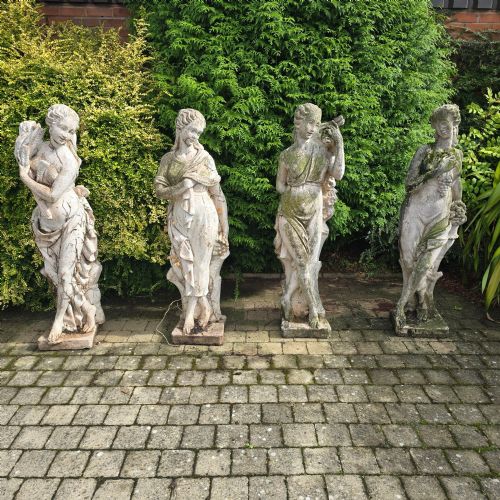
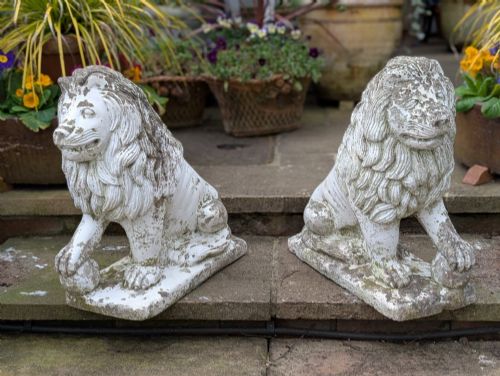
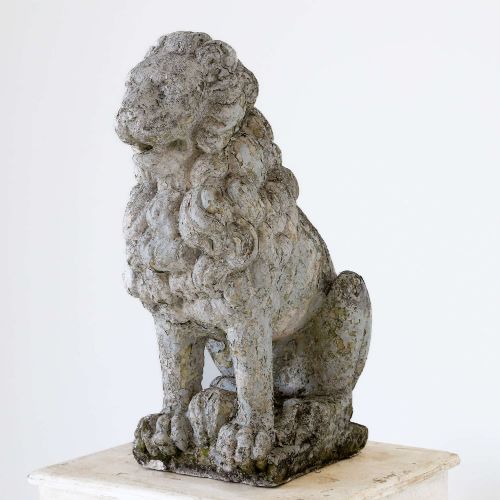
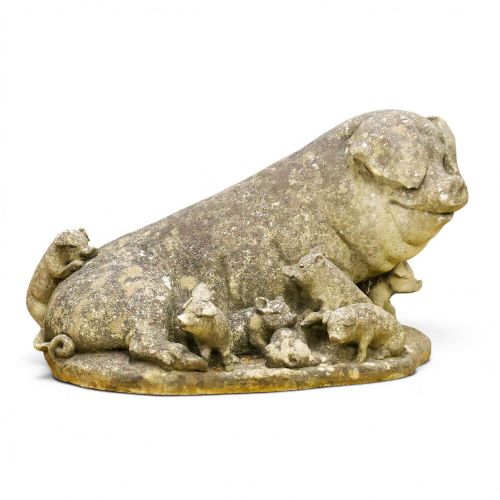
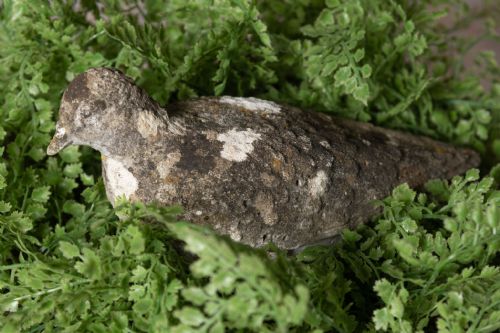
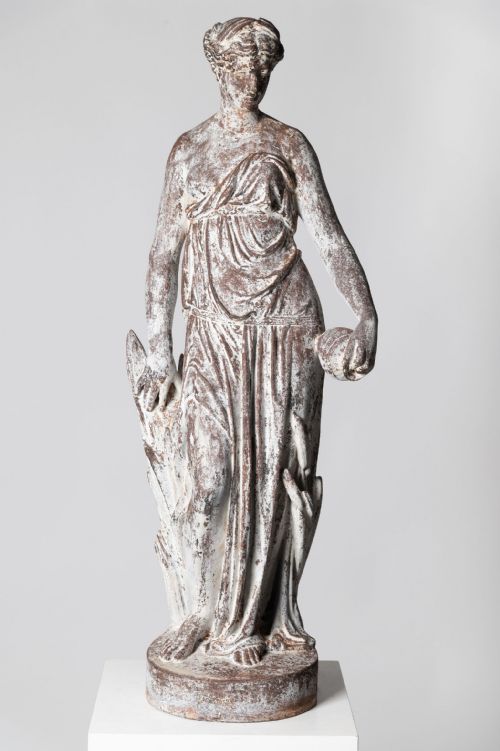
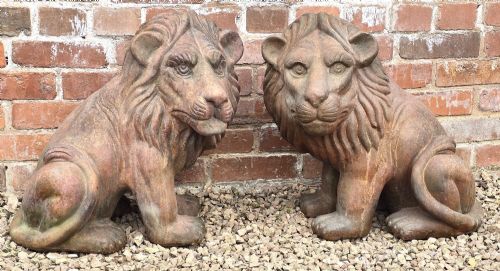
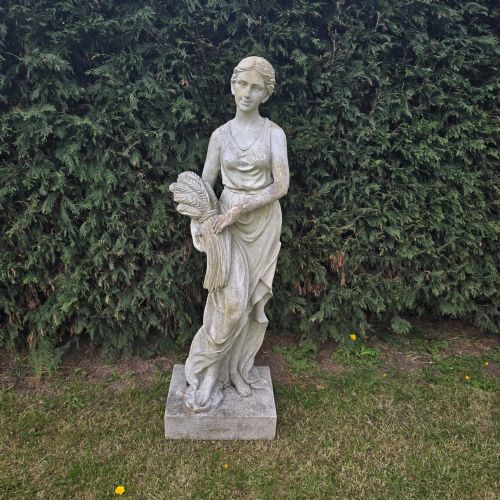
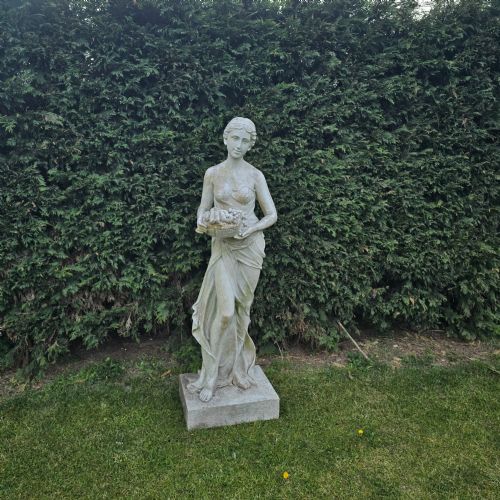
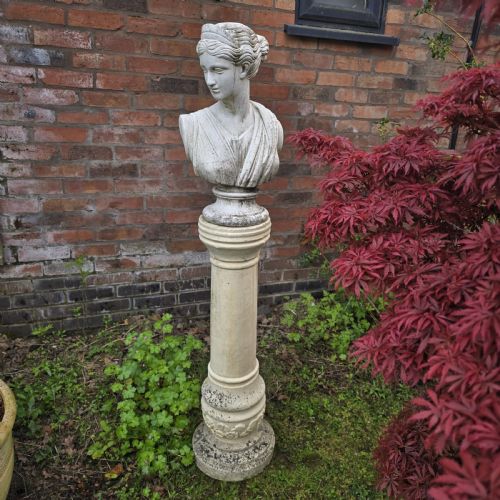
Vintage outdoor sculpture encompasses garden ornaments, statues, and architectural finials designed to withstand the elements while enhancing exterior spaces. Pieces range from classical figures and mythological representations to animal forms such as lions, eagles, and geese.
Origins span English garden traditions, French foundry works, Italianate designs, and Indian stone artefacts from the colonial period. These objects transform lawns, terraces, and courtyards by introducing focal points with established age and presence.
How they were made
Foundries and workshops utilised durable metals including cast iron, bronze, and lead to create figures through traditional moulding and casting techniques. Iron statues often originated from noted foundries like Val d'Osne, yielding robust forms capable of outdoor exposure.
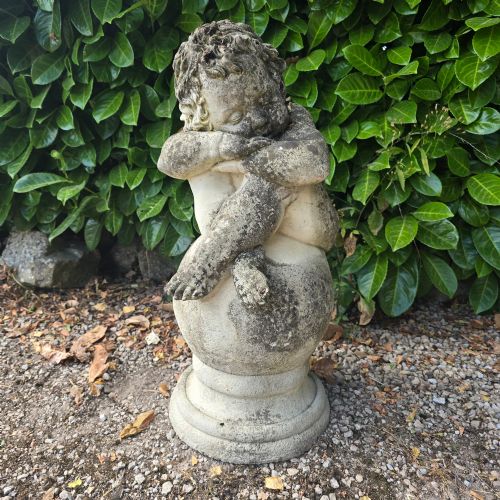
Stone pieces relied heavily on composite, reconstituted, or cast stone mixtures poured into moulds, sometimes retaining traces of original paint or developing natural weathering. Hand-sculpted terracotta and sandstone pieces demonstrate traditional carving and modelling methods applied to architectural and garden ornaments.
A cast stone garden gnome from the nineteen-thirties retains its original flaky paint, proving that garden humour is thoroughly vintage.
What varies in quality
The integrity of the material and its patina determine how gracefully a piece ages outdoors. Original paint retention on cast stone or the natural oxidation on bronze and iron contributes distinct character that differentiates exceptional examples from later, uninspired reproductions.
The Vintage Outdoor Sculpture Glossary
- Reconstituted stone
- A manufactured material composed of crushed stone aggregate and a binder, moulded to replicate natural carved stone. It provides durability for garden statuary.
- Staddle stone
- A mushroom-shaped stone support formerly used to elevate granaries off the ground to prevent damp and vermin. Eighteenth-century examples now serve as garden ornaments.
- Okimono
- A Japanese term for a decorative object or sculpture designed for display. Bronze examples include realistic animal figures placed in garden settings.
- Finial
- An architectural ornament that marks the top or end of a post, gate, or plinth. Stone and iron variants often take the form of lions or decorative caps.
Vintage Outdoor Sculpture: Frequently Asked Questions
How do I clean vintage garden stone?
Gentle washing with water and a soft brush removes surface dirt without disturbing the beneficial lichens and moss that establish age.
Harsh chemical cleaners and pressure washers strip away the weathered patination that defines the character of vintage outdoor sculpture.
Can cast stone statues stay outside in winter?
Most reconstituted and cast stone pieces tolerate cold weather if they are raised slightly off the ground to prevent moisture absorption from freezing soil.
Severe frost can damage porous materials, so vulnerable or highly detailed figures benefit from being covered or moved under shelter during freezing months.
What is the difference between cast iron and bronze?
Cast iron is a heavy, robust ferrous metal that frequently develops a surface layer of orange-brown iron oxide unless regularly painted or sealed. Bronze is a copper alloy that forms a stable, protective green or dark brown patina when exposed to the elements over decades.
How do I secure large garden statues?
Heavy pieces like life-sized figures, stone lions, and staddle stones often remain stable under their own substantial weight on level ground.
Tall sculptures or pieces mounted on separate plinths may require discreet dowelling or anchoring to withstand high winds and ground movement.