


Classical Garden Figure
A classical garden figure brings mythological presence and formal grace to open lawns, terraces, and conservatory corners.
Classical Garden Figure
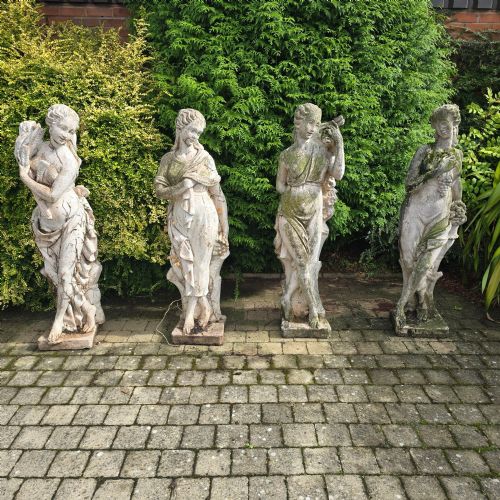
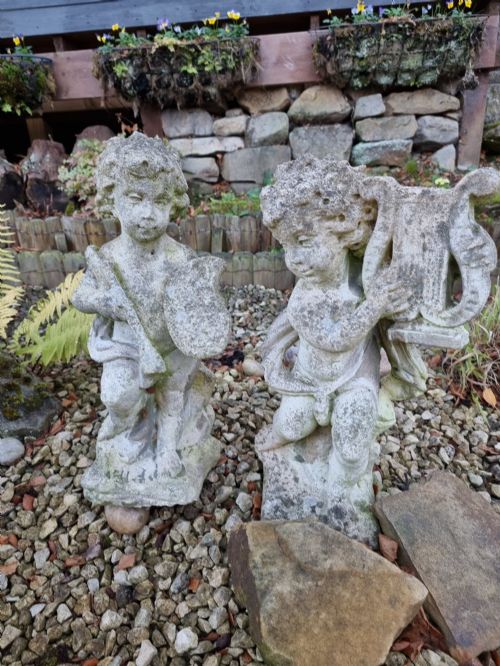
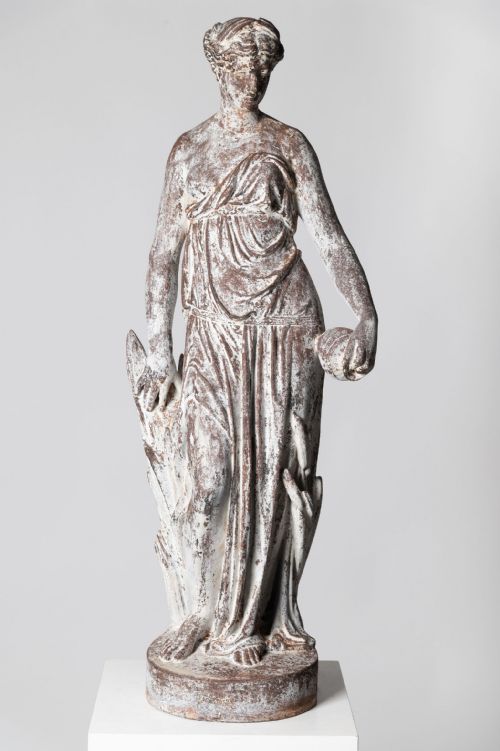
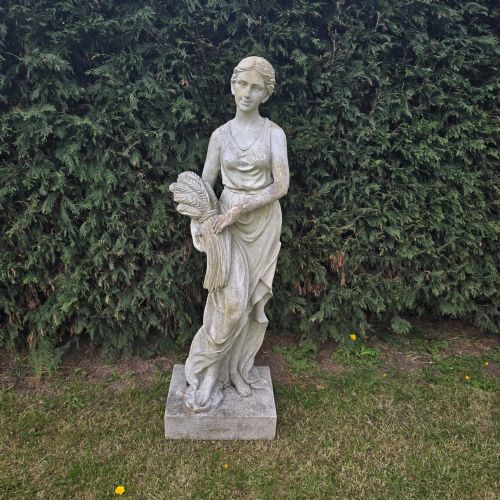
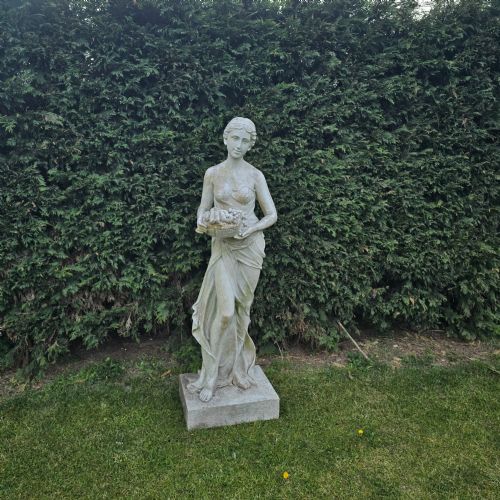
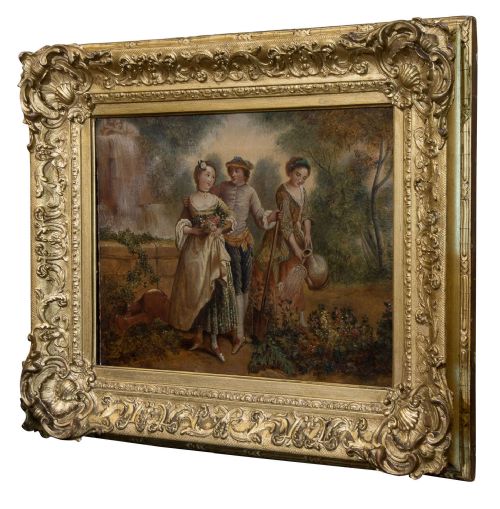
A classical garden figure comprises cast stone, reconstituted stone, and carved marble statues, along with lead putti, iron animals, and occasional oil paintings that depict deities, allegorical seasons, and lions. These works range from nineteenth-century grand tour sculptures and Victorian lead satyrs to mid-twentieth-century stone ladies on plinths.
The version most commonly met on this page is the stone or cast composition garden statue, often depicting cherubs, lions, or draped ladies from the nineteenth and mid-twentieth centuries. Such pieces are selected to weather outdoors in courtyards or stand within sheltered garden conservatories.
Materials and construction
Makers formed these pieces using reconstituted stone, cast stone, concrete, and terracotta, alongside durable metals like cast iron, bronze, and lead. Stone and cast compositions were poured or carved into classical forms, while metal examples frequently emerged from specialised foundries such as Val d'Osne.
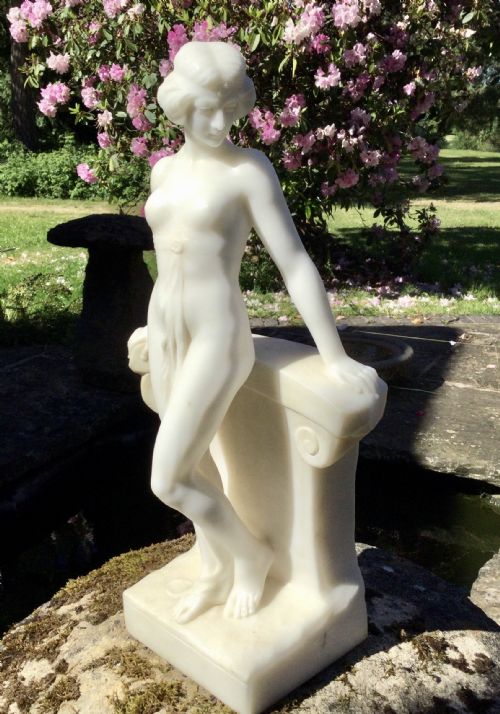
Marble and plaster served for more intricate indoor sculptures and grand tour busts, while exterior figures relied on dense aggregate mixes designed to withstand the elements. Canvases and prints on this page record painted interpretations of the same classical subjects.
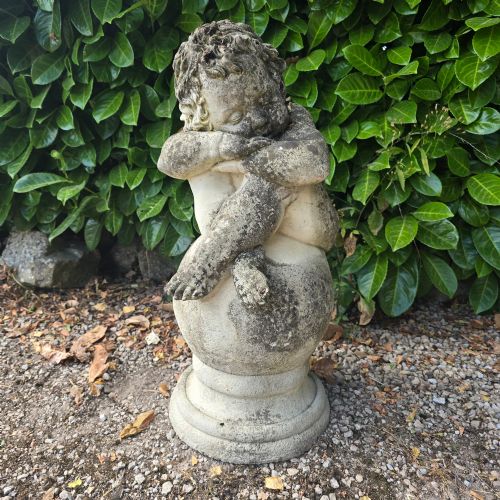
Several stone lions on this page stand ready to guard lawns, alongside cheerful cherubs caught mid-sleep.
Differences in quality
Patina and weathering significantly affect the character of exterior figures, as decades of exposure create natural mossing and surface erosion that enhance sculptural depth. The presence of documented foundry marks or substantial structural plinths elevates the standing of metal and stone statues.
Val d’Osne foundry·Paul Viry·Eduard Veith
The Classical Garden Figure Glossary
- Reconstituted stone
- A manufactured material made from crushed stone and cement binder moulded into sculptural shapes. It mimics natural stone for exterior garden ornaments.
- Putto
- A plump, often winged male child figure frequently seen in Renaissance and later art. These figures appear as cherubs in garden statuary.
- Grand tour
- A cultural trip of Europe formerly undertaken by young upper-class European men. Associated items include carved marble statues and busts.
- Neoclassical
- A style of art and architecture inspired by the classical arts of ancient Greece and Rome. This aesthetic guides the design of many garden figures and statues.
- Plinth
- A heavy base or block upon which a statue or column stands. Garden figures are frequently mounted upon them to elevate the display.
Classical Garden Figure: Frequently Asked Questions
How do I place a classical garden figure outdoors?
Position stone and cast figures on stable paved surfaces, gravel paths, or dedicated stone plinths to prevent ground moisture from saturating the base during wet months. Ensure larger statues are balanced securely to withstand wind.
For winter care, shield delicate plaster or terracotta pieces from freezing temperatures, while robust cast stone, lead, and iron figures can remain outside year-round.
What is the difference between cast stone and marble?
Cast stone is an aggregate mixture poured into moulds to replicate carved stonework, offering a durable and weather-resistant option for outdoor garden display. It often acquires organic weathering over decades.
Marble is a natural metamorphic rock carved by hand, used historically for grand tour pieces and fine indoor or conservatory sculpture rather than exposed garden settings.
Can these figures stay outside all winter?
Cast stone, lead, bronze, and cast iron figures tolerate winter conditions well, gradually developing a weathered surface patina that marks their age.
Plaster and terracotta items require indoor storage or winter covering because trapped moisture expands when frozen, causing the material to crack and degrade.
How do I identify a nineteenth-century piece?
Nineteenth-century works often exhibit heavy metal casting from named foundries, dense composition stone with authentic organic lichen, or hand-carved marble details typical of grand tour collections.
Examine the construction methods, tool marks, and fastener types, as mid-twentieth-century reproductions utilise more uniform aggregate mixes and modern fastening hardware.