





Weathered Clay Pot
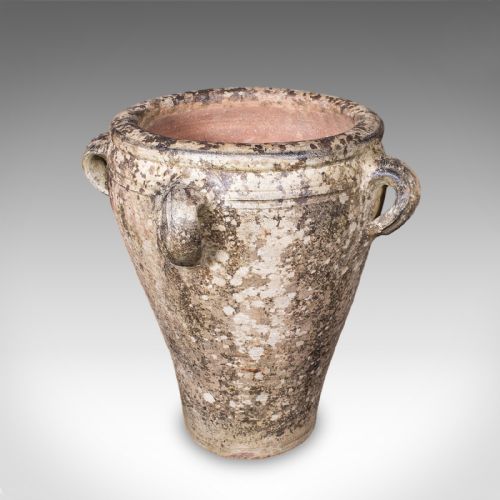
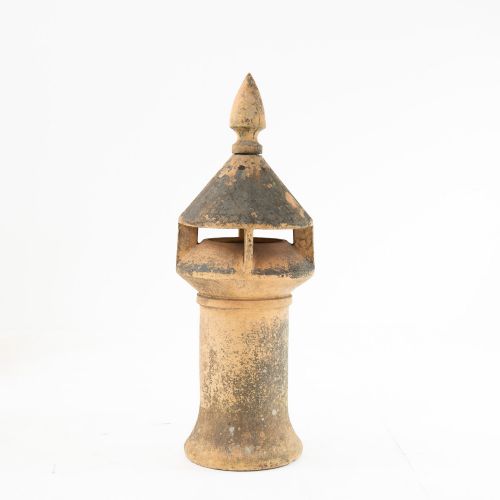
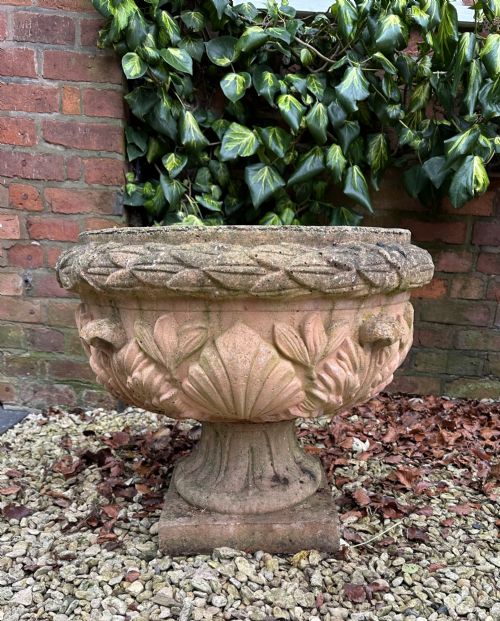
These weathered clay pot examples are robust garden planters, oil jars and chimney pots chosen for their patinated surfaces and garden utility.
Weathered Clay Pot
A weathered clay pot encompasses sturdy terracotta garden planters, oil jars and chimney pots originating from the nineteenth and early twentieth centuries. Buyers seeking this phrase encounter rustic Mediterranean amphorae, olive jars and utilitarian chimney pots fashioned from buff clay and earthenware.
The selection ranges from tall late Georgian and Victorian chimney pots to large Portuguese and Mediterranean olive jars and garden urns. Many pieces show the distinct influence of Arts and Crafts design alongside traditional rural provincial forms.
How they were made
Makers shaped these utilitarian objects primarily from terracotta, buff clay and earthenware using traditional turning and moulding techniques suitable for heavy garden vessels. Some pieces incorporate surface treatments such as paint or glazes over the natural clay body.
The manufacturing process prioritised durability for outdoor use, resulting in thick walls and robust rims designed to withstand exposure to the elements over generations.
Weathered Clay Pot Retail Price Guide 2026
Typical asking prices for weathered clay pot among the pieces listed under this phrase on Sellingantiques today, from the lower quarter to the upper quarter. They describe what is for sale here now, not the wider market.
The selection includes pieces spanning the Victorian period through to the 1930s, utilising terracotta, buff clay and earthenware.
What varies in quality
Quality in a weathered clay pot lies in the depth of natural patination and the integrity of the original form rather than pristine preservation. Vessels that retain crisp architectural moulding or balanced proportions alongside authentic weathering stand apart from simpler utilitarian items.
The character of the clay body and the subtlety of surface wear distinguish standard utilitarian wares from more decorative examples associated with specific regional styles or workshops.
C. R. Stevens
The Weathered Clay Pot Glossary
- Terracotta
- A porous brownish-red earthenware clay used extensively for garden pottery and architectural elements. It develops a desirable weathered surface when exposed to weathering over time.
- Amphora
- A two-handled ancient jar shape revived in later centuries for large garden and interior vessels. These tall containers were traditionally used for transporting and storing oil or wine.
- Earthenware
- Pottery fired at relatively low temperatures that remains porous unless glazed. This traditional material forms the heavy body of many historic garden jars and pots.
- Chimney pot
- An architectural terracotta or clay structure placed atop a chimney stack to improve draft. In garden settings, these vertical elements serve as striking sculptural planters.
- Buff clay
- A pale yellowish-tan ceramic material valued for its distinct neutral tone. It provides a lighter alternative to traditional reddish terracotta.
Weathered Clay Pot: Frequently Asked Questions
How do I care for historic terracotta outdoors?
Historic terracotta and earthenware require consideration during freezing winter weather to prevent moisture absorption from cracking the clay body. Raising containers off the ground on pot feet improves drainage.
Regular cleaning should remain gentle to preserve the accumulated surface patination and natural weathering built up over decades.
How can I tell the age of a clay pot?
Dating relies on examining the specific clay body, manufacturing marks, tool signatures and the style of the rim or handles. Nineteenth-century examples often display distinct surface textures and hand-formed variations.
Comparing the form to documented regional styles helps narrow down the period of production.
Are chimney pots suitable as garden planters?
Tall chimney pots make excellent vertical garden planters when properly sited and secured on a stable base. Their narrow profiles suit specific planting requirements.
Gardeners often utilise these architectural salvaged pieces to add height and historic character to borders or patios.