
Waterfall Crystal Pendant Light
A waterfall crystal pendant light brings dramatic tiered illumination into a room, using cascading prisms to catch and scatter light.
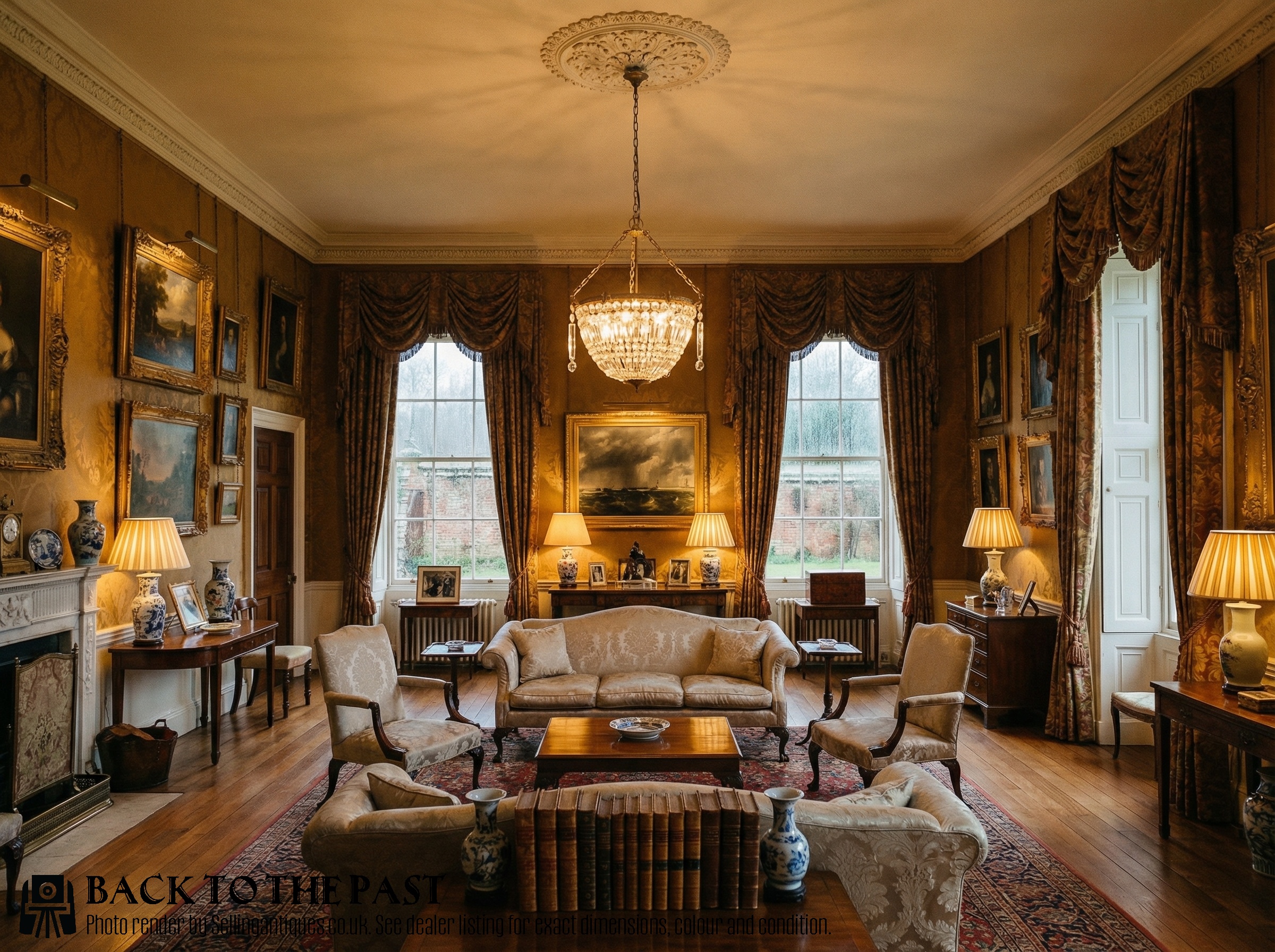
Waterfall Crystal Pendant Light
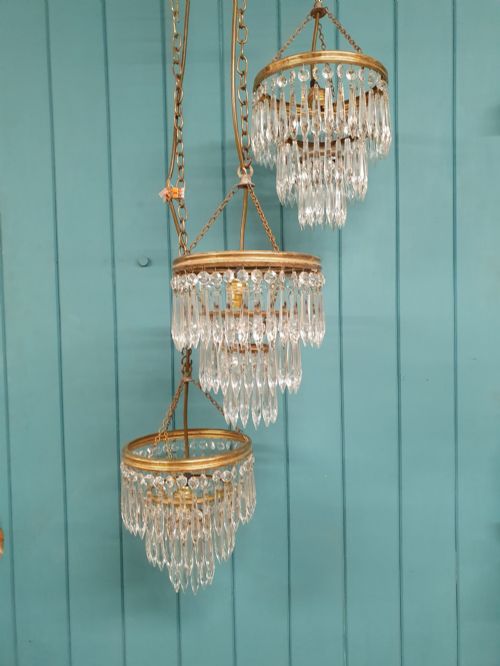
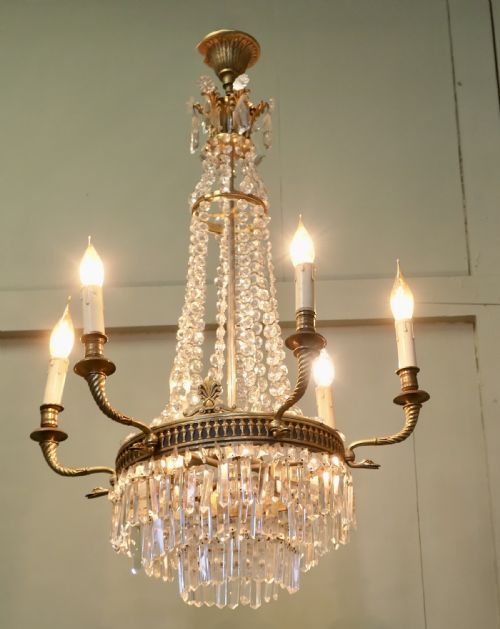
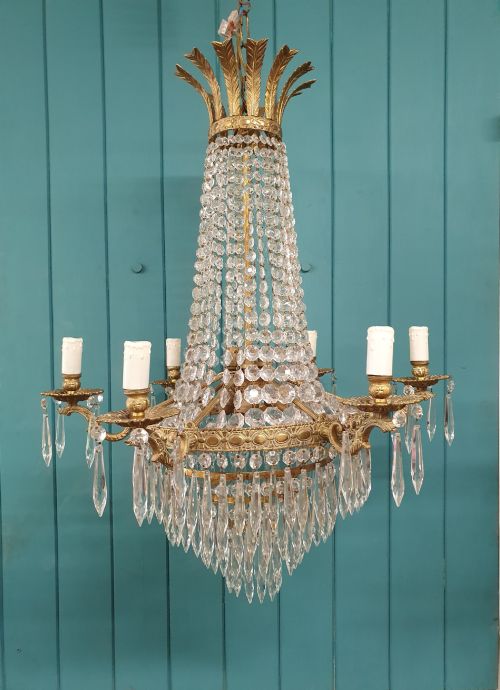
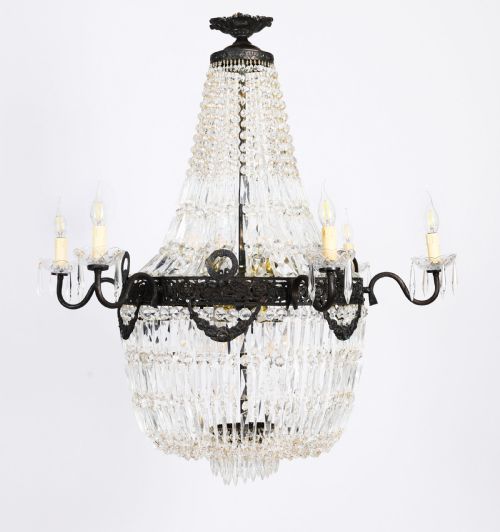
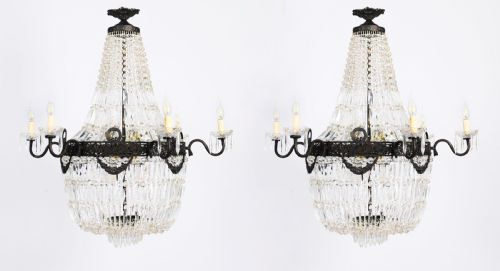
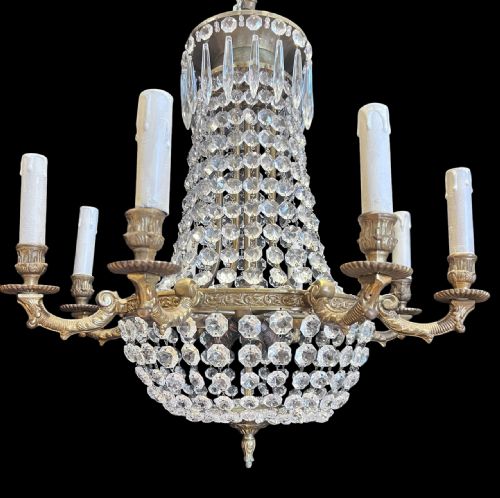
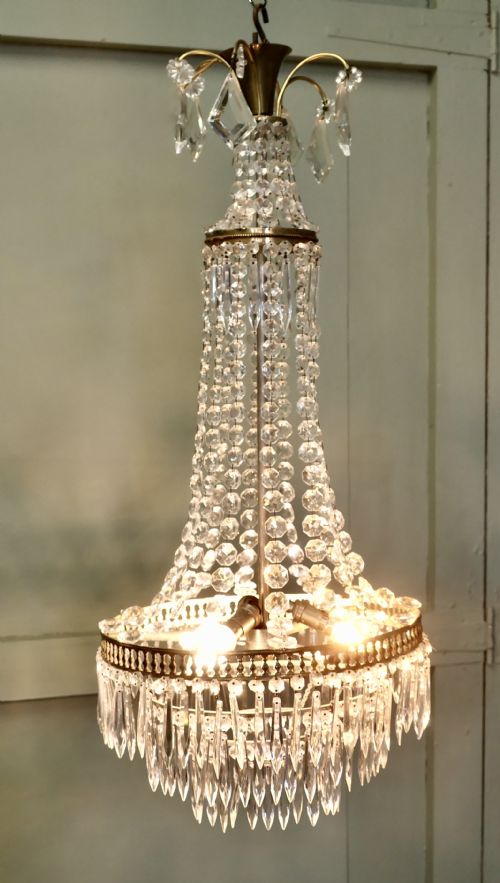
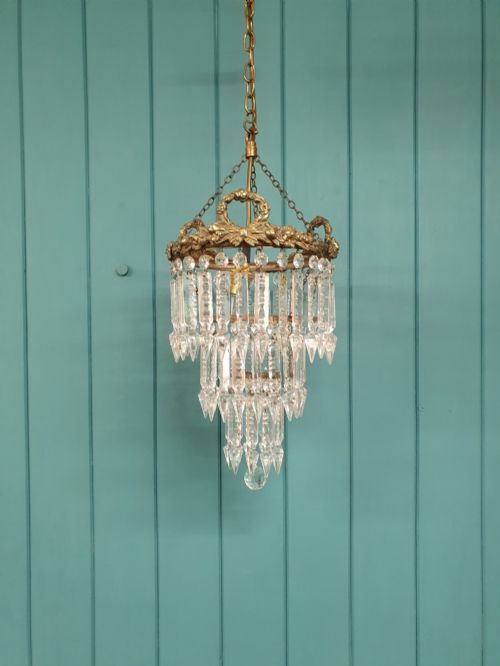
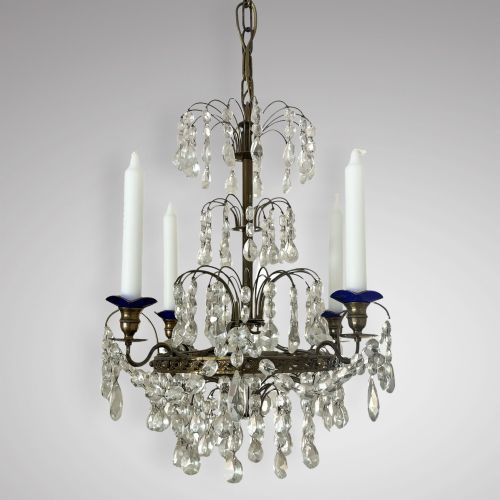
A waterfall crystal pendant light directs attention upward before drawing the eye down through layered tiers of glass prisms and drops. When searching for a waterfall crystal pendant light, buyers encounter pieces spanning the nineteenth century through the nineteen-thirties, with Edwardian examples and nineteen-twenties French Empire styles appearing most frequently.
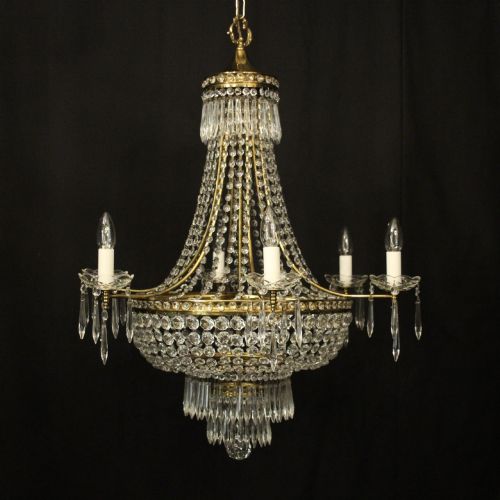
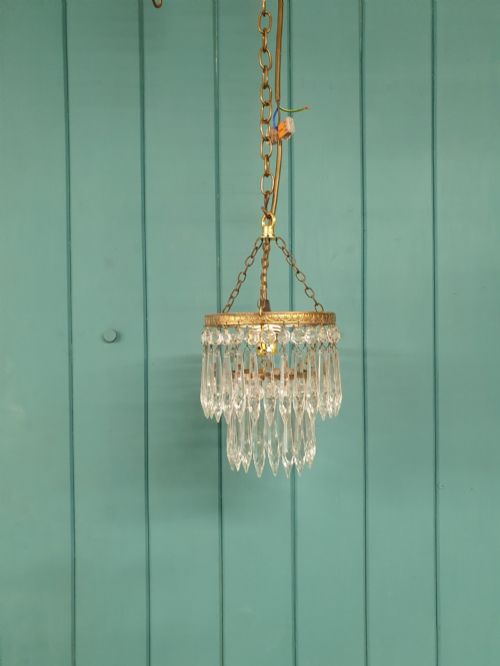
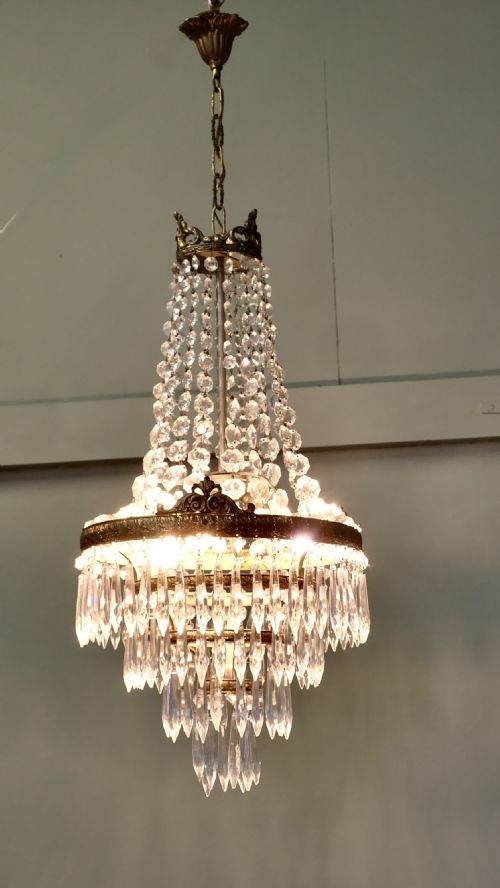
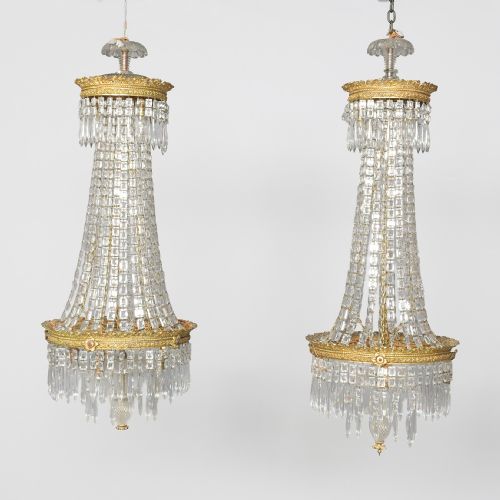
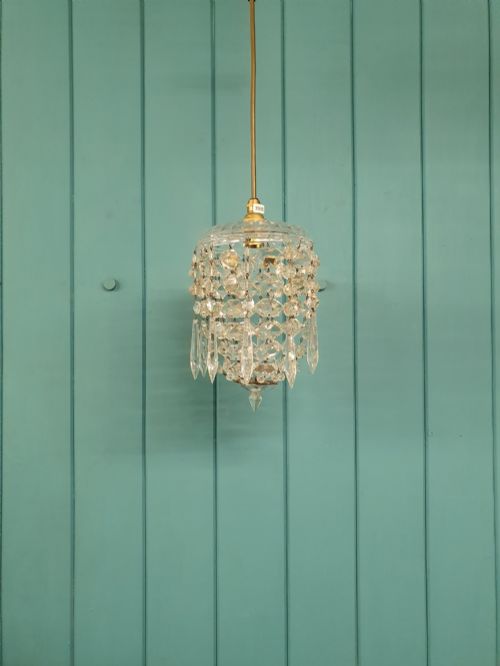
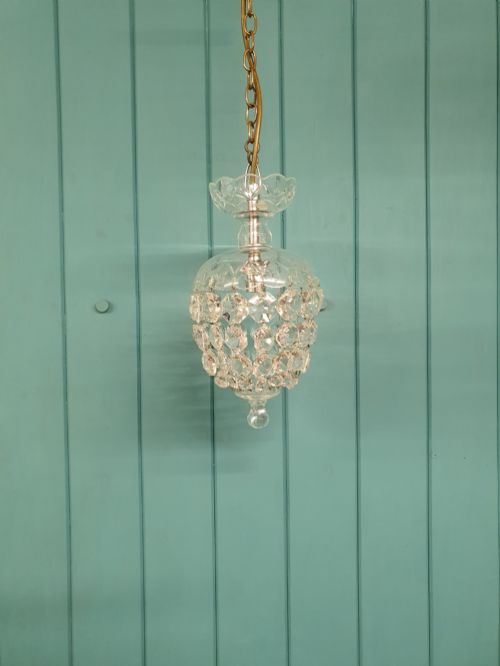
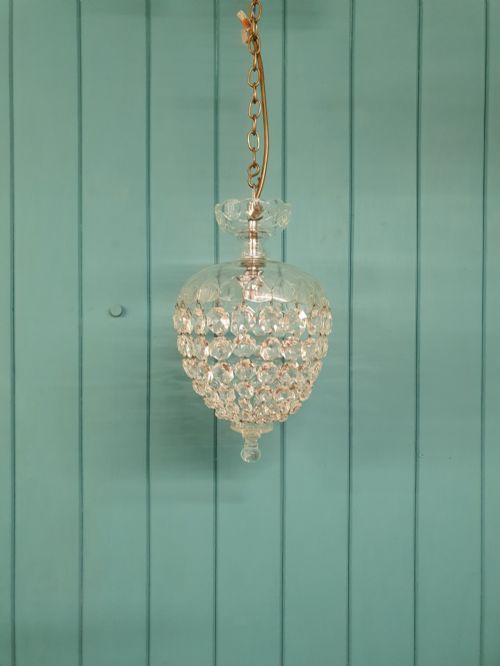
These fixtures take various architectural forms including tent and bag configurations, spike chandeliers, domes, and single-light plafonieres. The construction typically suspends glass or crystal elements from a central frame to create the characteristic cascading silhouette.
Assessing quality and execution
The distinction between standard and superior pieces rests on the precision of the metalwork and the clarity of the glass elements. Higher quality examples utilise heavier cast bronze or brass mounts with crisp chasing, alongside deeply cut crystal that refracts light with greater intensity.
Proportion and density of the hanging prisms also dictate the caliber of the fixture. Finer pieces demonstrate a considered balance between the structural brass frame and the volume of glass, ensuring the tiers drape harmoniously without appearing sparse.
Early twentieth-century makers apparently grew very fond of measuring their spike chandeliers precisely by the inch.
The Waterfall Crystal Pendant Light Glossary
- Tent and bag chandelier
- A lighting fixture featuring an upper section of cascading glass strings shaped like a tent above a lower basket or bag form. This design maximises the surface area for suspended crystal prisms.
- Plafoniere
- A ceiling-mounted lighting fixture that sits close to the surface rather than hanging on a long chain. These single-light pieces often utilise waterfall crystal drops arranged in a shallow bowl or dome shape.
- Spike chandelier
- A vertical hanging light characterised by a central tapering drop or spike surrounded by tiers of crystals. Edwardian makers produced these in various sizing increments.
- Cut glass
- Glass shaped and patterned by abrasive wheels to create faceted surfaces that catch and multiply light. This material forms the primary refractive element in period lighting.
Waterfall Crystal Pendant Light: Frequently Asked Questions
How do I hang a waterfall crystal pendant light?
These fixtures require secure ceiling anchorage due to the combined weight of the metal frame and glass prisms. Professional installation ensures the electrical wiring safely supports the specific voltage requirements of period lighting.
Ceiling height dictates the appropriate drop of the pendant. Rooms with lower clearances benefit from dome or plafoniere variants, whilst higher ceilings accommodate multi-tiered tent and waterfall configurations.
What periods do these pendant lights come from?
The available pieces originate primarily from the late nineteenth century, the Edwardian era, and the nineteen-twenties and nineteen-thirties. Stylistic influences often draw upon French Empire and Louis Revival aesthetics.
Earlier examples from the nineteenth century utilise heavy bronze frames and hand-cut glass. Later nineteen-thirties interpretations lean toward streamlined spike and bag formations.
How do I clean a crystal pendant light?
Maintenance involves dusting the glass elements regularly with a soft cloth to preserve light refraction. For deeper cleaning, individual crystal drops may be washed in warm soapy water while attached or removed carefully from the brass frame.
Harsh chemical cleaners should be avoided to protect the original gilt brass, bronze, and metal finishes. Drying each glass prism thoroughly prevents water spots and maintains clarity.