



Watercolour Art Print
These watercolour art print pieces bring historic hand-painted scenes and framed illustrations directly to your wall.
Watercolour Art Print
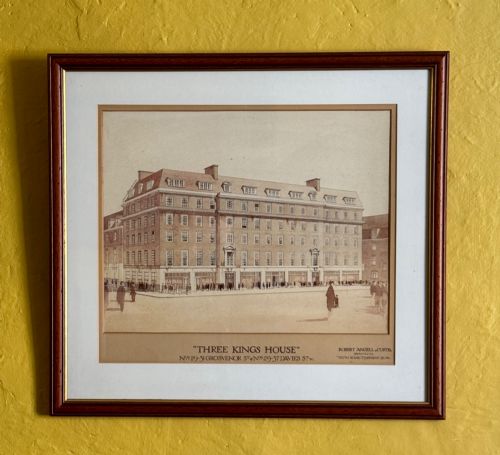
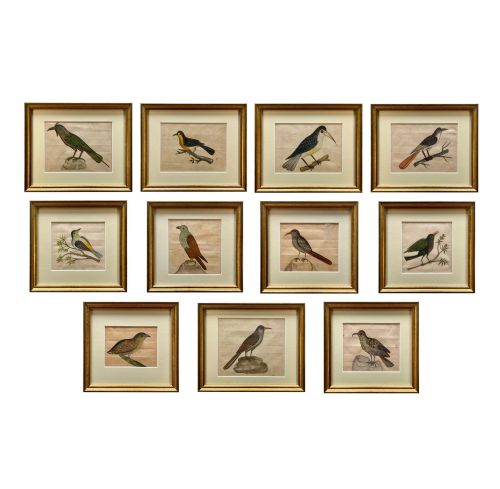
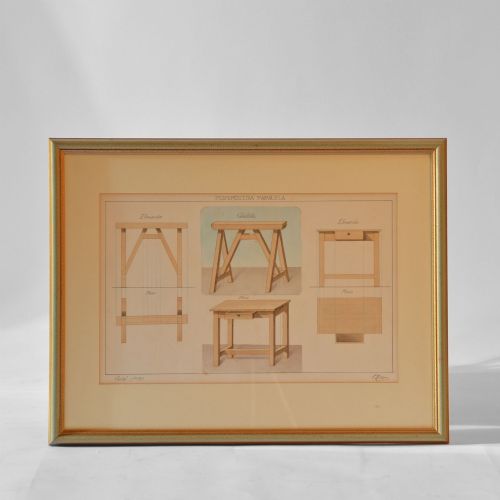
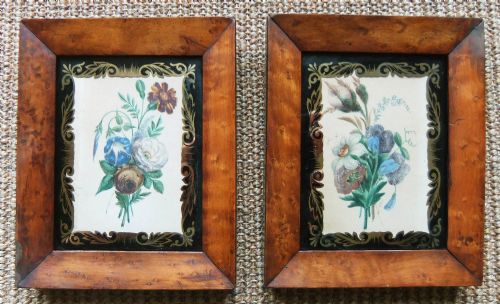
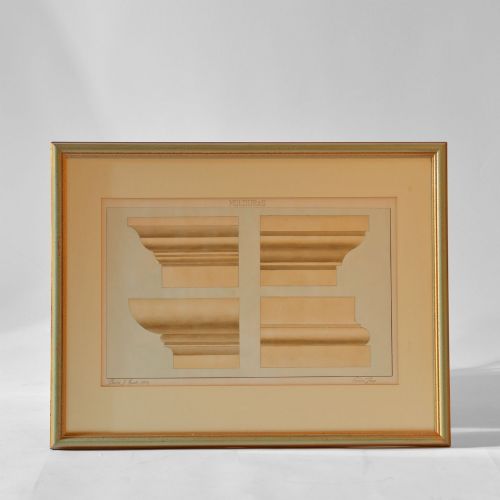
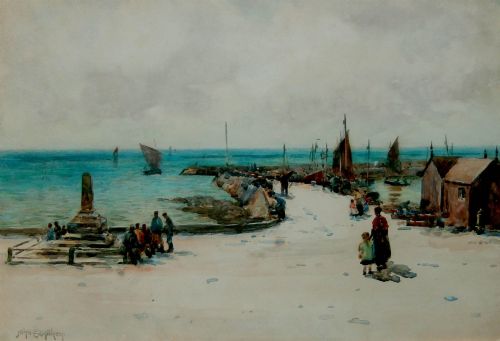
A watercolour art print encompasses original painted works on paper alongside period printed reproductions and book plates. The selection ranges from Victorian maritime scenes and Edwardian architectural views to botanical studies and bird illustrations.
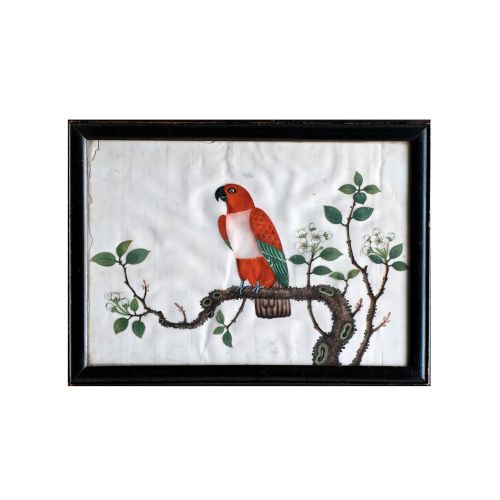
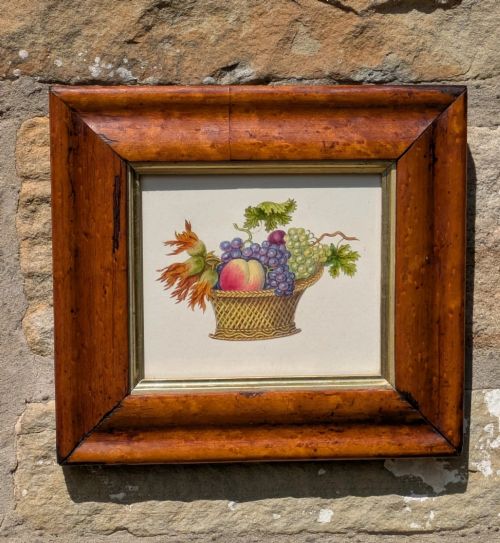
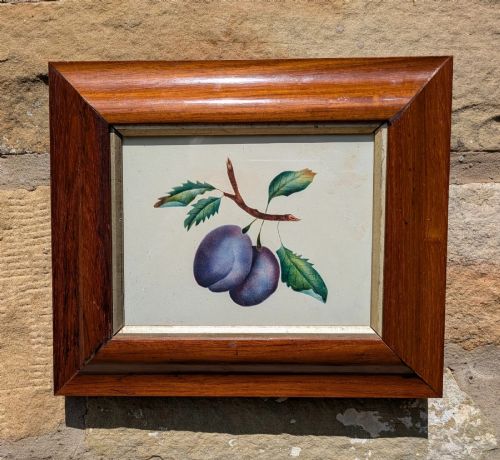
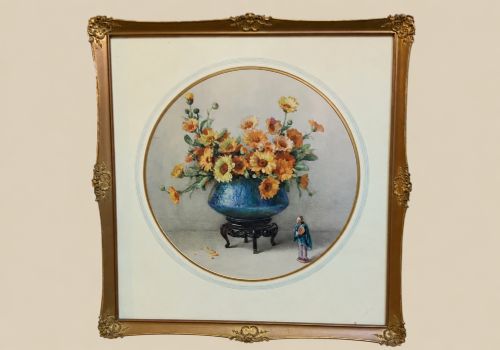
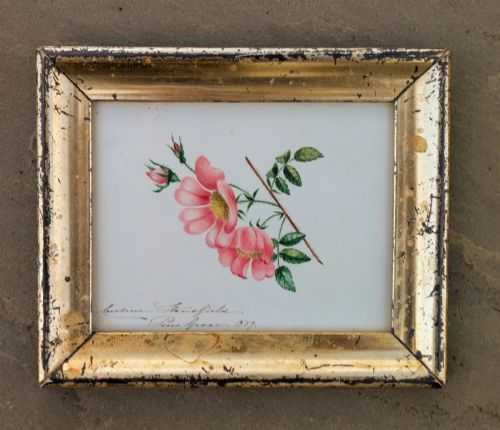
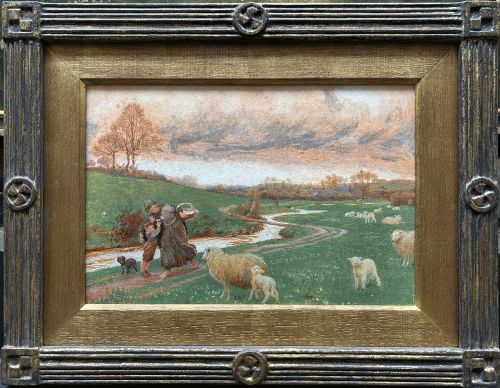
You will encounter pieces originating from the nineteenth and twentieth centuries, spanning Regency fruit arrangements down to mid-century ornithological paintings. Many arrive preserved behind glass within original wooden, rosewood, oak, or gilt frames.
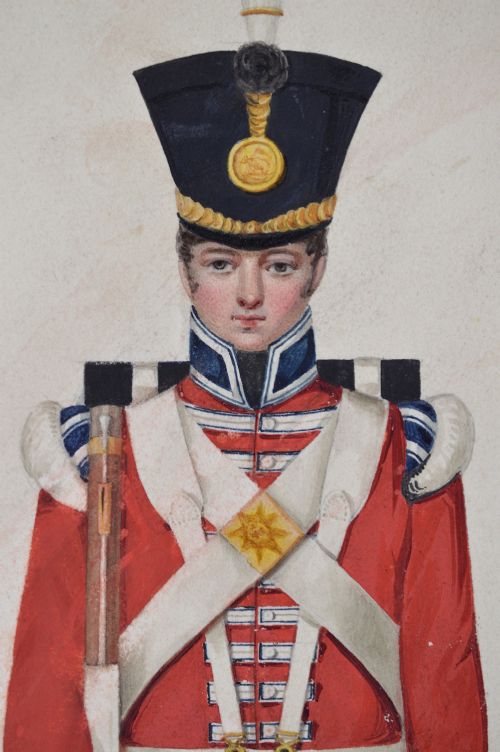
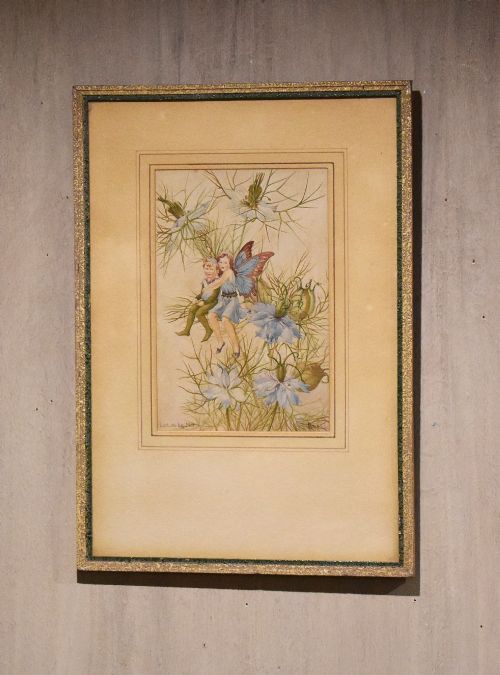
The subjects cover British landscapes, Venetian markets, military portraits, and Japanese fairy tales. These works capture the delicate application of pigment and ink by named artists and anonymous hands alike.
How they were made
Artists applied watercolour pigment and ink onto paper supports, often layering washes to build depth in landscapes and botanical studies. Some items incorporate gold leaf highlights or wash borders to frame the central subject.
Framing materials reflect the period of creation, utilising ebonised timber, deep giltwood mounts, rosewood, and oak to protect the works behind glass. Early twentieth-century print editions employ woodblock and lithographic techniques to reproduce original compositions.
Watercolour Art Print Retail Price Guide 2026
Typical asking prices for watercolour art print among the pieces listed under this phrase on Sellingantiques today, from the lower quarter to the upper quarter. They describe what is for sale here now, not the wider market.
Materials recorded on this page include paper, glass, watercolour pigment, gold leaf, rosewood, oak, ebonised timber, and gilt wood.
What varies in quality
The strength of the composition and the precision of the brushwork distinguish finer watercolours from standard decorative examples. A confident handling of light in a seascape or botanical study elevates the visual impact.
The preservation of the paper support and the originality of the accompanying frame contribute significantly to the standing of a piece. Intact historic mounts and untouched backing materials preserve the integrity of the work over time.
Marjorie L Davies·Harry Bright·Thomas Ellison·Alfred Young Nutt·John E Aitken·Carl Haag·Frederick Walker·TB Hardy·George Rankin·Cecil Beaton·Ralston Gudgeon·Charles Edward Wilson·Warwick Goble·George F Pennington·M Simpson·James William Booth·Arthur Hopkins·Charles F Tunnicliffe
The Watercolour Art Print Glossary
- Watercolour
- A paint consisting of pigment suspended in a water-based solution. It is traditionally applied to paper to create translucent washes of colour.
- Wash
- A thin, semi-transparent layer of diluted watercolour pigment or ink applied across paper. This technique creates smooth background skies and atmospheric depth.
- Gilt Wood
- Wood that has been treated with a thin layer of gold leaf or metallic gilt finish. It frequently appears on period picture frames.
- Woodblock Print
- An image created by carving a design into a wooden block, applying ink, and pressing it onto paper. It is a method seen in Japanese fairy tale publications.
- Lithograph
- A planographic printing process utilising a smooth stone or metal plate. It allows for the reproduction of original painted works.
Watercolour Art Print: Frequently Asked Questions
How do I care for antique watercolours?
Keep watercolours away from direct sunlight to prevent the pigments from fading over time. Maintaining stable indoor humidity protects both the paper support and the historic wooden frame.
Ensure the glass is clean and avoid hanging pieces in damp environments such as bathrooms or kitchens.
Are these works original paintings or prints?
The selection includes both unique hand-painted watercolours and historic printed plates from nineteenth and twentieth-century books. Individual listings specify whether a piece is an original drawing or a period print.
Close inspection under natural light reveals the brushstrokes of hand-applied pigment versus the dot matrix or ink patterns of reproduction methods.
How do I identify the period of a frame?
Victorian and Edwardian frames often utilise ebonised finishes, deep giltwood mounts, or heavy oak mouldings. Regency examples frequently feature rosewood veneers and specific moulding profiles.
Original backboards, old fixings, and early paper tape help confirm that the frame belongs to the same era as the artwork inside.
What subjects are most common?
Botanical studies of flowers, garden birds, and fruit arrangements appear frequently across the nineteenth and twentieth-century selections. Landscapes, architectural drawings, and maritime scenes are also widely represented.
Illustrations from early edition storybooks provide narrative subjects alongside military portraits and still life compositions.