



Warm Oak Display Cabinet
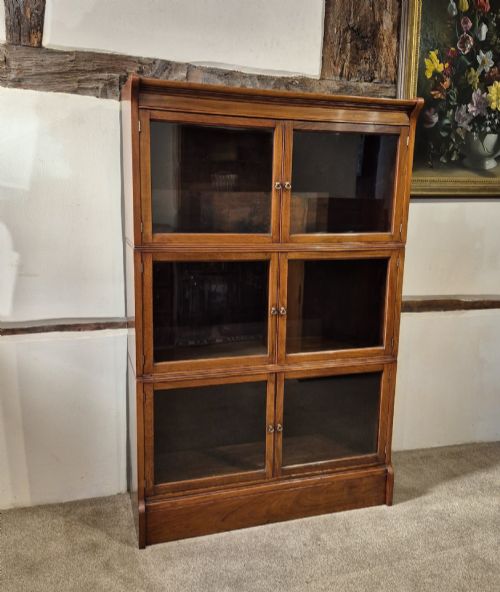
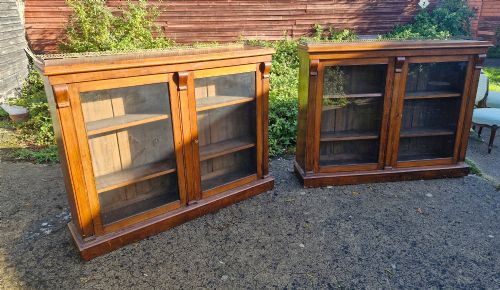
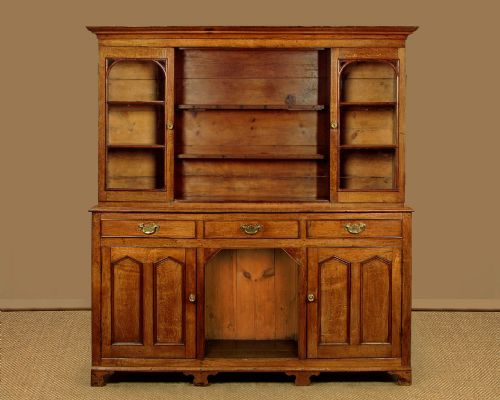
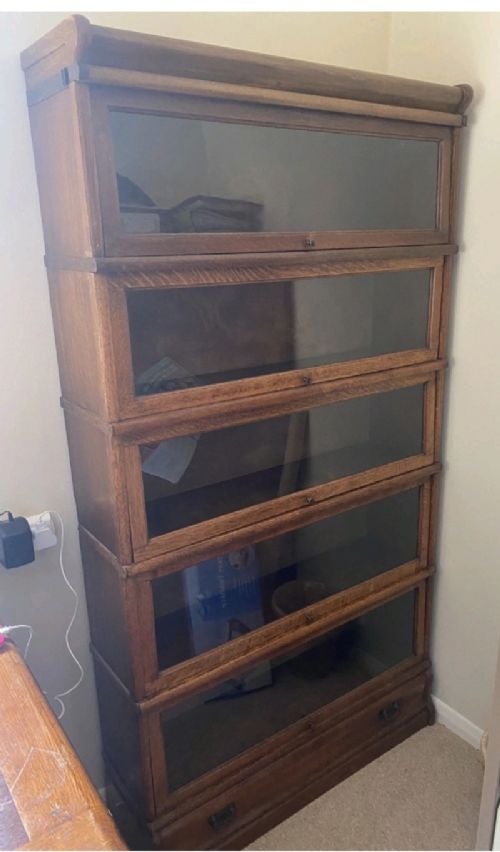
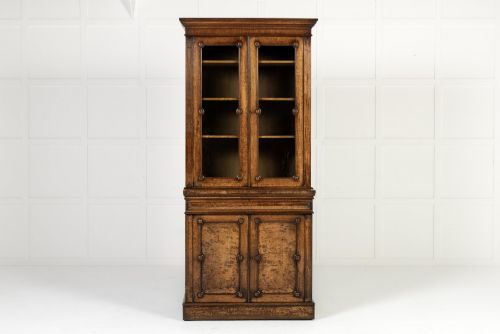
These warm oak display cabinet pieces bring honest timber and glass into a room, offering both storage and a view of your collection.
Warm Oak Display Cabinet
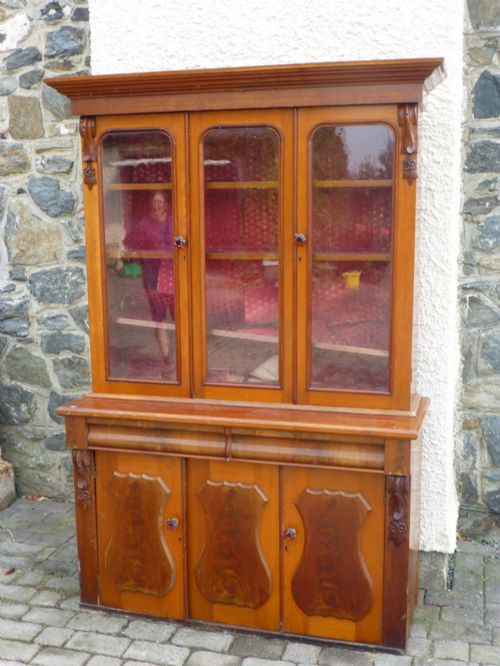
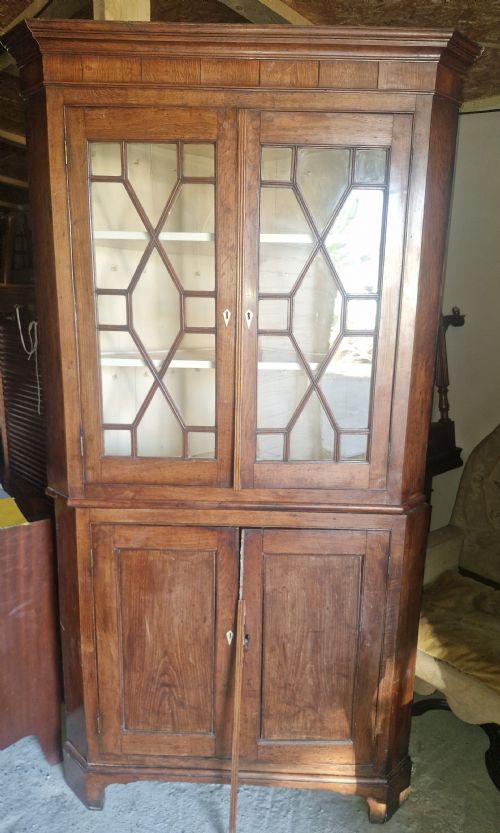
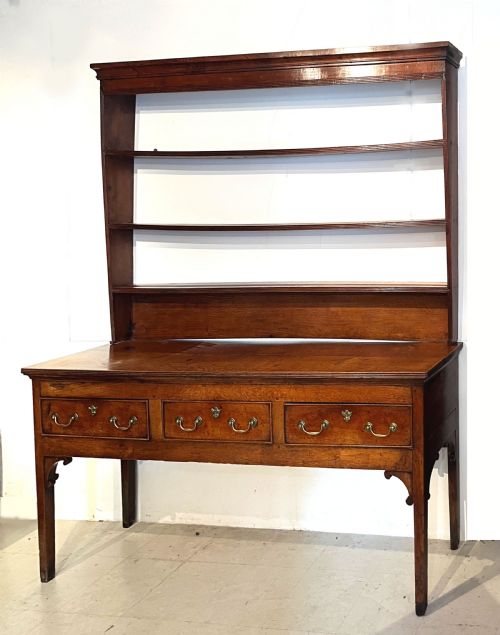
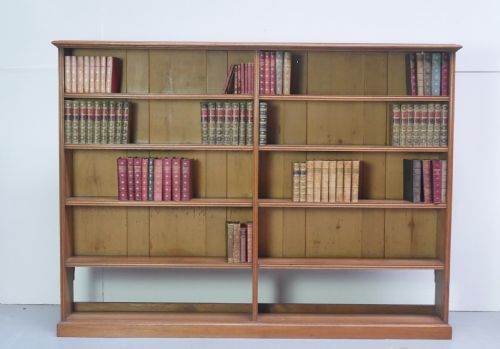
When you search for a warm oak display cabinet, you enter a field populated largely by bookcases, glazed dressers, and tall cabinets originating from the nineteenth and early twentieth centuries. These forms reflect centuries of domestic utility, spanning Victorian Gothic and Edwardian open bookcases alongside Georgian and Regency corner cupboards.
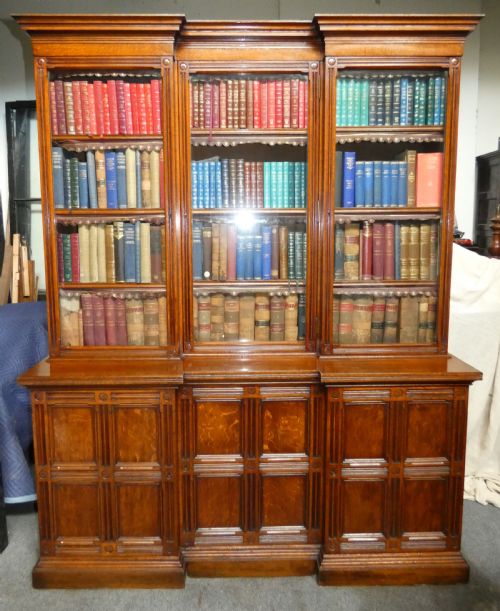
You are most likely to meet pieces finished in golden or tiger oak, frequently featuring glazed doors, adjustable shelves, and tiered plate racks. The domestic evolution of these items moves from country workshops to urban shops, taking shapes that range from compact counter-top units to monumental breakfront libraries.
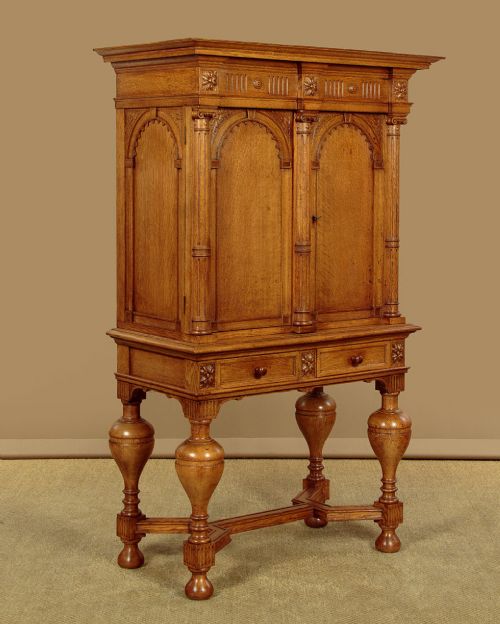
Styles lean heavily towards traditional revivals, including Jacobean and Dutch Renaissance influences, alongside cleaner Arts and Crafts lines. Regional variants such as Welsh dressers and talwrn dressers appear alongside French provincial cupboards, providing depth to the timber forms.
Materials and Technique
Construction relies primarily on solid oak, frequently paired with secondary timbers like mahogany and accented with pollard oak veneers. Metal elements such as brass handles and iron hinges secure doors and drawers, while clear glass panels protect the contents of the upper sections.
Joinery methods range from pegged frames in earlier country pieces to industrial housing in later twentieth-century examples. Surface treatments depend on the period, allowing the natural grain of the timber to dominate through polished or waxed finishes.
Warm Oak Display Cabinet Retail Price Guide 2026
Typical asking prices for warm oak display cabinet among the pieces listed under this phrase on Sellingantiques today, from the lower quarter to the upper quarter. They describe what is for sale here now, not the wider market.
Judging Quality and Construction
The distinction between standard utility items and finer examples lies in the selection of the timber, particularly where figured woods like pollard or tiger oak display deliberate grain patterning. Heavier carving, balanced proportions, and integrated architectural details elevate a piece from simple storage to a considered focal point.
Original glass panes, functioning adjustable shelving mechanisms, and intact brass hardware separate unaltered survivors from heavily restored or later adapted furniture. The integrity of the carcass and the tightness of the joints determine how well the timber holds its shape over decades of use.
Heals·Heals of London·Samuel Pepys
The Warm Oak Display Cabinet Glossary
- Glazed dresser
- A piece of furniture combining lower cupboards or drawers with an upper section enclosed by glass doors for display.
- Corner cabinet
- A triangular unit designed to fit neatly into the corner of a room, saving floor space while offering shelved storage.
- Barley twist
- A carved wooden column resembling a spiralling rope, commonly found on seventeenth-century and nineteenth-century revival furniture.
- Breakfront
- A large cabinet design where the central section projects forward from the flanking wings.
- Pollard oak
- Timber taken from trees that have been pollarded, producing dense, highly figured wood with clustered knots.
Warm Oak Display Cabinet: Frequently Asked Questions
Where should I place a warm oak display cabinet?
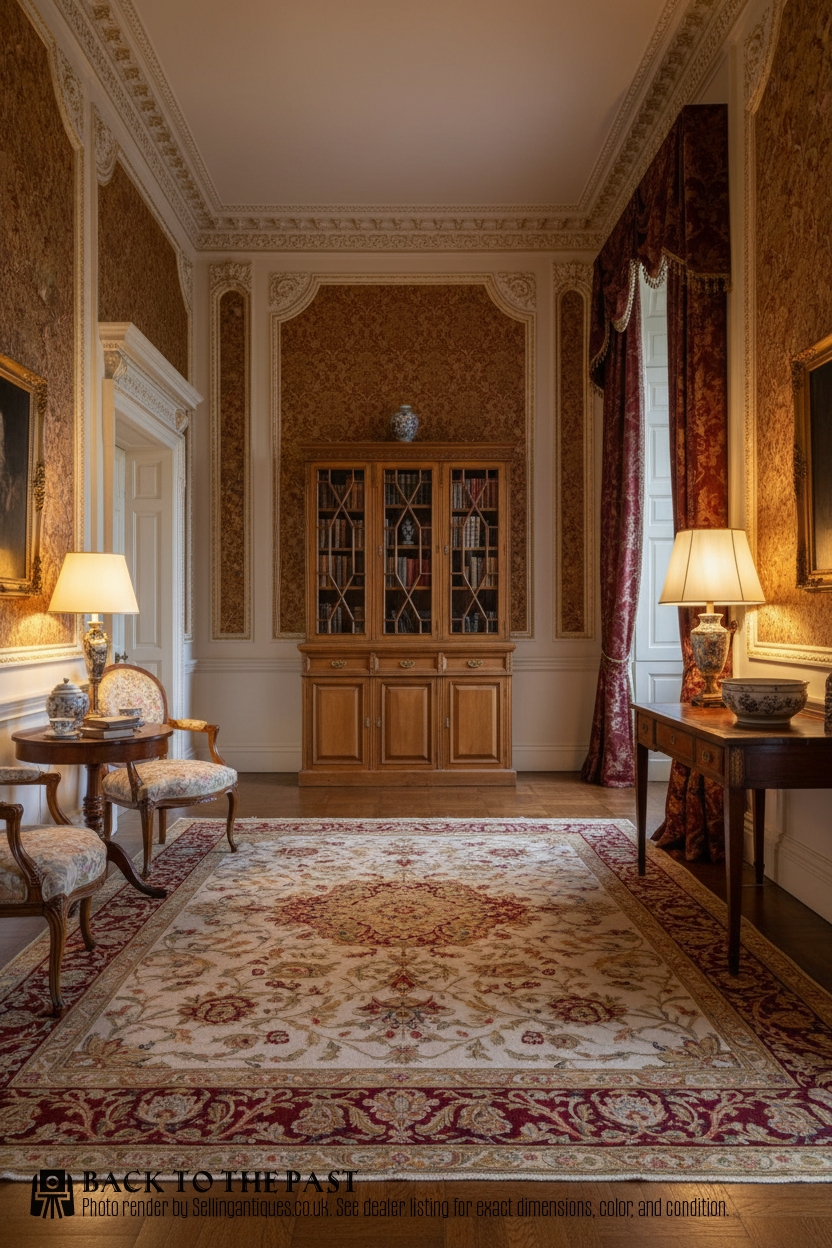
These pieces suit living rooms, dining spaces, or libraries where their glass doors and timber frames can safely house books or ceramics.
Keep them away from direct heat sources and strong sunlight to protect the oak finish and prevent the wood from drying out.
How do I care for antique oak furniture?
Dust the timber regularly with a soft cloth and apply a quality beeswax periodically to nourish the surface and maintain its natural lustre.
Avoid using modern silicone sprays, which can build up and damage the traditional polish over time.
Are the shelves in these cabinets adjustable?
Many of the Victorian and later bookcases feature adjustable shelving systems, allowing you to alter the interior height to suit your collection.
Earlier country pieces tend to have fixed wooden shelves secured directly into the carcass walls.
How do I tell an Edwardian oak bookcase from a Victorian one?
Victorian examples often display heavier carvings, darker finishes, and architectural revival styles such as Gothic or Jacobean influences.
Edwardian pieces generally present lighter golden oak tones, simpler lines, and links to the Arts and Crafts movement.