
Warm Brown Wooden Storage
These pieces of warm brown wooden storage range from Georgian oak chests to campaign trunks, offering timber grain and practical utility.
Warm Brown Wooden Storage
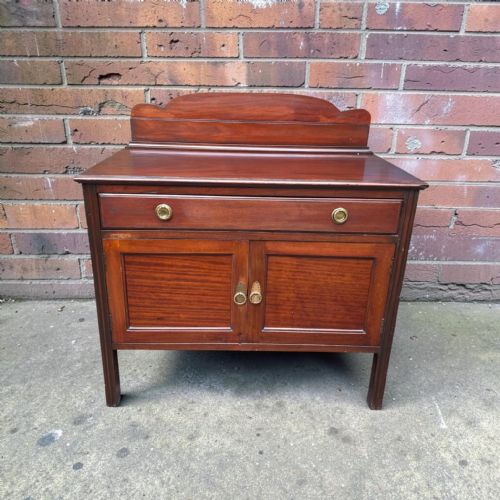
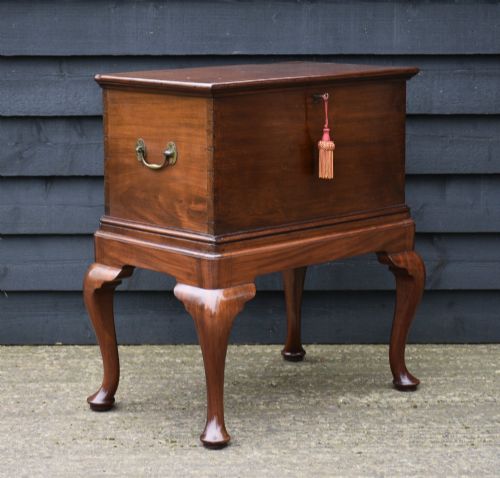
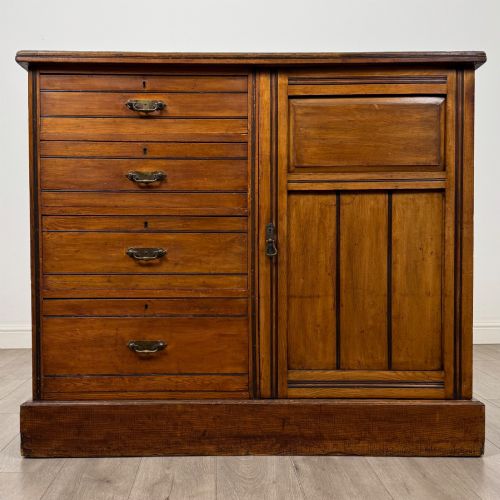
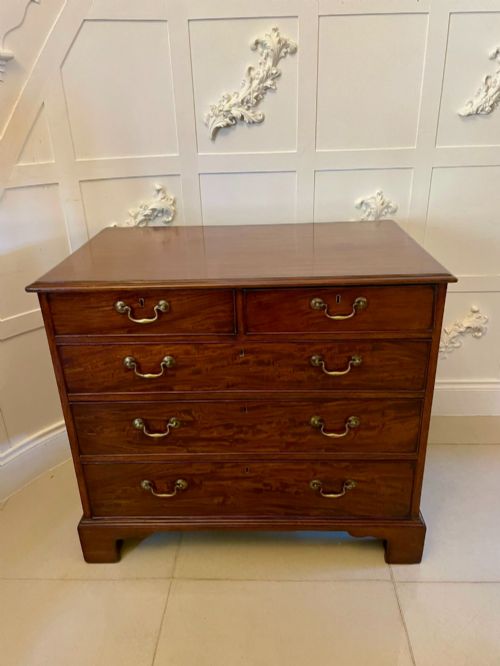
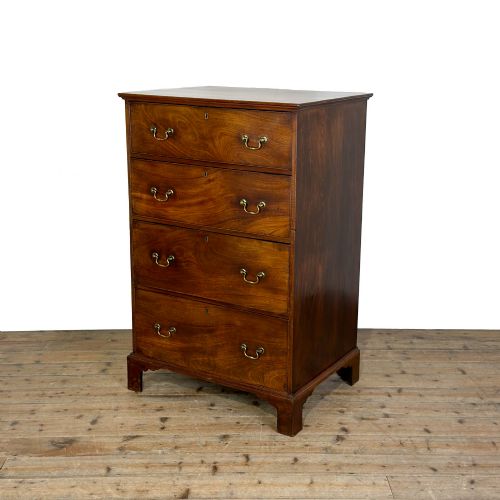
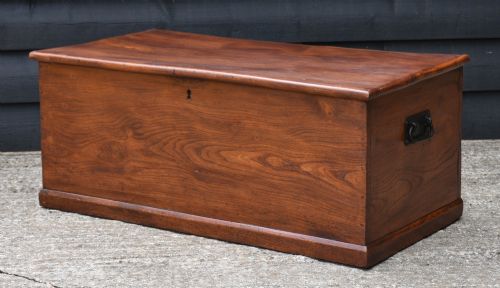
Warm brown wooden storage encompasses chests of drawers, trunks, tallboys and cupboards originating from the eighteenth, nineteenth and early twentieth centuries. Pieces spanning Georgian, Victorian and Edwardian periods demonstrate domestic utility across town and country interiors.
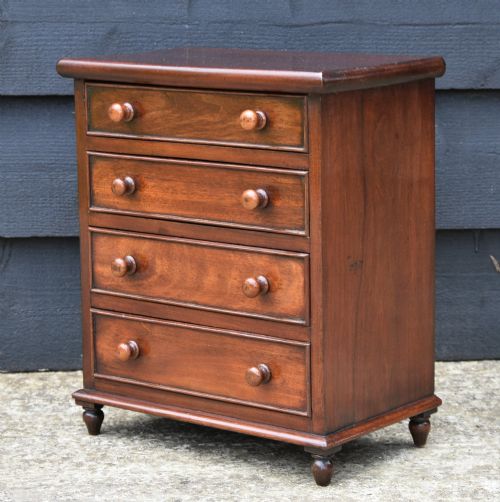
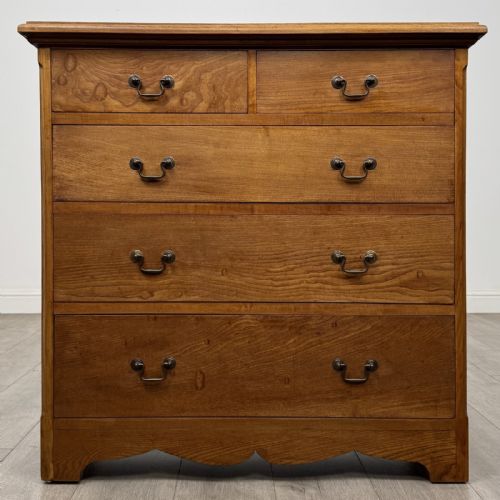
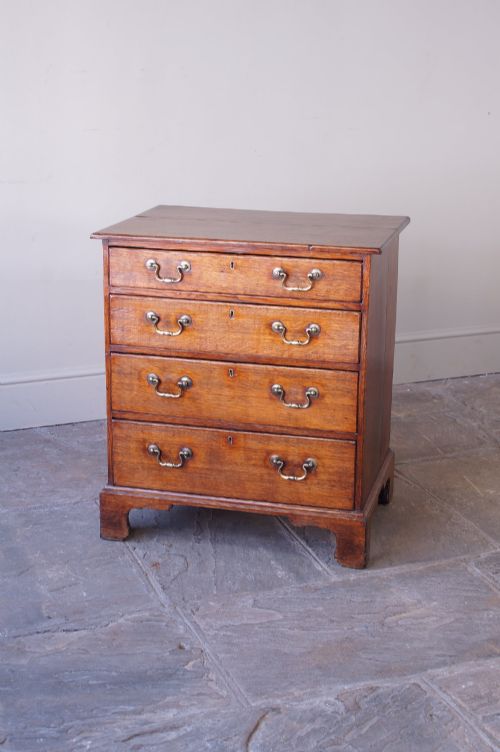
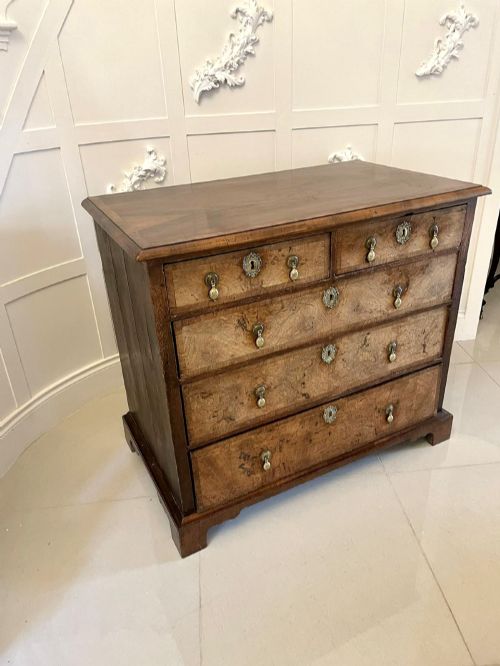
Chest of drawers forms dominate the selection, appearing in mahogany, oak and walnut with configurations ranging from low bedside cabinets to tall five-height examples. Campaign trunks and blanket boxes in camphor wood provide travel and provincial storage alternatives.
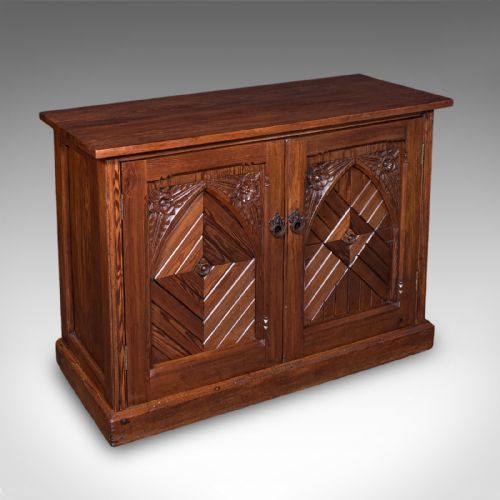
Stylistic influences stretch from Queen Anne Revival and Gothic Revival to campaign styles fitted with brass hardware. Miniature chests and apprentice pieces sit alongside full-scale farmhouse linen presses and architectural corner cupboards.
Materials and Construction
Cabinet makers utilised dense hardwoods including mahogany, oak and walnut alongside resilient softwoods such as pine, elm and cedar. Camphor wood appears frequently in trunks due to its natural aromatic properties and durability during transport.
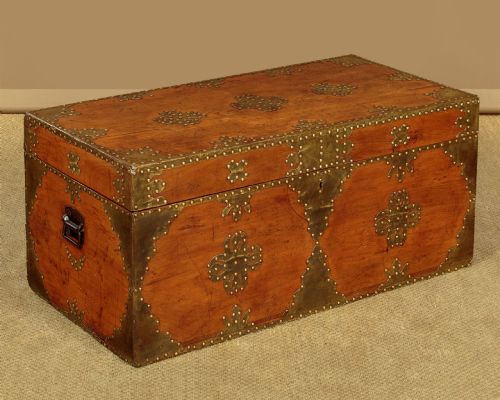
Brass mountings, corner braces and recessed handles reinforce travel trunks and campaign pieces built for endurance. Dovetail joints and figured wood veneers define formal eighteenth and nineteenth-century chests of drawers.
Miniature chests listed as apprentice pieces offered young cabinet makers a chance to prove their dovetailing skills before joining the guild.
Distinctions in Execution
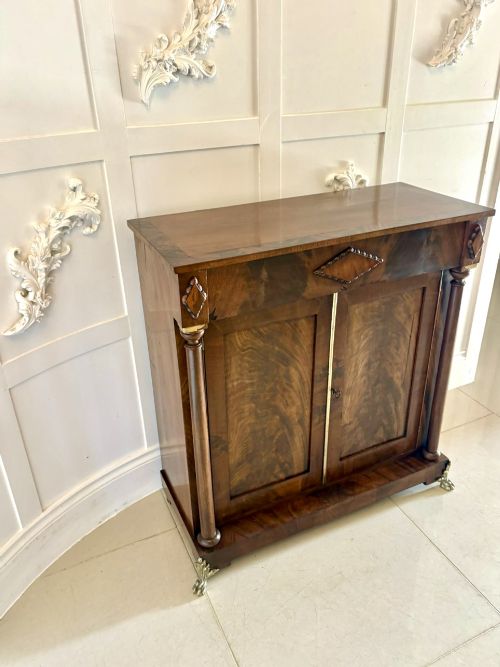
The degree of timber figure in walnut and mahogany surfaces dictates visual depth, alongside the precision of hand-cut dovetailing in drawer construction. Original brass hardware and intact surface patination elevate historical integrity.
Proportion and scale separate standard domestic furniture from bespoke architectural pieces or diminutive apprentice chests. The integration of secondary woods and the retention of backboards reflect regional workshop standards.
Heal & Son
The Warm Brown Wooden Storage Glossary
- Campaign trunk
- A sectional storage chest designed for military travel, fitted with brass corners and recessed carrying handles. These pieces break down or feature reinforced edges for transit.
- Tallboy
- A tall chest of drawers standing one above another, often split into two distinct sections for domestic linen storage. This form maximises vertical capacity in period chambers.
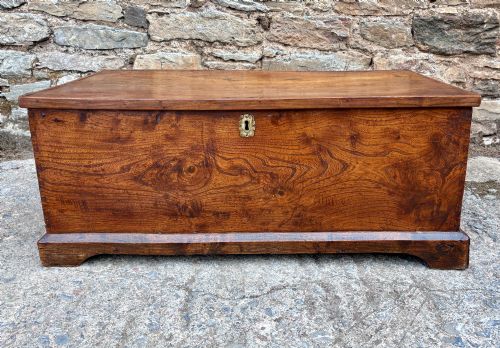
- Coffer
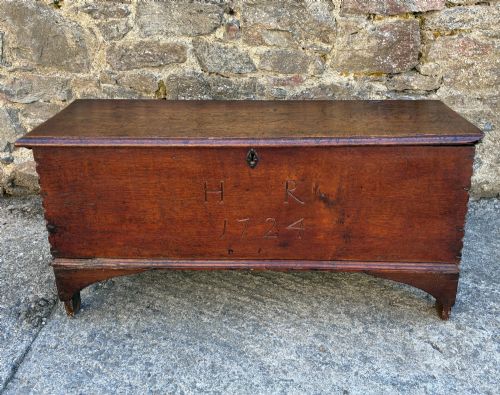
- A heavy wooden box with a hinged lid used for general household storage before fitted wardrobes became common. Provincial examples often employ straightforward board construction.
- Figured walnut
- Timber cut to reveal distinctive swirling grain patterns across drawer fronts and cabinet doors. Cabinet makers selected these veneers for decorative impact on formal furniture.
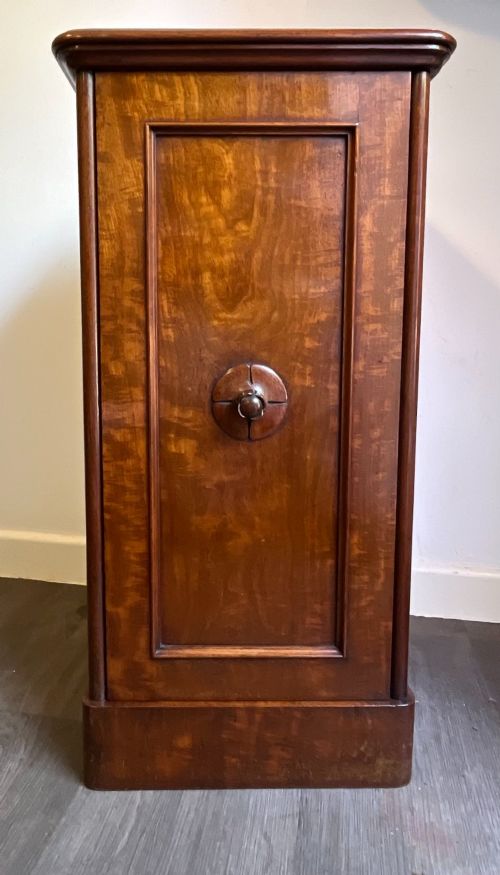
- Pot cupboard
- A small bedside cabinet designed to enclose a chamber pot behind a single door. These compact units frequently feature marble tops or simple wooden surfaces.
Warm Brown Wooden Storage: Frequently Asked Questions
How do I identify a campaign trunk?
Campaign trunks feature brass binding on the corners and flush-fitting handles designed to prevent snagging during transport.
Many examples utilise camphor wood and separate into modular sections for military use.
What is the difference between a coffer and a chest?
A coffer opens from a lid at the top and serves as an early form of box storage.
A chest of drawers incorporates horizontal sliding compartments accessed via pulls.
Where should I place a tallboy?
A tallboy suits bedrooms or dressing areas where vertical capacity is required without occupying excessive floor space.
Ensure adequate clearance for upper drawers if the ceiling height is restricted.
How do I care for antique wood surfaces?
Maintain timber with traditional wax polish applied sparingly and buffed with a soft cloth.
Keep pieces away from direct heat sources and strong sunlight to prevent veneer splitting.