



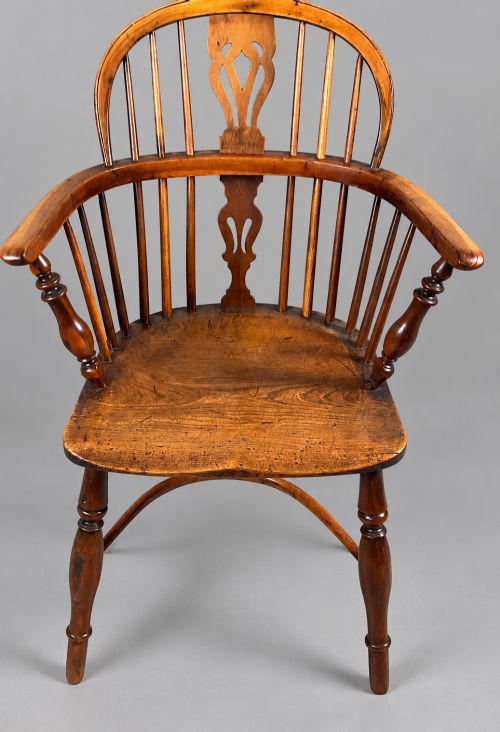
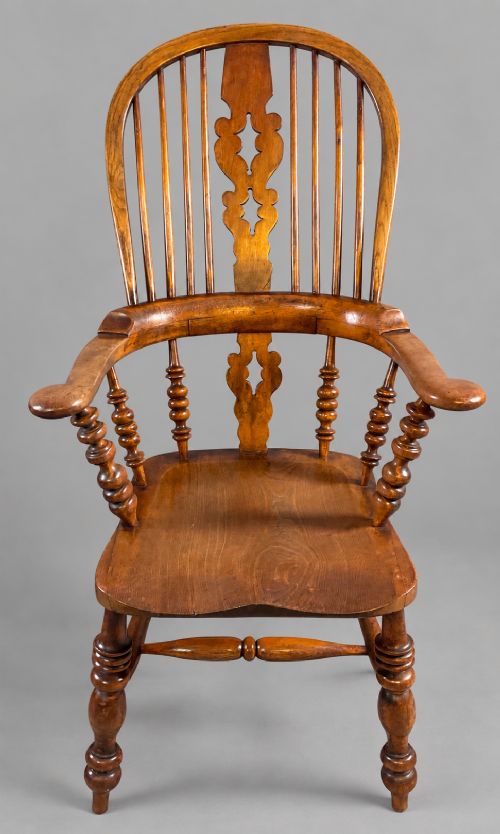
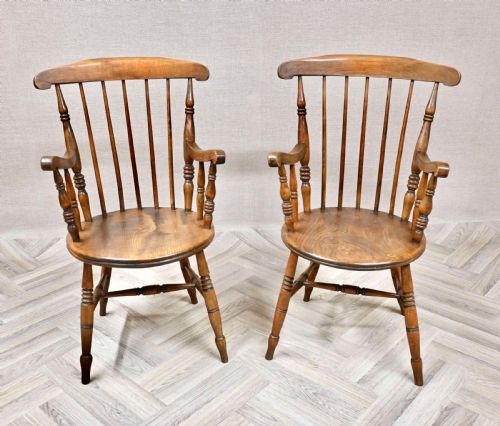
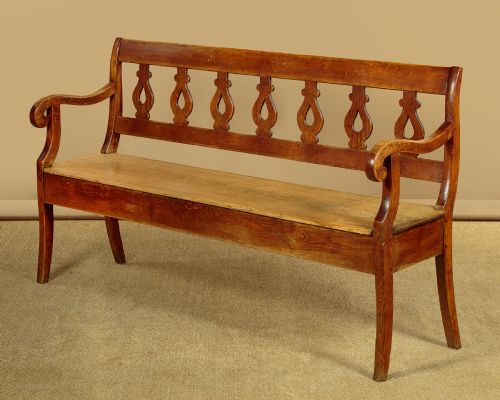
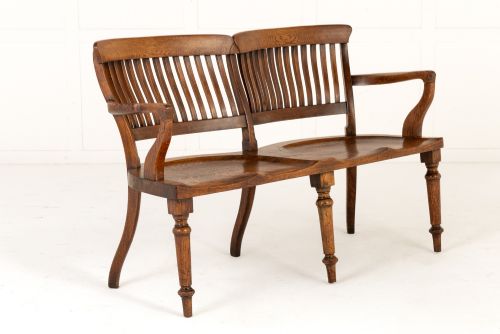
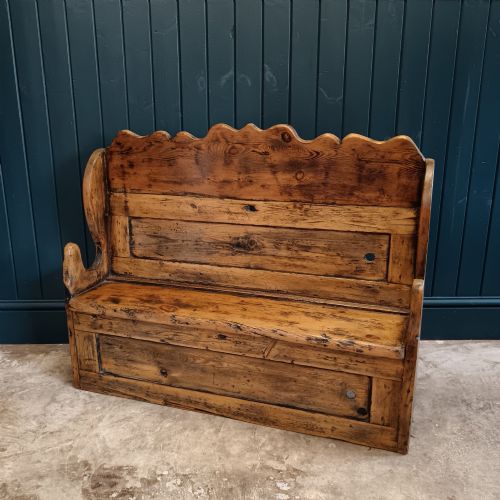
Warm Brown Wooden Seat
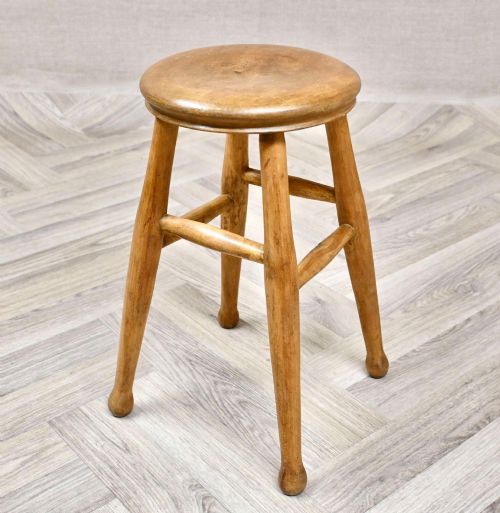
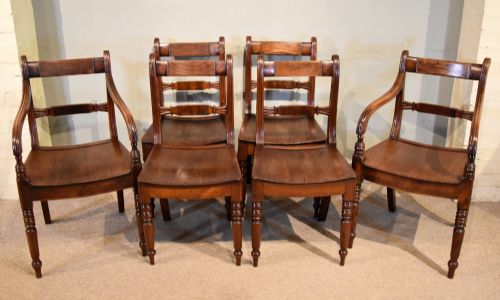
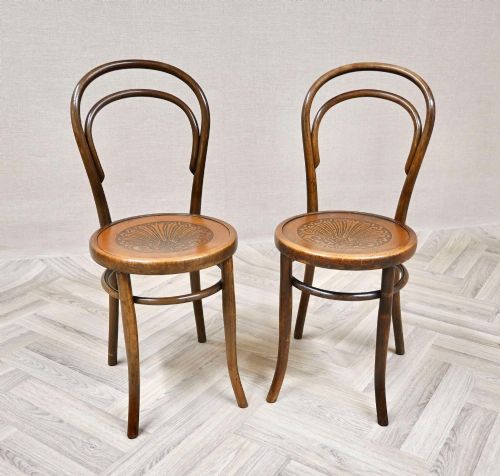
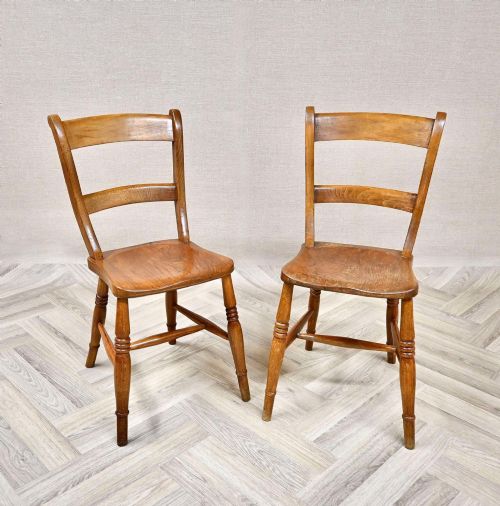
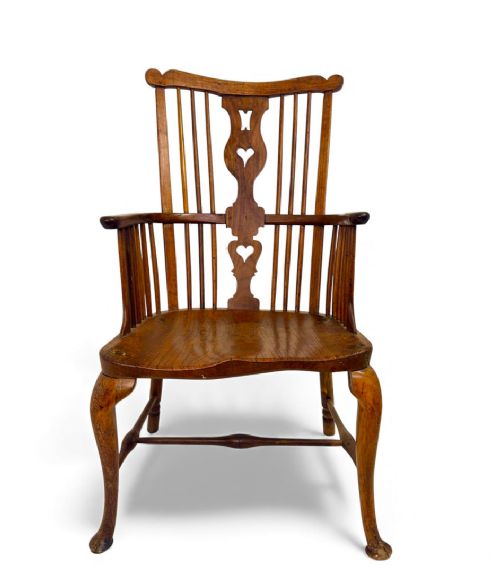
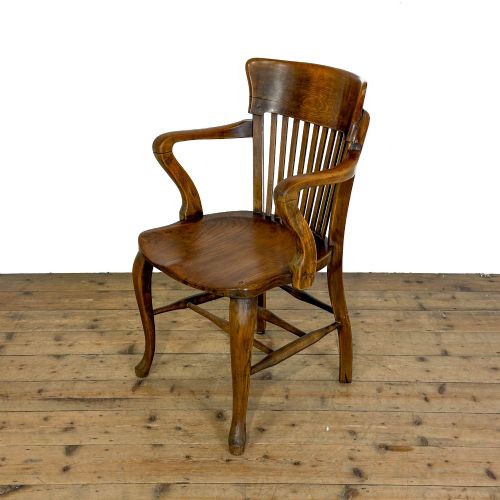
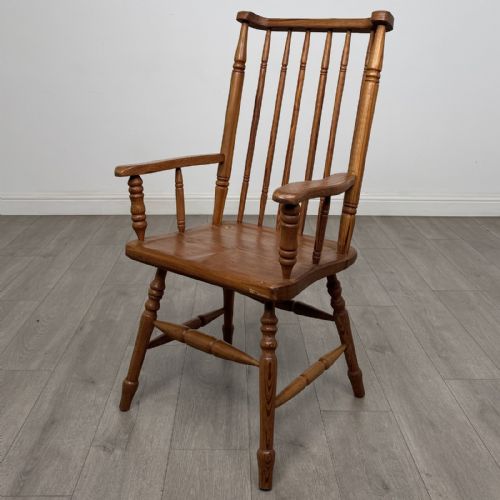
These pieces for a warm brown wooden seat range from vernacular elm armchairs to pine chapel pews, offering honest domestic utility and rich timber grain.
Warm Brown Wooden Seat
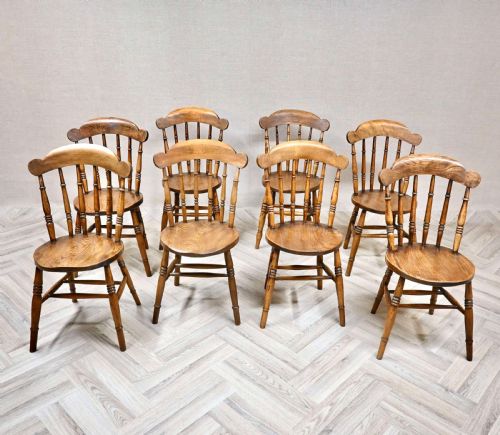
A warm brown wooden seat brings together domestic seating forms created across the eighteenth, nineteenth, and early twentieth centuries. Buyers encounter functional furniture rooted in rural traditions, including benches, settles, chapel pews, and kitchen dining chairs.
How they were made
Craftsmen utilised solid native timbers such as elm, ash, yew, fruitwood, beech, and pine, selecting woods for their strength and rich natural grain. Traditional construction methods relied on pegged joints, turned spindles, and steam-bent components to shape robust frames.
Makers often combined different timbers within a single piece, pairing elm seats with ash or yew superstructures for structural resilience. Surfaces developed deep patinas over decades of daily use without artificial finishing.
Warm Brown Wooden Seat Retail Price Guide 2026
Typical asking prices for warm brown wooden seat among the pieces listed under this phrase on Sellingantiques today, from the lower quarter to the upper quarter. They describe what is for sale here now, not the wider market.
The inventory spans functional forms including chapel pews, Windsor armchairs, organ benches, and vernacular kitchen dining chairs.
What varies in quality
Construction depth defines the tier, separating vernacular workshop items from refined regional seating. Well-preserved Windsor joints and untouched surface wear indicate higher manufacturing standards.
Liberty
The Warm Brown Wooden Seat Glossary
- Windsor chair
- A wooden chair featuring a solid carved saddle seat into which separate legs and back spindles are wedged. This form relies on a stout bow or hoop for structural support.
- Chapel pew
- A long wooden bench designed for communal ecclesiastical seating. These utilitarian forms often incorporate simple plank backs and enclosed lower storage or open undersides.
- Vernacular furniture
- Domestic items made by local tradesmen using regional materials rather than following metropolitan design dictates. These pieces prioritise practical function over high-style ornamentation.
- Spindle back
- A chair back constructed from numerous slender turned wooden rods. This method provides lightweight strength and linear visual rhythm.
- Saddle seat
- A wooden chair seat sculpted with deep ergonomic hollows for comfort. Makers shaped these surfaces using adzes and scorps from thick planks of elm or fruitwood.
Warm Brown Wooden Seat: Frequently Asked Questions
What woods are used for these seats?
Makers utilised native hardwoods and softwoods including elm, ash, yew, beech, fruitwood, and pine. Elm appears frequently for solid carved seats due to its interlocking grain resistance.
Secondary timbers like ash and beech provided flexible strength for spindles and steam-bent bows.
How do I date a wooden Windsor chair?
Dating relies on examining the construction methods, turning profiles, and wood combinations. Georgian examples often feature deep saddle seats and slender yew or ash components.
Victorian pieces tend to display heavier turnings and standardised workshop production methods.
Where were these benches originally used?
These benches served practical functions in farmhouses, cottages, chapels, and local halls. Long pews furnished ecclesiastical spaces while smaller benches sat in hallways or kitchens.
Their robust construction suited heavy daily traffic in domestic and public interiors.
How do I care for antique wooden seats?
Maintenance requires keeping timber away from direct heat sources and sudden humidity changes to prevent splitting. Applying natural beeswax preserves the dry polished surface without sealing the grain.
Gentle dusting with a soft cloth protects the accumulated patina.