



Warm Brown Welsh Cupboard
A warm brown welsh cupboard brings rich timber tones and honest regional character to a room, offering both display space and deep storage.
Warm Brown Welsh Cupboard
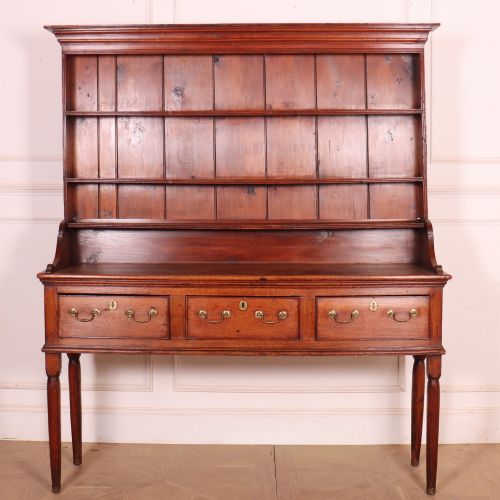
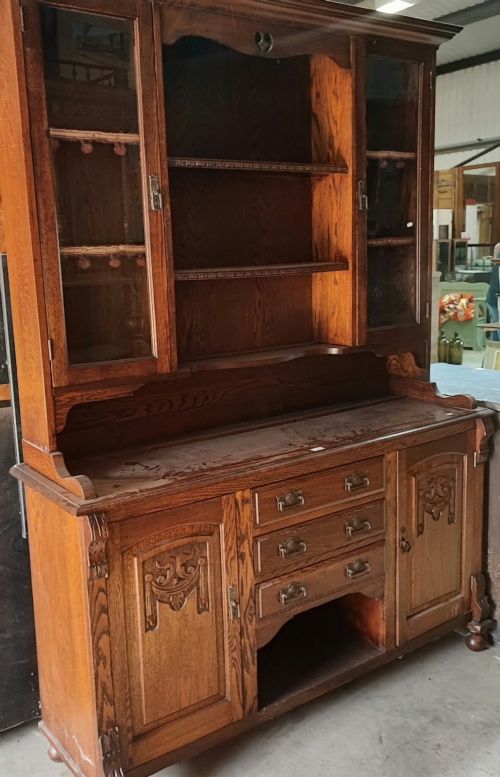
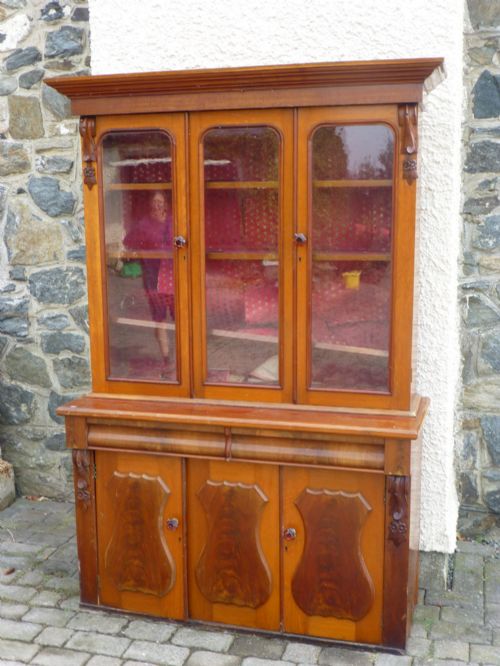
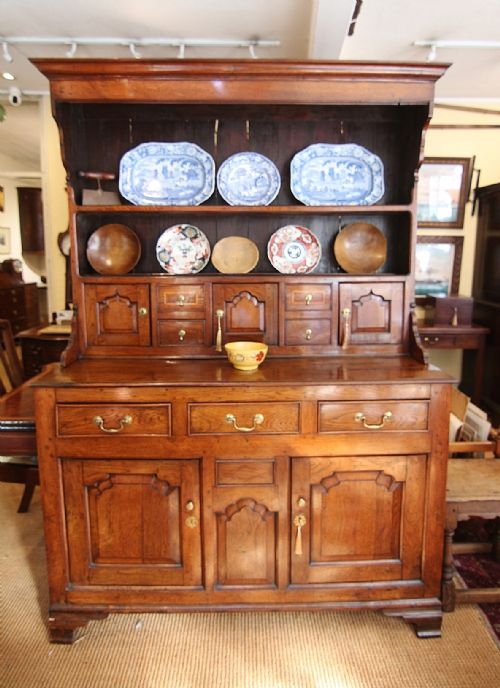
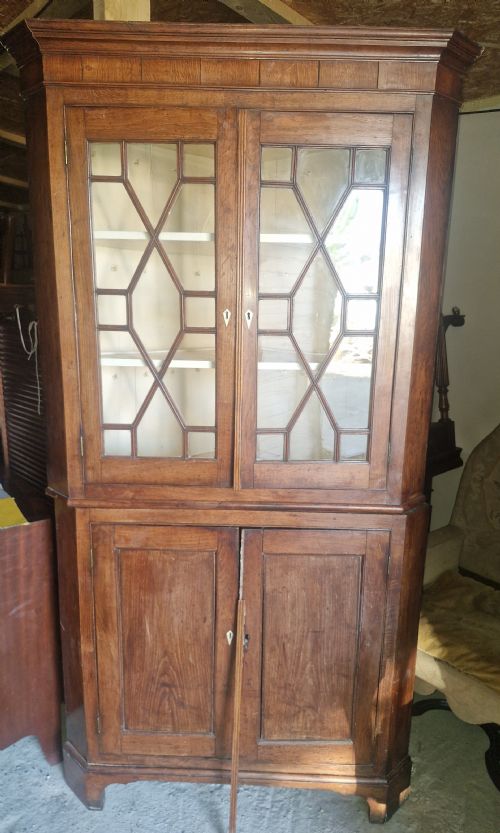
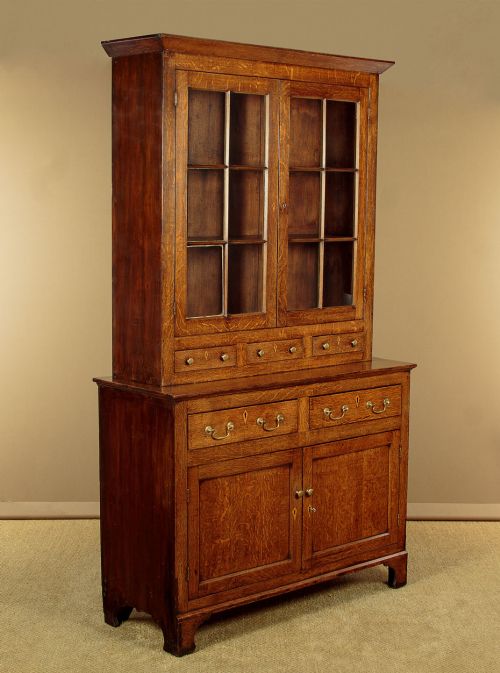
When you search for a warm brown welsh cupboard, you encounter a robust tradition of vernacular furniture built for everyday utility. These pieces primarily manifest as dressers, kitchen dressers, and press cupboards originating from regional workshops.
The pieces on this page span the eighteenth and nineteenth centuries, alongside revival works from the early twentieth century. You will frequently find oak as the primary timber, sometimes paired with fruitwood or mahogany details.
Regional forms range from Snowdonia dressers and Talwrn dressers to two-part corner cupboards and cwpwrdd gwydr variants. Each iteration reflects the practical domestic needs of Welsh country households through deep base cupboards and open plate racks.
Construction and Materials
Cabinet makers built these cupboards using solid native hardwoods, predominantly oak alongside elm, fruitwood, and occasional mahogany accents. Timber selection dictated the structural integrity, ensuring the heavy base cupboards could support stacked crockery and provisions.
Joinery relied on traditional pegged mortise and tenon frames, panelled doors, and dovetailed drawer construction. Metalwork remained functional, utilising brass handles and iron hinges to secure heavy doors and drawers.
Surfaces developed a natural patina over decades of domestic use, retaining deep brown tones through traditional wax finishes rather than heavy modern varnishes.
Early cabinet makers occasionally incorporated secret compartments behind false drawer fronts to hide family ledgers and coin hoards.
Assessing Quality and Character
The distinction between standard provincial items and finer regional pieces rests on timber selection and architectural ambition. Examples featuring rich grain variation, disciplined proportions, and well-executed regional inlays command greater interest.
Originality of components defines the standing of these cupboards, particularly regarding plate racks, brass hardware, and panelled bases. Pieces retaining their early glass panes, uncompromised backboards, and unaltered surface finishes demonstrate higher integrity.
Regional attribution also influences character, with specific forms from Snowdonia or Talwrn exhibiting distinctive local mouldings and structural quirks that elevate them beyond standard utility furniture.
Augustus Pugin·Heals of London
The Warm Brown Welsh Cupboard Glossary
- Cwpwrdd Gwydr
- A traditional Welsh glazed cupboard used for displaying crockery and household items behind glass doors. This form protects delicate ceramics while keeping them visible in the main living space.
- Cwpwrdd Tridarn
- A three-tier Welsh press or cupboard featuring an open middle section supported by turned posts. These substantial pieces represent some of the most complex vernacular regional woodworking.
- Snowdonia Dresser
- A distinct regional style of Welsh dresser known for specific architectural details and local cabinetry traits originating from North Wales. These pieces often incorporate finely figured oak and distinctive cornices.
- Press Cupboard
- A deep storage unit combining upper and lower compartments, traditionally used for linens and garments. The lower section typically houses drawers or heavy panelled doors.
- Vernacular Furniture
- Everyday domestic pieces built by regional joiners using local traditions rather than following strict metropolitan academic styles. These works prioritize functional utility and local timber availability.
Warm Brown Welsh Cupboard: Frequently Asked Questions
How do I date an old cupboard?
Dating relies on examining construction methods, timber preparation, and hardware styles. Hand-sawn boards, pegged joinery, and original brass pulls point toward eighteenth and nineteenth-century origins.
Stylistic details like vernacular mouldings and regional cabinet-making traits help narrow the period of manufacture further.
Where were these cupboards made?
These pieces originate primarily from Welsh regional workshops and country provincial makers who utilised locally sourced hardwoods. Distinct areas such as Snowdonia developed specific structural variations.
Makers worked in domestic settings and local joinery shops to supply durable furniture for rural households.
How do I care for oak furniture?
Maintain the timber by applying natural beeswax periodically to nourish the dry wood and preserve its deep brown tone. Avoid placing the piece in direct sunlight or near heat sources.
Dust regularly with a soft, dry cloth to protect the historic surface patina from accumulating abrasive particles.