



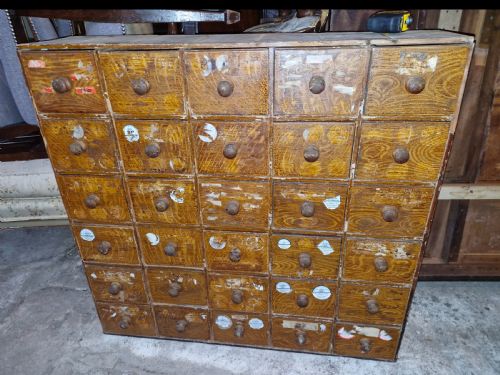


Warm Brown Pine Cabinet
These pieces known as a warm brown pine cabinet are practical storage furniture offering honest timber grains and vernacular character for domestic spaces.
Warm Brown Pine Cabinet
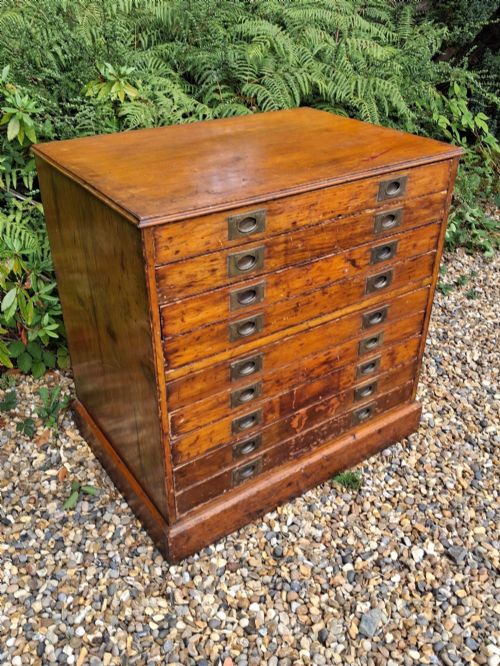
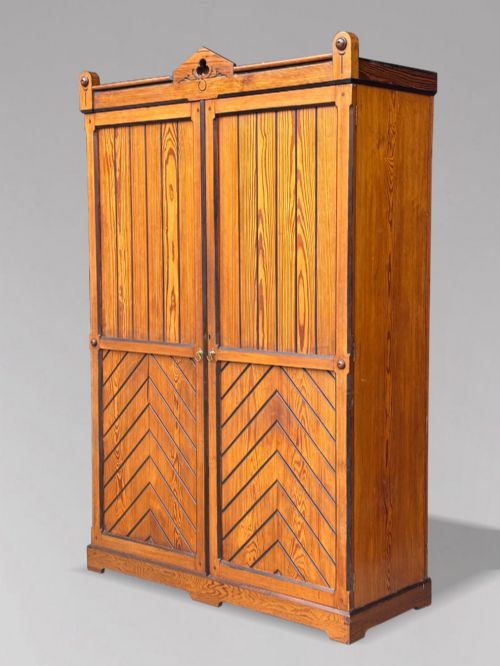
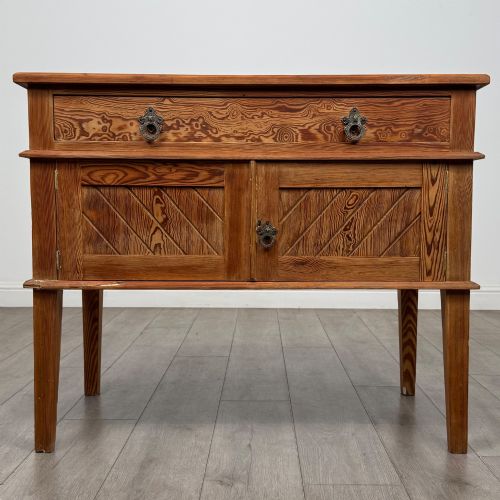
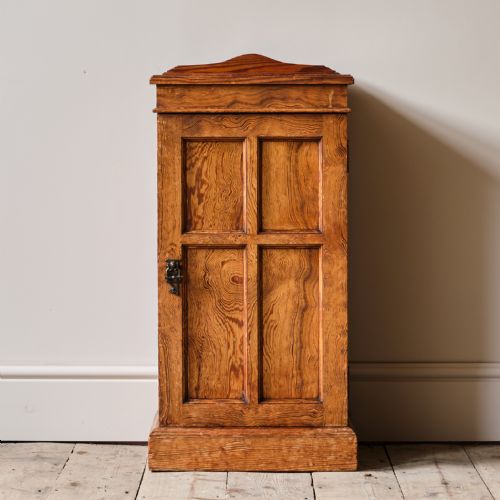
The selections on this page draw from Victorian, English Country, Arts and Crafts, and Scandinavian Country traditions. Forms range from bedside cupboards and wardrobes to apothecary display boxes and multi-drawer chests.
Geographic origins extend across Britain and Europe, including Scottish, Welsh, and Swedish examples. Pitch pine and standard pine predominate, often showing rich natural warmth or historic painted finishes.
How they were made
Constructed primarily from pine and pitch pine, these pieces utilise traditional joinery suited to softwood construction. Carpenters built carcasses with panelled doors and fitted drawers using durable dovetail joints.
Secondary materials like brass, iron, and glass appear as hardware, pulls, and glazed panels. Some pieces feature simulated painted wood surfaces or original rustic paint schemes applied over the timber base.
Warm Brown Pine Cabinet Retail Price Guide 2026
Typical asking prices for warm brown pine cabinet among the pieces listed under this phrase on Sellingantiques today, from the lower quarter to the upper quarter. They describe what is for sale here now, not the wider market.
A twenty-drawer collectors cabinet proves that nineteenth-century entomologists kept their beetles in style.
What varies in quality
Quality rests upon the selection of timber, particularly the grain figure visible in pitch pine examples. Superior pieces display thoughtful proportions and careful timber matching across drawer fronts and doors.
Original hardware, such as brass pulls and hinges, elevates a piece alongside untouched surface patination. Vernacular items rely on robust regional construction methods rather than refined cabinetmaker polish.
J.T.Crockett
The Warm Brown Pine Cabinet Glossary
- Pitch pine
- A dense resinous softwood variety prized for its prominent grain pattern and warm coloration. It provides exceptional durability for nineteenth-century storage furniture.
- Vernacular
- Furniture designed for local everyday use rather than following strict academic design rules. These pieces reflect regional traditions and practical domestic needs.
- Campaign chest
- Portable furniture built in sections with recessed hardware for easy transport. Examples in pine offer lighter weight while maintaining sturdy storage capacity.
- Pot cupboard
- A small bedside cabinet originally designed to house a chamber pot. These compact units typically feature a single door and enclosed shelf space.
- Arts and Crafts
- A design movement valuing honest construction and visible material qualities. Scottish and English pieces from this tradition emphasise straightforward utility and simple timber surfaces.
Warm Brown Pine Cabinet: Frequently Asked Questions
What is a warm brown pine cabinet?
A warm brown pine cabinet refers to nineteenth-century storage furniture made from softwood timber. These items include bedside cupboards, wardrobes, and multi-drawer chests.
They serve as practical storage solutions while adding rustic character and natural timber tones to a room.
How were these cabinets used originally?
Original uses varied widely depending on the specific form and room context. Cupboards and wardrobes stored clothing and household provisions, while smaller bedside units held personal items.
Specialised pieces like apothecary boxes and multi-drawer chests organised small specimens, collections, or documents for daily work.
How do I identify Victorian pine pieces?
Victorian pine furniture is identified through nineteenth-century construction methods, specific hardware styles, and typical timber ageing. Examination of drawer dovetails and backboards helps confirm the period.
Stylistic cues such as Gothic Revival details or Arts and Crafts simplicity further distinguish the specific decade of manufacture.
How do I care for antique pine furniture?
Care involves maintaining stable indoor humidity levels to prevent timber movement or cracking. Regular dusting with a soft cloth preserves the dry-scraped or polished surface.
Avoid placing pine furniture near direct heat sources or strong sunlight which can dry out the historic softwood.