
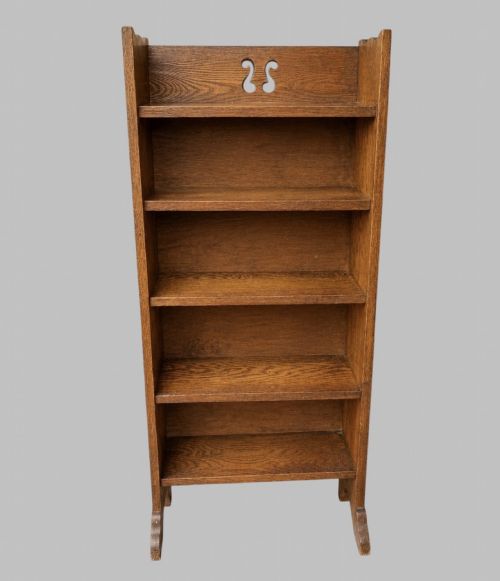


Warm Brown Oak Bookcase
A warm brown oak bookcase brings rich natural grain and honest utility into a room, offering sturdy shelving for a lifetime of reading.
Warm Brown Oak Bookcase
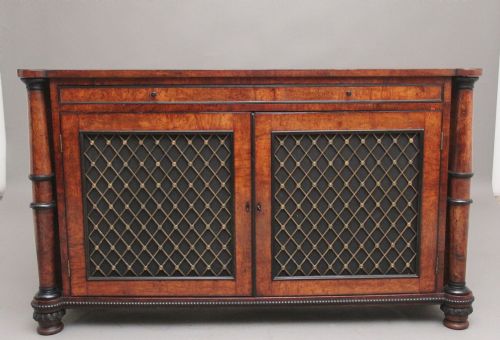
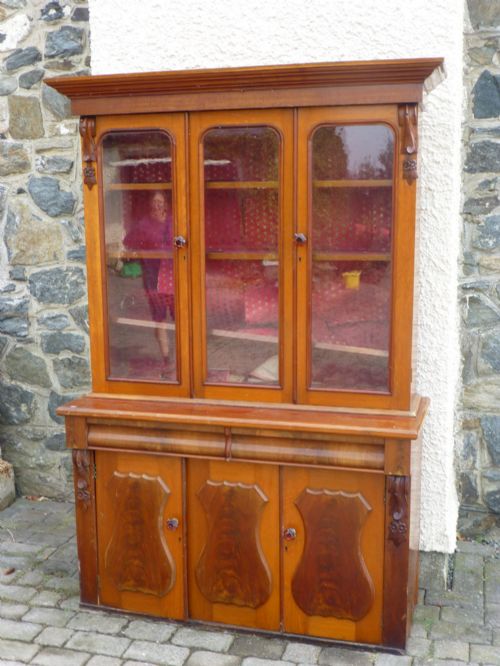
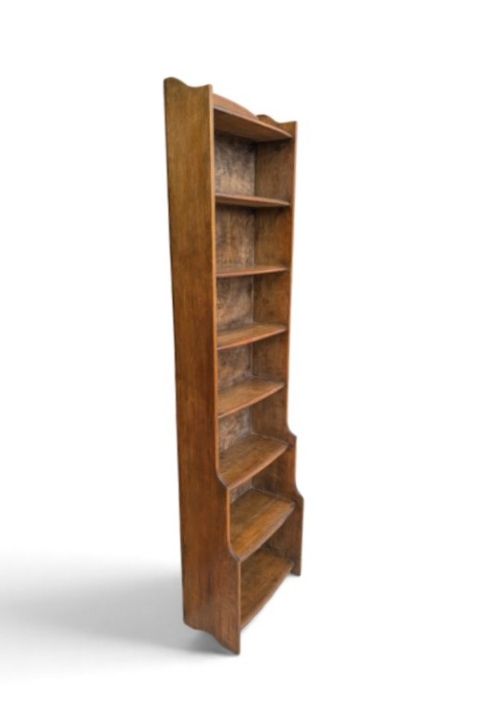
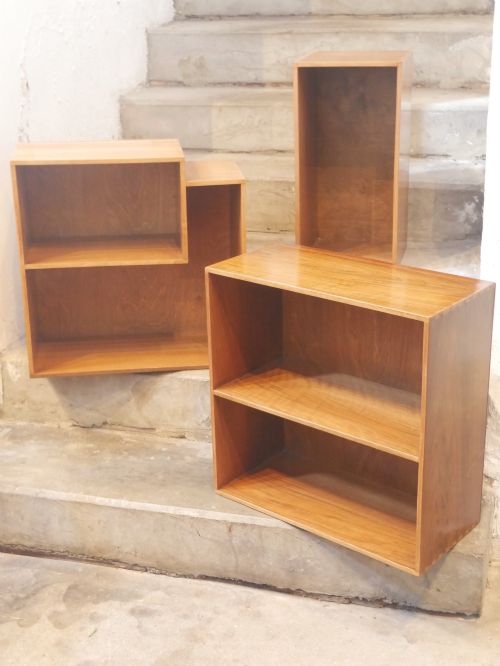
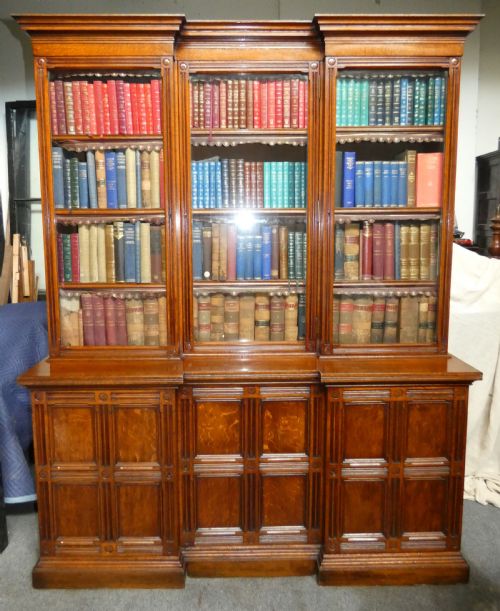
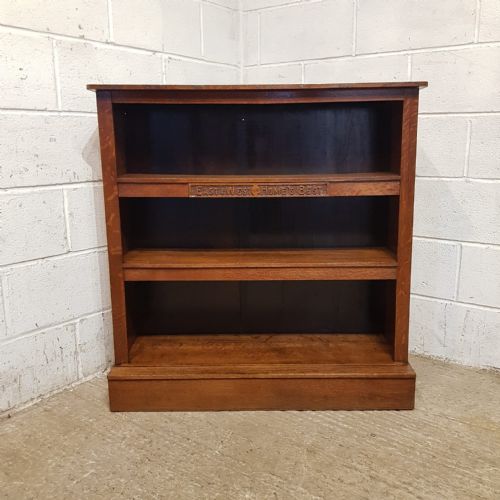
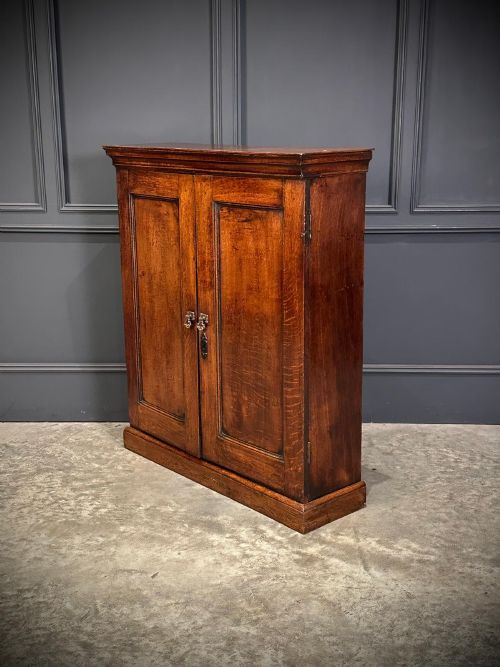
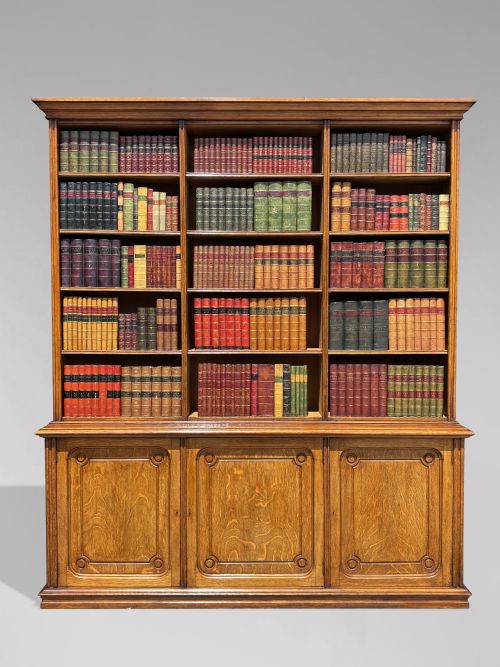
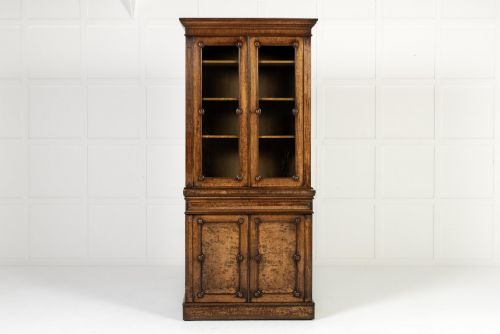
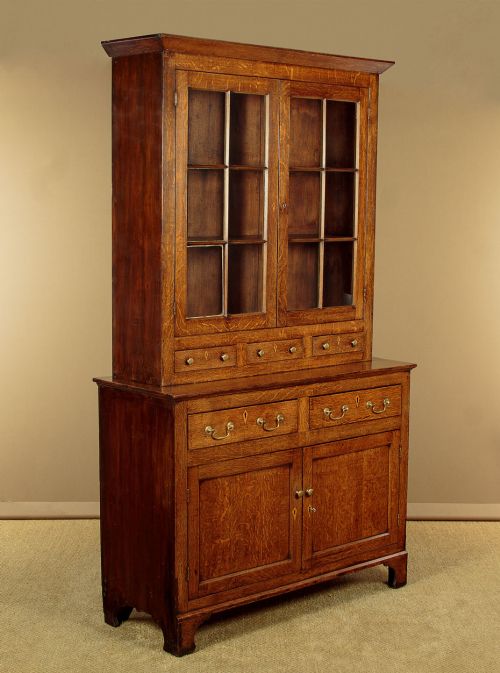
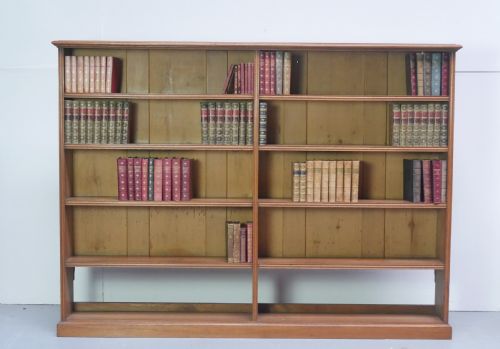
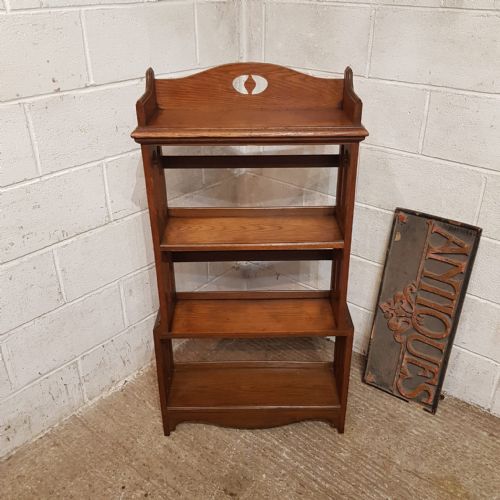
A warm brown oak bookcase provides sturdy timber storage for volumes and display, appearing frequently across nineteenth century, Edwardian, and Art Deco periods. Buyers seeking a warm brown oak bookcase encounter open shelf units, tall glazed cabinets, and combination dressers originating from English, French, and Welsh workshops.
The selection ranges from simple vernacular open front shelves to monumental carved breakfront pieces and architectural library cabinets. Makers utilise oak alongside contrasting timbers, fitting adjustable shelves and glass doors to house collections securely.
How they were made
Joiners construct these pieces primarily from solid oak and pollard oak, occasionally incorporating secondary woods such as mahogany, ebony, and plywood beneath veneers. Brass hardware and glass panels complete glazed doors and display compartments, while hand-cut fretwork and decorative mouldings define specific stylistic periods.
Workshops build these cabinets using traditional joinery, integrating adjustable shelving systems and barley twist columns where appropriate. The timber receives polished or waxed finishes that highlight the natural grain patterns.
One exceptional library bookcase arrives with a firm historical pedigree linking its design directly to seventeenth-century diarist Samuel Pepys.
What varies in quality
Quality depends upon the selection of timber and the precision of the cabinetmaker's joinery, distinguishing utilitarian items from high-status library furniture. Finer examples display carefully matched pollard oak or mahogany accents, robust brass fittings, and intact glazed doors.
Structural integrity of the shelving supports and the depth of carved or fret-cut ornamentation separate standard production pieces from important commission works.
Heals·Samuel Pepys
The Warm Brown Oak Bookcase Glossary
- Pollard oak
- Timber taken from trees that have been pollarded, producing dense growth rings and highly decorative mottled grain patterns. Cabinetmakers use this figured wood for statement doors and panels.
- Breakfront
- A cabinet design where the central section projects forward from the flanking wings. This architectural arrangement creates depth and shadow across large library bookcases.
- Cwpwrdd Gwydr
- A traditional Welsh glazed cupboard or dresser used for storing and displaying household provisions and books. These vernacular pieces often combine timber lower cupboards with upper glass shelving.
- Fret-cut
- A decorative technique where intricate patterns are pierced through thin timber panels using a fretsaw. Edwardian and Arts and Crafts makers apply this detail to bookcase brackets and gallery rails.
Warm Brown Oak Bookcase: Frequently Asked Questions
How do I adjust the shelves?
Most period bookcases use traditional wooden support ratchets, brass shelf studs, or slotted interior uprights to alter shelf heights. Owners simply lift the shelf and reposition the supports into the adjacent slots.
Care is required when handling older timbers to avoid damaging the interior veneered surfaces or the original shelf edges.
Are the glass doors original?
Original glazed doors typically feature hand-blown float or cylinder glass with minor surface bubbles and slight waviness. Frame joints match the primary oak construction and show consistent ageing with the main cabinet body.
Replacement panes or modern glass inserts usually present a perfectly flat reflection without the characteristic distortion found in older examples.
How do I care for the oak surface?
Regular dusting with a dry, soft cloth maintains the polished finish, supplemented by occasional applications of traditional beeswax. Direct sunlight and excessive humidity fluctuations must be avoided to prevent timber movement.
Harsh chemical cleaners strip the historic wax and dry out the grain over time.
Can these bookcases support heavy books?
Solid oak construction provides substantial load-bearing capacity for standard library collections, particularly on fixed-shelf units. Adjustable shelves require inspection of the support brackets to ensure they engage securely.
Heavier folio volumes sit best on lower shelves supported by fixed wooden partitions.