


1920s Oak Cupboard Cabinet
These 1920s oak cupboard cabinet examples provide robust storage and display, bringing solid timber construction and period character to modern interiors.
1920s Oak Cupboard Cabinet
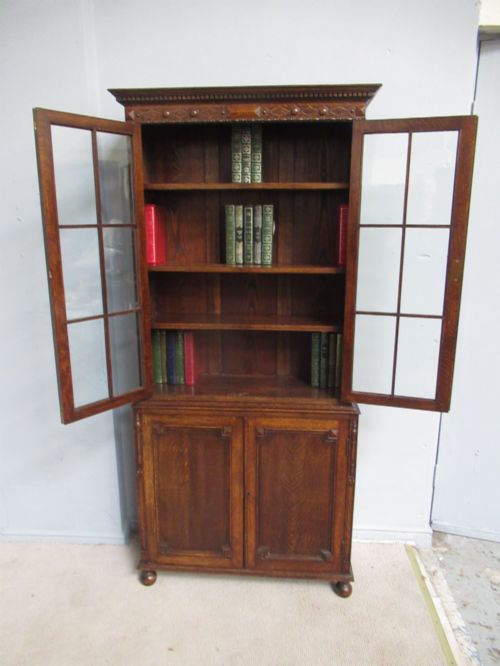
A 1920s oak cupboard cabinet covers a diverse group of domestic and commercial furniture forms, ranging from tall bookcases and sideboards to bedside cabinets and countertop display units. When you search for this phrase, you encounter practical storage solutions rooted in the interwar period and the Edwardian era.
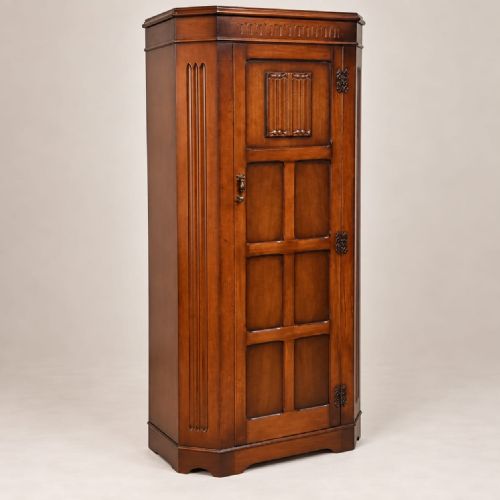
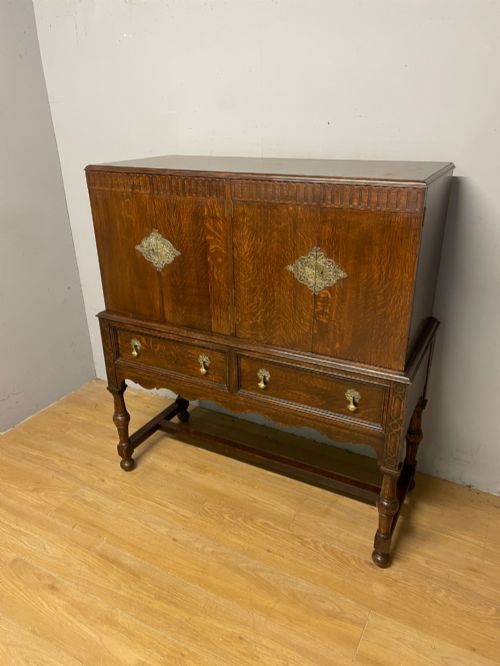
The pieces appearing on this page lean heavily toward solid oak construction, often displaying stylistic references such as Jacobean Revival or clean interwar commercial lines. You meet forms designed for specific functions, including haberdashery drawer units, library book cabinets, and hall wardrobes.
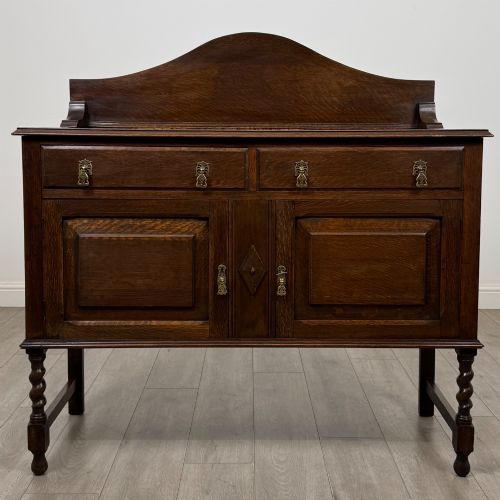
Makers such as Heals of London produced lighter limed oak furniture during this decade, altering the heavier aesthetic typical of earlier Jacobean styles. Whether configured with glazed doors, carved friezes, or barley twist supports, these cabinets combine utilitarian storage with period craftsmanship.
Materials and construction
Construction relies primarily on solid oak, selected for its durability and prominent grain patterns, occasionally finished with a limed surface to lighten the tone. Cabinet makers utilised traditional joinery methods to build robust frames for sideboards, wardrobes, and modular bookcase sections.
Listings span the 1920s and Edwardian periods, featuring oak, limed oak, brass, glass, iron, metal, and lead.
What separates examples
Quality in a 1920s oak cupboard cabinet rests on the grade of timber selected and the restraint shown in decorative carving. Pieces featuring solid oak throughout and well-executed Jacobean Revival detailing stand apart from simpler commercial iterations.
The integration of original hardware, such as brass pulls and iron hinges, influences the integrity of a piece. Finer examples, including those by known retailers like Heals of London, demonstrate superior proportions and considered surface finishes such as limed oak.
Heals of London
The 1920s Oak Cupboard Cabinet Glossary
- Limed oak
- A wood finishing technique that leaves a white or pale pigment in the open pores of the timber. This treatment lightens the appearance of the oak and gained popularity during the interwar period.
- Barley twist
- A type of turning shaped like a spiral rope, frequently used on the legs and uprights of tables, sideboards, and chairs. It adds visual texture to timber furniture.
- Haberdashery cabinet
- A form of multi-drawer storage furniture originally used in retail shops for displaying and sorting small goods. They often incorporate glass fronts or shallow drawers.
- Frieze
- The flat or decorated band running horizontally below the cornice or top moulding of a cabinet. On period pieces, this area frequently displays carved ornamentation.
1920s Oak Cupboard Cabinet: Frequently Asked Questions
What defines a 1920s oak cupboard cabinet?
These items encompass storage furniture built during the 1920s using solid oak timber, taking forms such as bookcases, sideboards, and bedside units.
They often incorporate styles like Jacobean Revival or interwar commercial designs, balancing utility with period character.
How do I identify a limed oak finish?
Limed oak exhibits a pale, whitened grain where pigment has been rubbed into the open pores of the timber.
This finish lightens the heavy appearance of natural oak and points toward modern interwar design trends.
Were these cabinets used in homes or shops?
Both domestic and commercial environments utilised these pieces, with wardrobes and bedside cabinets serving bedrooms alongside school library bookcases.
Countertop display units and draper's drawer cabinets originated in retail settings before finding use in homes.
What hardware is common on these cabinets?
Original metal hardware includes brass and iron handles, drawer pulls, and functional hinges fitted to doors.
Display cabinets and bookcases frequently feature glass panels, occasionally secured with lead.