
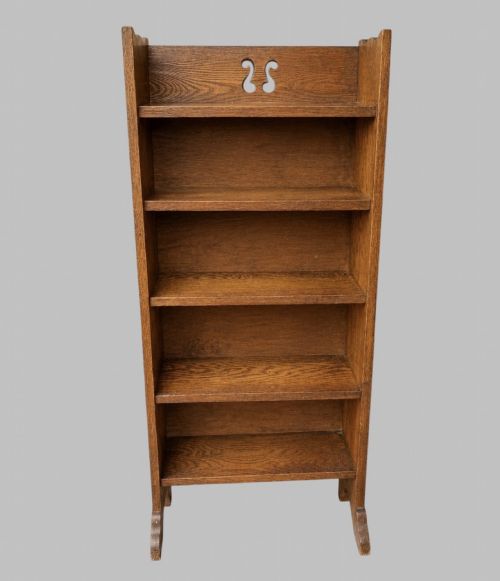


Warm Brown Display Shelves
Warm brown display shelves combine practical storage with rich timber tones, offering an ideal way to organise and exhibit your collection.
Warm Brown Display Shelves
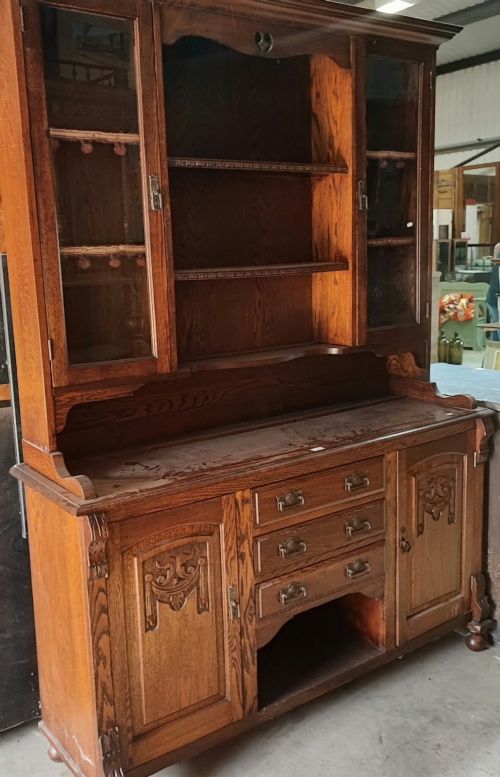
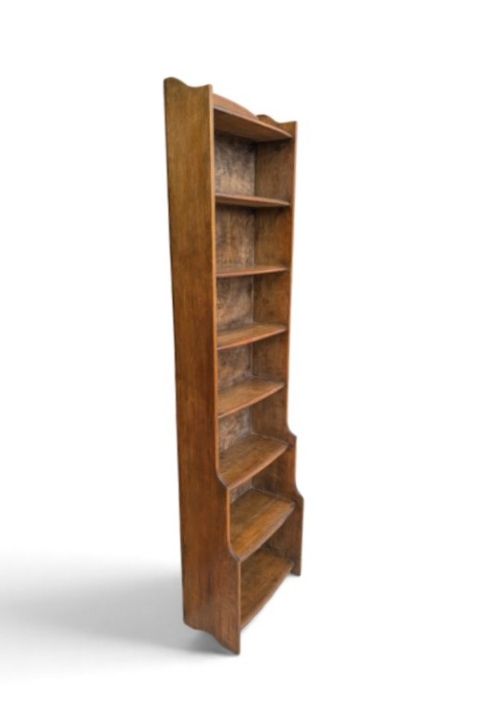
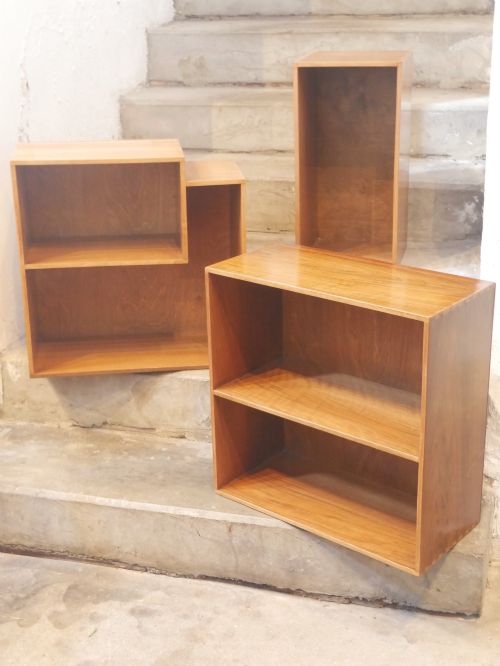
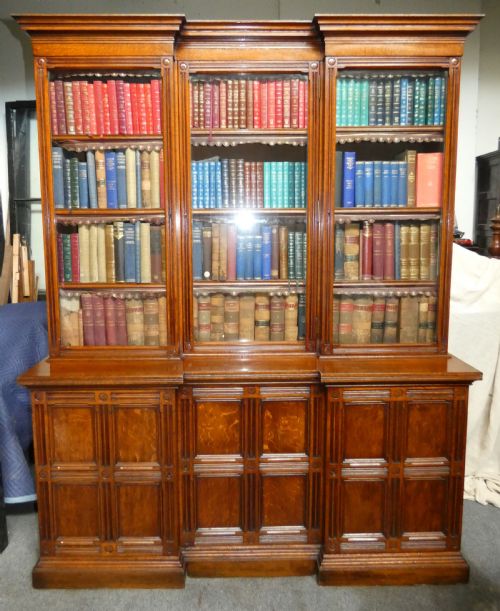
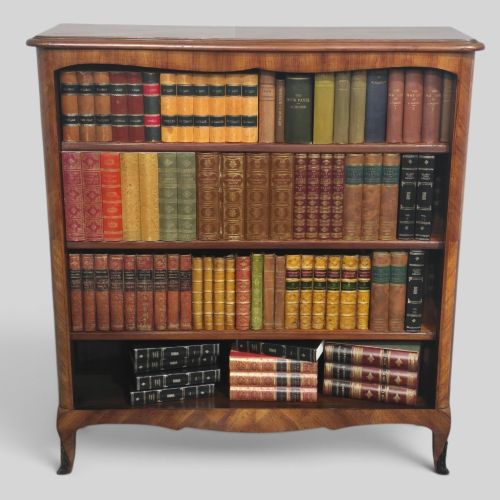
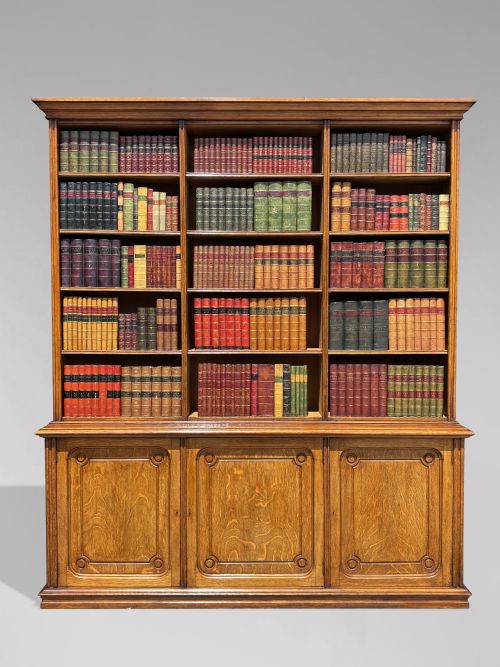
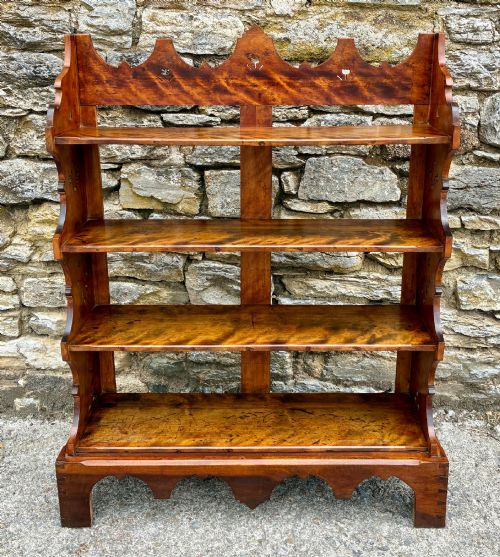
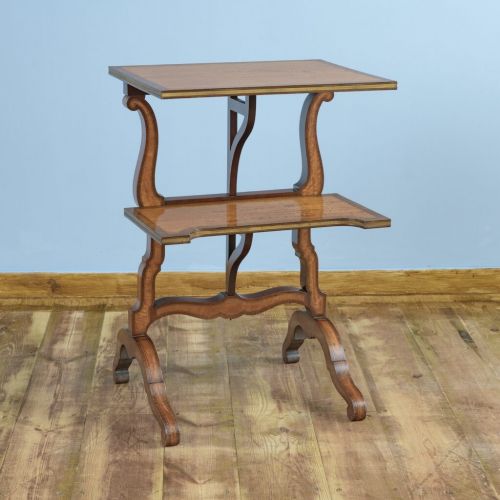
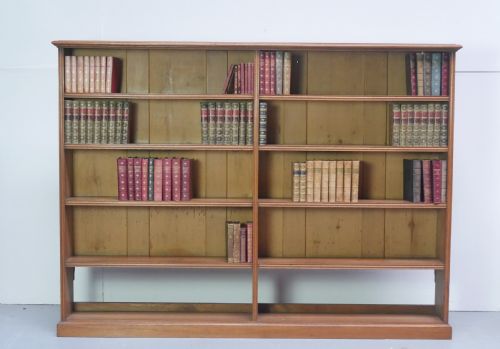
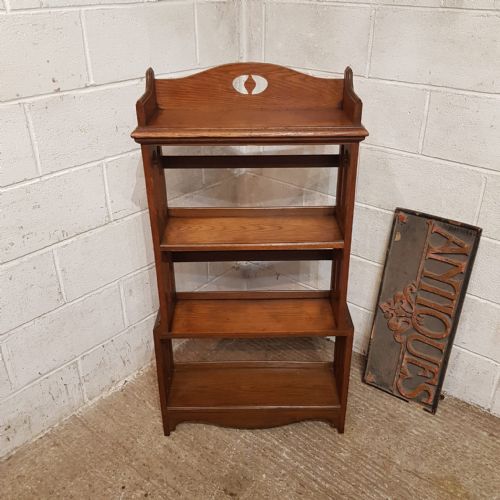
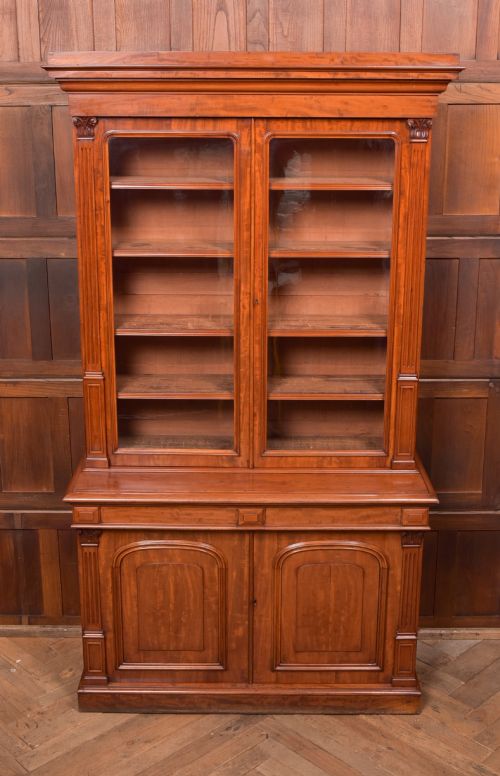
You are most likely to meet oak and mahogany examples from the Victorian and Edwardian eras on this page. These pieces range from open library bookcases to hanging walnut shelf units and multi-tiered standing whatnots.
How they were made
Cabinet makers utilised dense hardwoods such as oak, mahogany, and walnut, often applying wood veneer or satinwood inlay to enrich the timber surface. Construction methods frequently incorporated adjustable shelving, glazed cabinet doors, and fret-cut details.
Listings include sturdy oak and mahogany bookcases alongside walnut and satinwood whatnots from the Victorian, Edwardian, and Art Deco periods.
What varies in quality
The standard of timber selection and the precision of decorative carving distinguish finer examples from standard utility furniture. Highly figured oak and rich walnut display superior natural grain patterns and deeper colouration.
Refinement in secondary details, such as inlaid satinwood borders, fret-cut gallery work, and adjustable shelf mechanisms, elevates the construction standard. Pieces demonstrating careful proportion and balanced joinery represent the better end of the range.
Heals·Maison Giroux
The Warm Brown Display Shelves Glossary
- Whatnot
- An open, multi-tiered piece of furniture designed for displaying ornaments or books, popular throughout the Victorian period.
- Waterfall bookcase
- A set of open shelves that recede in depth from bottom to top, creating a stepped profile.
- Welsh dresser
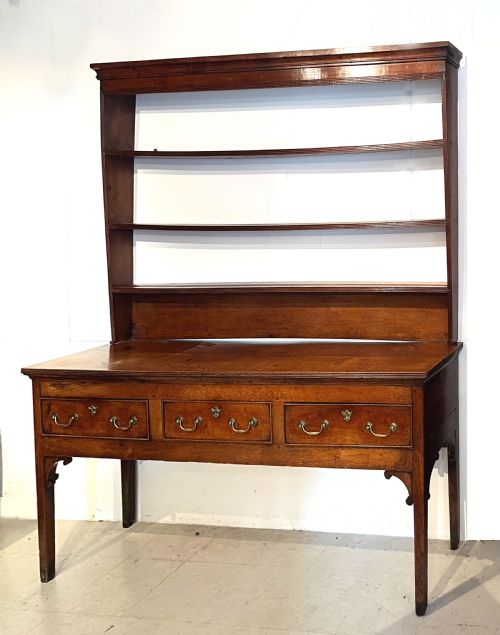
- A traditional kitchen or dining piece featuring lower cupboards or drawers surmounted by open display shelves.
- Fret-cut
- Ornamentation formed by piercing timber with a fine saw to create decorative geometric or floral patterns.
- Adjustable shelves
- Shelvings supported on tracks or pins allowing the height between levels to be altered.
Warm Brown Display Shelves: Frequently Asked Questions
What is the difference between a whatnot and a bookcase?
A whatnot is typically a multi-tiered, open shelving unit designed primarily for displaying decorative objects from multiple angles. A bookcase focuses more heavily on enclosing or housing volumes of books.
While both offer display space, bookcases often feature solid sides and doors, whereas whatnots rely on slender upright supports and open tiers.
How do I care for antique timber shelves?
Keep wooden display furniture away from direct sunlight and heat sources to prevent the timber and veneer from drying out and splitting. Apply a suitable wax polish periodically to nourish the grain and maintain the surface sheen.
Avoid using silicone-based sprays, which can build up and damage antique finishes over time. Dust regularly with a soft, dry cloth.
Were these shelves made for homes or libraries?
These pieces served various domestic settings depending on their form. Large library bookcases and tall oak units belonged in studies and formal rooms, whilst smaller hanging shelves and whatnots furnished sitting rooms and parlours.
Tiered stands and occasional cabinets offered flexible display surfaces for everyday ornaments and smaller personal collections throughout the house.
How can I date an oak or walnut display piece?
Dating relies on observing construction techniques, timber choices, and stylistic markers such as Arts and Crafts cut-outs or Victorian proportions. The presence of hand-cut joints, specific brass hardware, and secondary woods provides further chronological clues.
Comparing the decorative motifs to known periods like the Edwardian era or the Aesthetic movement helps narrow down the decade of manufacture.