



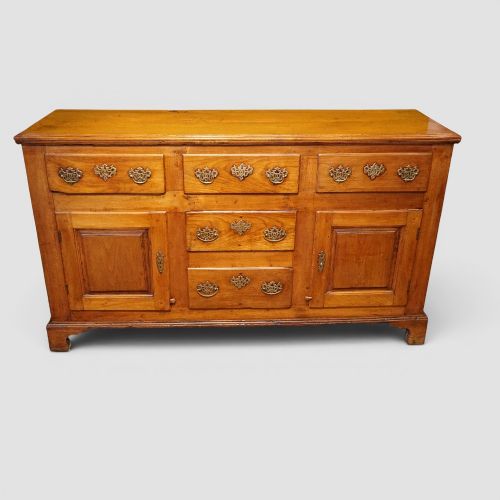
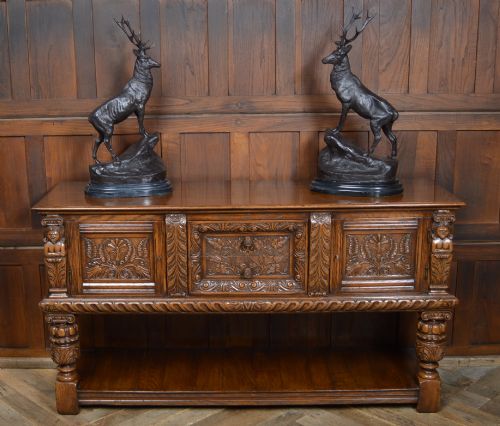
Warm Brown Credenza
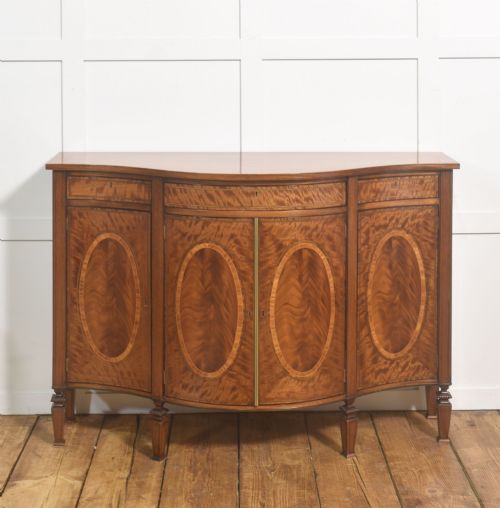
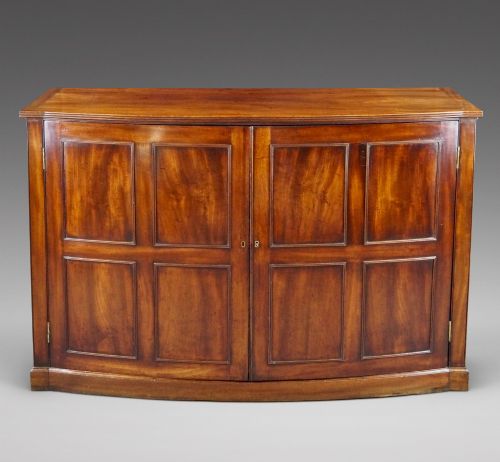
A warm brown credenza brings rich timber tones and enduring utility to a room, offering generous storage through centuries-old craftsmanship.

Warm Brown Credenza
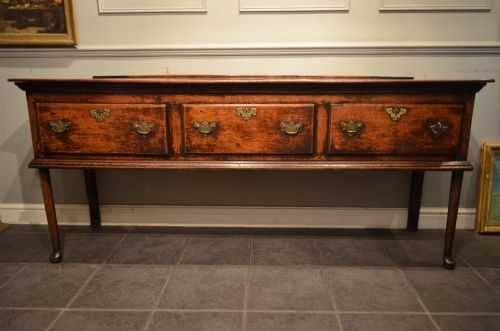
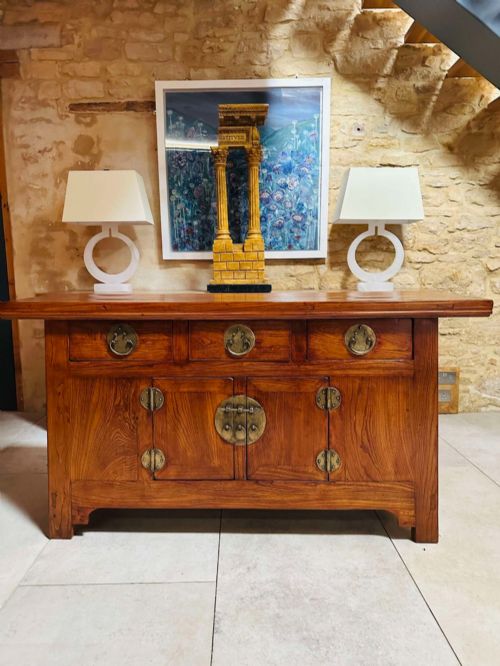
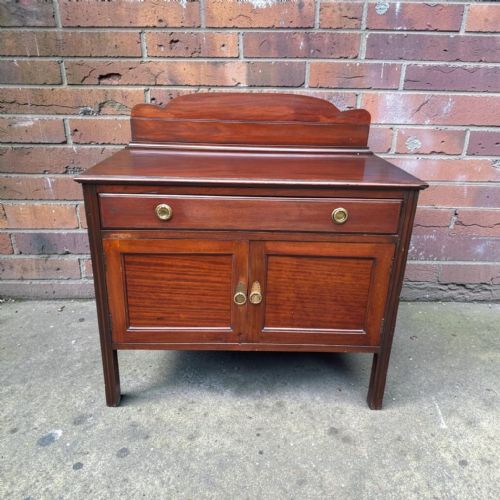
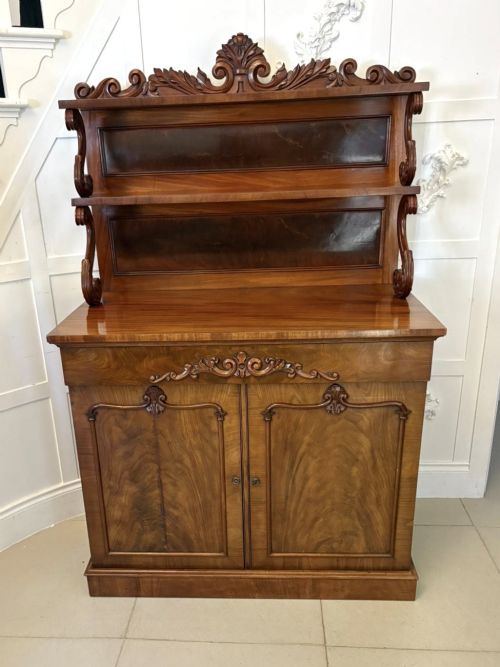
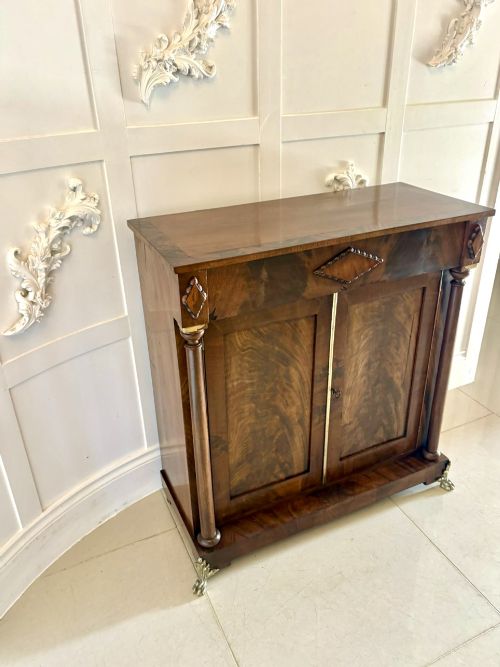
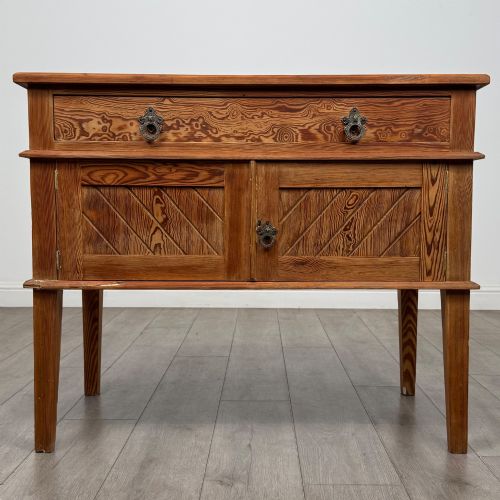
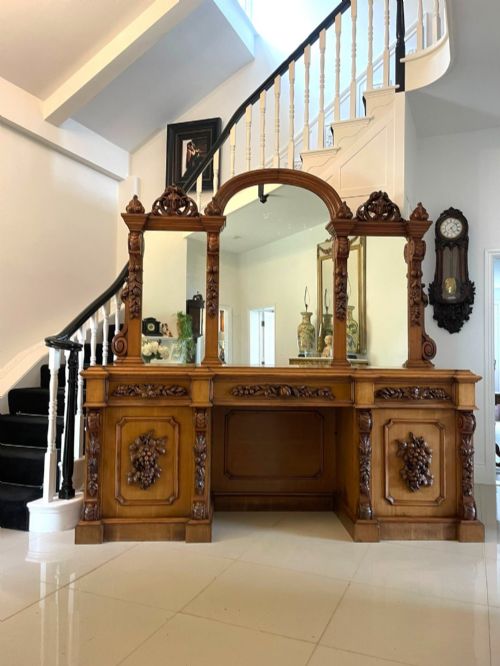
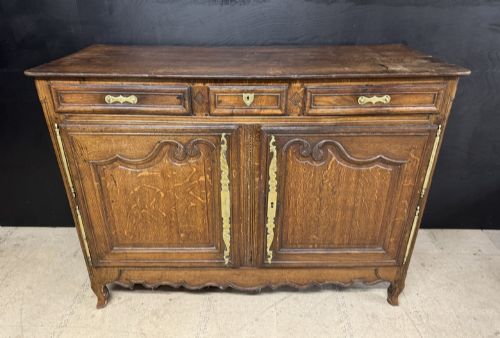
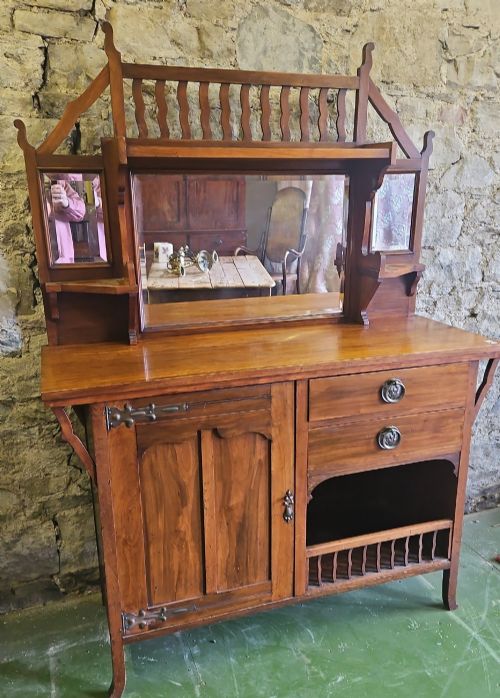
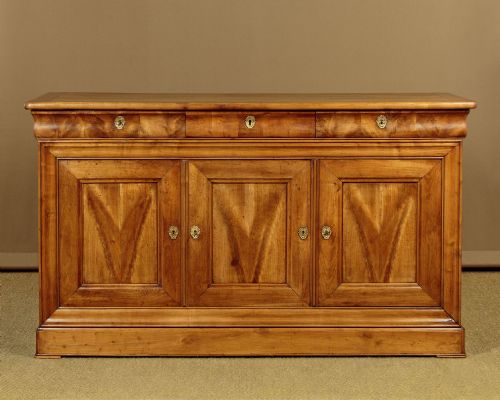
A warm brown credenza encompasses a varied selection of large storage furniture, including sideboards, cupboards, dresser bases, and side cabinets. These pieces serve dining rooms, hallways, and living spaces with deep timber surfaces and internal shelving.
The pieces on this page span several centuries and styles, reaching from 18th-century Georgian and French Provincial designs through Victorian and Edwardian iterations to 1930s Art Deco. Oak, mahogany, and walnut dominate the forms, reflecting traditional cabinet-making priorities.
Among these listings, buyers encounter straightforward oak dresser bases alongside finely inlaid satinwood and burr walnut cabinets adorned with porcelain plaques or marquetry. Each variation demonstrates how domestic storage adapted to changing social habits over hundreds of years.
Materials and construction
Cabinet-makers relied heavily on durable hardwoods like oak, mahogany, and walnut, frequently selecting figured veneers such as burr walnut or pollard oak for visual depth. Secondary timbers like pine and fruitwood appeared in internal and provincial construction.
Joinery methods involved traditional hand-cut joints, panelled doors, and solid timber framing designed to withstand decades of daily domestic use. Decorative enrichment included satinwood inlay, brass fittings, glass panels, and carved detailing.
French polish, wax, and oil finishes built up the warm lustre characteristic of these timbers over generations. Master workshops applied marquetry and porcelain plaques to elevate formal reception room furniture.
Warm Brown Credenza Retail Price Guide 2026
Typical asking prices for warm brown credenza among the pieces listed under this phrase on Sellingantiques today, from the lower quarter to the upper quarter. They describe what is for sale here now, not the wider market.
Listings feature oak, mahogany, walnut, burr walnut, satinwood, and cherrywood across periods ranging from the 18th century to the 1930s.
Judging the work
Quality rests upon the selection of timber, where tightly figured burr walnut, pollard oak, or rich mahogany signal superior workshop ambition. Plainly grained domestic timbers serve utilitarian provincial pieces, whereas exhibition items showcase master veneer matching and intricate marquetry.
Construction integrity separates standard utility furniture from high-status commissions, visible in the precision of the joinery and the weight of the timber. Original brass hardware, intact glass, and well-fitted doors indicate the original tier of manufacture.
Design ambition dictates the upper range, moving from simple country dressers to breakfront commodes and exhibition pieces bearing maker signatures. The integration of decorative elements like porcelain plaques or specialised compartments elevates a piece above standard storage.
Hamptons of Pall Mall London·Pietro Ferrario·Maple and Co·T Simpson and Son
The Warm Brown Credenza Glossary
- Credenza
- A low cabinet or sideboard designed for serving food or storing tableware. These pieces often feature multiple doors and drawers.
- Dresser base
- A low wooden unit featuring drawers and cupboards beneath a wide surface. They originate from country kitchens and dining rooms.
- Enfilade
- A long sideboard or low cabinet with a succession of doors. This French form provides extensive linear storage.
- Marquetry
- Decorative patterns created by fitting thin pieces of wood veneer onto a structural surface. Craftsmen utilise contrasting timbers to build pictorial designs.
- Chiffonier
- A compact sideboard or tall side cabinet developed in the 19th century. They frequently incorporate tiered shelving or enclosed cupboards.
Warm Brown Credenza: Frequently Asked Questions
Where should I place a credenza?
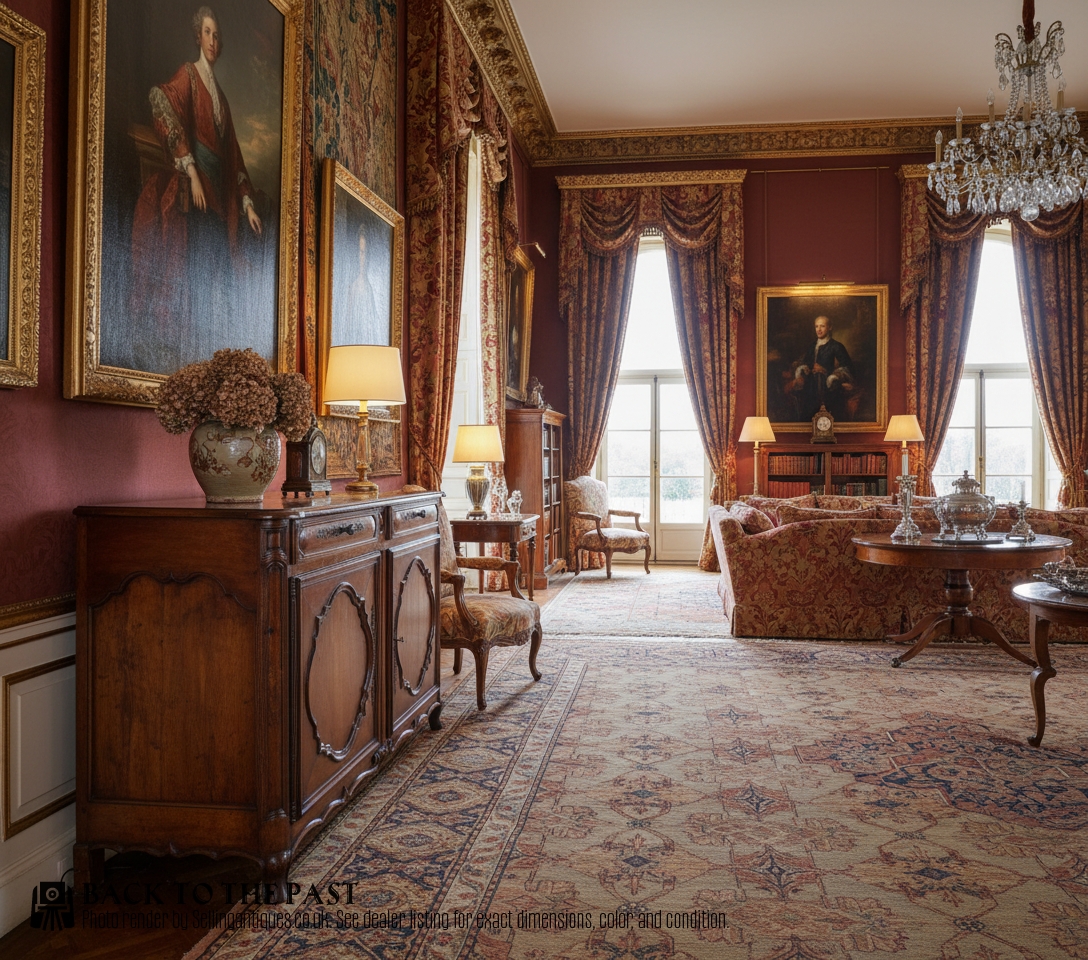
These low storage units suit dining rooms, living spaces, and wide hallways where surface space and interior capacity are both useful. Their substantial depth requires adequate floor clearance against a main wall.
Positioning a credenza away from direct heat sources protects antique timber veneers and solid wood panels from splitting. Placing a mirror or artwork above the piece completes a traditional room arrangement.
How do I clean antique wood?
Dust timber surfaces regularly with a soft, dry cloth to prevent dirt accumulation in the grain and carvings. Avoid modern silicone sprays that build up and damage traditional wax finishes.
Apply a quality beeswax periodically to nourish the wood and maintain its deep lustre. Buff the surface gently after application to preserve the natural sheen of the polish.
What is the difference between a sideboard and a credenza?
Sideboards traditionally feature long serving surfaces with cupboards and drawers tailored for dining room service. Credenzas originated as lower Italian cabinets with similar enclosed storage functions.
Over time, these terms crossed regional boundaries and began describing similar low timber storage furniture. Construction style and period detailing matter more than the specific historical label.
How do I identify a Georgian piece?
Georgian furniture displays classical proportions, restrained architectural mouldings, and quality timbers such as mahogany or oak. Cabinet-makers of this era favoured clean lines over heavy ornamentation.
Look for hand-cut drawer dovetails and secondary woods like pine or oak inside the carcase. Drawer linings and backboards show the unhurried hand methods typical of 18th-century workshops.