

Warm Brown Carver Chair
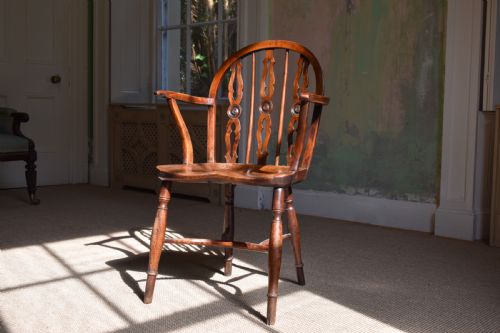
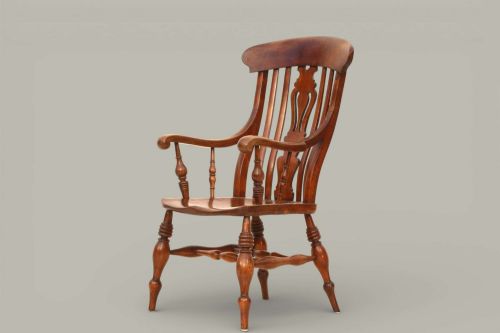
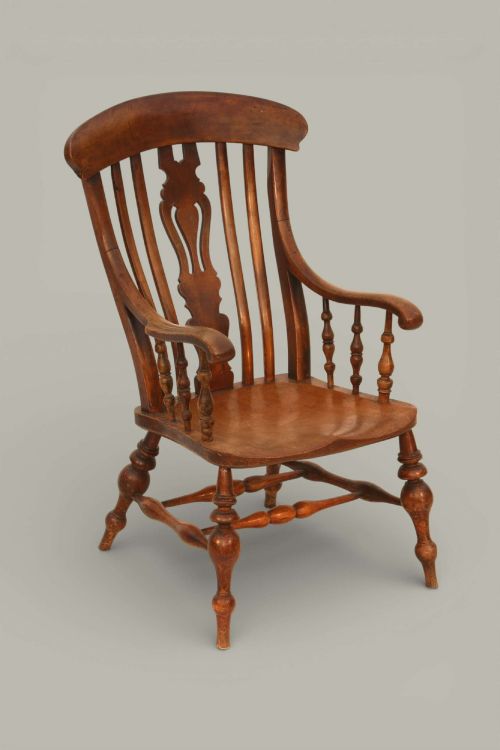
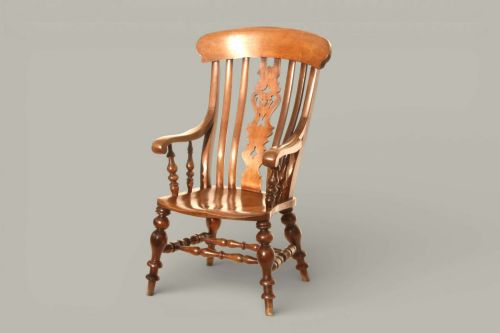
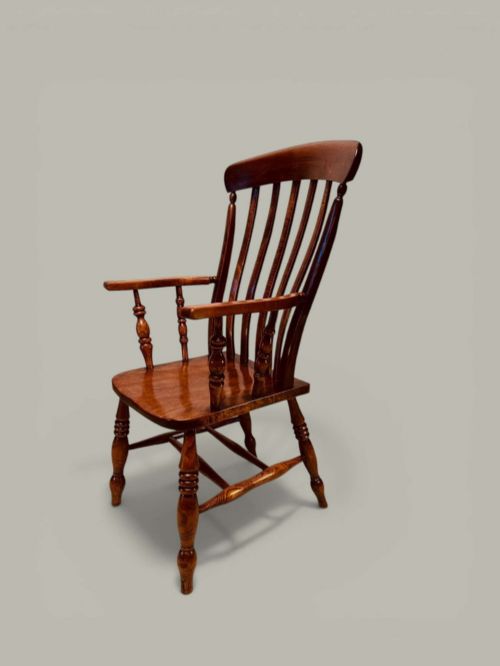
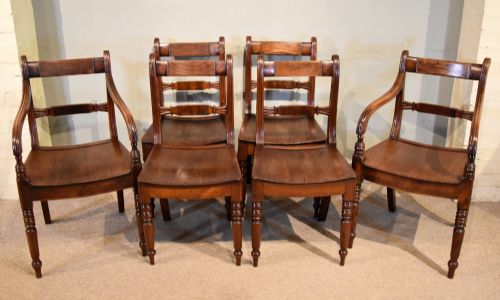
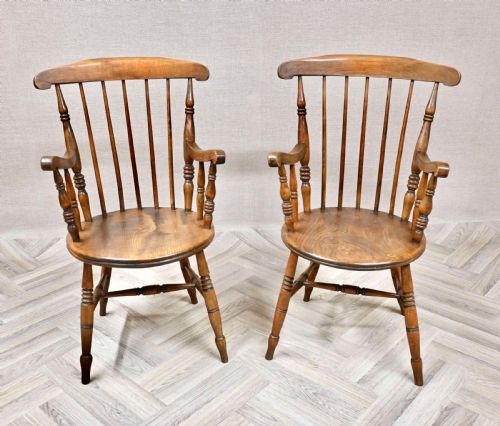
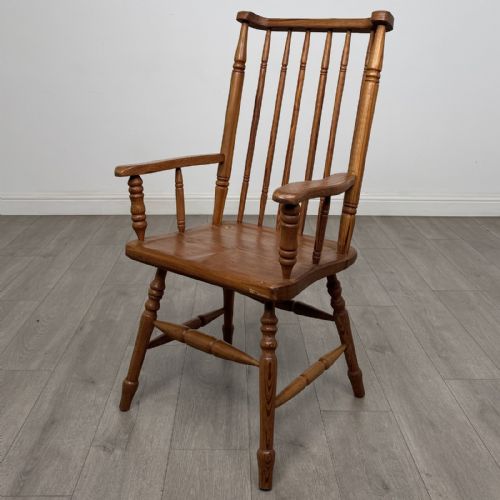
A warm brown carver chair brings tactile timber grain and sturdy seating into a room, offering the supportive armrests and rich patination characteristic of traditional country furniture.
Warm Brown Carver Chair
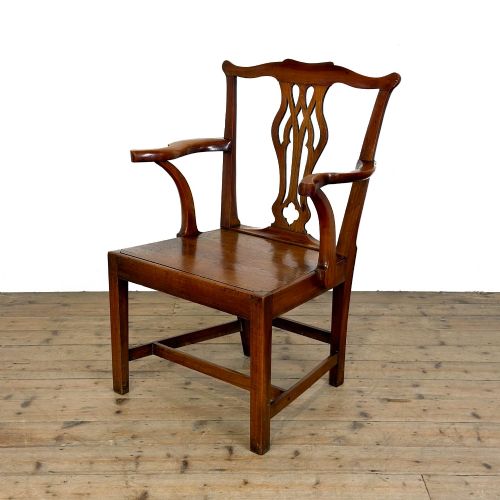
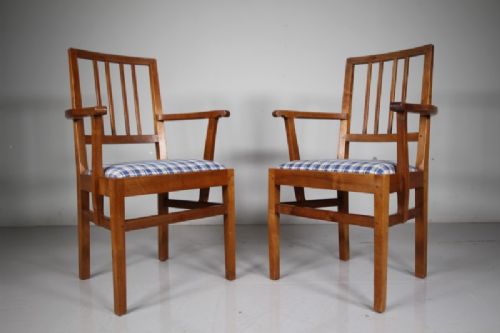
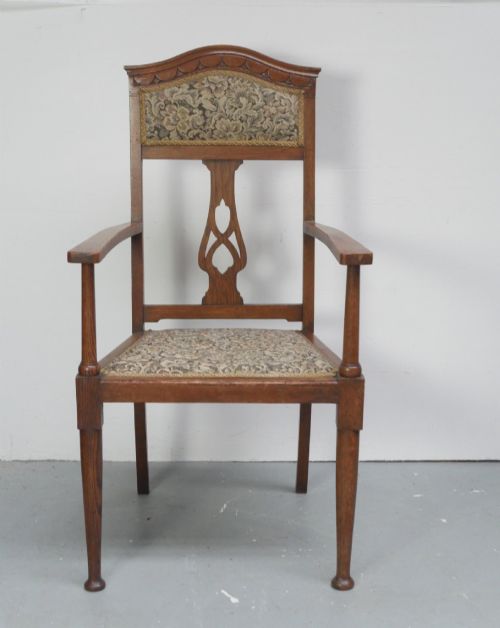
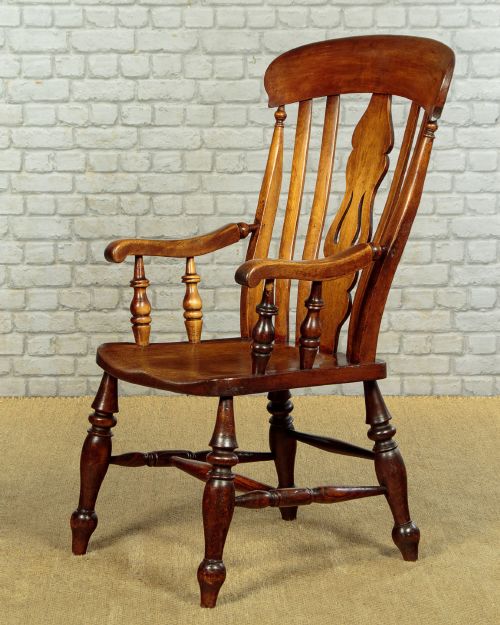
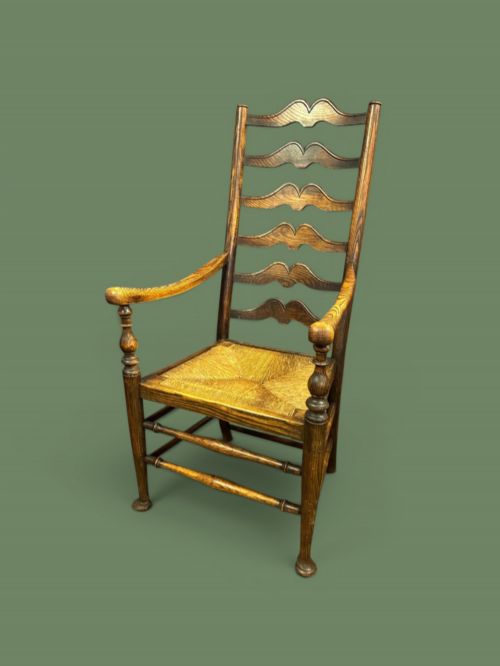
When searching for a warm brown carver chair, buyers encounter robust wooden armchairs originating from various periods between the eighteenth and twentieth centuries. These seating options include country dining armchairs, kitchen armchairs, and fireside carvers designed with supportive armrests.
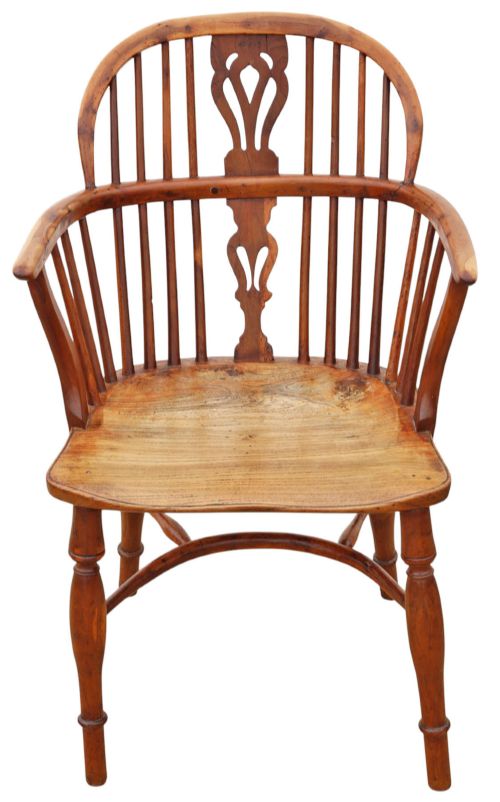
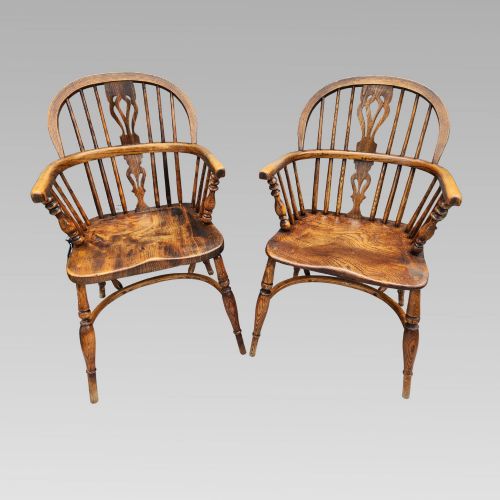
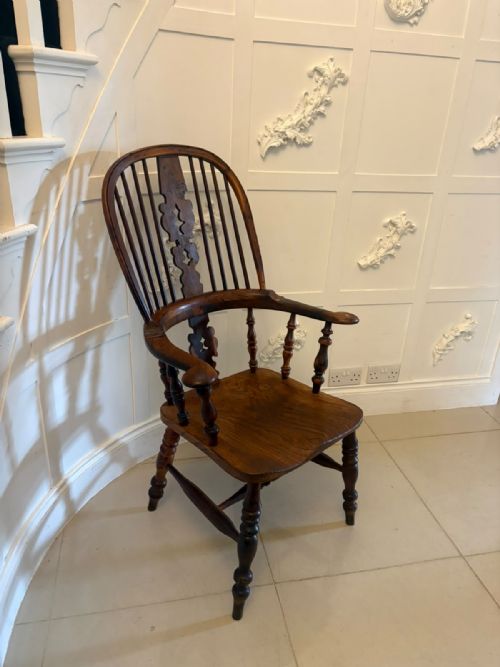
The version most frequently met on this page is the Windsor armchair, often constructed with a solid elm seat combined with yew, beech, or fruitwood elements. Other common forms include ladder back chairs with rush seats, stick back armchairs, and slat back designs rooted in English and French provincial styles.
How they were made
Maker workshops utilised native timbers such as elm for solid, resilient seats alongside ash, beech, and fruitwood for spindles, legs, and steam-bent hoops. Yew wood frequently appears in high-backed Windsor forms, providing dense grain and deep natural colour.
Joinery techniques relied heavily on traditional turning, doweling, and wedged tenon joints to secure uprights directly into thick wooden saddle seats. Surfaces received hand-applied finishes and wax polish over decades of use, developing characteristic patination.
Warm Brown Carver Chair Retail Price Guide 2026
Typical asking prices for warm brown carver chair among the pieces listed under this phrase on Sellingantiques today, from the lower quarter to the upper quarter. They describe what is for sale here now, not the wider market.
Listings feature eighteenth, nineteenth, and twentieth-century pieces spanning vernacular English country styles to French provincial designs.
What varies in quality
Quality separates through the selection of timber and the integrity of the original construction, particularly in the thickness of the elm seat and the balance of the turned spindles. Examples featuring dense yew wood or carefully matched multi-wood construction demonstrate higher craftsmanship.
The depth of natural patination and surface wear dictate visual distinction, where untouched grain and minimal structural replacement elevate a piece. Chairs retaining their original stamped maker details or balanced proportions command greater appreciation among collectors.
Edward Barnsley
The Warm Brown Carver Chair Glossary
- Carver chair
- An armchair, traditionally placed at the head of a dining table or used as a fireside seat.
- Windsor
- A wooden chair featuring a solid saddle-shaped seat into which the back and legs are dowelled directly.
- Patination
- The deep surface sheen and colour acquired by timber over many decades of handling and polishing.
- Saddle seat
- A thick wooden seat base shaped with hollows for comfort, common in traditional country chairs.
- Hoop back
- A continuous curved wooden bow forming the top rail and arm supports of a Windsor chair.
Warm Brown Carver Chair: Frequently Asked Questions
What is a carver chair?
A carver chair is an armchair designed to match a set of dining chairs, traditionally placed at the head of the table. These sturdy seats incorporate wooden armrests for added comfort during prolonged sitting.
In country houses and farmhouses, similar armchairs served multiple purposes around the kitchen or hearth. Their robust construction made them versatile pieces for daily domestic use.
How do I identify a Windsor chair?
A Windsor chair is defined by its solid wooden seat into which the legs and back spindles are inserted independently. Instead of a framed upholstered structure, the back relies on steam-bent wood and turned uprights for support.
Common regional variations include low back, high back, and hoop back designs. Materials typically combine a dense elm seat with ash, beech, or yew framing.
Which woods were used?
Traditional makers utilised locally available hardwoods suited to different parts of the chair. Elm provided a tough, splitting-resistant surface for solid saddle seats.
Turned legs and spindles often required straight-grained timbers such as ash, beech, or fruitwood. Yew wood appeared in finer Windsor chairs for its exceptional grain pattern and strength.
How do I care for antique timber?
Antique wooden chairs require stable indoor humidity levels away from direct heat sources and strong sunlight. Sudden temperature shifts can cause timber to dry out and joints to loosen.
Routine maintenance involves gentle dusting with a soft cloth and occasional application of traditional beeswax. Avoid modern silicone polishes to preserve the natural patination.