


Walnut Wood Mirror
A walnut wood mirror brings warmth and grain to a room, ranging from simple Victorian wall frames to elaborate Queen Anne designs.
Walnut Wood Mirror
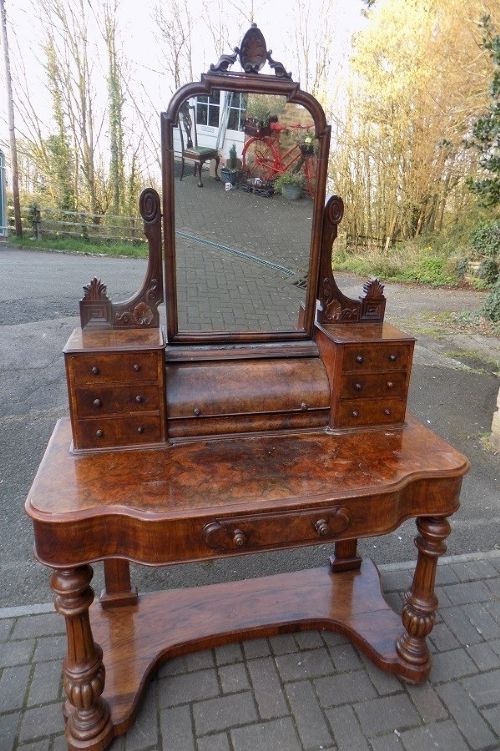
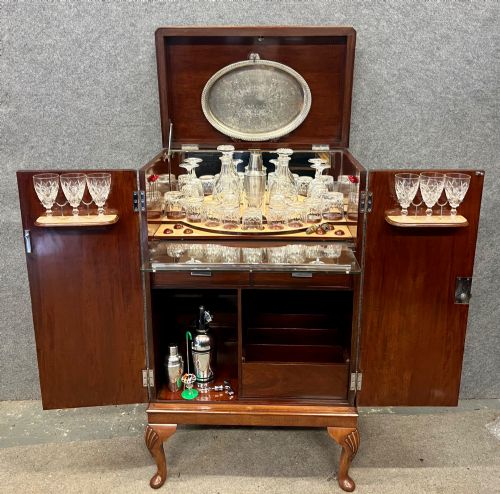
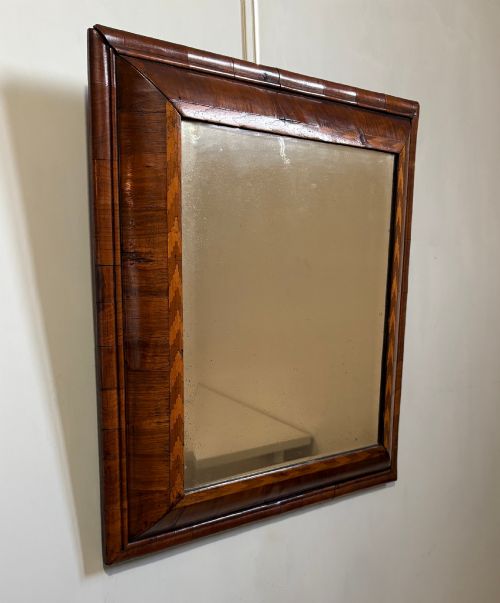
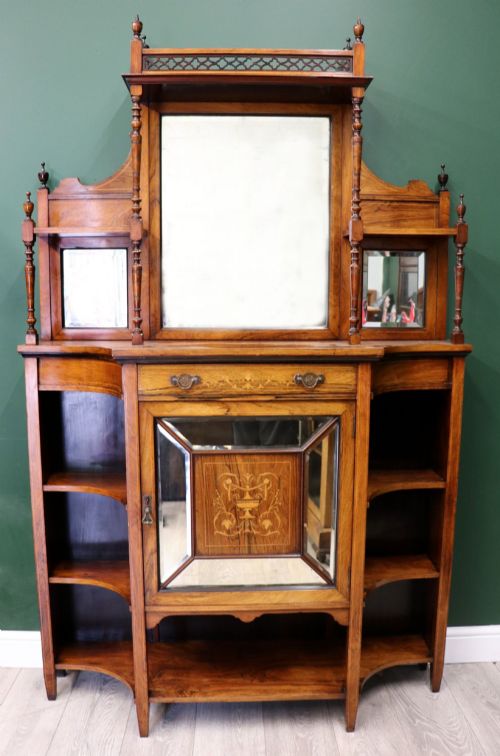
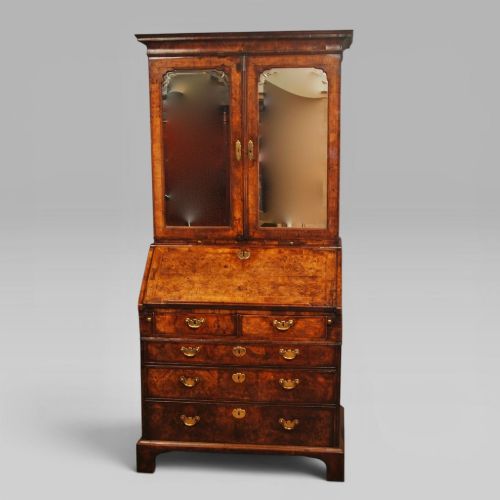
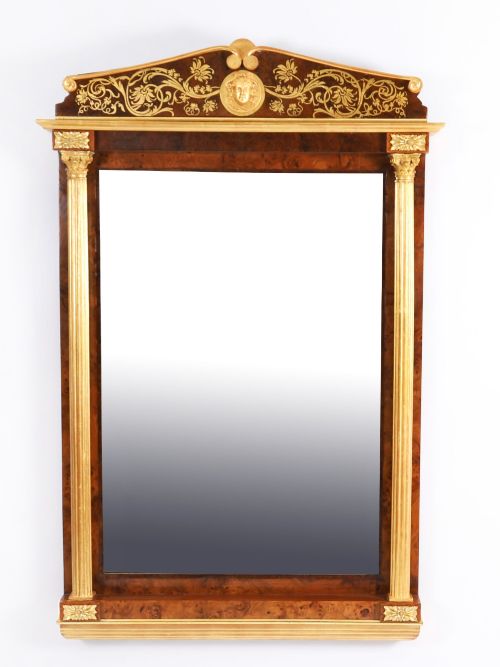
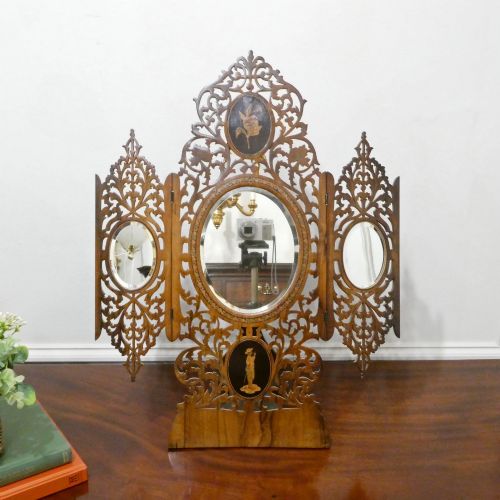
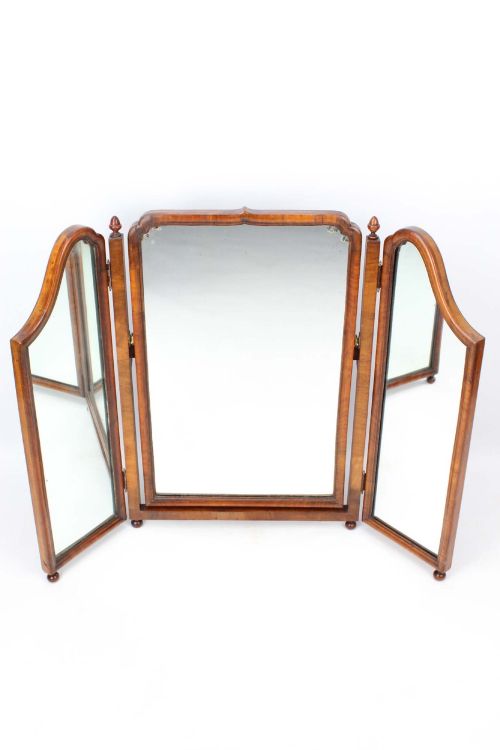
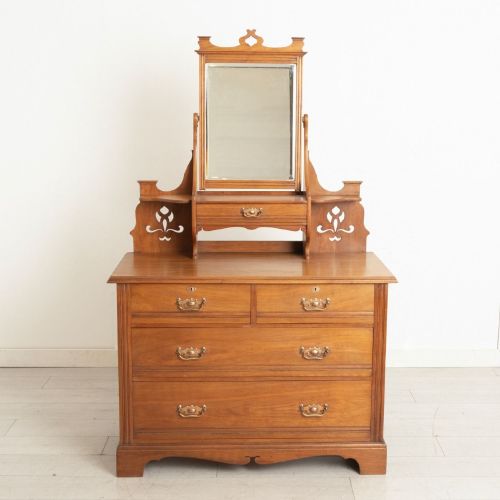
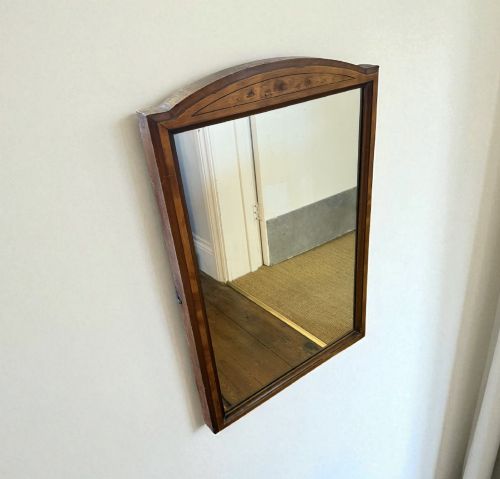
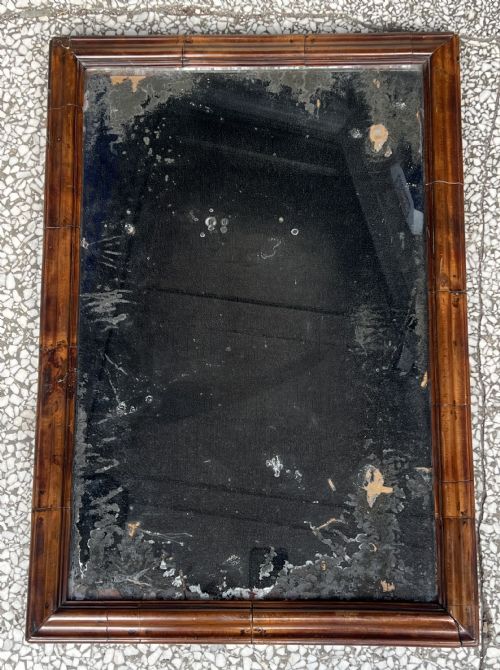
A walnut wood mirror takes many forms across different eras, appearing as wall-hung pieces, overmantels, and dressing table mirrors. When you search for this phrase, you encounter everything from Georgian fretwork designs to Edwardian hallway glasses and later twentieth-century styles.
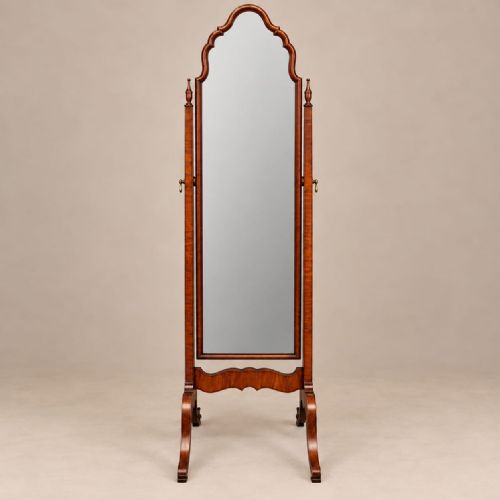
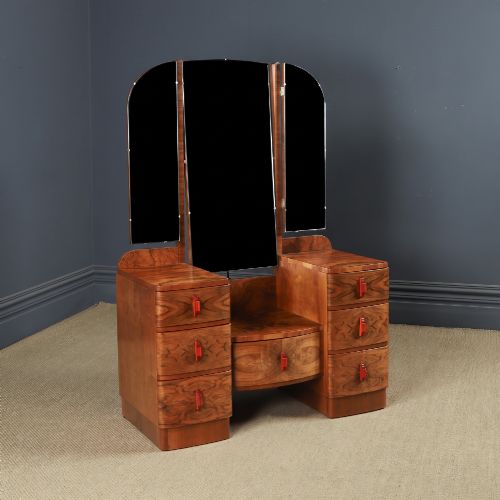
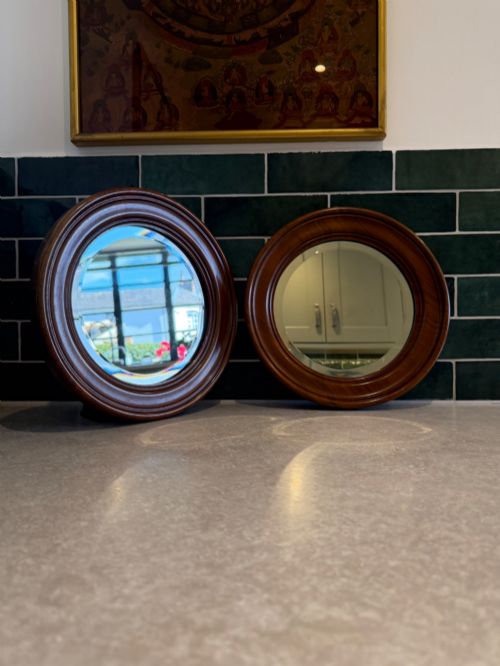
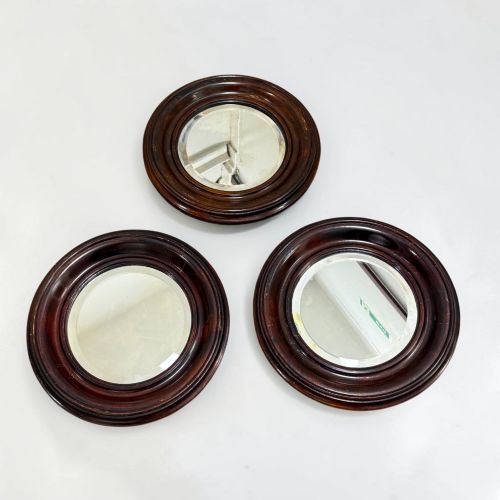
The pieces on this page span several centuries, with particular representation from the Victorian period, the nineteenth century, and the early decades of the twentieth century. Forms range from simple circular frames to complex triptych dressing table mirrors and tall cheval glasses.
Origins vary across English, French, Dutch, and Italian workshops, reflecting distinct regional tastes in carving and joinery. Whether you find a small shaving mirror with boxwood inlay or a large parcel gilt wall piece, the underlying material remains walnut.
Materials and Construction
Makers utilised solid walnut alongside burr walnut veneers to achieve rich, figured surfaces that caught the light. Secondary woods provided structural stability behind the primary timber frames.
Giltwood elements, parcel gilt highlights, and brass fittings often accompanied the walnut structure, particularly in Georgian and Victorian revival pieces. Mirror glass, sometimes bevelled, was set within rebated frames secured by wooden backs.
Inlay techniques such as marquetry employed contrasting materials like boxwood to ornament the surfaces of earlier seventeenth and eighteenth-century examples.
Walnut Wood Mirror Retail Price Guide 2026
Typical asking prices for walnut wood mirror among the pieces listed under this phrase on Sellingantiques today, from the lower quarter to the upper quarter. They describe what is for sale here now, not the wider market.
The listings span multiple centuries, incorporating periods from seventeenth-century William and Mary to Art Deco.
Judging Quality
The depth and crispness of the hand-carving distinguish finer frames from simpler production pieces, particularly on fretwork and pierced crestings. Scrollwork and gilded details require careful execution to retain definition.
The choice of veneer significantly alters the visual impact, with figured burr walnut offering complex grain patterns that demand expert book-matching. The preservation of original mirror glass and secondary framing timbers adds to the integrity of an antique piece.
Shapland & Petter·Waring & Gillows
The Walnut Wood Mirror Glossary
- Burr walnut
- A veneer taken from the warted growths of walnut trees, yielding highly decorative, swirling grain patterns. It was frequently utilised on high-status furniture and frames.
- Parcel gilt
- A decorative technique where parts of an object are partially gilded with gold leaf while other areas reveal the underlying wood. This finish highlights specific carved details on walnut frames.
- Fretwork
- Thin wood pierced with intricate patterns using a fret saw, commonly seen on the scrolled crests and ears of Georgian and revival mirrors.
- Trumeau
- A large wall mirror combined with a painted panel or carved relief above the glass, originating in France. These tall pier mirrors suited grand interior spaces.
- Cheval mirror
- A full-length mirror suspended on a vertical swiveling frame between four legs or pillars. They became popular for dressing areas during the eighteenth and subsequent centuries.
Walnut Wood Mirror: Frequently Asked Questions
How do I date a walnut wood mirror?
Dating relies on combining stylistic clues, construction methods, and the type of mirror glass present. Earlier pieces from the seventeenth and eighteenth centuries often feature distinct edge bevels, hand-cut screws, and specific moulding profiles.
Later Victorian and Edwardian examples incorporate machine-sawn timber and different backing boards. Examining the joinery at the corners of the frame provides further evidence of the period of manufacture.
Where should I hang a walnut wood mirror?
These mirrors suit spaces where the warm tones of the timber can complement surrounding furniture. Hallways, living rooms above mantelpieces, and bedrooms above dressing chests serve as traditional locations.
Ensure the wall fixings match the weight of the frame, particularly for larger overmantel or trumeau mirrors that utilise heavy timber and glass.
Are these mirrors made of solid walnut?
Some pieces utilise solid walnut throughout the frame, while others apply burr walnut veneers over secondary woods like pine or oak. Veneering allowed makers to display complex grain patterns without exhausting supplies of prime timber.
Both solid and veneered constructions appear frequently across the different periods represented in the listings.
What is parcel gilt on a walnut mirror?
Parcel gilt refers to partial gilding applied to specific decorative elements of a walnut frame. Craftsmen used gold leaf to accentuate carved mouldings, leaf motifs, or edge details while leaving the surrounding walnut grain exposed.
This technique creates a contrast between the dark wood and the bright gilded highlights, a feature common in Georgian and revival pieces.