


Walnut Wall Panels
Walnut wall panels bring rich grain and deep relief carving to a room, ranging from Tudor architectural fragments to Black Forest hunting scenes.
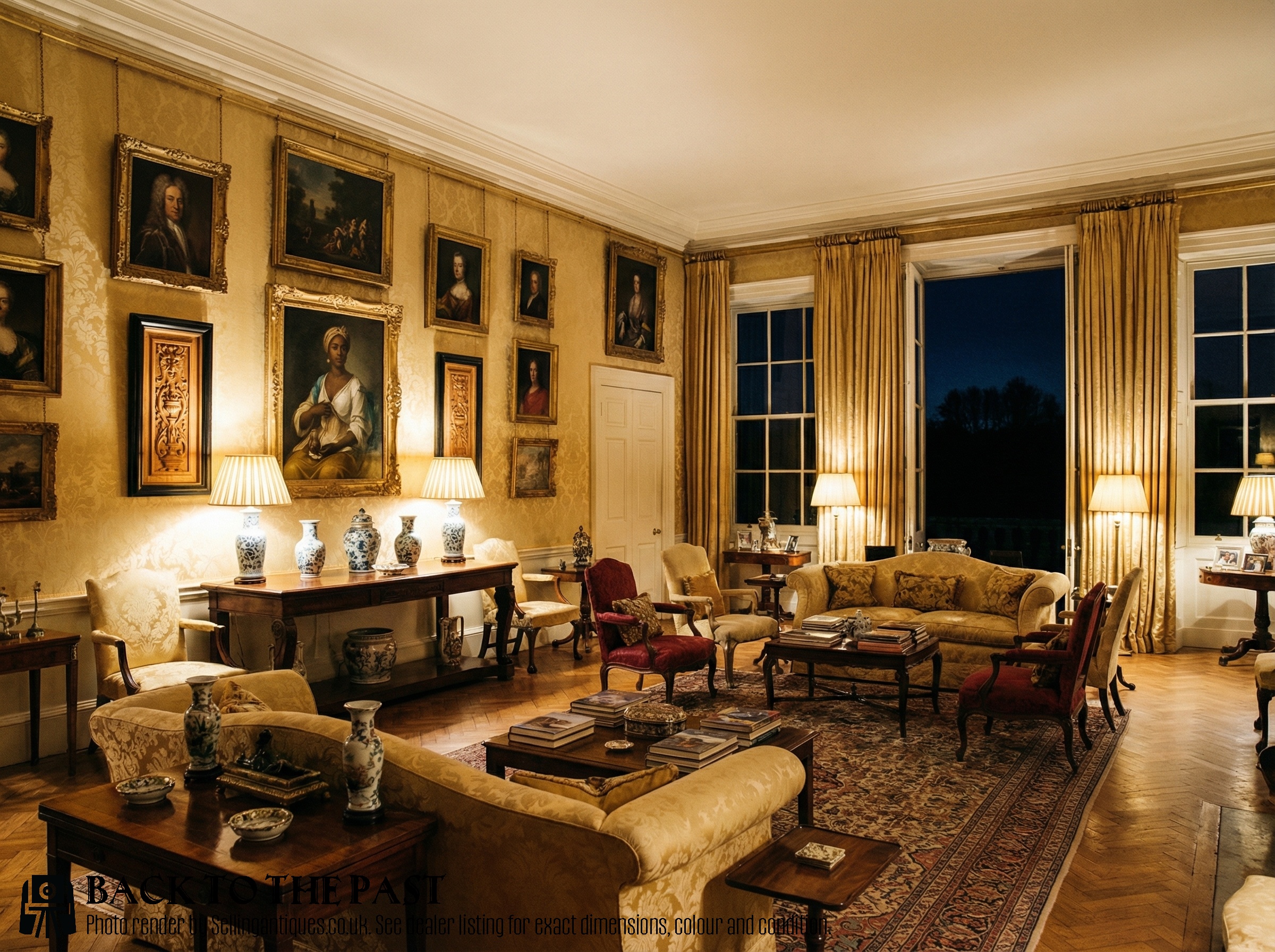
Walnut Wall Panels
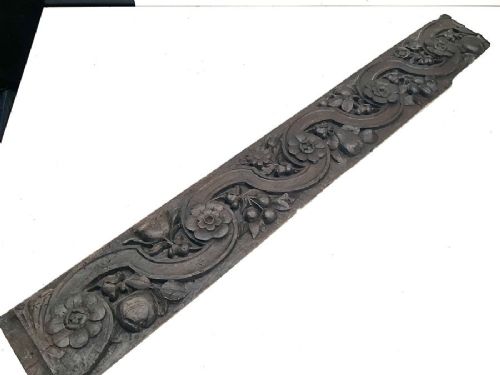
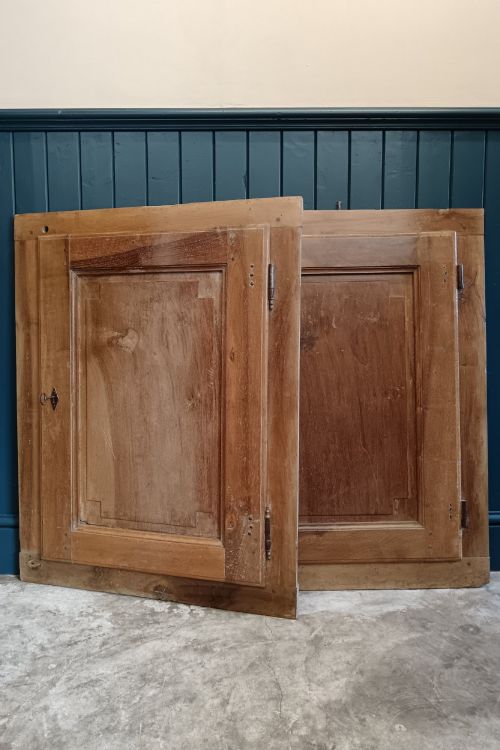
When buyers search for walnut wall panels, they encounter a diverse selection of architectural salvage, carved plaques, mirrors, and marquetry works spanning several centuries. The pieces on this page include hand-carved Italian cupboard doors, French Louis XIII style reliefs, and German Black Forest hunting scenes.
The material focus centres firmly on walnut, often combined with giltwood, oak, glass, and canvas in objects that served originally as wall art, overmantels, and architectural fittings. Victorian revivals and 19th-century interpretations sit alongside older elements, showing how makers across Europe utilised the timber for decorative wall schemes.
How they were made
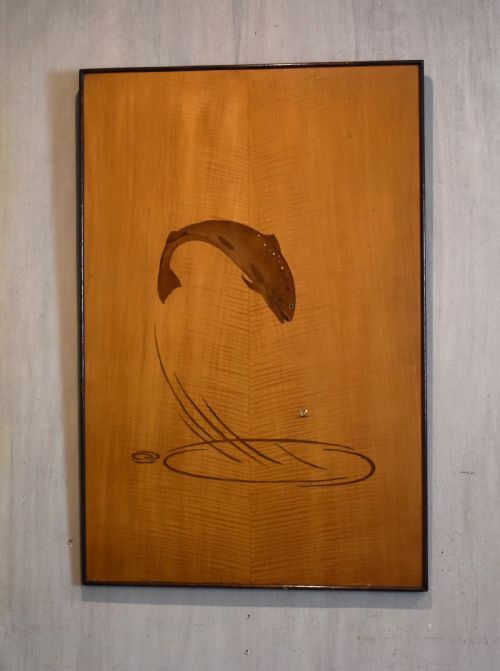
Makers utilised solid walnut and veneers to construct these panels, employing hand-carving techniques to create deep architectural reliefs, figurative scenes, and armorial motifs. Skilled artisans shaped the timber using traditional joinery, often incorporating inlaid marquetry in contrasting woods to render pictorial details such as wildlife and foliage.
Surface embellishment frequently involved gilding, hand-painting, and polished finishes that highlighted the natural grain of the walnut. Textile elements such as wool needlework, tapestry, and canvas were integrated into framed wall plaques and mirrors, supported by secondary timbers like oak.
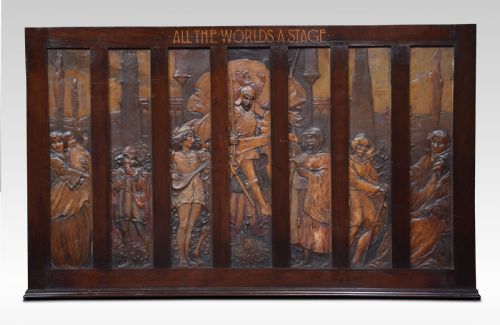
A leaping salmon caught in marquetry shares wall space with barking hounds and classical deities.
What varies in quality
The distinction between ordinary and exceptional panels rests on the depth and precision of the hand-carving, particularly in figurative work and architectural relief. Pieces executed with crisp undercut details and expressive human or animal forms demonstrate a superior level of workshop craftsmanship compared to simpler, mechanical production.
Proportion and the preservation of original surfaces also dictate the standing of a piece, with integrated elements like original glass, gilding, and undisturbed patina holding greater distinction. The sophistication of the design, whether a French classical motif or an intricate marquetry picture, determines the visual weight of the work.
Hugues Sambin
The Walnut Wall Panels Glossary
- Marquetry
- The art of forming decorative patterns by fitting together small pieces of veneer. This technique creates pictorial scenes on flat panel surfaces.
- Relief
- A sculptural technique where figures or designs project from a flat background. High relief panels show significant depth.
- Overmantel
- A large mirror or panel designed to hang above a fireplace mantel. These often incorporate architectural framing and gilt details.
- Terme
- A tapering pillar or pedestal topped by a bust or figure, commonly used in Renaissance architectural decoration.
- Armorial
- Relating to heraldry and family coats of arms. Armorial panels display carved or painted heraldic insignia.
Walnut Wall Panels: Frequently Asked Questions
How were walnut panels used historically?
Historic walnut panels functioned as permanent interior architectural wall linings, cupboard doors, and overdoor decorations within grand European châteaux and townhouses. They provided both thermal insulation and a display of wealth through elaborate woodcarving.
Over time, many of these architectural elements were salvaged and repurposed as standalone wall art, mirrors, and decorative plaques for domestic interiors.
What styles do these panels represent?
The selection represents a broad sweep of European design, encompassing 16th-century Tudor work, French Louis XIII and Baroque revivals, and Italian provincial pieces. Black Forest German hunting scenes and Arts and Crafts marquetry also appear.
Victorian interpretations frequently emulate earlier Georgian and classical aesthetics, combining dark timber with gilt accents and tapestries.
How do I hang a heavy carved panel?
Heavy carved walnut panels and overmantel mirrors require secure wall fixings distributed evenly across the timber frame or backplate. Weight should be supported directly by structural wall studs or heavy-duty masonry anchors rather than plaster alone.
Professional installation is recommended for monumental pieces to ensure the safety of both the wall structure and the antique wood.
How do I care for antique walnut wood?
Antique walnut benefits from stable indoor humidity and protection from direct sunlight, which can bleach the timber and dry out the grain. Regular dusting with a soft, dry cloth is sufficient for routine maintenance.
Avoid silicone-based polishes and excessive moisture, using traditional wax sparingly only when the timber appears dry.
How can I tell the period of a panel?
Dating relies on tool marks, construction methods, joinery types, and the stylistic vocabulary of the carving. 16th and 17th-century panels display distinct hand-tool signatures and regional joinery traditions absent in later Victorian copies.
Comparing motif details, such as classical drapery or regional hunting dress, helps distinguish original period work from later revival pieces.